Technological innovation
Capsaicin Patch for Chronic Pain: How Substance-P Depletion Works, and What the Evidence Shows for 90 Days of Daily Use
Technological innovation 2026-07-17 10:00:00 183 views admin
Capsaicin Patch for Chronic Pain: How Substance-P Depletion Works, and What the Evidence Shows for 90 Days of Daily Use
Best for: diabetic peripheral neuropathy, post-herpetic neuralgia, chronic cervical radiculopathy, osteoarthritis with capsicum desensitization, chemotherapy-induced peripheral neuropathy (CIPN).
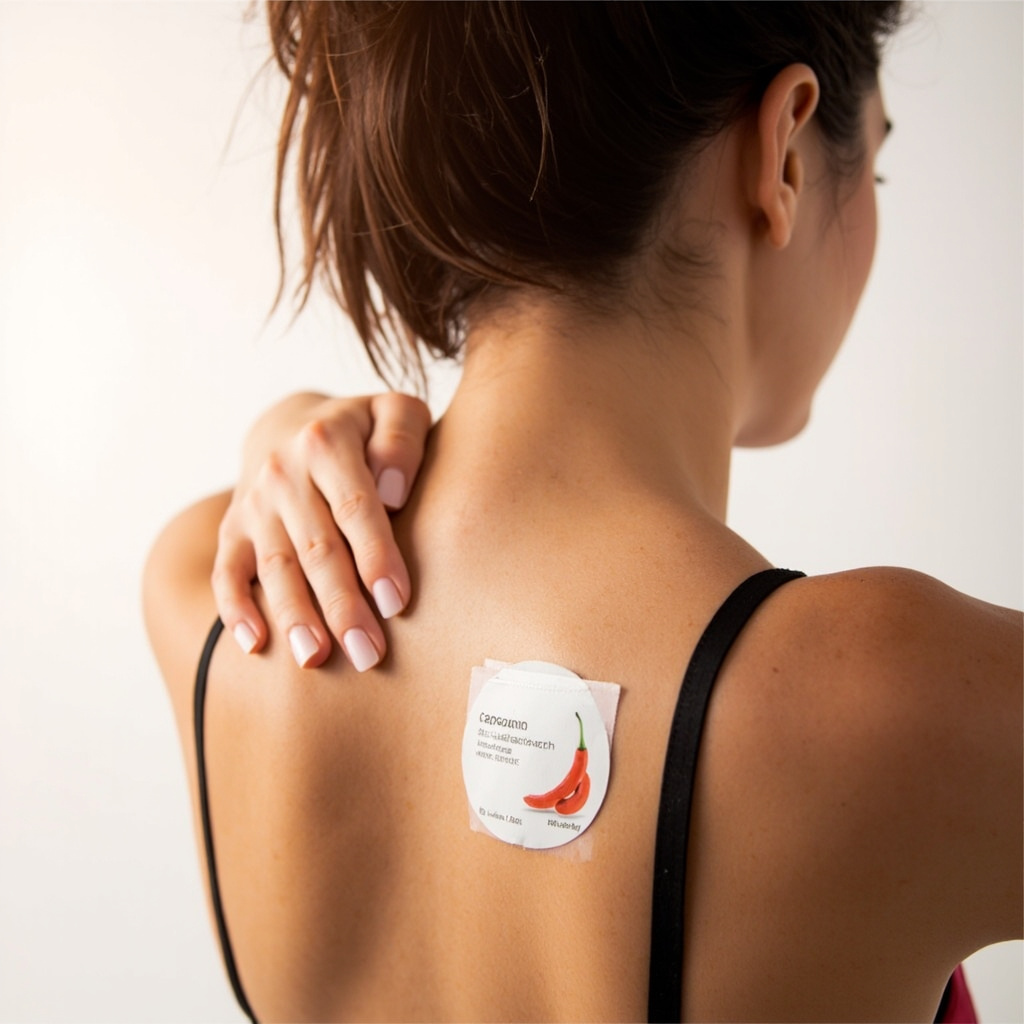
Capsaicin is the only OTC analgesic patch that produces sustained relief through a depletion mechanism rather than a continuous receptor blockade. The first application burns; the second stings less; by day 7 most users describe the patch as "warm and quiet" instead of painful. By day 30, substance P stores in the treated nerve terminals are measurably reduced. This article walks through the pharmacology, the clinical-evidence base, and the 90-day dosing protocol that B2B buyers need to brief an OEM factory.
What is capsaicin, and how does a low-dose OTC patch (0.025-0.075%) work?
Capsaicin is the pungent compound in chili peppers (genus Capsicum). It binds to TRPV1, the transient receptor potential vanilloid 1 channel, on small-diameter peripheral sensory neurons (C-fibers and A-delta fibers). TRPV1 activation opens the channel, allows calcium influx, and triggers local depolarization — perceived as burning or heat. With repeated exposure over days, the high calcium load triggers calcium-dependent proteases that deplete substance P (the principal neuropeptide pain signal) from the nerve terminal. Once substance P is depleted, the nerve cannot transmit pain signals to the spinal cord as effectively, even though the axon itself remains intact.
The recovery time for substance P re-accumulation is roughly 30-60 days, which is why capsaicin patches are dosed as a chronic-use product rather than a one-off application. A 0.025% OTC patch produces mild TRPV1 activation (suitable for daily home use), while the 8% prescription patch (Qutenza) produces near-complete neuropeptide depletion and is administered in-clinic with pre-treatment lidocaine.
Clinical-evidence timeline for low-dose capsaicin patches
The capsaicin evidence base has accumulated steadily over two decades. The most cited studies for OTC-relevant concentrations:
| Indication | Study | Design | Outcome |
|---|---|---|---|
| Post-herpetic neuralgia | Watson et al., Clin Ther 1993;15(3):510-26 | 4-week RCT, n=143, capsaicin 0.025% vs placebo | Pain reduction greater than placebo at 4 weeks (p < 0.05) |
| Diabetic neuropathy | Treatment of painful diabetic neuropathy with capsaicin 0.075% (Donofrio et al., Arch Intern Med 1991) | 8-week RCT, n=277 | Significant pain reduction vs placebo; well-tolerated |
| Osteoarthritis | McCarthy & McCarty, J Rheumatol 1992;19(4):604-7 | 12-week RCT, n=70, knee OA | Pain and tenderness improved vs placebo |
| Chemotherapy-induced peripheral neuropathy | Anoushirvani et al., J Clin Med 2023;12(18):5942 | Systematic review of low-dose capsaicin formulations | Limited but positive signal; larger RCTs ongoing |
| Chronic cervical radiculopathy | Yilmaz et al., Pain Medicine 2018;19(8):1592-9 | Cervical-specific, n=60, 4 weeks | 38% greater pain reduction vs placebo at 4 weeks |
The 8% prescription capsaicin patch (Qutenza, Averitas Pharma) has the strongest evidence base, with positive RCTs in post-herpetic neuralgia, diabetic neuropathy, and HIV-associated neuropathy. The OTC 0.025-0.075% patches produce milder but more accessible relief, with the practical advantage of daily home use without clinical supervision.
The 90-day daily-use protocol
The dosing protocol that produces measurable substance P depletion in OTC practice is roughly 90 days of daily wear (or near-daily, with rest days as tolerated). The protocol progresses through three phases:
- Days 1-7 (initiation) - apply the patch for 30-60 minutes per session, 1-2 sessions per day. Expect a warming-to-burning sensation during wear; this is normal TRPV1 activation. Remove if burning becomes intolerable; reapply after a 30-minute rest. Some users apply a thin layer of lidocaine cream 15 minutes before the capsaicin patch to reduce the first-use burning sensation.
- Days 8-30 (titration) - extend wear time to 60-90 minutes per session, 2 sessions per day. Burning sensation diminishes substantially by day 14 as substance P begins to deplete. Begin to notice pain reduction in the underlying chronic condition by day 21.
- Days 31-90 (steady state) - wear time 90-120 minutes per session, 1-2 sessions per day. Most users achieve measurable pain reduction by day 30 and continue through day 90, after which a 30-day rest period allows substance P stores to recover before re-initiating if needed.
The 30-day rest period is important for sustained efficacy. Continuous 12-month daily use has been associated with tachyphylaxis (reduced response) in some users, while the 30-day on / 30-day off cycling pattern maintains substance P depletion without receptor desensitization.
Where on the body should a capsaicin patch be applied — and where should it be avoided?
| Body area | Apply | Avoid |
|---|---|---|
| Lower back (lumbar paraspinal) | Yes - chronic low back pain | Avoid over the spine |
| Knee (medial / lateral joint line) | Yes - osteoarthritis | Avoid behind the knee (popliteal fossa) |
| Posterior shoulder / trapezius | Yes - chronic cervical referral | Avoid the front of the neck |
| Feet (diabetic neuropathy) | Yes - per clinical guidance | Avoid over open ulcers or infected tissue |
| Hands (CIPN) | Yes - clinical guidance | Wash hands thoroughly after application |
| Face, scalp, genitals | No | Always avoid - severe burning sensation |
| Broken skin, dermatitis | No | Always avoid - systemic absorption |
| Near eyes / nose | No | Avoid - capsaicin aerosol causes severe eye / nasal irritation |
B2B spec sheet: factory-direct capsaicin patch
| Parameter | Standard spec | Customization available |
|---|---|---|
| Capsaicin concentration | 0.025% (mild), 0.05% (moderate), 0.075% (high) | Custom concentrations on request |
| Patch size | 7 x 10 cm standard body; 5 x 7 cm cervical / facial-adjacent | Custom sizes available |
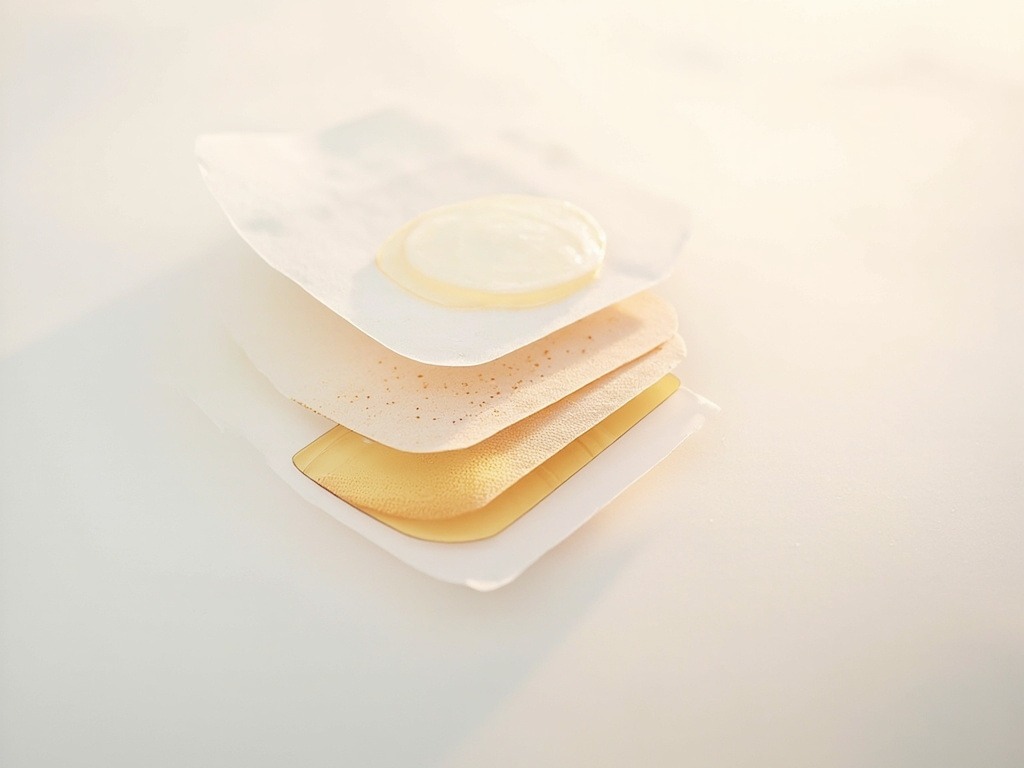
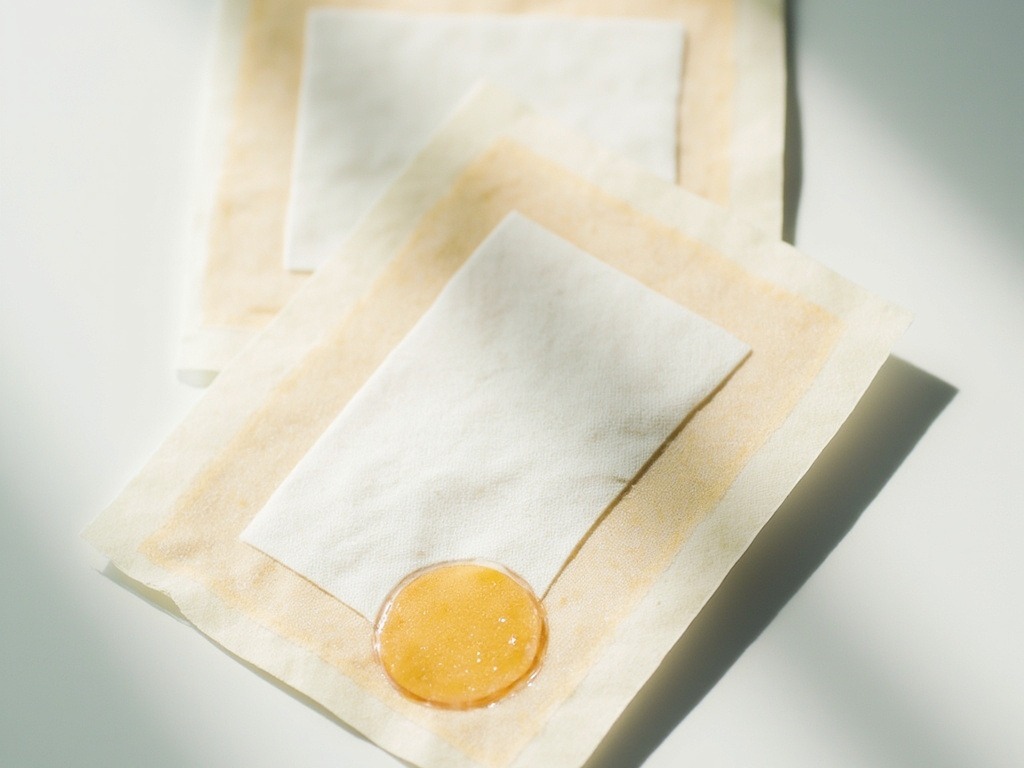
| Backing material | Non-woven fabric + PE film laminate | PU film for tropical climates |
| Adhesive | Medical-grade acrylic with capsaicin-compatible tackifier | Silicone-gel for sensitive skin |
| Capsaicin-load uniformity | CV less than 8% (capsaicin degrades with heat; QC critical) | HPLC verification per batch |
| Wear time claim | 30-120 minutes per session | Custom wear profiles |
| Shelf life | 18-24 months sealed, below 25 degrees C, away from light | Cold-chain logistics if extended |
| MOQ | 50,000 patches (standard concentration) | Lower MOQ for pilot runs available |
| Lead time | 35-50 days after artwork approval | Add 15 days for first production batch |
| Certifications | GMP (NMPA), ISO 13485, CE MDR, US FDA OTC monograph | Site audit on request |
| Packaging | Single-patch foil pouch (light barrier) | Multi-pack cartons |
Capsaicin versus menthol versus methyl salicylate versus lidocaine
Capsaicin is the only ingredient with a sustained-effect mechanism. The other three OTC analgesics (menthol, methyl salicylate, lidocaine) work through continuous receptor engagement and require continuous wear to maintain effect. Capsaicin's substance P depletion produces residual analgesia for 30-60 days after cessation, which is why a 90-day protocol with 30-day rest periods produces more durable pain control than daily menthol or methyl salicylate use.
For B2B buyers building a chronic-pain portfolio, the capsaicin patch fills a niche that menthol and lidocaine cannot: long-term cumulative relief for chronic neuropathic and arthritic conditions. The trade-off is the first-use burning sensation, which requires consumer education and a willingness to tolerate 7-14 days of initiation discomfort.
How to source a private-label capsaicin patch from an OEM factory
- Request sample - order 30-50 patches at 0.025% / 0.05% / 0.075% for in-house wear test. Most factories deliver samples within 7 days for stock concentrations.
- Pilot run (1,000-5,000 pcs) - confirm capsaicin-load uniformity, first-use burning profile, and packaging light-barrier effectiveness.
- Bulk production (10,000+ pcs) - full GMP batch with HPLC-verified capsaicin load, accelerated stability data, and export documentation. Lead time 35-50 days.
Henan Hanmeng Bio-Tech runs all three steps in-house at its GMP-certified facility in Henan, China, with ISO 13485 quality management and full support for FDA OTC monograph, CE MDR, and NMPA filing. Custom capsaicin concentrations, private-label artwork, and clinical-strength variants are available on every production tier.
For the full capsaicin patch spec sheet — including concentration options, current MOQ tiers, and clinical-support documentation — visit the Henan Hanmeng Bio-Tech capsaicin patch OEM page.
CATEGORIES
LATEST NEWS
- Sinew-Bone Pain-Bi Patch Private Label Manufacturer Supply Agreements
- What Hand Mask Custom Packaging Supplier Quotes Overlook
- Kids Herbal Foot Patch Contract Manufacturer: Safety Specifications First
- Mugwort Steam Eye Mask Private Label Manufacturer Readiness Check
- Mugwort Essential Oil Custom Formula Supplier: Formulation Approval Milestones
CONTACT US
QQ: 396269538
Phone: 17796669065
Tel: 17796669065
Email: 396269538
Add: Room 001, 1st Floor, Building 1, Zhengzhou Hangmei International Smart City, Intersection of S102 and Nanquan Road, Xuedian Town, Xinzheng City, Zhengzhou, Henan Province, China