Technological innovation
anti nausea patches prescription
Technological innovation 2026-08-13 10:34:45 105 views admin
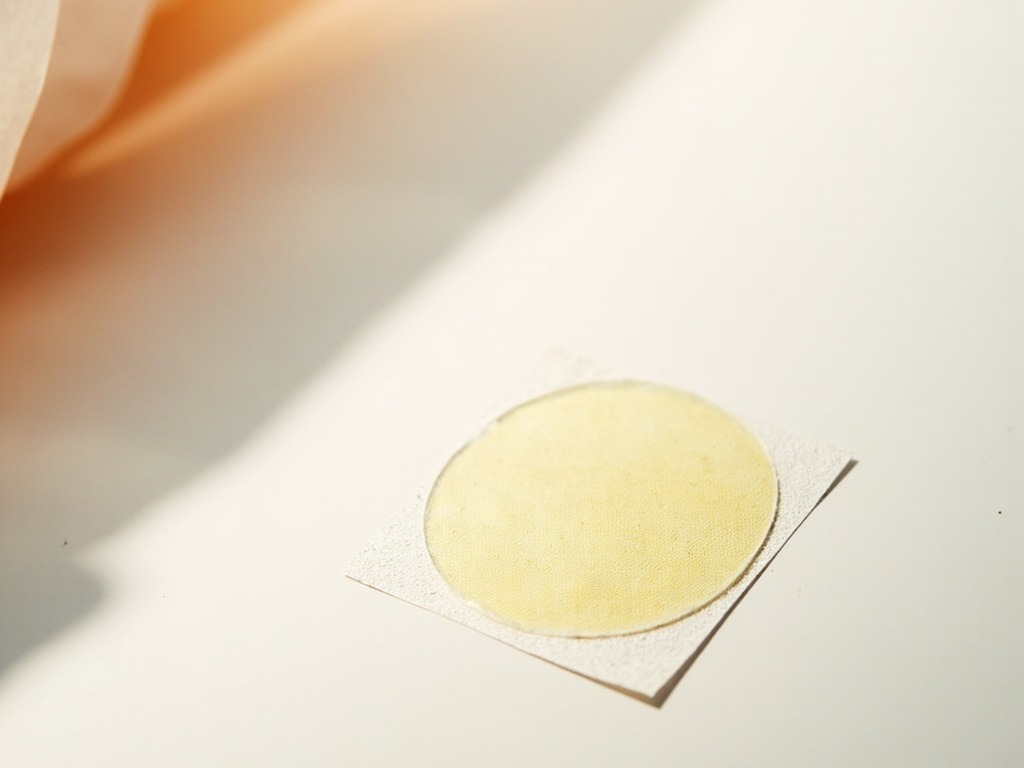
For most buyers, anti nausea patches prescription is the wrong search direction: the patches sold over the counter for travel sickness, jet-lag queasiness, mild situational anxiety, and sleep-onset difficulty are non-prescription wellness products, not pharmaceuticals. A pharmacist or doctor only writes a prescription when the active ingredient is scopolamine at the full antiemetic dose, which is a different category of product and is reserved for chemotherapy-related nausea, postoperative recovery, or severe vestibular conditions. Everything covered below sits in the consumer wellness lane.
Best for: travel nurses flying long-haul with jet lag, parents packing for a road trip with a queasy child, casual cruisers prone to sea sickness, shift workers fighting off sleep-onset trouble from irregular schedules.
Where a wellness patch actually sits in the pharmacy aisle
Walk into a chemist in the UK, a drugstore in the US, or a pharmacy in Singapore, and the shelf that draws the eye is usually split three ways. There is a small OTC section of scopolamine transdermal patches sold behind the counter for motion sickness, and those are the only products that legally answer to the phrase "anti nausea patches prescription" in a strict sense. Everything else on the rack, ginger patches, peppermint oil patches, acupressure bands that look like patches, lavender sleep patches, melatonin polymer patches, is sold as a cosmetic, dietary supplement, or general wellness device, and the active ingredient is delivered through the epidermis or by mechanical pressure rather than by systemic absorption.
The buyer confusion is real. Search engines mix the two because both wear on skin, both calm the stomach, and both end with the word "patch". A useful boundary rule: if the box says "for motion sickness" and lists scopolamine, expect a counter question from the pharmacist. If the box says "wellness, comfort, calm" or "travel companion", expect to walk out the door with it in a plastic bag.
The four scenarios where a non-prescription patch is the right tool
Wellness patches earn their keep in narrow, well-understood situations. The list below is not a marketing grid, it is a practical matrix a buyer can actually use.
- Boat, car, or rollercoaster motion. Ginger-infused polymer patches worn behind the ear or on the inner wrist are the most common consumer option. The ginger essential oil fraction is small (usually under 5 mg per patch), enough to deliver an aroma-therapeutic cue without a pharmacological dose.
- Jet-lag nausea on long-haul flights. Peppermint and lavender combinations dominate this niche. Wear time is short, often 4 to 6 hours, and the patch is removed at landing.
- Mild situational anxiety before a meeting, flight, or scan. Lavender oil or chamomile oil in a hydrogel matrix. The effect is olfactory plus a mild skin warming sensation, not a sedative.
- Sleep-onset difficulty tied to shift work. Patches combining melatonin (in jurisdictions where it is OTC), magnesium glycinate, or valerian root extract. These are sleep aids, not nausea products, but they are sold in the same shelf family and the buyer often picks them up together.
What the patch is doing on your skin
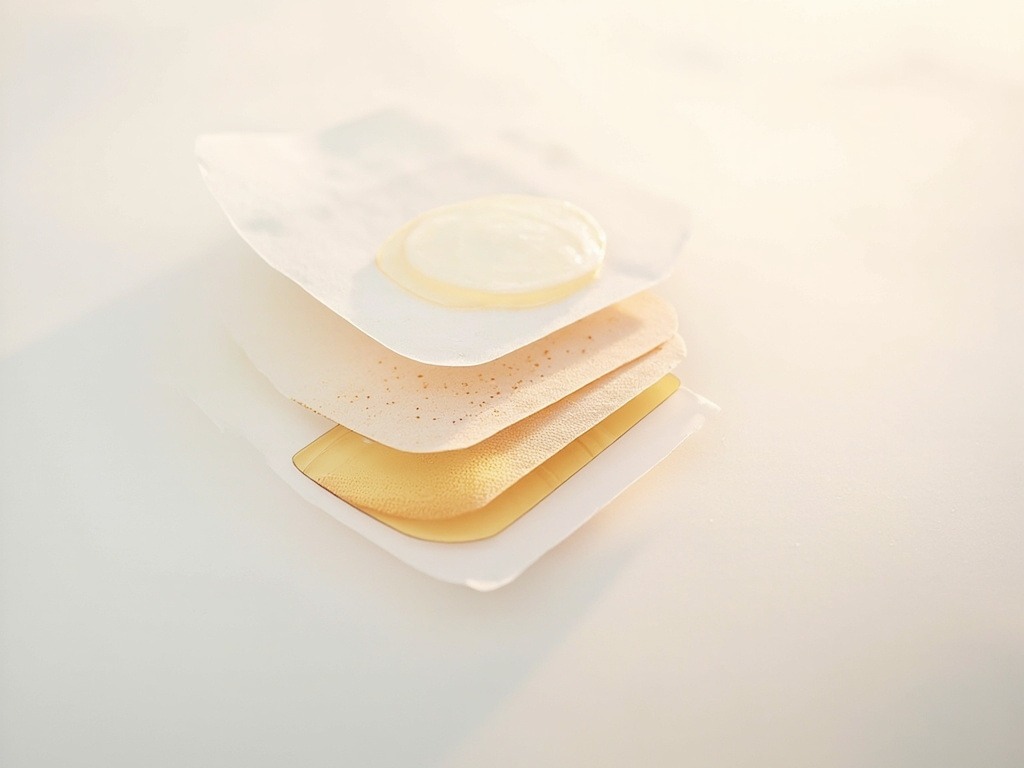
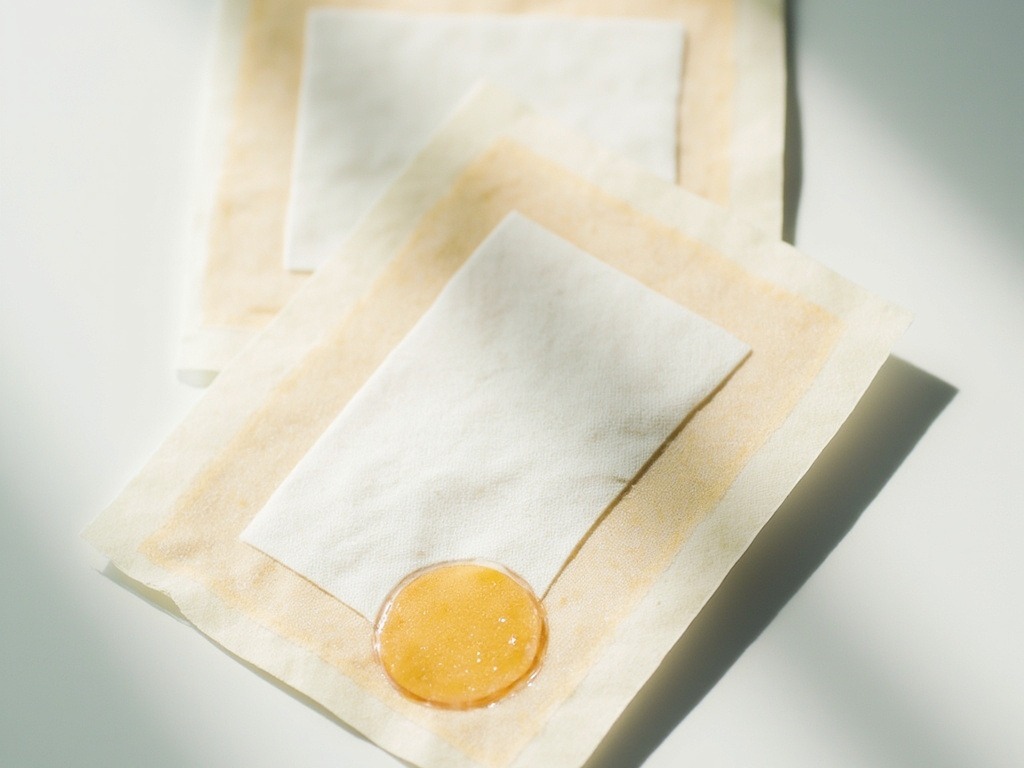
The mechanism is the part the marketing glosses over. A wellness patch is a thin polymer film, often a hydrogel or a pressure-sensitive adhesive, loaded with a low concentration of an essential oil, a botanical extract, or a vitamin. The release is governed by skin temperature and the moisture level of the stratum corneum, the outermost layer of the epidermis. At a normal skin surface temperature of about 32 to 34 degrees Celsius, the volatile fraction of the oil migrates from the matrix into the air just above the skin, where it is inhaled. A smaller fraction is absorbed transdermally, but the dose per hour is far below any pharmacological threshold.
For ginger, the active molecules are gingerols and shogaols, both studied in oral form for digestive comfort. For peppermint, menthol is the carrier. For lavender, linalool and linalyl acetate dominate. None of these are regulated as drugs in the wellness patch format in the US, UK, or EU when the dose stays below cosmetic-supplement thresholds. Anyone claiming a clinical-grade dose for nausea control in a wellness patch is selling a different product.
Where to wear it, and for how long
Placement matters less than the marketing implies, but the conventional sites exist for a reason. The inner wrist has a thin epidermis and a high density of temperature receptors, which is why the volatile release feels noticeable there. The mastoid area, the soft spot just behind the ear, is close to the olfactory epithelium through the nasal passages, so an aroma patch registers quickly. The upper shoulder or the inside of the ankle are alternative sites for people with sensitive wrist skin.
| Symptom | Common placement | Typical wear window | What to expect |
|---|---|---|---|
| Motion (car, boat) | Behind ear, inner wrist | 30 minutes before travel, up to 6 hours | Mild aroma cue, skin warmth |
| Jet lag | Behind ear, temple | 4 to 6 hours during flight | Calming scent, no sedative effect |
| Situational anxiety | Inner wrist, chest | 20 to 60 minutes before event | Slow-release lavender aroma |
| Sleep onset | Inner wrist, upper chest | 30 minutes before bed, max 8 hours | Mild relaxation cue |
A practical rule: do not reuse a patch. Once the volatile load drops below a perceptible level, the patch has done its work, and the adhesive also loses grip.
Safety for pregnancy, children, and sensitive skin
Wellness patches are not drugs, but they are not zero risk either. The skin under a hydrogel for six hours can react, and essential oils at higher concentrations are known skin sensitizers. A short safety checklist before use:
- Patch test first. Apply to the inner forearm for 30 minutes. If redness, itching, or a raised welt appears, the patch is not for you.
- Pregnancy and breastfeeding. Lavender and peppermint oils are widely used in this group, but the data set is thin, and many aromatherapy guides recommend caution in the first trimester. If in doubt, skip the patch and use a wrist band or acupressure device instead.
- Children under six. Most wellness patches are labeled for adults and children over12. For younger kids, the safer route is a paediatric acupressure wristband, sized to their wrist circumference.
- Broken or sunburned skin. Do not apply. The permeability is unpredictable and the sting is real.
- Concurrent medication. Even at cosmetic doses, an essential oil can interact with a topical prescription applied to the same area. Stagger the sites.
Boundary conditions: when the patch is not enough
The honest limitation of a wellness patch is that it is a comfort cue, not a treatment. If nausea lasts more than 24 hours, recurs without an obvious trigger, or comes with fever, severe headache, chest pain, or vomiting that prevents keeping fluids down, the patch should come off and a clinician should be contacted. The same applies to anxiety that disrupts daily function, or sleep trouble that persists for more than two weeks. These are signals that the problem is past the wellness aisle.
There is also a sensory limit. After45 to 60 minutes of continuous exposure to any single aroma, the olfactory receptors fatigue and the perceived effect drops sharply. This is not a tolerance effect, it is biology. Reapplying a second patch to the same site does not restore the benefit, and can over-load the skin.
Brand and format sketch (consumer-only comparison)
The market for non-prescription anti-nausea and sleep patches is fragmented and most SKUs are private-label. Without naming clinical claims or pricing specifics, the comparison points that matter to a buyer are:
Matrix type. Hydrogel patches feel cool on application and are the most common format. Pressure-sensitive adhesive patches sit flatter and survive sweat better, useful for a hot flight or a tropical cruise. Fabric-backed patches are the softest against sensitive skin but tend to peel at the edges after three to four hours.
Active load. Wellness patches labeled "essential oil blend" usually sit in the 1 to 5 mg per patch range. Anything claiming a higher single-ingredient dose should be checked against local cosmetic regulations.
Wear time claim versus tested wear time. A 24-hour wear claim is common on the box. Independent user testing suggests real wear comfort drops after 6 to 8 hours for hydrogel formats and 10 to 12 hours for adhesive formats.
For a buyer who wants a single product across motion, jet lag, and sleep, the most versatile choice is a low-dose ginger and peppermint hydrogel patch sized for the wrist, paired with a separate lavender patch for sleep. Mixing actives on one patch tends to mute both.
What a sensible buyer checklist looks like
Before adding a wellness patch to the basket, run through five quick checks. Confirm the product is sold as a cosmetic or supplement, not a drug. Read the active-ingredient line on the back, not the front-of-box claim. Check the wear window against your use case, six hours for a flight, eight for sleep. Plan the placement site so it does not collide with a watch strap, jewellery, or seatbelt edge. Keep one spare patch sealed in the bag, because humidity in a washbag shortens the aroma life of an opened sachet.
If the goal is genuine pharmaceutical-grade nausea control, the conversation has to move to a clinician and, where appropriate, a scopolamine prescription. For everything else in the consumer wellness lane, the patch is a small, low-risk tool that earns its space in a travel kit or a bedside drawer when the dose, placement, and wear window are matched to the scenario.
For brands exploring private-label or contract manufacturing of hydrogel wellness patches in this category, Henan Hanmeng Bio-Tech's pharmaceutical patch OEM service covers formulation consultation, pilot batch production, and finished-product supply for cosmetic and wellness applications. Specific regulatory clearances and product specifications should be confirmed directly with the manufacturer against the destination market's requirements.
CATEGORIES
LATEST NEWS
- Sinew-Bone Pain-Bi Patch Private Label Manufacturer Supply Agreements
- What Hand Mask Custom Packaging Supplier Quotes Overlook
- Kids Herbal Foot Patch Contract Manufacturer: Safety Specifications First
- Mugwort Steam Eye Mask Private Label Manufacturer Readiness Check
- Mugwort Essential Oil Custom Formula Supplier: Formulation Approval Milestones
CONTACT US
QQ: 396269538
Phone: 17796669065
Tel: 17796669065
Email: 396269538
Add: Room 001, 1st Floor, Building 1, Zhengzhou Hangmei International Smart City, Intersection of S102 and Nanquan Road, Xuedian Town, Xinzheng City, Zhengzhou, Henan Province, China