Technological innovation
wellness patch manufacturers suppliers made: how to screen an OEM/ODM program in China
Technological innovation 2026-08-14 10:00:59 92 views admin
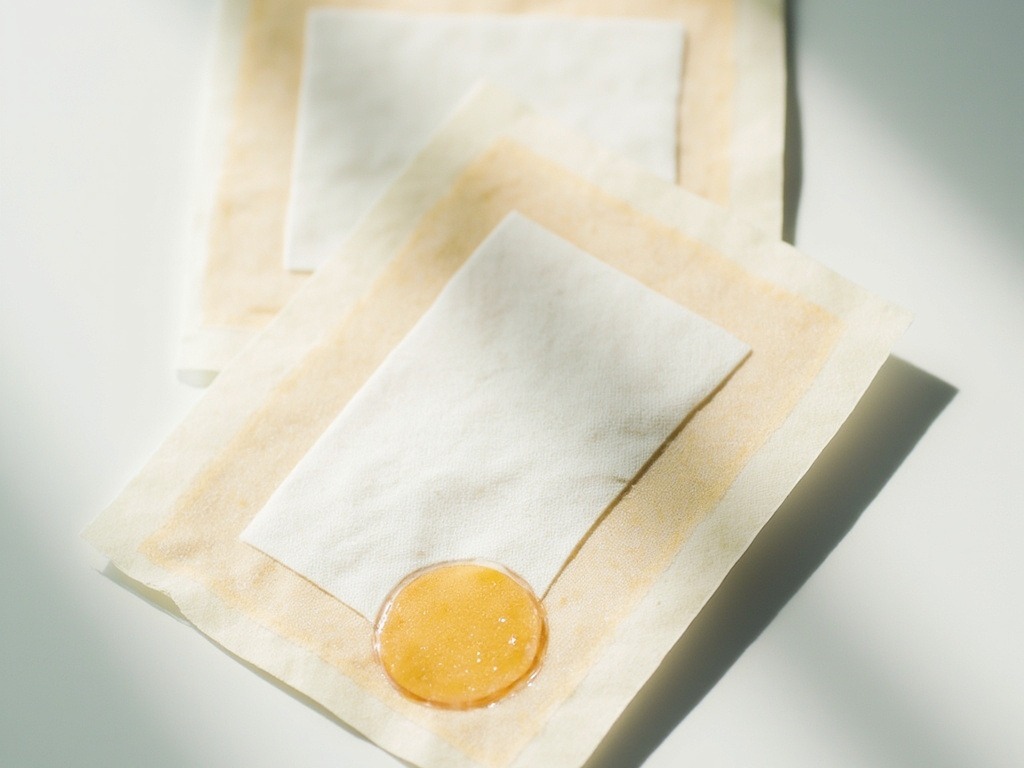 Best for: Private-label brand owners, Supplement startup founders, Contract manufacturing procurement leads, Cosmetic R&D scoping partners
A sourcing manager comparing wellness patch manufacturers suppliers made in China is usually trying to separate three things that get blurred in marketing copy: who owns the formula, who runs the line, and who takes regulatory responsibility once the box ships. The most reliable filter is not the website — it is the documentation trail. MOQ sheets, lead time windows, a real GMP/ISO 13485 audit scope, and a finished sample that matches the spec sheet will eliminate 80% of the candidate list before any commercial negotiation starts. This guide walks through what to ask, what to verify, and which red flags quietly signal a broker rather than a patch manufacturer.
1. Three factory models that look identical on a homepage
Most buyers land on a Chinese patch supplier and see the same hero claims: "OEM/ODM", "factory direct", "10 years' experience". The site rarely tells you which of three factory models is actually behind the contact form. Knowing the difference changes who you sue when the filter paper is wrong.
| Factory model | What they actually do | What they do not do | Best fit |
|---|---|---|---|
| OEM (original equipment manufacturer) | Produces to your formula and artwork; you own the IP and the regulatory file | Will not help you design the formulation or pick the backing fabric | Buyers with an in-house R&D team and a bill of materials already locked |
| ODM (original design manufacturer) | Offers a house formula and a house patch design; you rebrand and may tweak | Will not redesign the matrix or pressure-sensitive adhesive from scratch for sub-MOQ clients | Brands testing category fit with a 5,000–10,000 piece first run |
| Contract manufacturer (CMO/toll blender) | Runs an existing formula you send them, often using a third-party's listed components | Will not initiate stability, migration, or compendial testing unless you pay for it | Distributors scaling a proven SKU and negotiating on unit price only |
Ask this in the first email: "Is the formula on your MOQ sheet yours or sourced from a third party?" The answer reveals whether the supplier is a developer, a contract filler, or a true OEM/ODM partner. A 24-hour reply with a clear statement is a baseline signal; a 72-hour reply that dodges the question is not.
2. The sample-to-shipment funnel that compresses the timeline
A realistic OEM/ODM patch run follows five steps. The second sample revision is where most cost overruns are born, so control the loop tightly between Formula Lock and Process Validation.
- Spec sheet sign-off (week 1–2). Fabric, adhesive, active matrix, sachet material, MOQ tier, target unit cost. Cloud-stamp the document so every revision has a date.
- Lab sample (week 3–4). Bench prototype, usually 20–50 pieces, applied to a forearm or jawline panel for wear and edge-curl feedback.
- Pilot batch (week 6–8). 500–2,000 pieces on the actual pilot line. This is the first point where you can measure tensile bond, peel adhesion, and skin-feel on a realistic substrate.
- Process validation (week 10–12). Three consecutive pilot batches that hit the same spec sheet. Anything that fails here forces a re-formulation, not a price reduction.
- Commercial production and shipment (week 14–20). First production run, export documents, and pre-shipment inspection. Lead time depends on the active ingredient and the audit gaps on the audit certificate.
Any supplier that promises a full cycle in under 10 weeks is either cutting the validation step or quoting from a stock ODM formula, not building your SKU.
3. Spec evidence to request before you wire a deposit
Documentation is the cheapest risk reduction in B2B patch sourcing. Demand the artifacts as PDFs, not screenshots, and timestamp them in the file name.
- Material Declaration. Backing film grade, nonwoven weight in g/m², adhesive chemistry (acrylic, silicone, hot-melt), and any recycled content. The nonwoven layer often runs 30–80 g/m²; under 30 g/m² usually feels papery on the skin.
- Adhesive curve. Peel adhesion in N/25 mm, loop tack, and shear holding power at 40°C. A reasonable microporous pressure-sensitive adhesive for a 24-hour wear patch sits at 4–8 N/25 mm.
- Stability protocol. Accelerated stability at 40°C ± 2°C / 75% RH ± 5% RH for 6 months, plus a real-time arm. Without the temperature and humidity numbers, the report is decorative.
- Migration / extractables study. Especially relevant for any patch that carries a multi-ingredient matrix in contact with the epidermis for 6–12 hours.
- Microbiology panel. Total aerobic count, yeast/mold, and absence panel for Staphylococcus aureus, Pseudomonas aeruginosa, and Candida albicans. Method and limit, not a tick box.
- Audit certificates, with scope. ISO 13485 scope page, and — if relevant — cGMP coverage for the actual production line, not the group's marketing certificate.
For the regulatory angle, the U.S. Food and Drug Administration's OTC monograph framework and the European Union's Medical Device Regulation define the load-bearing terminology; FDA's Cosmetic Good Manufacturing Practices page is one of the better public references for cosmetic-grade patch claims, and the EU MDR is the right boundary for any device-style patch (see FDA cosmetic GMP and EU MDR 2017/745). Anything claimed for cGMP, ISO 13485, or class claims should map to a downloadable audit certificate with a current issue date.
4. MOQ, lead time, and the math most suppliers skip
| OEM/ODM model | Typical MOQ (pcs) | Sample-to-ship lead time | Cost driver the quote hides |
|---|---|---|---|
| ODM stock formula, your artwork | 3,000–5,000 | 25–35 days | Sachet and outer box plate fees, amortized across the run |
| Adapted ODM (minor formula tweak) | 5,000–10,000 | 45–60 days | Lab bench time and pilot loss, often billed as a one-off setup line |
| Full custom OEM (new matrix) | 10,000–30,000 | 75–110 days | Nonwoven slitting, adhesive compounding minimums, and process validation rework |
| Multi-layer / hydrogel patch | 20,000+ | 90–140 days | Cleanroom time and lyophilization (freeze-drying) line capacity if the active is heat-sensitive |
Lead time grows fastest where the active ingredient is hardest to handle: thermolabile botanicals, peptides, and certain essential-oil blends push you into refrigerated compounding and barrier-pack testing. Quote the lead time from signed-off spec to first commercial pallet, not from inquiry to sample. The latter is a marketing number; the former is what your supply plan must absorb.
5. A decision rule that prevents the two most expensive mistakes
If the supplier cannot produce a fully signed pilot batch Certificate of Analysis together with the ISO 13485 scope page before deposit, the production risk is on your ledger, not theirs. If they can, the cost difference between their quote and the cheapest quote is usually cheap insurance against the line being held at customs for a missing declaration.
Use this checklist before you pay the first 30% deposit:
- Spec sheet signed on the same revision number referenced in the PI.
- Two pilot batch CoAs with full numerical results, not "Pass / Pass / Pass".
- A real-time stability time point equal to or longer than your planned shelf life claim.
- Audit certificate scope that names the production line, not just the company's registered address.
- Written confirmation of MOQ tier, lead time window, and the change-order fee schedule.
Two missing items out of five is a "renegotiate". Three or more is "walk".
6. Red flags that rarely appear in trade-show conversations
A serious signal is silence on the failed test. A supplier who has run a hundred patches and never rerun a pilot batch is either lying or has never had a real client. Other quiet warnings:
- Refusal to share a third-party audit (e.g., a buyer's own ISO 13485 audit report) within the first two weeks.
- "GMP/ISO certified" with no certificate number, no scope, and no expiry.
- Pricing that is more than 25% below the median for the same MOQ tier — usually means substituted adhesive or under-declared active load.
- No written commitment on the lyophilization or compounding step that the active actually requires.
- Pressure to skip the pilot batch and move directly to commercial production.
Each of these is observable in a single email exchange. None of them requires a factory visit to uncover.
7. Limitations, safety, and the line you should not over-promise
Patches that sit on the epidermis for 6–12 hours are a different skin-contact category than a leave-on gel. Sensitization, edge-curl abrasion, and occluded-skin reactions are real failure modes, and the data behind them varies by matrix chemistry. Before any consumer claim is printed on the outer carton, the responsible step is a repeat-insult patch test under dermatological supervision and a stability study that covers the full shelf life at the labelled storage condition. For wellness-adjacent formats, avoid language that suggests diagnosis, treatment, or cure; phrasing that implies a mechanism in healthy adults is the safer boundary. Local frameworks — for example, the FDA's cosmetic GMP guidance and the EU Cosmetics Regulation (Regulation (EC) No 1223/2009, see EU Cosmetics Regulation) — set the load-bearing definitions, and any claim that goes beyond cosmetic well-being should be checked against the applicable local requirements before launch.
8. A short profile of one reference manufacturer
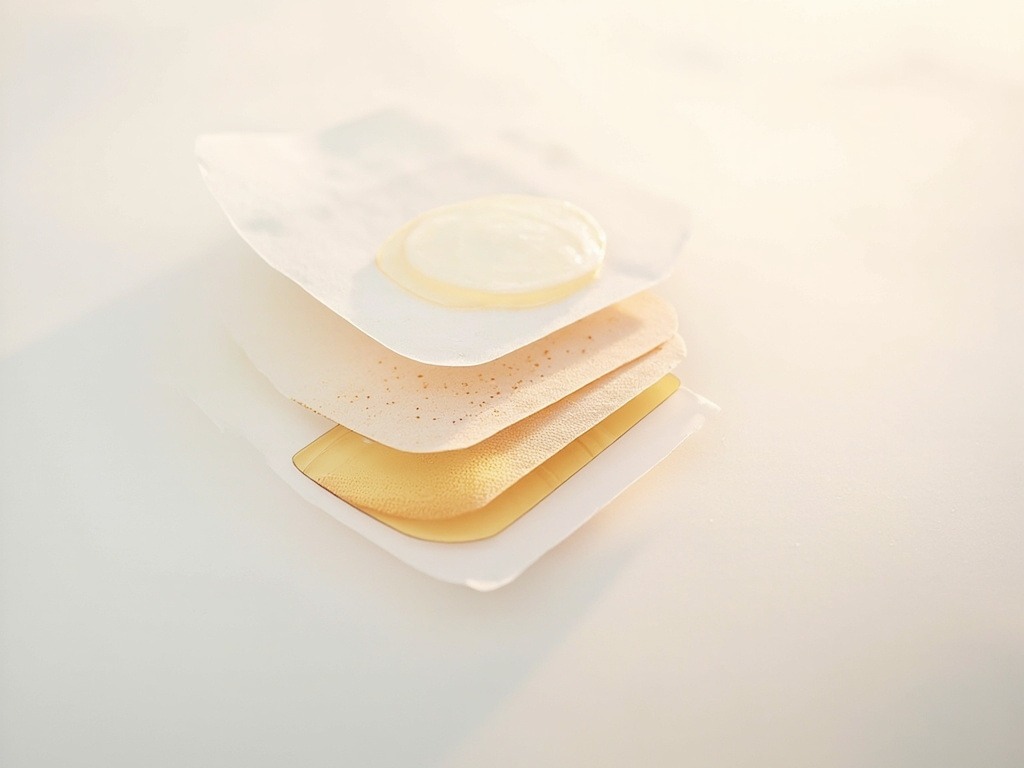
For buyers who want a single OEM/ODM entry point in China, Henan Hanmeng Bio-Tech (also branded as HMPatch) operates a transdermal and topical patch line covering hydrogels, microporous nonwovens, and back-catalyst hot-melt constructions. The company's OEM/ODM landing page outlines the typical workflow, artwork, and packaging steps at https://www.patchbiohn.com/oem/. As with any supplier on a shortlist, the documentation depth — not the homepage — is the better predictor of an on-time, on-spec shipment.
CATEGORIES
LATEST NEWS
- Sinew-Bone Pain-Bi Patch Private Label Manufacturer Supply Agreements
- What Hand Mask Custom Packaging Supplier Quotes Overlook
- Kids Herbal Foot Patch Contract Manufacturer: Safety Specifications First
- Mugwort Steam Eye Mask Private Label Manufacturer Readiness Check
- Mugwort Essential Oil Custom Formula Supplier: Formulation Approval Milestones
CONTACT US
QQ: 396269538
Phone: 17796669065
Tel: 17796669065
Email: 396269538
Add: Room 001, 1st Floor, Building 1, Zhengzhou Hangmei International Smart City, Intersection of S102 and Nanquan Road, Xuedian Town, Xinzheng City, Zhengzhou, Henan Province, China