Industry news
Do Pimple Patches Work? A Straight Answer for Acne Sufferers
Industry news 2026-08-17 09:30:45 157 views admin
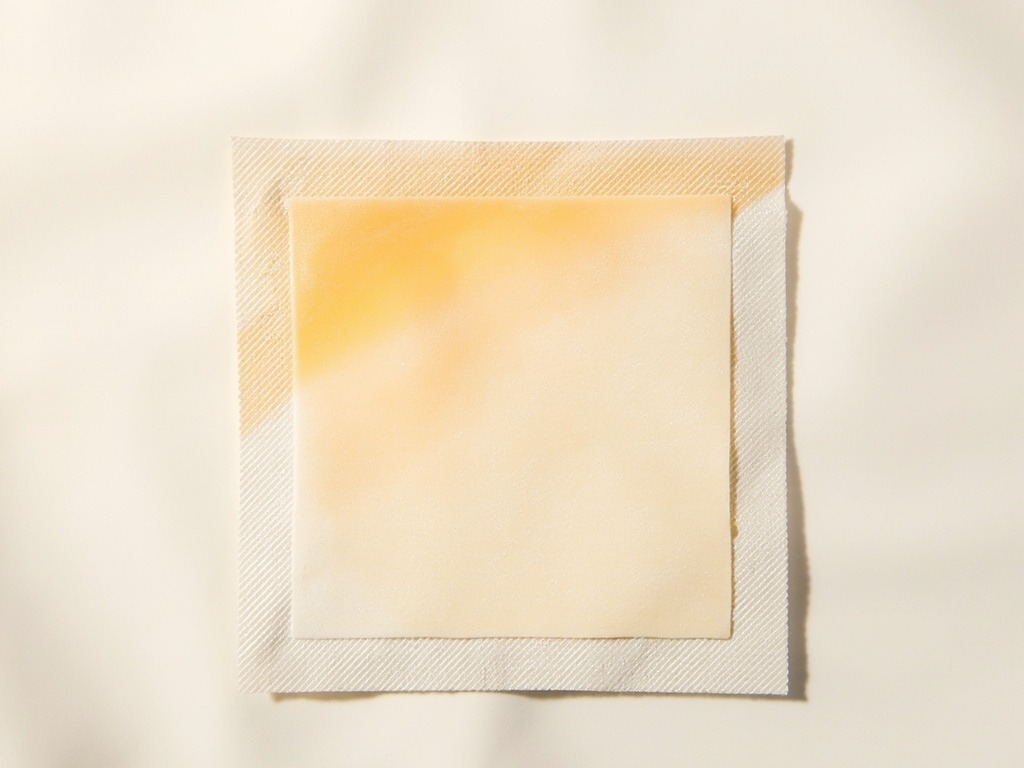
Best for: teens with sudden whiteheads, adults with hormonal jawline breakouts, anyone choosing between hydrocolloid, microneedle, and salicylic acid options on a drugstore shelf.
Yes — most pimple patches do something measurable, but what they do depends almost entirely on which type you put on the blemish. A hydrocolloid patch absorbs fluid, reduces friction, and keeps the area clean while a whitehead drains on its own. A microneedle patch delivers small-molecule actives a few hundred micrometres below the stratum corneum, which is the outermost skin layer, into a pimple that has not yet surfaced. A medicated patch with salicylic acid or similar ingredients targets the lesion over several hours of contact. None of them will erase a deep cystic nodule overnight, and none replace a dermatologist's plan for severe acne. The job of a patch is narrower: shorten the visible life of a fresh blemish, protect it from touching and bacteria, and keep your hands off your face.
What the three patch types actually do
Walk into any chemist and you will see three families of stickers. They look similar in the box but they behave differently on the skin.
Hydrocolloid patches are wound dressings borrowed from post-operative care. The gel layer pulls out trans-epidermal water and pus, forms a small white bubble under the film, and acts as a moist barrier that stops you from squeezing. The mechanism is physical, not chemical, so it works best on open or freshly lanced whiteheads where there is fluid to absorb.
Microneedle patches use arrays of dissolving tips, usually made from hyaluronic acid or a polymer blend, each one shorter than 500 µm. Those tips penetrate just past the stratum corneum and release actives directly into the epidermis, the living layer beneath. Studies on similar microneedle systems have measured delivery into skin tissue that topical smears cannot reach, which is why these patches are marketed for early, hard, unpoppable bumps.
Medicated patches are thin films loaded with ingredients such as salicylic acid, niacinamide, tea tree oil, or low-dose retinoid derivatives. The film holds the active against the skin for hours, so absorption is greater than a quick wash-off toner. They are closer to a topical treatment in disguise than to a dressing.
Matching the patch to the blemish
The single biggest buying mistake is choosing the wrong format for the wrong lesion. A patch cannot fix a mismatch between the problem and the tool.
| Patch type | Best lesion type | What it does well | Where it disappoints |
|---|---|---|---|
| Hydrocolloid | Open or freshly expressed whitehead, surface papule | Absorbs fluid, blocks touching, shows visible white dot | Closed comedone with no head, deep cystic nodule |
| Microneedle | Early closed bump, papule under 3 mm, "I can feel it coming" spot | Drives actives past the stratum corneum in 2–6 hours | Mature whitehead already draining |
| Medicated (salicylic acid 0.5–2%) | Mild inflammatory papule, post-pick redness | Slow keratin-unclogging and antibacterial contact over 6–10 hours | Severe cystic acne, allergy-prone skin around the mouth |
A useful boundary rule: if you can see a white head, reach for hydrocolloid. If you can feel a bump but nothing has surfaced, reach for microneedle. If a blemish is red, mildly sore, and wider than 5 mm, a salicylic acid patch worn overnight is a reasonable trial. Anything deeper, more painful, or persistent past two weeks belongs in a dermatology appointment, not on a sticker.
Wear time, replacement, and what the colour tells you
Most hydrocolloid patches are designed for 6–12 hours of wear, which means overnight for the average user. After that the gel is saturated and the barrier function falls off. Microneedle patches dissolve on their own inside about 2–6 hours, so replacement is rarely needed. Medicated patches usually recommend 6–10 hours per piece.
You will see the hydrocolloid turn from clear to a milky white in the centre. That is the absorbed exudate, and it is the main signal that the patch did its job. If you peel one off in the morning and the centre is still transparent, the blemish probably did not have enough fluid to draw out, which is normal for closed comedones and does not mean the product failed.
- Change a hydrocolloid patch once it looks fully white or after 12 hours, whichever comes first.
- Do not stack patches on top of each other to "extend" wear; the second layer will not adhere well and will trap bacteria.
- Always cleanse the area with a gentle, non-comedogenic cleanser before applying, and skip thick creams in the spot zone so the adhesive can seal.
Reading the ingredient list without falling for marketing
Ingredient labels on acne patches tend to be short, which is good, because it means each one matters.
- Hydrocolloid itself is usually listed as carboxymethylcellulose or a similar gel-forming polymer. No fragrance or alcohol should be present in a quality product.
- Microneedle patches will list the dissolvable matrix, often sodium hyaluronate or a PVP-based polymer, plus the active they carry.
- Medicated patches will name the active and its percentage. Look for salicylic acid in the 0.5% to 2% range. Anything higher is more likely to irritate perilesional skin, which is the ring of healthy skin right next to the blemish.
Avoid patches that hide their active behind a proprietary blend with no breakdown. Avoid "herbal" patches that list twenty plant extracts but no quantified active. They may feel soothing but they will not behave predictably, and acne-prone skin does not need surprise fragrance.
Four habits that make patches fail
The patch is rarely the weak link. The user is. These four patterns show up again and again in consumer reviews and in dermatology clinic conversations.
First, applying over makeup or sunscreen. The adhesive will lift within an hour and the active, if any, will not reach the skin in a reliable dose. Second, putting a patch on a freshly squeezed wound that is still bleeding. Hydrocolloid can handle this, but a medicated patch will sting and may push irritant deeper. Third, expecting one patch to flatten a deep cystic nodule. Cystic lesions sit below the patch's effective depth and usually need a clinician-administered corticosteroid injection or a prescribed retinoid course. Fourth, wearing the same patch into the shower or the gym. Steam and sweat both break the seal faster than the label suggests.
Cost per wear and a small buying rule
Price per patch varies wildly, from about fifteen cents for a drugstore hydrocolloid dot to over two dollars for a single microneedle sticker. Cost-per-wear is a more honest number than price per box. A hydrocolloid patch used once per whitehead, on average one or two per breakout, is cheap insurance against picking. A microneedle patch used once on the worst early bump is a premium spend but can shorten a breakout by a day or two. A medicated patch sits in between and is worth keeping on hand for red, persistent papules that hydrocolloid alone does not touch.
A simple buying rule: keep one box of hydrocolloid dots in the bathroom at all times, treat that as your everyday tool. Add a small pack of microneedle patches for the "I can feel it brewing" moment. Reach for a salicylic acid patch only when you have already tried the first two and the lesion is still red after 48 hours. This sequence covers roughly eight out of ten breakouts without over-spending.
Side effects, skin types, and when to stop
Most users tolerate patches well because the contact area is tiny. The real risks are local. Adhesive irritation shows up as a red ring around the patch border, distinct from the blemish itself, and tends to hit people who already react to medical tape. Microneedle patches can leave a faint grid of pinpoint marks that fades within a day. Medicated patches with salicylic acid can dry out the surrounding skin, especially under heavy foundation or in cold, dry climates.
Stop using a patch family if you see any of the following: spreading redness beyond the patch edge, small blisters, intense itching, or a rash that lingers after the patch is removed. These are signs of contact dermatitis, not acne, and they need a different treatment path. Patch products are not recommended on broken skin that is actively bleeding, on moles, or on suspected cystic acne larger than 1 cm across. For acne that is severe, scarring, or hormonally driven, a dermatologist can offer prescription retinoids, benzoyl peroxide combinations, or in-office procedures that a sticker cannot replicate.
What to do tonight, in order
Cleanse the skin with a mild, fragrance-free cleanser and pat dry. Identify the lesion: whitehead, closed bump, or sore red papule. Apply the matching patch type, press for five seconds to seal the edges, and leave it on for the recommended window. In the morning, check the centre of the hydrocolloid for a white dot, or look for reduced swelling under a microneedle or medicated patch. Re-evaluate after 24 to 48 hours. If nothing has changed, switch format or book a professional consultation.
That sequence turns a confusing shelf of dots and stickers into a small, repeatable protocol you can run from your bathroom mirror without overthinking it.
For readers comparing patch formats at the brand or private-label level, manufacturers such as Henan Hanmeng Bio-Tech supply OEM pimple patch options across hydrocolloid, microneedle, and salicylic acid formats, with documented capabilities covering hydrocolloid dressing production, microneedle tip moulding, and finished-pack filling under one facility. Spec sheets, MOQ, lead time, and ingredient ranges are available on request from the manufacturer; check the applicable local requirements for any regulatory classification before importing or reselling.
CATEGORIES
LATEST NEWS
- Sinew-Bone Pain-Bi Patch Private Label Manufacturer Supply Agreements
- What Hand Mask Custom Packaging Supplier Quotes Overlook
- Kids Herbal Foot Patch Contract Manufacturer: Safety Specifications First
- Mugwort Steam Eye Mask Private Label Manufacturer Readiness Check
- Mugwort Essential Oil Custom Formula Supplier: Formulation Approval Milestones
CONTACT US
QQ: 396269538
Phone: 17796669065
Tel: 17796669065
Email: 396269538
Add: Room 001, 1st Floor, Building 1, Zhengzhou Hangmei International Smart City, Intersection of S102 and Nanquan Road, Xuedian Town, Xinzheng City, Zhengzhou, Henan Province, China