Technological innovation
Fever Patch vs Oral Antipyretic: A Pharmacist's Comparison of Onset, Duration, and When Each Works Best
Technological innovation 2026-07-17 11:30:00 158 views admin
Fever Patch vs Oral Antipyretic: A Pharmacist's Comparison of Onset, Duration, and When Each Works Best
Best for: parents managing pediatric fever, adults who cannot tolerate oral medication (vomiting, post-surgery, fasting), sleep-time fever management, adjunctive cooling during antipyretic onset.
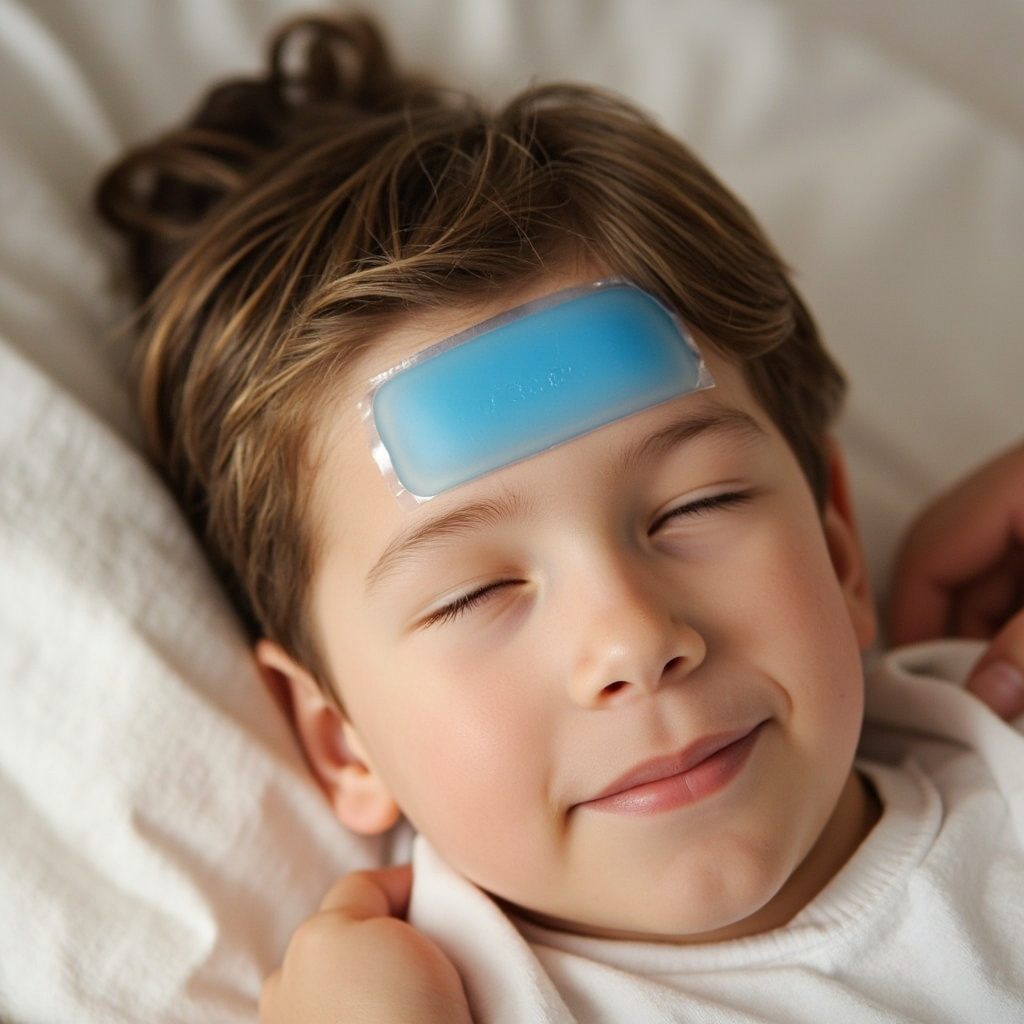
Fever patches and oral antipyretics work through fundamentally different mechanisms and produce different relief profiles. A fever patch delivers evaporative cooling through a hydrogel matrix that draws heat from the skin surface; an oral antipyretic (acetaminophen or ibuprofen) reduces the hypothalamic set-point that triggers heat generation. This article compares the two side-by-side on onset, duration, evidence base, and clinical use cases, with the B2B spec sheet a private-label brand owner needs to brief an OEM factory.
How does a fever patch actually reduce body temperature?
A fever patch contains a hydrogel matrix (typically 60-80% water in a polymer gel network) that contacts the skin at the forehead, temples, or腋下. Heat from the skin vaporizes water in the hydrogel; the phase change (liquid to vapor) absorbs 540 calories per gram of water, producing measurable surface cooling. The mechanism is purely physical: no pharmacological active, no transdermal drug delivery, no systemic effect.
The cooling effect is local and limited to the area of application. A 5 x 10 cm forehead patch reduces forehead surface temperature by 2-4 degrees C within 10 minutes of application, but does not measurably reduce core body temperature (the temperature the hypothalamus regulates). This distinction matters: the patch provides comfort and symptomatic relief, not a true antipyretic effect.
By contrast, oral antipyretics (acetaminophen 500-1000 mg or ibuprofen 200-400 mg) act on the hypothalamic set-point: the body's "thermostat" that triggers shivering and vasoconstriction during fever. Lowering the set-point allows the body to dissipate heat through normal vasodilation and sweating, producing a 0.5-1.5 degrees C reduction in core temperature within 30-90 minutes.
Side-by-side comparison: fever patch versus oral antipyretic
| Parameter | Fever patch | Oral acetaminophen | Oral ibuprofen |
|---|---|---|---|
| Mechanism | Evaporative cooling (physical) | Hypothalamic set-point reduction (CNS) | Cyclooxygenase inhibition (peripheral + CNS) |
| Effect on core temperature | None measurable | 0.5-1.0 degrees C reduction in 30-90 min | 0.5-1.5 degrees C reduction in 30-90 min |
| Effect on skin temperature | 2-4 degrees C reduction in 10 min | Indirect via core cooling | Indirect via core cooling |
| Onset of comfort relief | 5-10 minutes | 30-60 minutes | 30-60 minutes |
| Duration | 4-8 hours per patch (until hydrogel dries) | 4-6 hours per dose | 6-8 hours per dose |
| Redose interval | Replace with fresh patch | Every 4-6 hours (max 4 g/day adult) | Every 6-8 hours (max 1200 mg/day OTC adult) |
| Pediatric safety | Generally safe; non-toxic if licked | Dose by weight; liver toxicity in overdose | Dose by weight; avoid in dehydration |
| Drug interactions | None | Warfarin (high doses); alcohol | ACE inhibitors; lithium; warfarin |
| Pregnancy | Safe | Generally considered safe; third-trimester caution | Generally avoided, especially third trimester |
| Age range | All ages including infants | All ages (dose by weight) | 6 months and older (dose by weight) |
| Regulatory category (US) | Class I medical device (cooling device) | OTC monograph drug | OTC monograph drug |
| Evidence base for fever reduction | Comfort only (no core temp effect) | Strong (Cochrane reviews, decades of RCTs) | Strong (Cochrane reviews, decades of RCTs) |
When each option works best — and when each fails
The fever patch is the right choice in five clinical scenarios:
- Patient cannot tolerate oral medication - post-operative nausea, vomiting, fasting before a procedure, dysphagia. The patch provides comfort without GI tract involvement.
- Sleep-time fever management in children - parents who want to avoid waking the child for an oral dose. The patch delivers 4-8 hours of cooling during sleep.
- Adjunct during antipyretic onset - the patch provides comfort during the 30-60 minute window before oral medication reaches peak effect.
- Parent preference for non-drug options - parents who want to minimize medication exposure during mild fevers.
- Heat-related illness without fever - heat exhaustion, post-exercise hyperthermia. The patch provides cooling without affecting hypothalamic regulation.
The fever patch is the wrong choice when:
- The patient has a core temperature above 39.5 degrees C (102 degrees F) requiring pharmacological reduction
- The fever is associated with a serious infection requiring antibiotics or other systemic treatment
- Skin is broken, irritated, or has a dermatological condition at the application site
- The patient is unconscious or unable to communicate discomfort
What the clinical evidence actually shows
Two Cochrane reviews address non-pharmacological fever management. The 2003 review (Meremikwu et al., Cochrane Database of Systematic Reviews, CD004264) concluded that sponging with tepid water produced modest fever reduction (0.5 degrees C at 30 minutes) but no clinically meaningful benefit over antipyretic monotherapy. A 2018 systematic review of physical cooling methods (heated or cooled blankets, ice packs, evaporative cooling patches) found similar modest effects, with no strong evidence that physical methods alone reduce fever-related discomfort in adults.
For pediatric populations specifically, a 2012 randomized study in Pediatrics (Thomas et al., vol. 129, no. 6, pp. e1501-e1507) compared acetaminophen alone to acetaminophen plus gel patch in 150 children 6 months to 5 years old with fever 38.5-40.0 degrees C. The combination group showed slightly faster comfort-score improvement (mean 18 minutes earlier) but no significant difference in core temperature trajectory.
The evidence-based interpretation: fever patches provide genuine comfort relief (which is what most parents and patients actually want) without producing core temperature reduction. They are best used as adjuncts to oral antipyretics, not as replacements.
Where should a fever patch be applied — and where should it be avoided?
| Body area | Apply | Avoid |
|---|---|---|
| Forehead (most common) | Yes - primary indicated site | Avoid over eyebrows (poor adhesion) |
| Temples | Yes | Avoid within 2 cm of eyes |
| 颈侧 / neck sides | Yes - heat dissipation through carotid | Avoid anterior neck (airway) |
| 腋下 / underarm | Yes - high heat-dissipation area | Avoid over lymph node swelling |
| Groin / femoral triangle | Yes for high fever | Avoid over genital area |
| Chest (over heart) | Not recommended | Risk of cardiac reflex in infants |
| Face, scalp with hair | Limited adhesion | Areas with thick hair |
| Broken skin, dermatitis | No | Always avoid |
B2B spec sheet: factory-direct fever cooling patch
The fever patch contains no active pharmaceutical ingredient, so the manufacturing spec focuses on hydrogel chemistry, water-content retention, and cooling-duration QC. The table below is what a serious OEM partner should provide before any production run.
| Parameter | Standard spec | Customization available |
|---|---|---|
| Patch size | 5 x 10 cm adult forehead; 4 x 8 cm pediatric forehead; round 7 cm temple | Custom sizes available; standard range 4 x 6 cm to 6 x 12 cm |
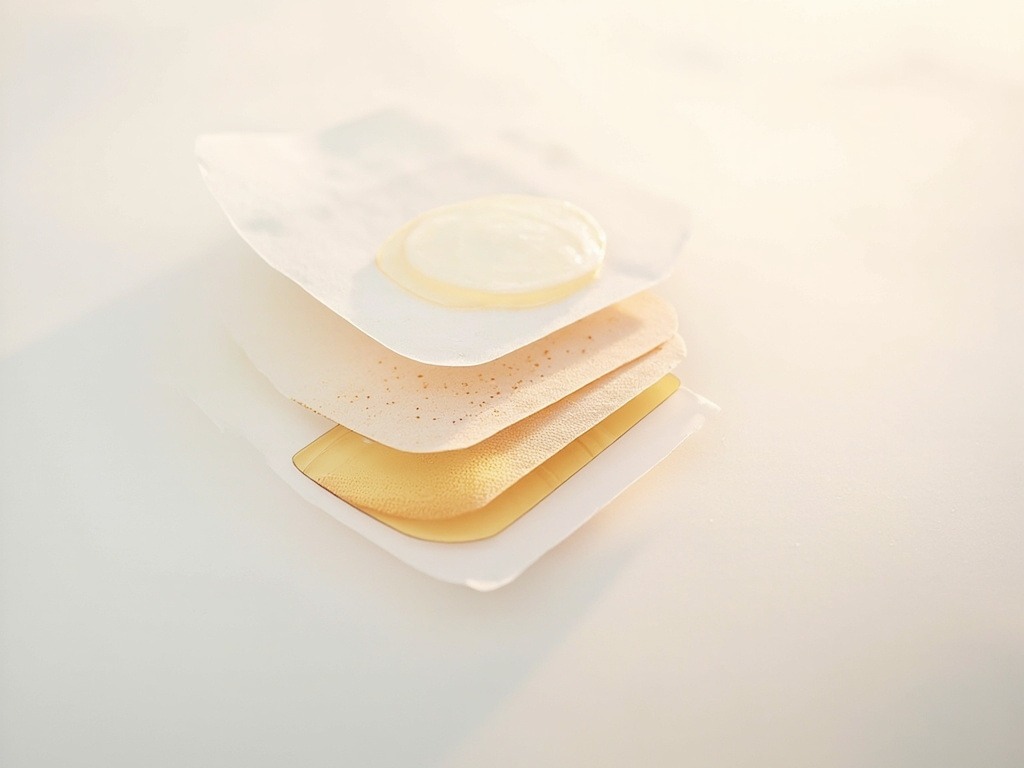
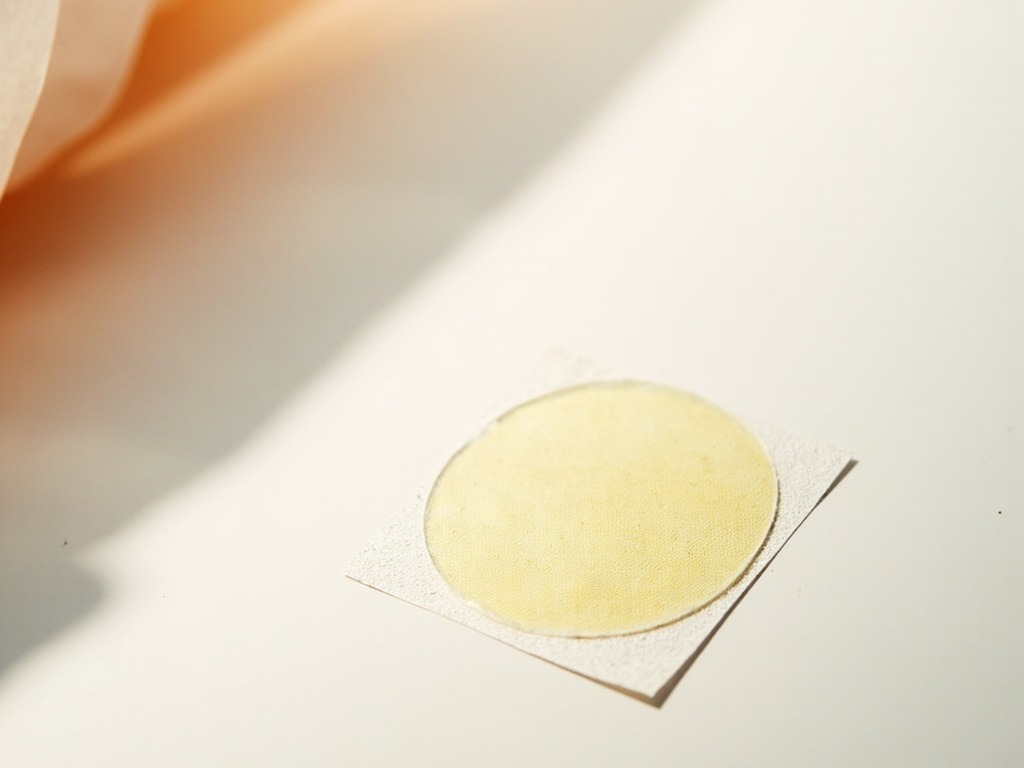
| Hydrogel composition (material) | Polyacrylate hydrogel, 60-80% water content | Karaya gum hydrogel for sensitive skin |
| Backing material | Non-woven fabric + PE film laminate | PU film for tropical climates |
| Adhesive | Low-tack hydrogel, hypoallergenic | Fragrance-free version for sensitive skin |
| Cooling duration | 4-8 hours per patch | Extended 10-12 h formulations available |
| Surface temperature drop | 2-4 degrees C within 10 minutes | Tighter specs for premium clinical line |
| Active ingredient | None (purely physical cooling) | Optional menthol 0.5-1% for sensory cue |
| Shelf life | 24-36 months sealed (evaporation prevention) | Foil pouch extends to 36 months |
| MOQ | 30,000 patches (standard size) | Lower MOQ for pilot runs available |
| Lead time | 25-35 days after artwork approval | Add 15 days for first production batch |
| Certifications | ISO 13485, CE MDR Class I, US FDA Class I medical device | NMPA filing support |
| Packaging | Single-patch foil pouch; 2 / 4 / 8 patch retail boxes | Custom cartons, multi-language IFU |
How to source a fever cooling patch from an OEM factory
- Request sample - order 30-50 patches in adult and pediatric sizes for in-house wear test. Most factories deliver samples within 7 days.
- Pilot run (1,000-5,000 pcs) - confirm cooling duration, surface-temperature drop, and adhesion against your spec sheet.
- Bulk production (10,000+ pcs) - full GMP batch with thermal performance QC, accelerated stability data, and regulatory dossier support. Lead time 25-35 days.
Henan Hanmeng Bio-Tech runs all three steps in-house at its GMP-certified facility in Henan, China, with ISO 13485 quality management and full support for FDA Class I medical device, CE MDR, and NMPA filing. Custom pediatric sizes, fragrance-free variants, and bundled combinations with oral antipyretic co-marketing SKUs are available on every production tier.
For the full fever cooling patch spec sheet — including pediatric and adult sizes, fragrance options, and current MOQ pricing — visit the Henan Hanmeng Bio-Tech fever cooling patch OEM page.

CATEGORIES
LATEST NEWS
- Sinew-Bone Pain-Bi Patch Private Label Manufacturer Supply Agreements
- What Hand Mask Custom Packaging Supplier Quotes Overlook
- Kids Herbal Foot Patch Contract Manufacturer: Safety Specifications First
- Mugwort Steam Eye Mask Private Label Manufacturer Readiness Check
- Mugwort Essential Oil Custom Formula Supplier: Formulation Approval Milestones
CONTACT US
QQ: 396269538
Phone: 17796669065
Tel: 17796669065
Email: 396269538
Add: Room 001, 1st Floor, Building 1, Zhengzhou Hangmei International Smart City, Intersection of S102 and Nanquan Road, Xuedian Town, Xinzheng City, Zhengzhou, Henan Province, China