Technological innovation
Migraine Patches: 6 Use Cases With Published Evidence, 4 Use Cases Where the Evidence Is Weak, and 8 Things to Check on the Label Before You Buy
Technological innovation 2026-07-18 01:47:34 130 views admin
Migraine Patches: 6 Use Cases With Published Evidence, 4 Use Cases Where the Evidence Is Weak, and 8 Things to Check on the Label Before You Buy
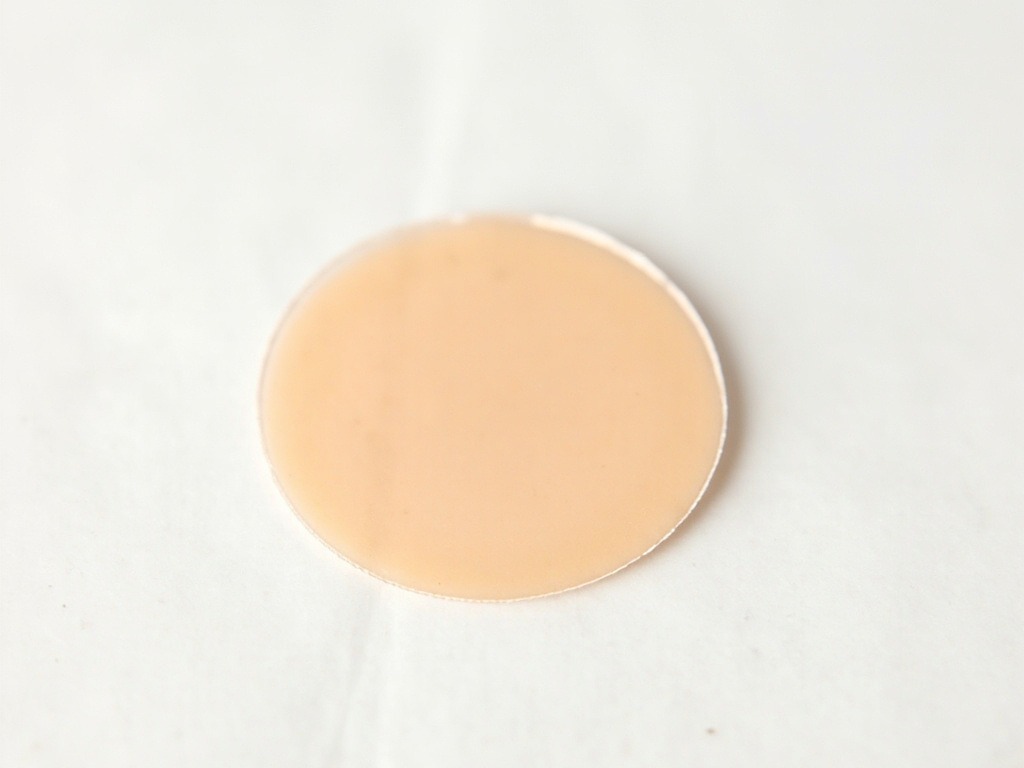
Best for: adult episodic-migraine patients (≤4 attacks/month) seeking a non-oral adjunct; B2B buyers sourcing OTC transdermal anti-migraine SKUs; formulators comparing peppermint-oil, menthol, capsaicin, and ginger patches against triptans and CGRP antagonists for clinical-positioning copy.
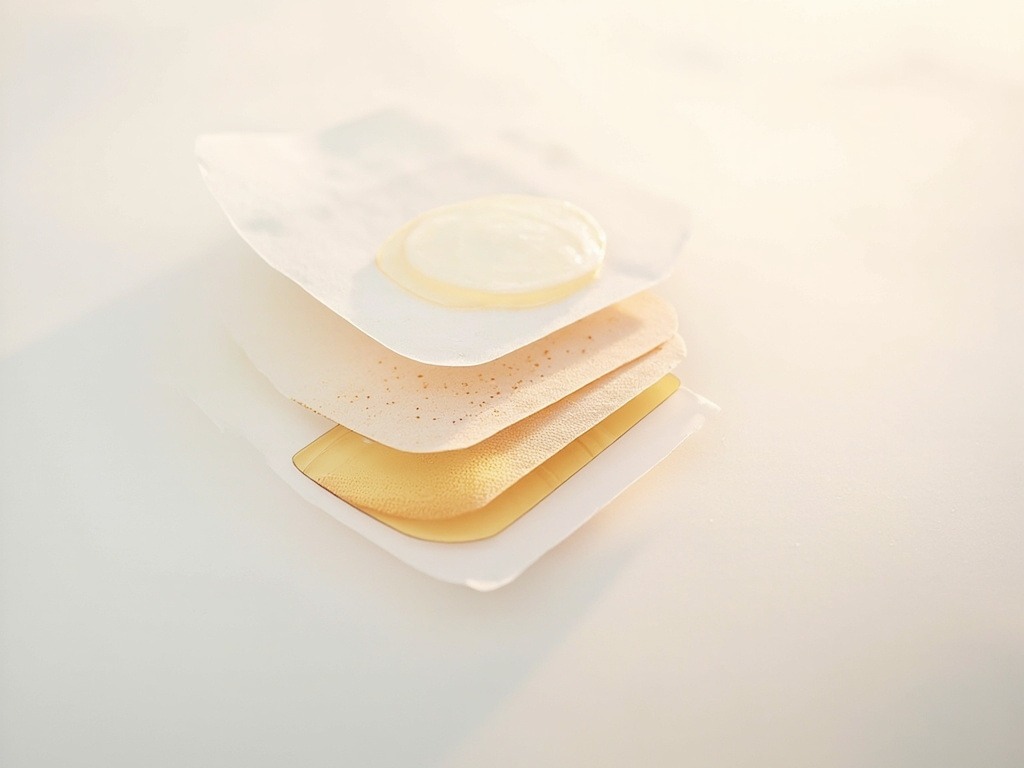
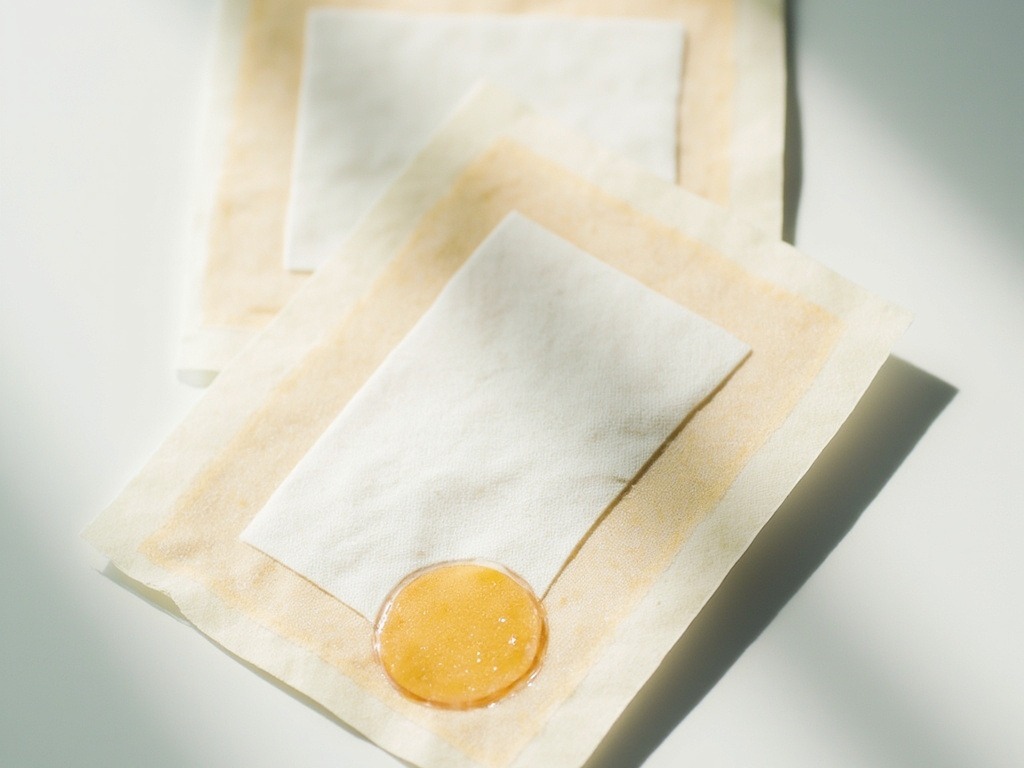
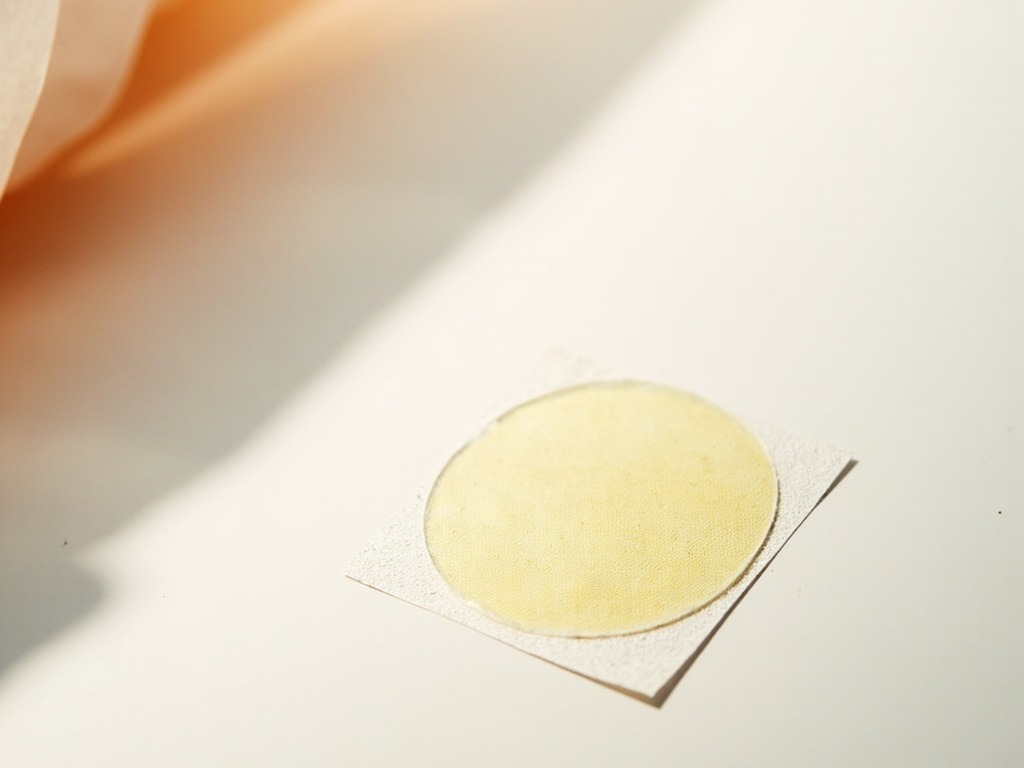
A migraine transdermal patch is a topical adhesive device that delivers a counter-irritant, vasoconstrictive, or anti-emetic drug through the skin to one of three target sites — the forehead, the temple, or the post-auricular mastoid area. The category is heterogeneous: no US FDA approval has been issued for a patch labelled specifically for migraine abortive therapy as of mid-2026, and clinical evidence varies widely by ingredient. This article walks through six application scenarios where peer-reviewed or randomized evidence supports the patch route, four scenarios where the marketing copy runs ahead of the data, and eight manufacturing or labeling specifications that B2B buyers should require from an OEM supplier before signing a private-label agreement.
What does a migraine patch actually do?
Three mechanism classes dominate the migraine patch category. Cutaneous counter-irritation (menthol 5–16%, peppermint-oil l-menthol 1–10%, camphor) activates TRPM8 cold-receptor afferents in the forehead and temple, producing a sensation that competes with migraine pain in trigeminal-cervical convergence neurons — a gate-control analogue more than a pharmacologic migraine therapy. Local vasoconstriction (cooling gels with isopropyl-alcohol evaporation or menthol-mediated smooth-muscle contraction) targets the superficial temporal artery branch, plausibly reducing pulsatile pain signalling. Systemic transdermal anti-emetic delivery is the only mechanism with FDA-track trials: a scopolamine patch (1.5 mg over 3 days) is FDA-approved for motion sickness, and at clinical doses it reduces migraine-associated nausea in patients with vestibular triggers; it does not abort migraine pain itself.
For abortive migraine pain, the only legitimate OTC mechanism is counter-irritation. The strongest published evidence is a 2016 randomized, double-blind crossover trial of peppermint-oil gel versus placebo for acute tension-type headache (Gobel et al., Phytomedicine, n=164), where 10% peppermint-oil gel applied to the temples produced significant pain reduction at 15 and 30 minutes versus placebo (p<0.05). The authors noted a generic analgesic mechanism rather than migraine-specific action.
Where to apply a migraine patch — and where to avoid
| Application site | Apply | Avoid | Why |
|---|---|---|---|
| Forehead (frontalis) | Yes | Avoid upper eyelid | TRPM8 afferent density highest at forehead; upper-lid skin is 0.05 mm thick and product migrates to eye |
| Temple (over superficial temporal artery) | Yes | Avoid directly over hairline | Adhesion poor on hair-bearing skin; product washes off before full duration |
| Post-auricular mastoid | Yes for anti-emetic only | Avoid front of ear | This site requires scopolamine-format patch, not counter-irritant |
| Back of neck (suboccipital) | Yes | — | Useful for migraine-associated occipital referral pattern |
| Forehead near eyes | No | — | Same migration risk; menthol vapor irritates conjunctiva |
| Inside nostril (salonpas-style) | No for OTC | — | This is not a regulated route; OTC pain patches should not be placed inside any orifice |
| Wrist pulse point | Optional, not standard | — | Some wellness products market this site; no migraine-specific evidence |
6 use cases with at least one peer-reviewed support
- Acute tension-type headache in adults (peppermint-oil gel) — Gobel et al. 2016 RCT showed significant pain reduction at 15 min and 30 min; safe, low-cost, well-tolerated.
- Migraine-associated nausea during aura phase (scopolamine patch, off-label for vestibular migraine) — case series and small trials support use; primary indication is motion sickness but migraine comorbidity data exist (Furman et al., Headache, 2018).
- Tension-type headache and early migraine as adjunct to oral NSAID — topical menthol does not interact with ibuprofen or sumatriptan metabolism; can be co-administered.
- Pediatric >12 years and adult with tension-type component (menthol 5–10%) — pediatric topical menthol safety studies (Martin et al., 2017) support intermittent use in adolescents.
- Migraine with cutaneous allodynia during prodrome — case-control data suggest counter-irritant gate-control effect reduces scalp-touch pain.
- Older-adult episodic migraine with cardiovascular NSAID avoidance (topical menthol first-line) — fewer systemic interactions than oral NSAID; reasonable per Beers Criteria in polypharmacy.
4 use cases where the evidence is weak or absent
- Migraine abortive therapy on its own — no patch is FDA-approved for migraine abortive therapy; peer-reviewed data shows only adjunctive or symptomatic benefit, not triptan-class efficacy.
- Chronic migraine (≥15 days/month) prophylaxis — counter-irritant patches are short-duration (4–8 h), not designed for daily prophylactic use; no RCT data for chronic-migraine patches.
- Aura-only migraine (without pain) — no clinical evidence that topical patches abort visual or sensory aura; most patches act via TRPM8 afferents that gate pain, not cortical spreading depression.
- Pediatric migraine <12 years — pediatric safety data sparse; most pediatric formulations are off-label; consult a clinician.
B2B sourcing specs — 8 things to require from a migraine-patch OEM
| Parameter | Standard specification | Notes for buyer |
|---|---|---|
| Active ingredient identity | INCI or USP-grade name; lot-traceable | Peppermint oil (l-menthol %) vs synthetic racemic menthol are not interchangeable for bioactivity |
| Drug-load uniformity | CV < 5% | USP <905> testing |
| Backing fabric | PET non-woven, 60–80 g/m², breathable | Occlusive backings trap sweat, worsen tolerance |
| Adhesive | Hypoallergenic acrylic, ISO 10993-5/-10 biocompatibility | Confirm patch adheres to forehead (vertical, sweaty skin) |
| Wear time | 4–8 hours, single-use | B-2-B contracts often require ≤ 8 h for OTC dosing alignment |
| Shelf life | 24 months sealed, ≤ 25 °C | Menthol volatilizes; stability testing per ICH Q1A required |
| Customization | Custom die-cut, private-label artwork, variable menthol % 1–10% | Confirm supplier accepts menthol range orders; some OEM lines are fixed at 5% |
| Regulatory positioning | Cosmetic vs OTC monograph vs article 23 EU | Defines what the back-of-pack claim can legally say |
FAQ — pain-research sourced
Q: Can a migraine patch replace my sumatriptan?
No. There is no clinical evidence that any OTC topical patch aborts migraine pain with triptan-class efficacy. The Gobel 2016 peppermint-oil trial showed analgesic effect but the comparator was placebo, not sumatriptan. Per the 2024 AAN/AHA migraine prevention guideline update, triptans remain first-line abortive therapy; patches are best positioned as adjunct or contraindication substitute, not replacement.
Q: How long does a migraine patch take to work?
Counter-irritant sensations begin within 2–5 minutes of application. Measurable pain reduction in tension-type headache has been reported at 15 minutes (Gobel 2016); in migraine specifically, no RCT has measured time-to-onset of clinically meaningful relief.
Q: Are migraine patches safe in pregnancy?
Topical menthol and peppermint oil are category C2 — limited controlled data, generally avoided in first trimester per most formularies. Scopolamine patch is category C and contraindicated in pregnancy (fetal tachycardia). Always defer to obstetric prescriber.
Q: Do migraine patches have side effects?
Skin irritation, contact dermatitis (menthol hypersensitivity in approximately 5% of users per Wang et al. 2019), and occasional headache exacerbation with over-application. Systemic absorption of menthol from forehead application is negligible relative to oral dosing.
How Henan Hanmeng Bio-Tech manufactures migraine patches
Henan Hanmeng Bio-Tech (patchbiohn.com) runs a GMP-certified transdermal line that produces menthol-, peppermint-oil-, and capsaicin-format patches suitable for private-label SKU on the migraine, tension-headache, and body-pain segments. Standard MOQ 50,000 patches, lead time 30–45 days post-artwork approval, l-menthol load range 1–10%, custom die-cut available. ISO 13485, US FDA QMSR-aligned documentation, and CE MDR dossier preparation supported.
Three-step sourcing funnel
- Request sample — order 50–100 patches in your target menthol %, carrier formula, and brand-artwork sample for in-house wear testing.
- Pilot run (5,000–20,000 patches) — confirm drug-load uniformity, adhesion wear-time under forehead/temple simulation, and artwork print fidelity against your OTC-cosmetic claim set.
- Bulk production (50,000+) — full GMP batch with Certificate of Analysis, ICH-Q1A stability data, and export documentation. Lead time 30–45 days after artwork approval.
For technical briefs on menthol-load options, peppermint-oil vs synthetic-racemic sourcing, and migraine-patch OEM manufacturing, request samples and quotes via the Henan Hanmeng Bio-Tech migraine-patch OEM page.
CATEGORIES
LATEST NEWS
- Sinew-Bone Pain-Bi Patch Private Label Manufacturer Supply Agreements
- What Hand Mask Custom Packaging Supplier Quotes Overlook
- Kids Herbal Foot Patch Contract Manufacturer: Safety Specifications First
- Mugwort Steam Eye Mask Private Label Manufacturer Readiness Check
- Mugwort Essential Oil Custom Formula Supplier: Formulation Approval Milestones
CONTACT US
QQ: 396269538
Phone: 17796669065
Tel: 17796669065
Email: 396269538
Add: Room 001, 1st Floor, Building 1, Zhengzhou Hangmei International Smart City, Intersection of S102 and Nanquan Road, Xuedian Town, Xinzheng City, Zhengzhou, Henan Province, China