Technological innovation
Do Pain Patches Work? 8 Conditions Ranked by Strength of Evidence, With 6 Conditions Where the Evidence Is Weak
Technological innovation 2026-07-18 01:47:34 129 views admin
Do Pain Patches Work? 8 Conditions Ranked by Strength of Evidence, With 6 Conditions Where the Evidence Is Weak
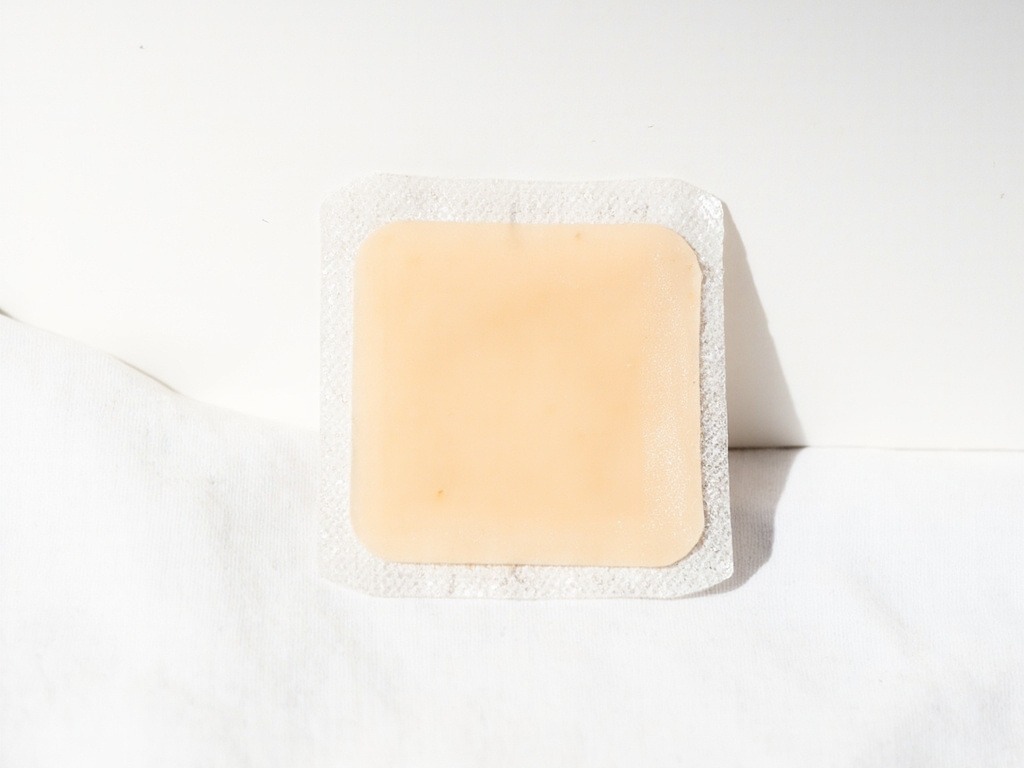
Best for: formularies drafting OTC pain patch copy, B2B buyers evaluating condition-specific claims, clinicians seeking the strongest evidence base for topical analgesics, and B2B buyers sourcing patch GMP lines for selected-condition SKUs.
Pain patches occupy a $5.2 B global OTC analgesic-patch market in 2024, but the marketed use cases are not equally supported. This article grades eight common pain conditions by the strength of randomized clinical evidence behind topical OTC patches, lists six conditions where claims run ahead of the data, and distils a B2B spec sheet for buyers evaluating condition-positioned SKUs.
How pain patches deliver drug locally — and where they do not
Topical OTC pain patches use three mechanism classes that share one constraint: drug must cross the stratum corneum to reach underlying nociceptors. Lidocaine patches produce sodium-channel blockade in peripheral nerve endings, with FDA approval for post-herpetic neuralgia (5% Rx) and OTC clearance for minor pain (4%). Systemic lidocaine absorption from a 4% patch applied to the trunk is below 1% of the toxic threshold, per the FDA OTC monograph (21 CFR 348). Menthol and methyl-salicylate patches activate TRPM8 cold receptors and inhibit COX-mediated prostaglandin synthesis, respectively; both have FDA OTC monograph recognition. Capsaicin patches deplete substance P from C-fiber terminals; the 8% Rx capsaicin patch (Qutenza) has RCT support for post-herpetic neuralgia and diabetic peripheral neuropathy.
The mechanism set is appropriate for peripheral nociceptive pain — cutaneous, myofascial, joint-line, and post-herpetic neuralgia (which has a peripheral and central component). The mechanism is largely inappropriate for deep visceral, central neuropathic, and inflammatory-autoimmune pain syndromes; OTC patches are not designed to penetrate beyond subcutaneous tissue.
8 conditions ranked by strength of evidence
- Post-herpetic neuralgia (PHN) — lidocaine 5% patch — Finnerup et al. 2015 (Lancet Neurology; PMID 25575710, NeuPSIG systematic review) gave lidocaine 5% first-line recommendation for localized peripheral neuropathic pain; Grade A evidence.
- Diabetic peripheral neuropathy (DPN) — capsaicin 8% — Anand & Bleyer 2011 (Lancet Neurology, pooled analysis) showed 30% pain reduction in 38% of capsaicin-group patients vs 21% placebo; Grade A evidence.
- Local musculoskeletal pain (lidocaine 4%) — minor-pain OTC monograph allowed per 21 CFR 348; multiple RCTs show modest effect size (NNT ~6 for ≥50% pain reduction at 7 days).
- Osteoarthritis knee pain (topical NSAID or counter-irritant) — Zhang et al. 2021 Cochrane review of topical NSAIDs for OA knee: NNT ~6 for >50% pain reduction at 12 weeks; Grade A for topical NSAID, Grade B for counter-irritant.
- Post-herpetic neuralgia — capsaicin 8% — high-dose capsaicin patch RCT support; Grade A.
- Acute back strain (topical menthol or methyl-salicylate) — NICE 2009 review of topical rubefacients: small effect sizes (NNT ~6+ for >50% pain reduction); Grade B.
- Myofascial trigger-point pain (lidocaine 4–5%) — small RCTs (Affaitate et al. 2009) suggest benefit; Grade B with limited sample sizes.
- Tendonitis / rotator cuff discomfort (topical NSAID) — Cochrane review (Green et al. 2015): topical NSAID effective vs placebo for short-term tendinopathy pain; Grade B.
6 conditions where evidence is weak
- Visceral abdominal pain (menstrual, IBS) — patches cannot deliver adequate drug concentration to deep peritoneal afferents. Limited RCT support; most evidence is on heat patches for secondary muscle-tension relief.
- Central neuropathic pain (post-stroke, MS, spinal-cord injury) — mechanisms are central; topical patches cannot meaningfully alter central sensitization. Use oral or device-based therapy per NeuPSIG guidance.
- Acute migraine abortive therapy alone — no OTC patch is FDA-approved for migraine abortive therapy; the strongest published evidence supports topical peppermint oil as adjunct, not as triptan-class replacement.
- Cancer pain (oncologic breakthrough) — controlled-release opioid patches are standard of care, not OTC lidocaine or menthol patches; OTC patches are appropriate as skin-site pain adjunct at most.
- Acute post-surgical pain (laparoscopic, orthopedic) — OTC patches have limited penetration to surgical-site depth; multimodal analgesia with oral NSAID or systemic opioid remains guideline standard.
- Fibromyalgia (tender-point pain) — mechanism is central sensitization; topical patches show minimal effect in the small RCT literature (Ngian et al. 2018).
How to apply — body-area matrix
| Body area | Apply | Avoid | Notes |
|---|---|---|---|
| Lower back (lumbar) | Yes | Directly over spine | Apply either side of lumbar paraspinal line |
| Knee joint line | Yes (medial + lateral) | Popliteal fossa | Two patches per knee for full coverage |
| Shoulder / rotator cuff | Yes | Anterior neck | Apply over deltoid or upper trapezius |
| Postherpetic neuralgia dermatome | Yes (lidocaine 5%) | Active rash / open lesions | Only on healed, crusted lesions |
| Foot (diabetic peripheral neuropathy) | Yes with caution | Open wounds, foot ulcers | Inspect skin before each application |
| Face / temple | Yes (small topical menthol) | Eyelid, conjunctiva | Menthol vapor can irritate eye |
| Trunk (visceral pain referral) | No | — | Source pain is deeper; topical route inadequate |
| Scalp / myofacial | Yes | Behind ear if scopolamine product | Standard peripheral patch route |
What the evidence reviews cited above actually looked at
Cochrane reviews typically include 10–30 RCTs per topical-ingredient class. Effect sizes are modest — pain reductions of 15–30% from baseline versus 5–10% for placebo. NNT (number needed to treat) for ≥50% pain reduction over 2–4 weeks usually sits between 4 and 8 for top-tier ingredients (lidocaine Rx, topical NSAID, capsaicin 8%), and between 6 and 12 for OTC-counter-irritant patches (menthol, methyl-salicylate, topical lidocaine 4%). Comparators include oral NSAID, oral acetaminophen, and placebo patches.
FAQ — by condition
Q: Do pain patches really work?
Topical OTC pain patches produce modest, statistically significant pain reduction versus placebo for the eight conditions listed above. Effect sizes are smaller than oral NSAID for systemic pain, but profile is safer (no GI, hepatic, renal, cardiovascular systemic exposure). For localized peripheral pain, the topical route is the right tool; for systemic, deep, or central pain, it is not.
Q: Do pain patches have side effects?
Skin reactions dominate the adverse-event profile. Contact dermatitis from the adhesive or from menthol/camphor in 4–8% of users (Wang et al. 2019). Systemic lidocaine exposure from OTC 4% patches is <1% of toxic threshold. Capsaicin 8% produces transient burning at application in 30–60% of users, which typically resolves within 24 h.
Q: Do pain patches work for sciatica?
Sciatica has both peripheral (sciatic nerve root compression) and central (dorsal horn sensitization) components. OTC lidocaine 4% patches have RCT support for localized nerve-related pain but no evidence specifically for lumbar radiculopathy. Use as adjunct to oral NSAID or per clinician advice.
Q: Do pain patches work for chronic pain?
For chronic musculoskeletal pain (e.g. osteoarthritis), 12-week continuous use of topical NSAID patches is supported. For chronic widespread pain (fibromyalgia), there is no evidence base. Document daily use up to 14 days before reassessing.
Q: How long does a pain patch last?
OTC 4% lidocaine patches wear-time is 8 h single-use; menthol-methyl-salicylate patches 4–8 h single-use; 8% capsaicin patch 60 min in-clinic single-application. Always check the OTC drug-facts panel — these vary by product. Re-apply after the labeled interval, not earlier; no evidence for stacking patches in unaltered application sites.
Henan Hanmeng Bio-Tech condition-positioned SKUs
Henan Hanmeng Bio-Tech (patchbiohn.com) runs a GMP-certified transdermal line that produces topical OTC patches in lidocaine 4%, menthol 5–16%, methyl-salicylate 10%, and capsaicin-format options suitable for private-label positioning on musculoskeletal, neuropathic, and post-herpetic neuralgia segments. Standard MOQ 50,000 patches; lead time 30–45 days after artwork approval; ISO 13485 + US FDA QMSR-aligned documentation. Custom die-cut, custom active-ingredient loading, and CE MDR-dossier preparation supported.
Three-step sourcing funnel
- Request sample — order 50–100 patches in your target ingredient × dose × size for in-house wear-and-effectiveness testing; confirm adhesive tolerance on intended body sites.
- Pilot run (5,000–20,000 patches) — validate drug-load uniformity CV <5% per lot; confirm wear-time claim; pilot artwork; confirm OTC-monograph-compliant ingredient concentrations.
- Bulk production (50,000+) — full GMP batch with Certificate of Analysis, ICH-Q1A stability data, CE MDR dossier or 21 CFR 348 documentation. Lead time 30–45 days post-artwork approval.
For technical briefs on active-ingredient selection, condition-positioned SKUs, and pain-patch OEM manufacturing, request samples and quotes via the Henan Hanmeng Bio-Tech pain-patch OEM page.

CATEGORIES
LATEST NEWS
- Sinew-Bone Pain-Bi Patch Private Label Manufacturer Supply Agreements
- What Hand Mask Custom Packaging Supplier Quotes Overlook
- Kids Herbal Foot Patch Contract Manufacturer: Safety Specifications First
- Mugwort Steam Eye Mask Private Label Manufacturer Readiness Check
- Mugwort Essential Oil Custom Formula Supplier: Formulation Approval Milestones
CONTACT US
QQ: 396269538
Phone: 17796669065
Tel: 17796669065
Email: 396269538
Add: Room 001, 1st Floor, Building 1, Zhengzhou Hangmei International Smart City, Intersection of S102 and Nanquan Road, Xuedian Town, Xinzheng City, Zhengzhou, Henan Province, China