Technological innovation
Are Pain Patches Safe for Daily Use? An Eight-Condition Safety Checklist
Technological innovation 2026-07-16 09:53:34 196 views admin
Are Pain Patches Safe for Daily Use? An Eight-Condition Safety Checklist
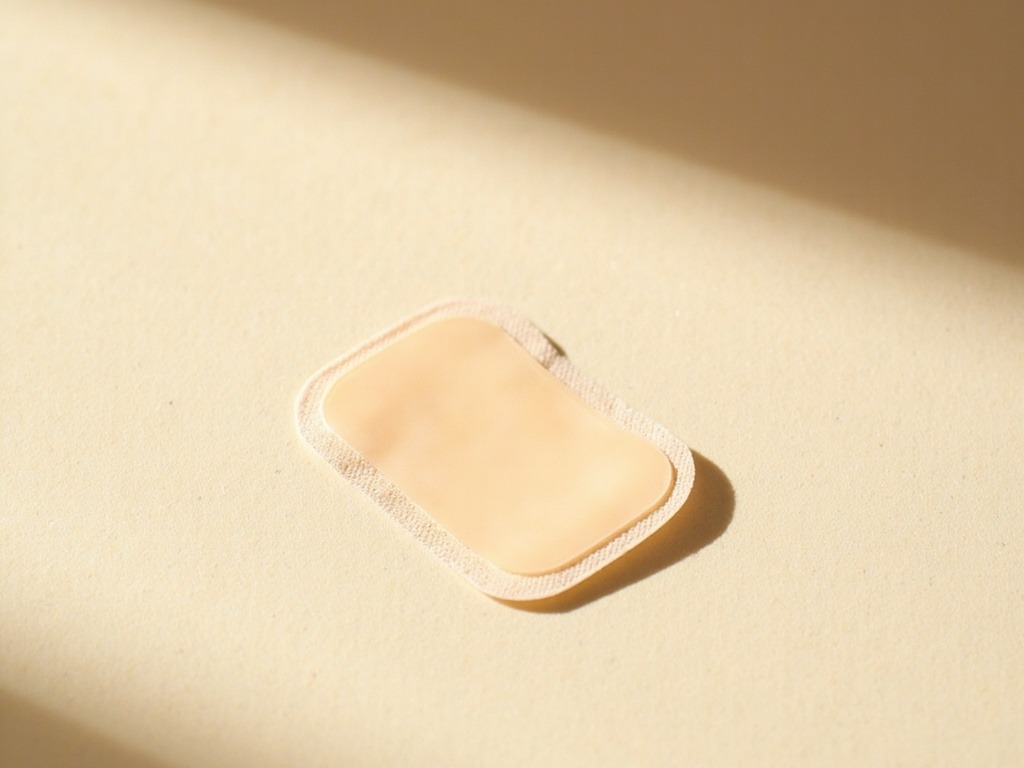
The Short Answer Pharmacists Actually Give
OTC topical pain patches are among the safest over-the-counter analgesic formats available, with a serious systemic adverse event rate well under 1 in 10,000 uses. The risk profile is dominated by local skin reactions — contact dermatitis, irritation, and rare allergic responses to adhesive or active ingredient — rather than systemic toxicity. For most adults using a regulated OTC patch on intact skin for the labeled duration, daily use within label is safe.
That said, "safe" is conditional. The conditions matter, and they are not always obvious on the package insert. This checklist walks through what to verify before making pain patches part of a daily routine.
Checklist Item 1 — Active Ingredient Load and Daily Dose
OTC pain patches in the US and EU are limited by monograph or guideline to defined active loadings. Verify your specific product falls within:
- Menthol: 1.25-16% (FDA OTC monograph).
- Methyl salicylate: 10-30% (FDA OTC monograph, with a daily absorbed-dose ceiling).
- Camphor: 0.5-3% topical.
- Lidocaine: 4% or 5% (OTC monograph, prescription patches may use higher).
- Capsaicin: 0.025-0.075% OTC; 8% only by prescription.
If a product you are using lists percentages outside these ranges without a prescription label, that is a regulatory red flag in both the US and EU markets.
Checklist Item 2 — Skin Condition at the Application Site
Do not apply a pain patch on:
- Broken skin, open wounds, or active rash.
- Skin with active eczema or psoriasis flare.
- Areas recently shaved (within 12 hours) — increases systemic absorption and irritation risk.
- Skin with active sunburn.
- Mucous membranes (mouth, eyes, genital area).
The occlusive adhesive layer on a compromised skin barrier increases systemic exposure to the active by 3-5x compared to intact skin. That is the mechanism behind most serious reported adverse events.
Checklist Item 3 — Concurrent Topical Products at the Same Site
Do not apply a heating pad or external heat source (electric blanket, hot water bottle) over a pain patch. Heat increases systemic absorption of methyl salicylate, menthol, and lidocaine significantly. There are documented cases of salicylate toxicity from heating-pad-plus-methyl-salicylate combinations.
Do not apply other topical medications (creams, ointments, other patches) on the same area without removing the first patch and cleaning the skin. Mixing active ingredients on the same skin site is one of the most common causes of unexpected local irritation.
Checklist Item 4 — Concurrent Oral Medication
For most adults on no other medication, OTC pain patches are safe to use alongside oral analgesics. The exception:
- Methyl salicylate patches and oral anticoagulants (warfarin, DOACs): the salicylate is absorbed systemically in small amounts; combined with anticoagulant therapy this can contribute to bleeding risk. Discuss with a prescribing clinician.
- Lidocaine patches and class I antiarrhythmic drugs: theoretical additive cardiac effect, though clinically rare at OTC dose.
If you take any chronic prescription medication, ask the pharmacist to check the interaction profile before daily OTC patch use.
Checklist Item 5 — Duration of Continuous Use
Label guidance is typically 7 days of continuous OTC use without medical review, and 21 days for lidocaine 4-5% patches. Beyond those windows, the patch is still likely safe in most users, but the skin under continuous occlusion begins to lose barrier integrity and the dermatitis risk rises.
If daily pain-patch use extends beyond 3 weeks for the same chronic condition, schedule a clinician review. The condition itself may have shifted and need re-evaluation.
Checklist Item 6 — Age, Pregnancy, and Specific Populations
Population-specific considerations:
- Children under 12: most OTC menthol and methyl salicylate patches are not labeled for pediatric use. Use pediatric-specific formulations (typically lower loading, smaller patch).
- Pregnancy: topical lidocaine and menthol are generally considered low risk. Methyl salicylate and camphor have limited pregnancy data; many clinicians advise avoidance in first trimester.
- Lactation: menthol and lidocaine are considered compatible; methyl salicylate should be avoided on the breast area to prevent infant ingestion.
- Elderly with fragile skin: shorter wear time (4-6 hours) and gentler adhesive options are advisable.
Checklist Item 7 — Manufacturing and Storage
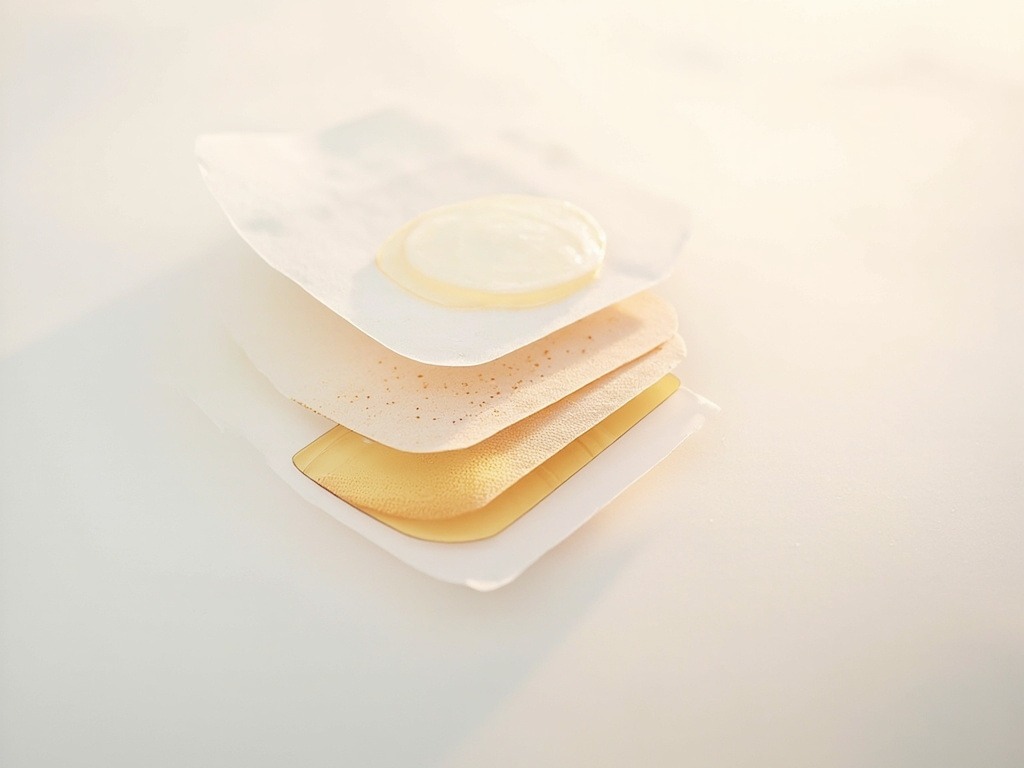
A genuine OTC pain patch should have:
- Intact primary pouch packaging (do not use if pouch is open or damaged).
- Manufacturer name and lot number printed on the secondary box.
- Expiration date clearly marked. Most OTC patches have a 24-36 month shelf life from manufacture.
- Storage at controlled room temperature (15-30°C), out of direct sunlight.
For bulk procurement, lot-level certificates of analysis (COA) from the OEM partner should accompany each shipment, covering active assay, adhesive peel strength, and microbial limits.
Checklist Item 8 — Recognizing a Problem Early
Remove the patch and seek medical advice if any of these appear:
- Persistent burning sensation beyond 30 minutes after application.
- Skin redness, swelling, or blistering under or around the patch.
- Rash that spreads beyond the patch area.
- Tinnitus (ringing in the ears), nausea, or dizziness — possible salicylate or lidocaine systemic effect.
- Any sign of allergic reaction: hives, swelling of the face, breathing difficulty.
Summary: Eight Conditions for Daily OTC Pain Patch Use
- Active ingredient within monograph range.
- Application on intact, healthy skin.
- No concurrent heat, no other topicals on the same site.
- No interacting oral medications.
- Continuous use within labeled duration.
- Population-appropriate product (age, pregnancy, lactation).
- Sealed, in-date product from a documented manufacturer.
- Stop and review on any local or systemic reaction.
References and Standards
- FDA 21 CFR 358 — External analgesic drug products for OTC human use.
- European Medicines Agency — Guideline on the quality of transdermal patches (EMA/CHMP/QWP/911254/2011).
- USP Chapter 4 — Topical and transdermal drug product quality tests.
- American Pharmacists Association — Counseling points for topical analgesic patches.
Looking for a Custom Patch Manufacturer?
Henan Hanmeng Bio-Tech produces private-label pain relief patches, herbal heat patches, cooling patches, nasal strips, and hydrocolloid patches on certified production lines. FDA, EU CE, and ISO 13485 documentation included. Samples shipped in 7 days; bulk MOQ negotiable.
View Our OEM Catalog Request a Quote
Henan Hanmeng Bio-Tech · Henan, China · +86 17796669065 · 396269538@qq.com
CATEGORIES
LATEST NEWS
- Sinew-Bone Pain-Bi Patch Private Label Manufacturer Supply Agreements
- What Hand Mask Custom Packaging Supplier Quotes Overlook
- Kids Herbal Foot Patch Contract Manufacturer: Safety Specifications First
- Mugwort Steam Eye Mask Private Label Manufacturer Readiness Check
- Mugwort Essential Oil Custom Formula Supplier: Formulation Approval Milestones
CONTACT US
QQ: 396269538
Phone: 17796669065
Tel: 17796669065
Email: 396269538
Add: Room 001, 1st Floor, Building 1, Zhengzhou Hangmei International Smart City, Intersection of S102 and Nanquan Road, Xuedian Town, Xinzheng City, Zhengzhou, Henan Province, China