Technological innovation
How Nasal Strips Actually Work: A Comparison of Five Mechanisms
Technological innovation 2026-07-16 09:08:34 154 views admin
How Nasal Strips Actually Work: A Comparison of Five Mechanisms
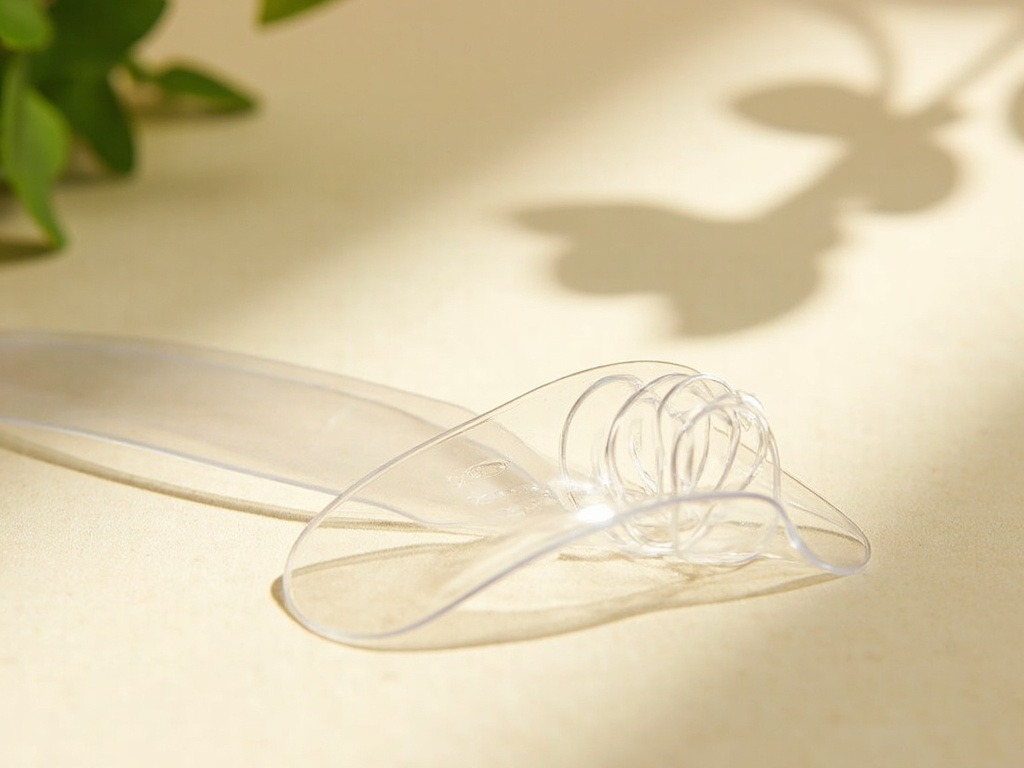
Five Mechanisms That Move Air Through Your Nose
Nasal strips are not all the same spring. The market has converged on five mechanical approaches, each lifting a different part of the nose and each solving a slightly different airflow problem. Treating them as interchangeable is the most common mistake consumers make when they switch brands and report "the new one does nothing."
Understanding which mechanism you are buying tells you whether the strip is meant for exercise, for snoring, for a deviated septum, or for general nasal congestion during sleep. The geometry of the strip matters as much as the adhesive.
Mechanical Spring Strips: The Original Lift
The first nasal strip patents (introduced OTC in the 1990s) use three embedded plastic springs that try to straighten back to flat. When adhered across the bridge of the nose, the springs pull the outer wall of each nostril outward. Effective for: snoring caused by nasal valve collapse during deep sleep, and for athletes seeking reduced nasal resistance during high-intensity effort.
Limit: the lift is fixed by spring tension, so if your nasal cartilage is unusually flexible or stiff, the strip underperforms. People with very narrow bridges often find the adhesive footprint too wide and the strip peeling before morning.
Conical Dilator Strips: Vertical Cone Lift
Conical dilators are rigid plastic cones inserted into each nostril, held by a small bridge across the columella. They do not lift the outer wall; they prop the inner nasal valve open directly. Used widely in hospital sleep labs and now widely available as consumer products.
Effective for: mouth-breathing at night, post-rhinitis congestion, and CPAP users who struggle with mouth leaks. Limit: the cone material can irritate sensitive mucosa after 6-8 hours, and the device is visible, which many consumers dislike for shared bedrooms.
Magnetic Nasal Strips: Magnet Plus Adhesive
Magnetic strips combine a flexible spring with two small magnets positioned over the maxillary sinus region. The advertised claim is that the magnetic field improves circulation; clinical evidence for that specific mechanism is weak, but the lift itself works identically to a mechanical spring.
Limit: magnets add cost without consistent evidence of added benefit beyond the spring action. People with pacemakers should avoid them. Most clinical societies do not recommend magnetic strips over non-magnetic versions.
Adhesive-Only "Breathing" Patches: Skin-Tension Lift
The newest category uses a thin elastic film rather than an embedded spring. The film is pre-tensioned so that once adhered, it tries to contract and pulls the nostril wall outward via skin tension alone. Effective for users with sensitive skin who react to rigid plastic springs.
Limit: the lift force is weaker than a plastic spring, so for severe snoring or athletic demand, performance is noticeably lower. The film is also more sensitive to moisture and tends to lift off during heavy perspiration.
Nasal Patches Without an External Dilator: Transdermal Aromatic Strips
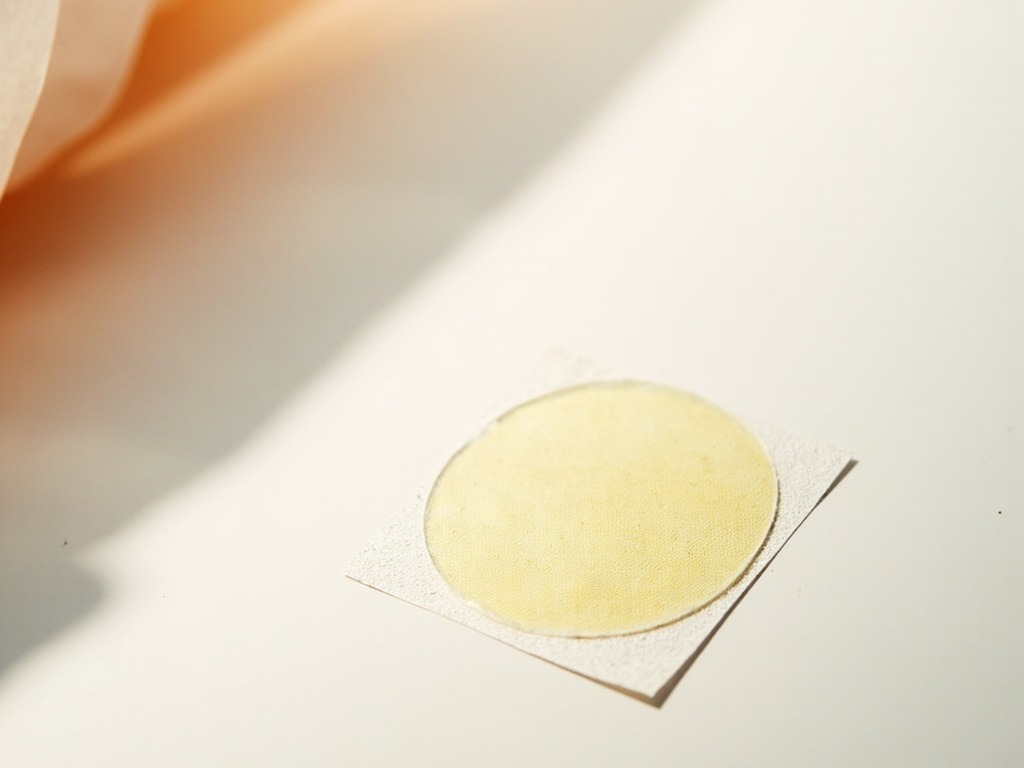
The fifth category is not a dilator at all. It is a small adhesive patch worn on the nose bridge or above the lip that releases menthol, eucalyptus, or peppermint volatiles. It does not physically open the airway. It changes the sensation of breathing by triggering cold-receptor nerves (TRPM8 channels in the nasal mucosa) and can make the user feel they are breathing more freely even when airflow is unchanged.
Effective for: subjective relief of congestion during colds, mild sleep comfort. Limit: no measurable change in nasal cross-sectional area; people with severe obstruction will not get therapeutic airflow improvement.
Comparison Matrix: Which Strip Solves Which Problem
| Mechanism | Primary Use | Best For | Weakest At |
|---|---|---|---|
| Mechanical spring | Snoring + exercise | Nasal valve collapse | Severe deviated septum |
| Conical dilator | CPAP + mouth leak | Direct inner-valve lift | Sensitive mucosa |
| Magnetic strip | Snoring (subj.) | Users preferring non-rigid feel | Pacemaker patients |
| Adhesive-only elastic | Sensitive-skin users | Light snoring + comfort | High airflow demand |
| Volatile aromatic patch | Cold congestion | Subjective ease-of-breathing | Severe obstruction |
How to Pick the Right Type for Your Use Case
Start by naming the failure mode you want to fix. Loud snoring with nasal valve collapse: mechanical spring is the standard first trial. Sleep apnea or CPAP mouth leak: conical dilator. Sensitive skin or daily long wear: adhesive-only elastic. Cold, flu, or allergy congestion where you mostly want to feel clearer: volatile aromatic patch.
For a first attempt, most OTC brands sell a sample pack with multiple strip types for under USD 15. That is the cheapest way to compare lift, comfort, and morning residue across all five mechanisms before committing to a bulk supplier for private label.
Private Label and OEM Notes for Brand Owners
If you are evaluating OEM partners for a private-label nasal strip line, ask three questions before signing: (1) Can the factory supply both spring and adhesive-only versions on the same production line, or do they require separate tooling? (2) What is the MOQ per shape and per mechanism? (3) Can they private-label the outer box artwork to your Pantone spec within 30 days? A factory that can answer all three with documented examples is generally mature enough to scale a brand into US/EU retail.
Frequently Asked Questions
Do nasal strips help with sleep apnea?
They can reduce snoring and improve nasal breathing comfort, but they do not treat obstructive sleep apnea itself. CPAP remains the standard of care. Nasal strips may help with mouth leak in CPAP users but should not replace diagnosis or prescribed therapy.
Are nasal strips safe to use every night?
For most adults, nightly use of mechanical-spring or adhesive-only strips is safe. Watch for skin irritation on the bridge of the nose; rotating the strip position slightly each night reduces repeat-adhesive trauma.
Can children use nasal strips?
Most OTC nasal strips are labeled for ages 5 and up. For children with persistent snoring, consult a pediatrician — snoring in children is often adenoid-related and needs different management.
References and Further Reading
- U.S. FDA 21 CFR 868.1825 — Breathing circuit accessories classification for nasal dilators.
- American Academy of Sleep Medicine — Patient guidance on nasal dilators and snoring.
- PubMed indexed study: "External nasal dilators in athletes and during sleep" — multiple RCTs since 2000.
Looking for an Nasal Strip Manufacturer?
Henan Hanmeng Bio-Tech produces private-label nasal strips on our certified cleanroom production line. FDA, EU CE, and ISO 13485 documentation included. Samples shipped in 7 days; bulk MOQ negotiable.
View Our Nasal Strip Options Request a Quote
Henan Hanmeng Bio-Tech · Henan, China · +86 17796669065 · 396269538@qq.com


CATEGORIES
LATEST NEWS
- Sinew-Bone Pain-Bi Patch Private Label Manufacturer Supply Agreements
- What Hand Mask Custom Packaging Supplier Quotes Overlook
- Kids Herbal Foot Patch Contract Manufacturer: Safety Specifications First
- Mugwort Steam Eye Mask Private Label Manufacturer Readiness Check
- Mugwort Essential Oil Custom Formula Supplier: Formulation Approval Milestones
CONTACT US
QQ: 396269538
Phone: 17796669065
Tel: 17796669065
Email: 396269538
Add: Room 001, 1st Floor, Building 1, Zhengzhou Hangmei International Smart City, Intersection of S102 and Nanquan Road, Xuedian Town, Xinzheng City, Zhengzhou, Henan Province, China