Technological innovation
Chemical Heat Packs vs Herbal Heat Patches: What Is Actually Different
Technological innovation 2026-07-14 12:00:00 135 views admin
Chemical Heat Packs vs Herbal Heat Patches: What Is Actually Different

Both chemical and herbal heat patches warm the skin for a few hours. The mechanism is different in three ways that matter to a brand owner. The differences are not visible to the user, but they drive everything from safety testing to shipping classification to labelling claims.
Scope note. The article below describes the two product categories in the form they typically reach an OEM buyer: chemical (iron-powder based) heat patches and herbal (mugwort / ginger / similar) heat patches. The mechanism description is what a development team would write in a regulatory file, not what appears on a retail box.
What the user feels
Both product types deliver a 40-55 °C surface temperature at the skin for 4-8 hours. The peak temperature and the duration are within the same range for both. The user cannot reliably tell which is in the sachet, although some people who use both routinely report a difference in feel, with chemical patches feeling more like a steady heat source and herbal patches feeling more like a low, even warmth.
What is actually happening
The mechanisms are different. A chemical heat patch contains iron powder, water, salt, activated carbon, and a cellulose carrier. When the sachet is opened, oxygen enters through a porous membrane and oxidises the iron. The oxidation is exothermic, releasing heat. The rate of the oxidation is set by the salt (catalyst) and the carbon (oxygen distributor). The reaction consumes the iron over 4-8 hours.
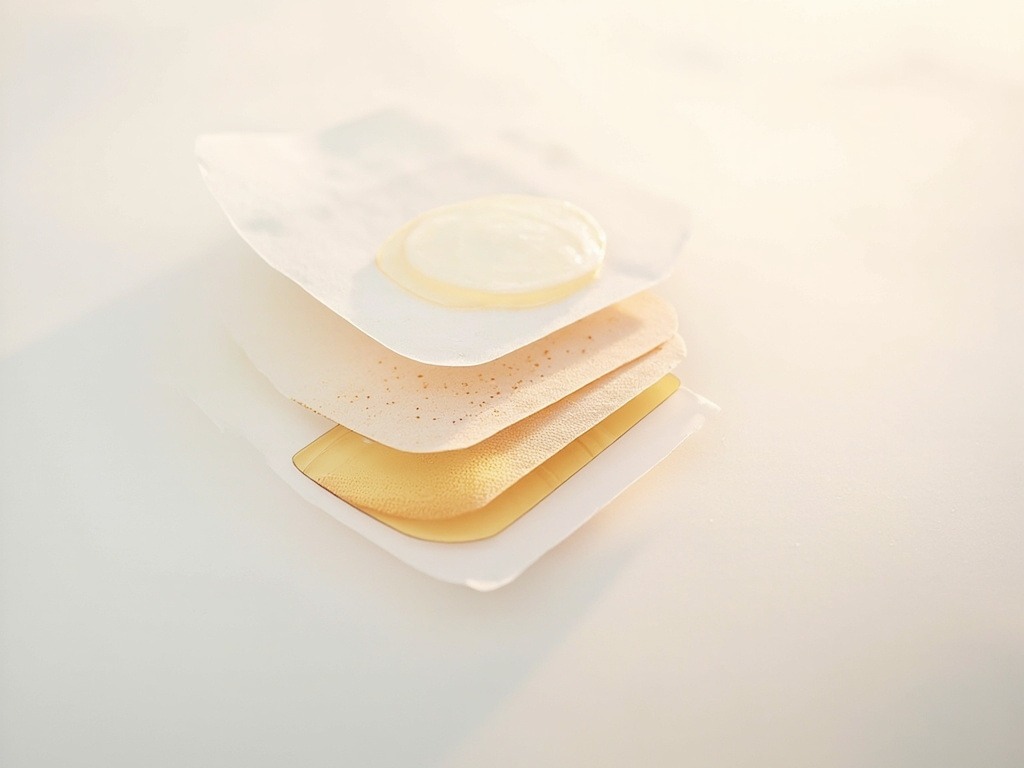
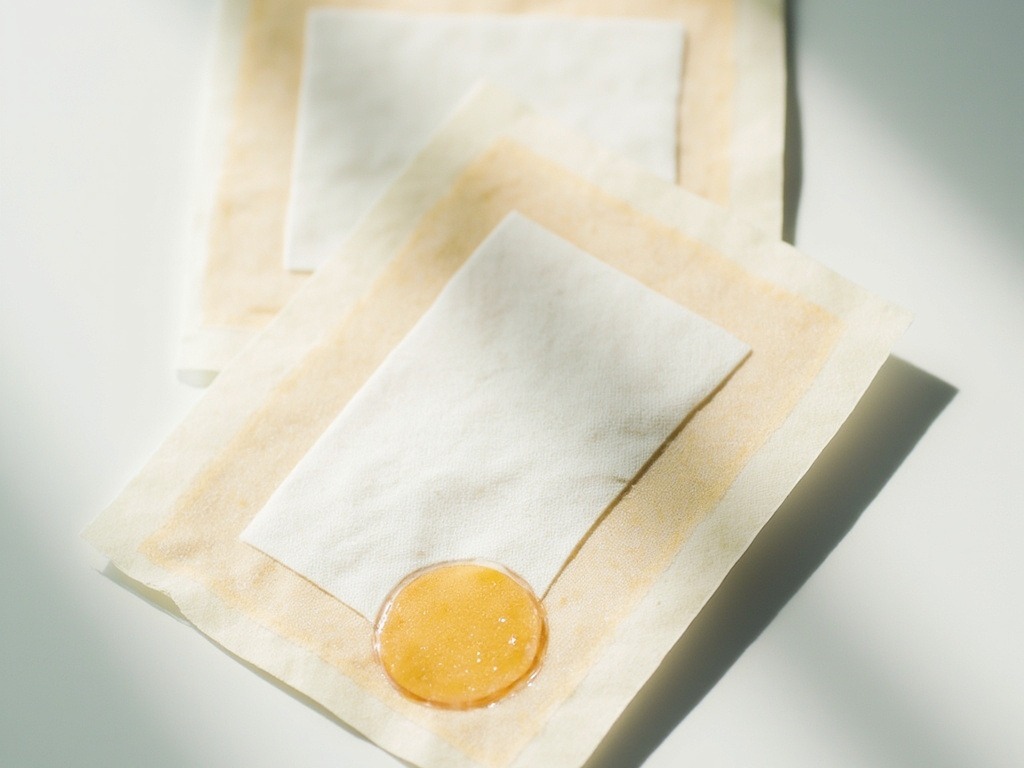
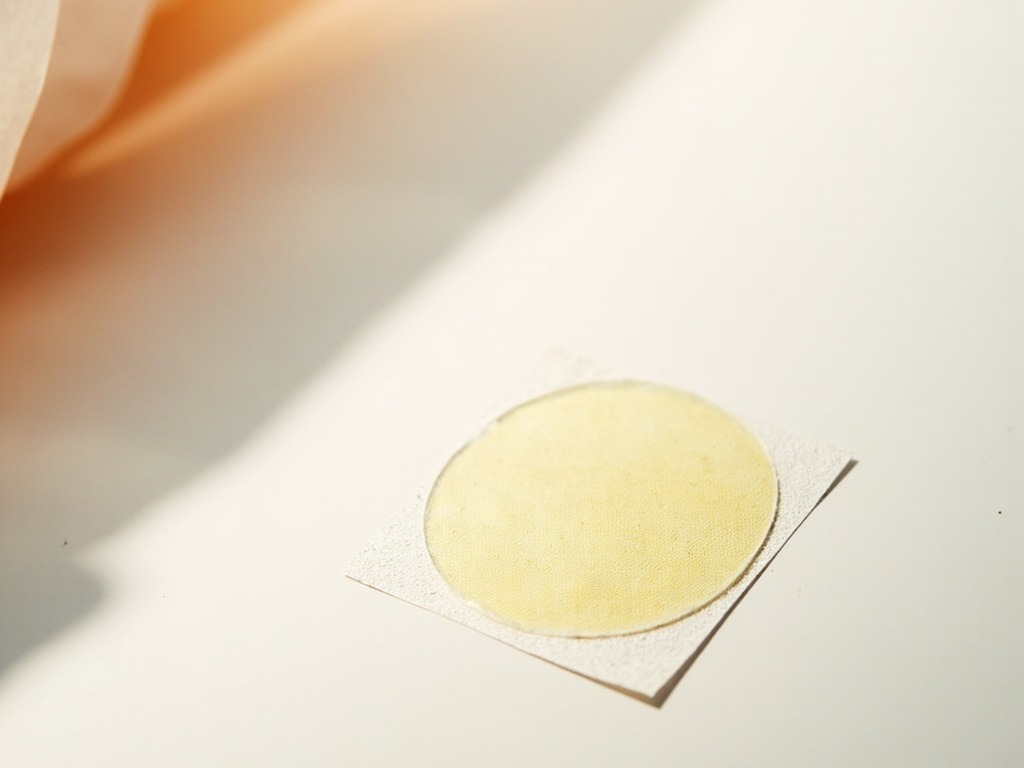
A herbal heat patch uses dried mugwort, ginger, and similar ingredients on a non-woven or paper carrier. The heat comes from the natural oxidation of the plant material, accelerated by contact with skin moisture and oxygen. The reaction is slower than the iron reaction, the temperature peak is usually lower, and the duration depends more on the moisture in the air and on the skin than on the formulation.
What the differences mean in practice
| Aspect | Chemical (iron) heat patch | Herbal heat patch | Why the brand owner cares |
|---|---|---|---|
| Heat peak | 40-55 °C, well-defined by formulation | 38-48 °C, sensitive to skin moisture and air humidity | Chemical patch gives a more consistent experience across markets |
| Duration | 4-8 h, set by iron content | 3-6 h, set by moisture and ambient oxygen | Herbal patch needs more product testing across climates |
| Shipping classification | Often a Class 4.1 dangerous good (self-heating) for air freight | Usually a non-hazardous article | Chemical patch needs DG handling, higher freight cost |
| Customs tariff | Different HS code from herbal patch | Different HS code from chemical patch | Tariff rate and required documents differ |
| Skin sensitivity testing | Standard dermatological panel | Allergen panel including mugwort and ginger | Herbal patch needs broader allergen list |
| Shelf life | 2-3 years in sealed sachet | 1-2 years, depending on moisture ingress | Herbal patch requires stricter pouch water-vapour transmission rate |
| Labelling claim latitude | Wider in the US (OTC monograph), narrower in the EU (Article 3 MDR) | Same constraints, with additional allergen declaration | Both require careful claim framing |
What the brand owner usually gets wrong
- Treating the two as substitutes. They look like the same product, but the safety file, the customs file, and the labelling file are different.
- Marketing the herbal patch as chemical-compatible. The peak temperature is lower and the duration is shorter, so any "12 hours of heat" or "52 °C peak" claim written for a chemical patch is wrong for a herbal one.
- Forgetting the allergen declaration. A herbal patch that uses mugwort needs mugwort in the allergens list under EU Cosmetics Regulation or FDA labelling guidance.
Henan Hanmeng Bio-Tech can develop both lines. The brand owner is responsible for the safety file, the customs classification, and the labelling claim.
Sources
- U.S. Consumer Product Safety Commission, Title 16 CFR Part 1601 (heat-producing wearing apparel and patches).
- International Air Transport Association, Dangerous Goods Regulations, Class 4.1 (self-heating substances).
Looking for a Custom Patch Manufacturer?
Henan Hanmeng Bio-Tech produces private-label pain relief patches, herbal heat patches, cooling patches, nasal strips, and hydrocolloid patches on certified production lines. FDA, EU CE, and ISO 13485 documentation included. Samples shipped in 7 days; bulk MOQ negotiable.
View Our OEM Catalog Request a Quote
Henan Hanmeng Bio-Tech · Henan, China · +86 17796669065 · 396269538@qq.com
CATEGORIES
LATEST NEWS
- Sinew-Bone Pain-Bi Patch Private Label Manufacturer Supply Agreements
- What Hand Mask Custom Packaging Supplier Quotes Overlook
- Kids Herbal Foot Patch Contract Manufacturer: Safety Specifications First
- Mugwort Steam Eye Mask Private Label Manufacturer Readiness Check
- Mugwort Essential Oil Custom Formula Supplier: Formulation Approval Milestones
CONTACT US
QQ: 396269538
Phone: 17796669065
Tel: 17796669065
Email: 396269538
Add: Room 001, 1st Floor, Building 1, Zhengzhou Hangmei International Smart City, Intersection of S102 and Nanquan Road, Xuedian Town, Xinzheng City, Zhengzhou, Henan Province, China