Technological innovation
snore patchgan: how a small topical patch fits into the wider anti-snoring toolkit
Technological innovation 2026-08-19 09:30:37 131 views admin
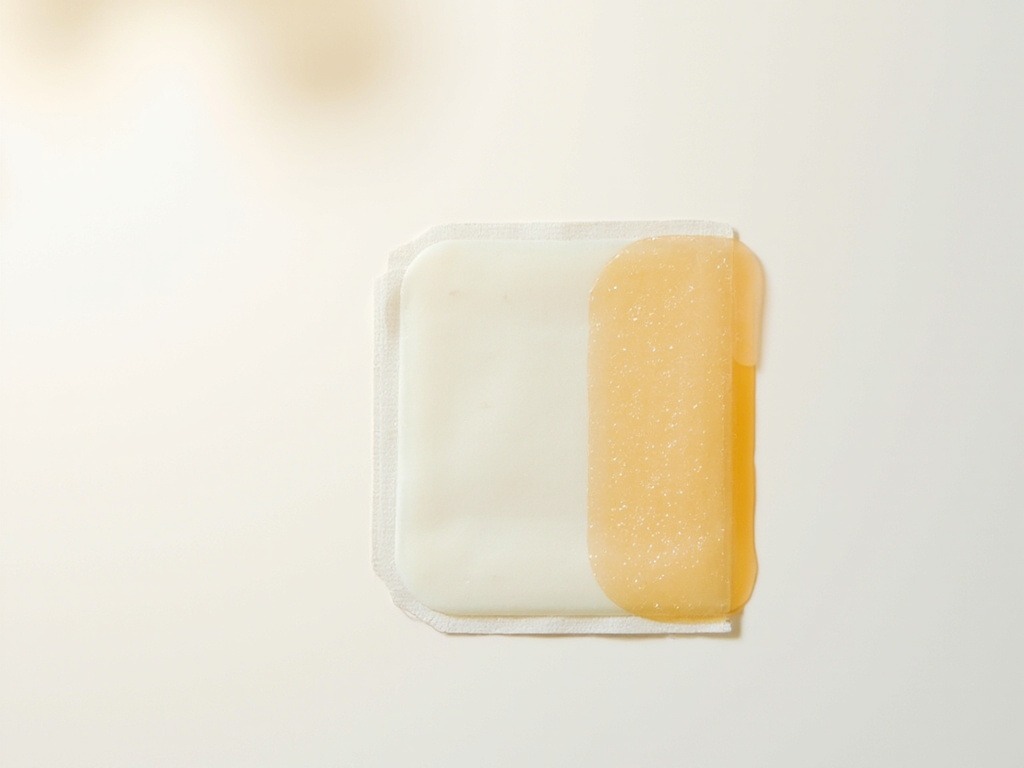
Best for: adult snorers evaluating first-line nasal aids, partners shopping on behalf of a snorer, side-sleepers who reject chin straps, dry-mouth sufferers trialling a low-bulk option, and buyers comparing over-the-counter snore patches against strips or mouthpieces.
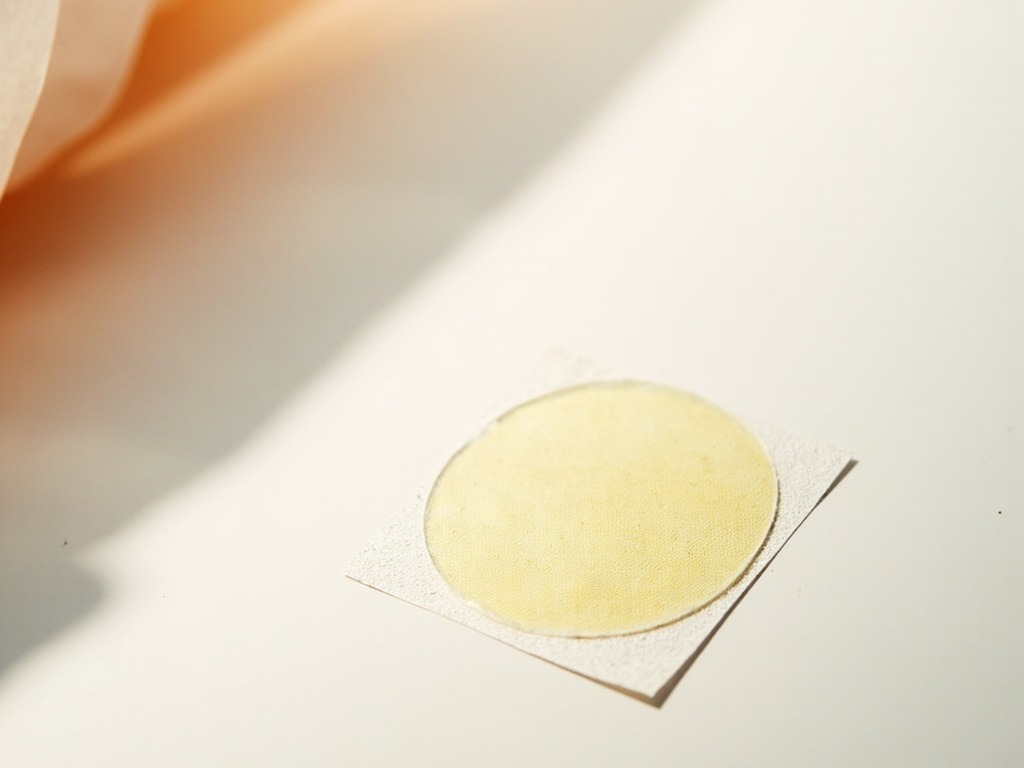
A snore patch is a topical adhesive worn on the outside of the nostrils or across the upper lip to widen the nasal opening, add a mild menthol-eucalyptus aroma, or hold the mouth in a position that discourages oral breathing during sleep. It is the smallest, lowest-bulk device in the consumer anti-snoring shelf, sitting alongside nasal strips, internal nasal dilators, chin straps, and mandibular advancement mouthpieces. Patches appeal to people who cannot tolerate the lip pressure of a chin strap, who find nasal strips peel off by3 a.m., or who want a disposable option for travel.
Why a patch, not a strip?
External nasal strips are rigid plastic bands bonded to the bridge of the nose. They work by mechanical recoil: two parallel springs try to straighten and lift the nostril sidewalls, increasing the cross-sectional area of the nasal valve. Patches work differently. Most consumer snore patches either use a softer adhesive ring that gently pulls the ala (the outer nostril wall) outward, or they release a volatile aromatic — menthol, eucalyptus, or a similar compound — that the wearer breathes in, with the suggested mechanism being a subjective sensation of clearer airways and a reflexive shift away from mouth breathing.
The distinction matters at the cash register. A 30-pack of nasal strips commonly retails in the USD8–15 range; a 30-pack of menthol snore patches sits in a similar band. Chin straps usually run USD 10–25; boil-and-bite mouthpieces USD 30–80; custom dental devices several hundred dollars. A patch is therefore positioned as a low-commitment trial, not a long-term clinical device.
Snore type versus product fit
Snoring is not one problem. The sound originates somewhere between the nostrils and the vocal cords, and the right tool depends on where the airflow narrows. Matching the device to the cause saves money and nights of poor sleep.
| Snore type (self-observed) | Likely site of obstruction | Best-fit consumer option | Why this option |
|---|---|---|---|
| Loud on inhale, worse with a cold or allergy | Nasal valve or turbinate swelling | External nasal strip or internal nasal dilator | Mechanical lift of the sidewall; effect visible within a single night |
| Gentle rasp on exhale, mouth falls open during sleep | Soft palate and uvula vibrating as air escapes through the mouth | Menthol snore patch combined with side-sleeping | Encourages nasal breathing; chin strap is an alternative if the patch slips |
| Snoring stops when the sleeper turns on their side | Positional, tongue falling back | Side-sleeping aid (pillow, tennis-ball shirt) plus a snore patch for comfort | Mechanical repositioning is the primary fix; patch is adjunct |
| Snoring plus witnessed apnoeas (gasp, silence, restart) | Multi-level airway collapse | Refer to a clinician; no consumer patch is appropriate | Patches do not address apnoea; a sleep study is the correct next step |
| Snoring only after alcohol or sedatives | Reduced muscle tone in the pharynx | Behavioural change first; patch as a fallback | Alcohol timing is the strongest lever; devices are a band-aid |
Patch users in the menthol-aroma category tend to report clearer-feeling mornings rather than measurable decibel drops. For someone whose primary complaint is dry mouth rather than volume, that subjective benefit can be the deciding factor.
Fit checklist before you stock a 30-pack
Before committing to a multi-month supply, run a single night of structured testing. Most patches and strips have a one- to three-night break-in curve as the adhesive warms and the skin acclimates.
- Skin check: remove any patch after eight hours. The skin under the patch should be pink, not bright red. A faint ring is normal; raised welts mean stop and switch brands.
- Sleep hygiene baseline: note alcohol, late meals, and sleeping position for the three nights before the test so you can isolate the device effect.
- Wear time: aim for six to eight hours of continuous wear. If the patch lifts before dawn, the adhesive is too weak for your skin oil level — switch to a stronger-bond strip.
- Breathe-through-the-nose test: with the patch on, breathe in through the nose for 60 seconds while sitting upright. If the nostril collapses inward, the patch is too narrow; the sidewall should sit visibly outward.
- Partner log: ask a partner or use a phone recorder to capture one minute of audio at 2 a.m. Compare against a baseline night without the device. Subjective improvement is real, but an audio file removes bias.
If a patch survives this checklist across three nights, the cost-per-night economics usually favour bulk purchase. If it fails any item, move on without sunk-cost thinking.
Brand-specific notes worth knowing
The consumer snore patch market is fragmented. Most SKUs in major online marketplaces are private-label products from one of a handful of contract manufacturers, repackaged under regional brand names. Three patterns recur.
First, the menthol-and-eucalyptus family. These patches feel cool on application and are marketed for "open airway sensation". The active ingredient is usually a 1–3 percent menthol load in a hydrocolloid or non-woven adhesive. The sensory hit is real; the airflow data is thinner.
Second, the spring-band nasal-dilator family, sold as patches but mechanically closer to a strip. A thin polyethylene or PET filament is laminated between two adhesive pads, and the recoil does the lifting. These are the patches most often confused with Breathe Right-style strips.
Third, the lip-closure patch — a small adhesive strip placed vertically over the lips to encourage nasal breathing. This style is popular with mouth-breathers and CPAP users who want a backup when the mask comes off for a short rest. Comfort varies sharply; some wearers tolerate it for an hour, others all night.
Pack sizes cluster around 30 patches for a one-month trial, and 60–90 patches for subscription buyers. Storage is shelf-stable at room temperature; menthol patches lose aroma potency after roughly 12 months once the sachet is opened.
Limitations and safety
Snore patches are not medical devices for the treatment of obstructive sleep apnoea. They do not reposition the jaw, do not hold the tongue forward, and do not generate positive airway pressure. Anyone with witnessed apnoeas — a partner observing silence followed by a gasping restart — should seek a clinician-led sleep assessment rather than escalate through more consumer patches.
Skin reactions are the most common adverse event. Adhesive ingredients such as acrylate copolymers and rosin derivatives can trigger contact dermatitis, especially in users with a history of eczema or tape reactions. Test a single patch on the inner forearm for 24 hours before a full night of facial wear. Do not apply over broken skin, sunburn, or active acne. Menthol at higher loads can irritate the mucosa of the upper lip; if a burning sensation persists after the first five minutes, remove the patch.
Children under 12, pregnant users in the first trimester, and anyone using topical steroid creams on the face should treat patches as cosmetic-only items and consult a pharmacist or clinician before nightly use.
When a clinic beats any patch
Consumer products plateau at the soft-palate and nasal-valve level. Three signs point away from the patch shelf and toward an ear, nose and throat referral.
The first is structural: a consistently deviated septum, enlarged turbinates, or nasal polyps that no strip or patch can mechanically bypass. A clinician can image the airway in minutes and propose a treatment path that a patch cannot.
The second is apnoeic: pauses longer than 10 seconds, daytime sleepiness scoring high on the Epworth scale, or morning headaches that resolve by lunchtime. These are signs of obstructive sleep apnoea, a condition with cardiovascular sequelae that no over-the-counter patch addresses.
The third is dental: tooth wear, jaw pain on waking, or a partner reporting that the snore sounds originate from the back of the throat rather than the nose. A dentist-trained mandibular advancement device, fitted under supervision, will outperform any patch for this group.
In short: a patch is a useful first attempt, an honest travel companion, and a sensible fallback for nights when a mouthpiece is in the dishwasher. It is not a substitute for a structural airway assessment when the red flags above are present.
Henan Hanmeng Bio-Tech offers private-label patch manufacturing for buyers exploring topical hydrocolloid or menthol-aroma formats, with pilot runs available for retailers validating a new SKU.
CATEGORIES
LATEST NEWS
- Sinew-Bone Pain-Bi Patch Private Label Manufacturer Supply Agreements
- What Hand Mask Custom Packaging Supplier Quotes Overlook
- Kids Herbal Foot Patch Contract Manufacturer: Safety Specifications First
- Mugwort Steam Eye Mask Private Label Manufacturer Readiness Check
- Mugwort Essential Oil Custom Formula Supplier: Formulation Approval Milestones
CONTACT US
QQ: 396269538
Phone: 17796669065
Tel: 17796669065
Email: 396269538
Add: Room 001, 1st Floor, Building 1, Zhengzhou Hangmei International Smart City, Intersection of S102 and Nanquan Road, Xuedian Town, Xinzheng City, Zhengzhou, Henan Province, China