Technological innovation
migraine ice patch
Technological innovation 2026-08-18 10:00:06 235 views admin
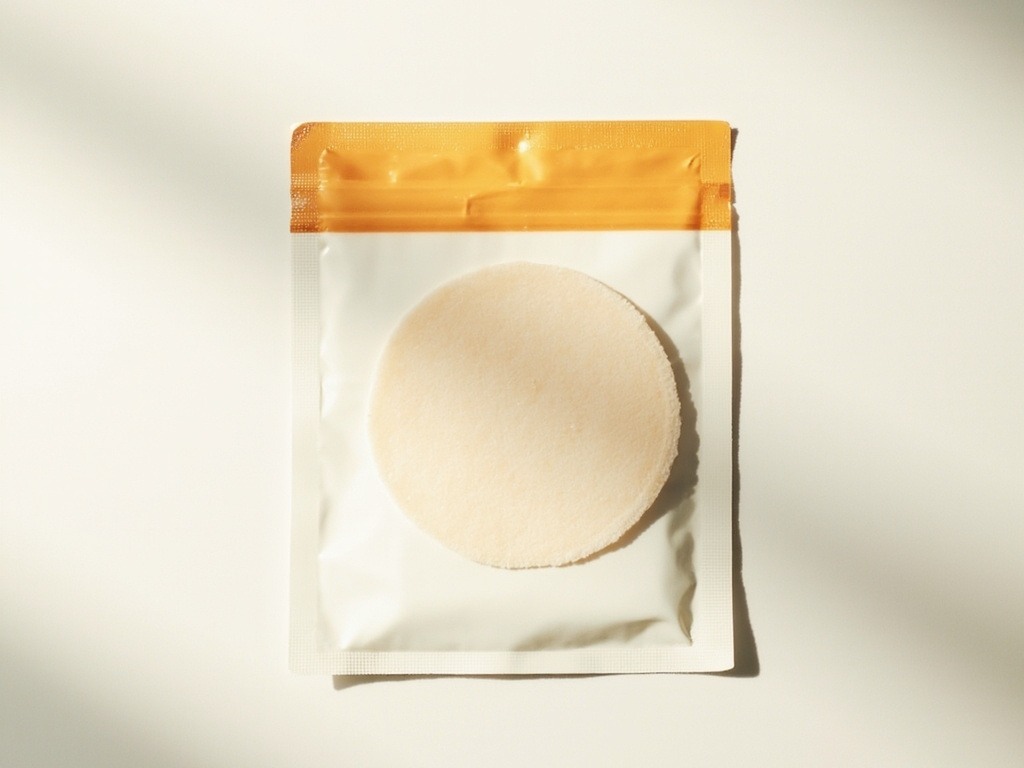
Best for: travelers prone to motion sickness, shift workers battling jet lag, adults seeking a non-prescription sleep aid, parents of children sensitive to summer heat or vaccination site tenderness
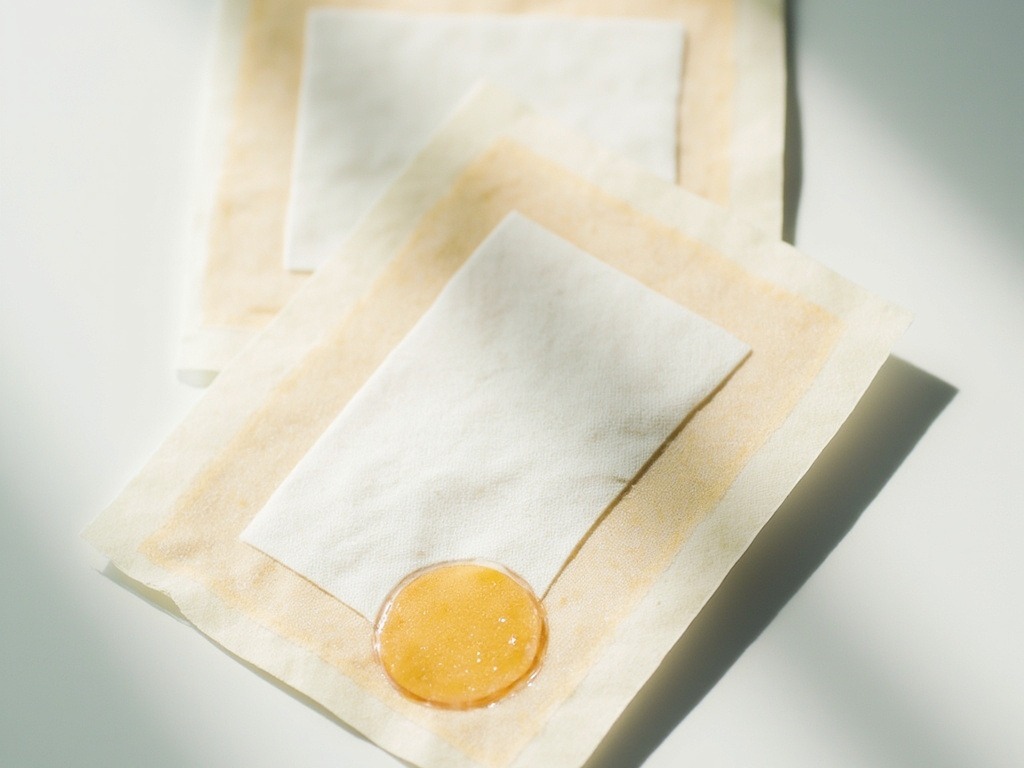
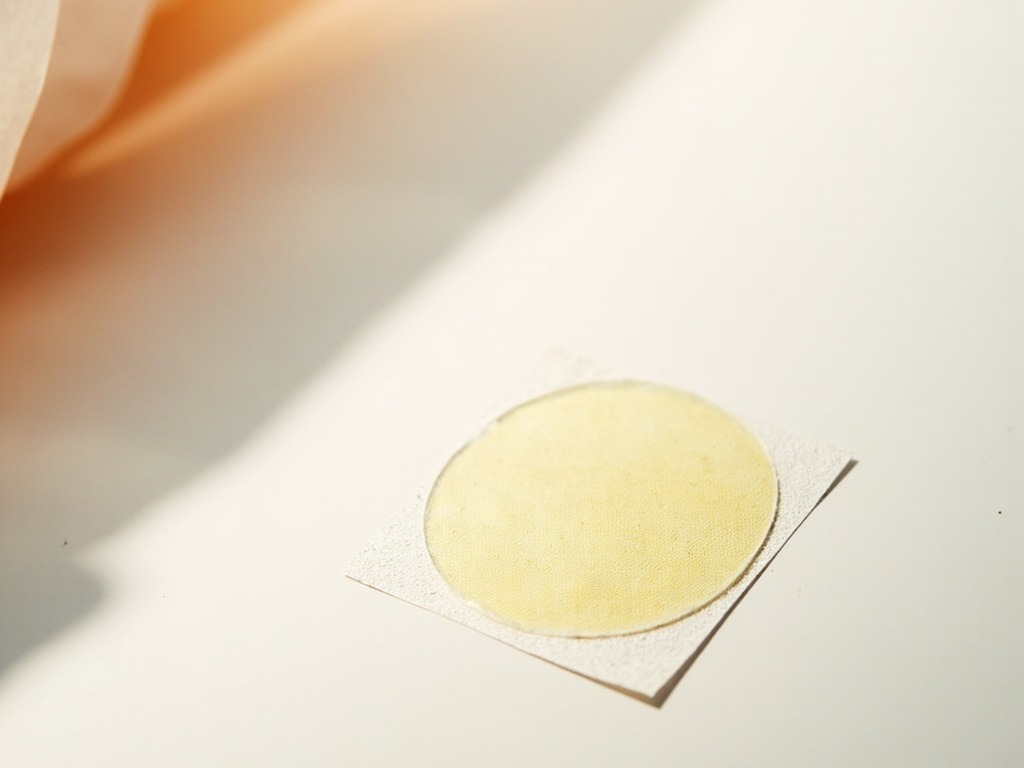
A migraine ice patch is a single-use adhesive cooling strip applied to the forehead, temple, nape, behind the ear, or inner wrist to draw heat away from superficial blood vessels during a tension episode or a sensory overload moment. The cooling effect is purely physical, no active drug is absorbed through the skin, which is why these strips sit in the wellness aisle rather than behind the pharmacy counter. For buyers who cannot or prefer not to take oral analgesics, the patch offers a 15 to 30 minute window of distraction while the underlying trigger (a missed meal, a stressful meeting, screen fatigue) is addressed with rest and hydration.
Why cold on the skin changes how a headache feels
The forehead and temples sit over a thin layer of tissue with abundant superficial capillaries. When a gel patch chilled to roughly 4–8°C rests against this skin, three measurable things happen within minutes:
- Local skin temperature drops 4–7°C, which slows nerve conduction in the small A-delta fibers that carry sharp, throbbing signals.
- Superficial blood vessels constrict, reducing the visible pulsation many people associate with a tension episode.
- The brain's pain-processing regions receive competing sensory input, a phenomenon sometimes called gate-control modulation, which dampens the perceived intensity of the discomfort.
None of this cures the underlying cause. It is a coping tool, the same way an ice pack on a sprained ankle reduces swelling without repairing the ligament. Buyers who understand this trade-off tend to use the patch correctly and report better satisfaction than those expecting a pharmaceutical outcome.
Where to place the patch for four different situations
Application site matters as much as temperature. The same patch worn on the forehead delivers a different subjective experience than the same patch worn behind the ear. Below is the placement matrix that experienced buyers and clinic nurses tend to converge on after a few weeks of trial.
| Situation | Preferred placement | Suggested wear time | Why this site |
|---|---|---|---|
| Motion sickness on a boat or winding road | Behind each ear, over the mastoid bone | 20–40 minutes, refresh once | Close to the vestibular nerve pathways that the brain integrates with visual input |
| Jet lag after a long eastbound flight | Forehead center, or back of the neck at the hairline | 15–25 minutes before attempting sleep | Cools the carotid artery supply to the brain and signals the circadian system to downshift |
| Mild anxiety before a presentation or flight | Inner wrist pulse point, both sides | 5–10 minutes | Direct cooling of the radial artery plus a tactile grounding cue |
| Sleep onset difficulty after a hot day | Forehead, or the nape of the neck | Until the gel warms to body temperature, usually 45–60 minutes | Lowers core skin temperature, the physiological signal that gates melatonin release |
Ingredients and materials that decide how a patch feels
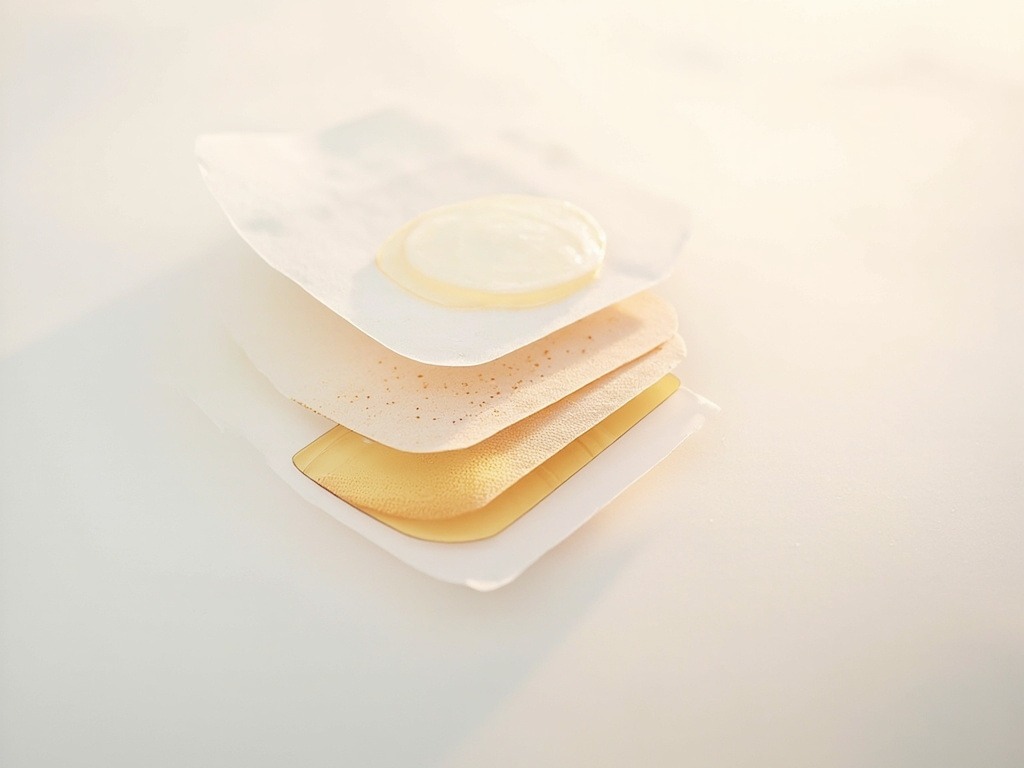
The gel layer is the active element, and its composition varies more than the box suggests. Three families dominate the market, each with a different feel and a different price ceiling.
Hydrogel matrices use a polymer network of polyvinylpyrrolidone or similar hydrophilic chains holding 60–80% water. They start cold immediately because the water is pre-chilled in the fridge, conform closely to facial contours, and lose their cooling gradient after roughly 40 minutes as the water warms to skin temperature. Buyers who want a fast, brief intervention, the classic pre-meeting rescue, tend to prefer this style.
Phase-change gel packs contain a waxy suspension, often a paraffin or fatty-acid blend, that melts near 28–30°C. The melting absorbs latent heat from the skin, which gives a longer cooling plateau, typically 60–90 minutes, at a steadier temperature. The trade-off is a heavier patch and a slower start: the first three minutes feel less intense than a hydrogel.
Menthol-infused strips layer a thin film of l-menthol at 1–3% over a standard hydrogel. Menthol activates the same TRPM8 cold receptors that a 4°C patch does, so the subjective chill feels stronger than the measured skin temperature warrants. People who dislike the medicinal odor skip this style; people who find plain cold "not cold enough" usually gravitate to it.
How long to wear it, and how often
Skin under a cooled adhesive experiences mild vasoconstriction followed by reactive vasodilation once the patch is removed. Cycling on and off, 20 minutes on, 20 minutes off, generally produces a more comfortable experience than leaving a single patch in place until it warms. Most consumer inserts recommend a maximum continuous wear of 8 hours, which covers a full sleep cycle for users who apply the patch right before bed.
Repeated daily use over weeks is well-tolerated in healthy adults, but two boundary conditions deserve attention. People with cold-induced urticaria, sometimes called cold allergy, should test a small patch on the inner forearm for ten minutes before applying to the face. Anyone with Raynaud phenomenon affecting the fingers should avoid inner-wrist placement because the additional vasoconstriction can trigger a flare.
Safety considerations for pregnancy and children
Because no active drug crosses the skin, cooling patches are widely treated as a low-risk option during the second and third trimesters of pregnancy. First-trimester users tend to limit application to the forehead and nape rather than the inner wrist, both because the wrist is more cosmetically inconvenient and because skin sensitivity rises during early pregnancy. Direct comparison data against oral paracetamol for tension-type discomfort in pregnancy is limited, so most clinical handouts frame the patch as an adjunct rather than a replacement.
For children aged three and up, the same hydrogel products are usually acceptable, with two adjustments. The forehead or temple site is preferable to the nape, where a restless sleeper can dislodge the patch into bedding. Parents also tend to choose pediatric-sized strips that span 4–5 cm rather than the 7–8 cm adult width, which limits the gel-to-skin contact area and reduces the risk of overcooling a smaller head.
Children under three, and anyone with compromised skin integrity, broken skin, cryoglobulinemia, or active facial eczema in the application area, should avoid the product entirely. A short patch test on the inner forearm remains the simplest rule of thumb for any first-time user.
Comparing four common consumer formats
Standalone gel sheets, menthol-coated strips, reusable gel wraps that snap back into a freezer pouch, and phase-change sleep masks each address a slightly different buyer need. The table below summarizes how they stack up on the criteria that matter most at the point of purchase.
| Format | Onset of cooling | Duration per use | Reusable? | Typical carrying format |
|---|---|---|---|---|
| Disposable hydrogel sheet | Under 30 seconds | 30–45 minutes | No | Single foil sachet, fits in a wallet or passport pouch |
| Menthol-coated strip | 1–2 minutes | 45–60 minutes | No | Single sachet, slightly larger due to the aroma barrier layer |
| Reusable gel wrap | After 2 hours in a freezer | 20–30 minutes out of the freezer | Yes, 30–50 cycles | Plastic clamshell with a hook-and-loop strap |
| Phase-change sleep mask | 3–5 minutes | 60–90 minutes | Yes, with re-cooling between uses | Contoured eye cup with an elastic band |
Travelers who want to slip the patch into a carry-on tend to pick the disposable sachet because it weighs roughly 8–12 g and triggers no questions at security. Home users with a freezer drawer often prefer the reusable wrap because the per-use cost drops by an order of magnitude after the fifth cycle.
Limitations and what the patch cannot do
An ice patch is a sensory override, not a treatment. It will not shorten a migraine attack that has already begun, will not prevent a vestibular migraine, and will not replace evaluation by a clinician when episodes become more frequent than four per month or come with new neurological symptoms such as visual field loss, persistent numbness, or a fever. Anyone whose headache pattern has shifted in the past 90 days, especially after age 50, should raise the change with a primary-care provider rather than self-treat indefinitely. Pregnant users in the third trimester who find that headaches are suddenly more frequent should likewise seek a clinical review, because pre-eclampsia can present with head pain and visual changes.
Two practical side effects are worth flagging. First, the adhesive can leave a faint residue on the forehead, which washes off with warm water and a mild cleanser; alcohol-based removers are unnecessary and tend to dry the skin. Second, very cold patches applied for more than 30 minutes at room temperatures below 18°C can cause a superficial cold burn in users with thin or fragile skin; the simple remedy is to remove the patch for five minutes once the initial cooling phase has passed.
A short buyer checklist before you commit
- Decide whether you need a one-time travel rescue or a reusable home tool, because the format choice follows from the answer.
- Check the sachet weight and dimensions if the patch must live in a carry-on or a passport wallet.
- Read the menthol percentage if you are sensitive to strong odors or live with young children who may try to remove the patch and touch their eyes.
- Confirm the gel is free of added fragrances and dyes if you have a history of facial eczema.
- Plan a 10-minute inner-forearm test on first use, even if you have no known skin sensitivities.
Used within these boundaries, a migraine ice patch is one of the lowest-cost, lowest-intervention tools available for episodic head discomfort and the related sleep and motion symptoms that travel and stress tend to amplify.
Henan Hanmeng Bio-Tech develops private-label cooling patch formats for consumer wellness brands, including hydrogel, menthol, and phase-change variants, with packaging configurations tailored to retail and travel channels.
CATEGORIES
LATEST NEWS
- Sinew-Bone Pain-Bi Patch Private Label Manufacturer Supply Agreements
- What Hand Mask Custom Packaging Supplier Quotes Overlook
- Kids Herbal Foot Patch Contract Manufacturer: Safety Specifications First
- Mugwort Steam Eye Mask Private Label Manufacturer Readiness Check
- Mugwort Essential Oil Custom Formula Supplier: Formulation Approval Milestones
CONTACT US
QQ: 396269538
Phone: 17796669065
Tel: 17796669065
Email: 396269538
Add: Room 001, 1st Floor, Building 1, Zhengzhou Hangmei International Smart City, Intersection of S102 and Nanquan Road, Xuedian Town, Xinzheng City, Zhengzhou, Henan Province, China