Technological innovation
migraine patch: consumer field guide for non-prescription use
Technological innovation 2026-08-01 10:00:55 126 views admin
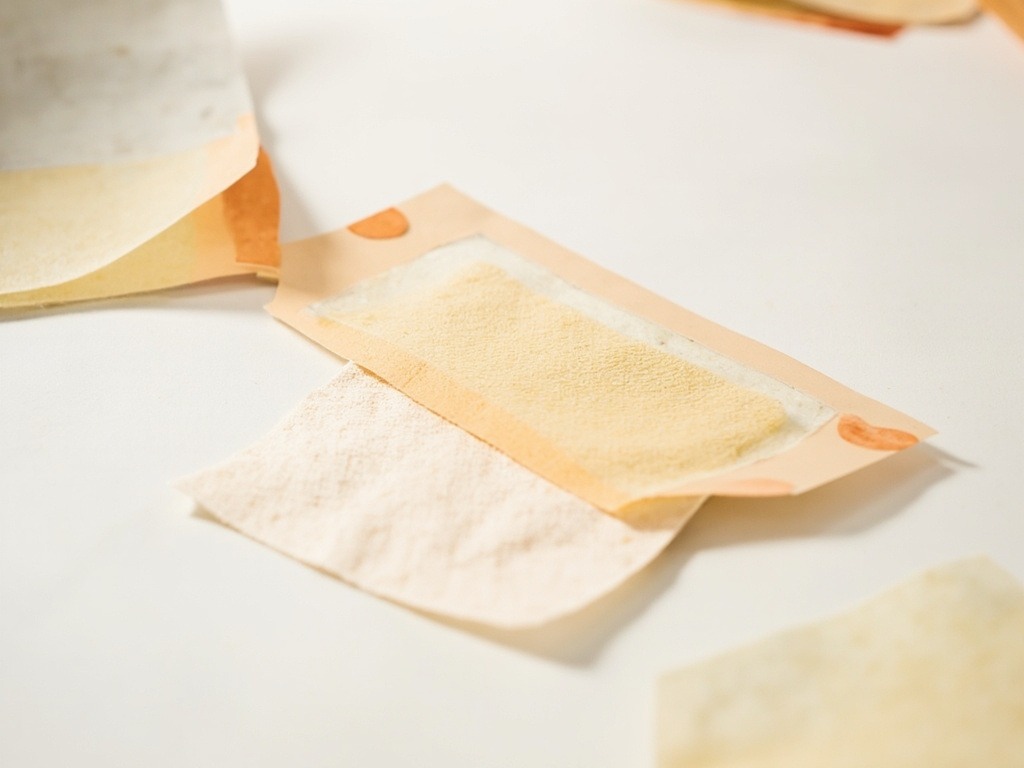
Best for: frequent travelers with motion-triggered headaches, shift workers fighting jet lag, adults managing mild anxiety between doses, light sleepers looking for a wind-down routine
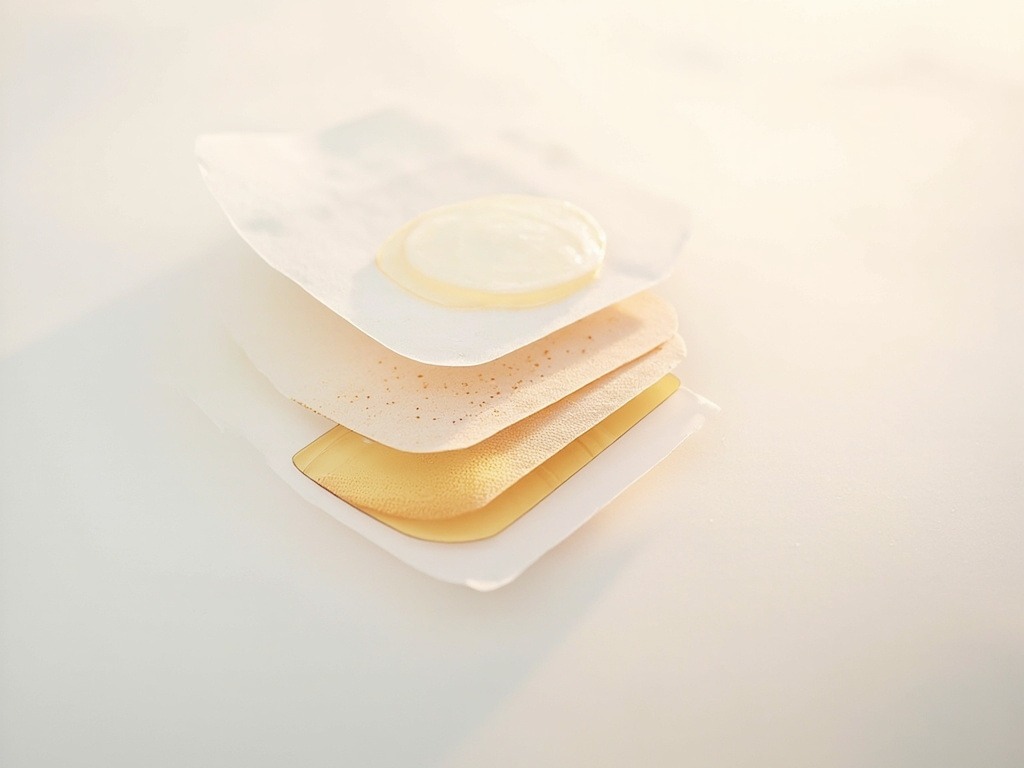
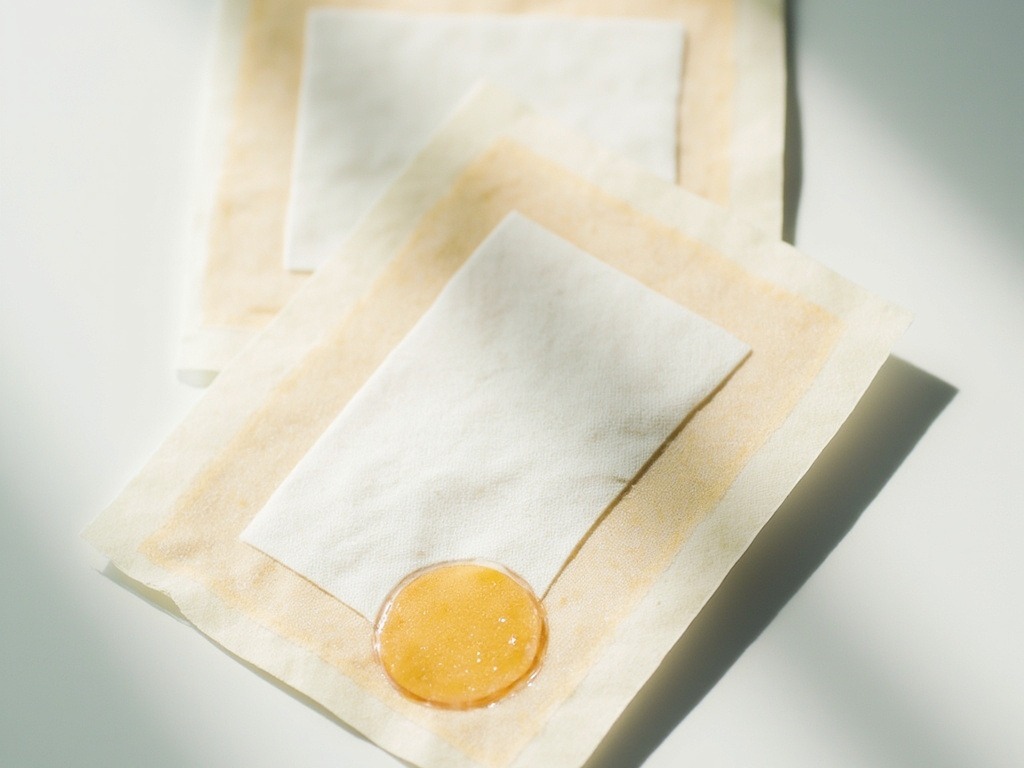
A non-prescription "migraine patch" is usually a topical sticker that cools, warms, or slowly releases soothing ingredients onto the skin. It is not a medicine for acute migraine attacks and will not replace triptans or other prescribed therapies. What it can do is take the edge off three overlapping complaints: queasiness from motion, foggy hours after a long flight, and the tense-neck anxiety that often shows up before sleep. Most patches in this category are sold over the counter in pharmacies, wellness stores, and travel kit sites, and they share a few common designs: hydrogel sheets that cool on contact, menthol-eucalyptus blends that open the nasal passages, and acupressure-style patches that sit on the wrist or behind the ear.
What the patch actually does, scene by scene
Think of the patch as a wearable cue rather than a treatment. The strongest consumer feedback comes from four scenarios where the trigger is short-lived and the symptom is more discomfort than pain.
- Motion sickness on a winding road or small boat. A patch placed 30-60 minutes before travel on the wrist or behind the ear gives the menthol and ginger aromas time to work into the user's breathing rhythm. Re-apply after 6 hours if the journey continues.
- Jet lag on day one of arrival. A lavender and peppermint patch worn at the new local bedtime helps signal "lights out" to a brain still running on the old time zone. Pair it with dim lighting and the patch becomes a habit anchor, not a sleeping pill.
- Mild anxiety before a meeting, flight, or scan. Acupressure-style patches that press on the P6 point on the inner wrist are the same idea as the wristbands sold for pregnancy nausea. The pressure is gentle, the effect is subtle, and most users feel it as a slow exhale rather than a jolt.
- Light sleep or restless nights. Cooling hydrogel patches on the forehead or the back of the neck lower skin temperature by 1-3°C, which is the same drop the body triggers naturally when it prepares for sleep. The patch is a shortcut for that signal.
Ingredients and what each one is for
Reading the back of a patch box is more useful than reading the front. Most non-prescription patches use one or two of the actives below, layered onto a fabric, hydrogel, or adhesive backing.
| Active or material | What it does | Where you usually feel it | Typical wear time |
|---|---|---|---|
| Menthol (1-3%) | Triggers a cooling sensation via TRPM8 receptors in the skin | Forehead, temples, neck | 20-60 minutes of strong effect, up to 8 hours of mild cooling |
| Eucalyptus or peppermint oil | Opens nasal airflow subjectively; some users report easier breathing | Chest, upper lip, behind ear | 2-4 hours of noticeable aroma |
| Lavender oil (linalool, linalyl acetate) | Marketed for relaxation; the strongest evidence is on perceived sleep quality, not on sleep architecture | Pillow, wrist, temple | 6-8 hours overnight |
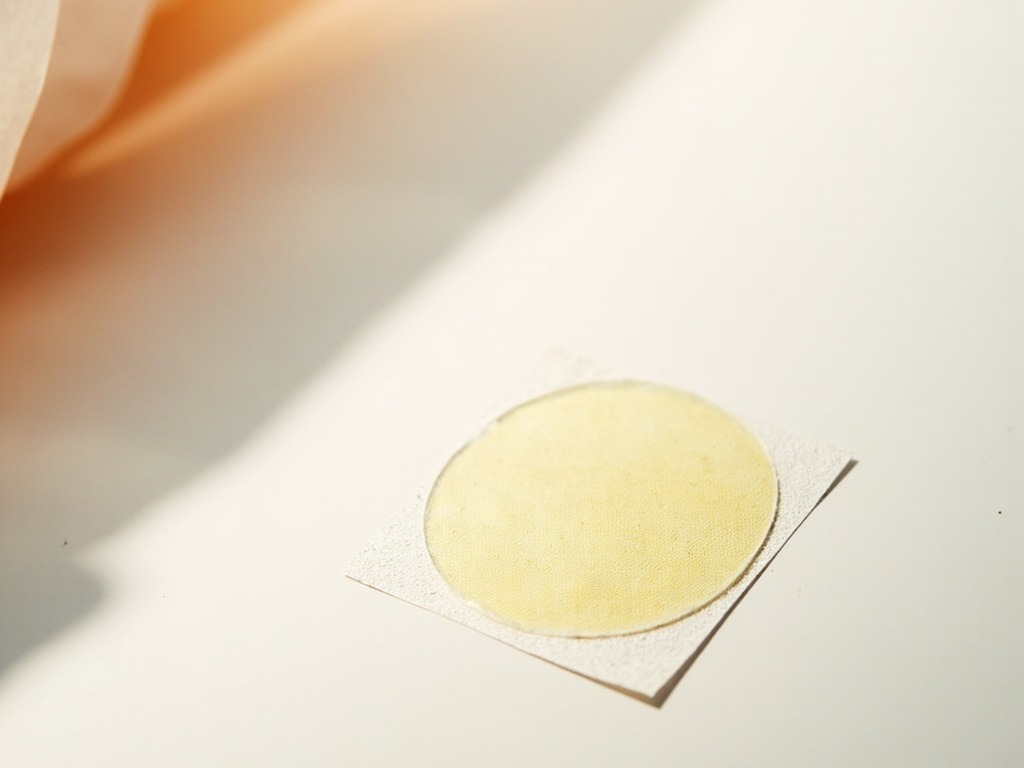
| Hydrogel matrix (polyacrylate, glycerin, water) | Holds moisture against the skin and gives a sustained cool feel | Forehead, under-eye, neck | 4-8 hours |
| Ginger extract | Used in motion patches; the dried-rhizome form has the longest consumer history for queasiness | Wrist, behind ear | 6-12 hours |
If a patch lists a "12-hour" or "24-hour" claim, look at the wear time of the active ingredient, not the adhesive. Adhesives can stick to skin for a day, but menthol and lavender aromas fade much earlier. The honest window is the active window.
Where to put it, and how long to leave it
Placement is not a small detail. The skin on the inner wrist is thin and the blood vessels sit close to the surface, which is why aromatherapy patches often go there. The hairline and the back of the neck are popular because body heat rises from the head and the patch can feel cool without being in the way. Behind the ear is the spot copied from scopolamine motion-sickness patches, which is a prescription-only product in most countries, but the same skin area is used for non-prescription aromatherapy versions.
For most hydrogel patches, the practical steps are the same: clean the skin, dry it, press the patch on for 10 seconds, and wait 15 minutes before judging the effect. If the patch is meant to cool, store it in the fridge for 30 minutes before use; cold patches feel noticeably stronger than room-temperature ones. Remove the patch if the skin turns red, itchy, or blotchy. Do not re-use a single-use patch; the actives are spent after the first wear.
Safety for pregnancy, children, and sensitive skin
The pads are not a drug, but they touch skin that can react, and some of the active ingredients cross into the bloodstream in small amounts. The conservative rule:
- Pregnancy. Menthol and lavender are widely used in pregnancy cosmetics, but ginger and certain essential oils are debated. Skip the patch or check the applicable local requirements before using it on the belly, lower back, or wrist during the first trimester.
- Children under 6. Menthol can slow breathing in very young children when applied near the nose. Use forehead-only hydrogel patches without strong aroma, and only on children old enough to remove the patch themselves.
- Sensitive skin. Test a corner of the patch on the inner forearm for 30 minutes before a full wear. Adhesive allergy is the most common complaint, not the active ingredient.
- Drug interactions. Patches that contain methyl salicylate or capsaicin can interact with blood thinners. If a patch lists "warming" in large print, read the small print for the source of the warming.
None of these rules are a substitute for a conversation with a pharmacist, especially if the user takes daily medication or has a known skin condition such as eczema or psoriasis.
Brand comparison: what is similar and what is different
The non-prescription patch shelf is short and the products on it are converging. The table below compares the consumer-facing features of the three formats you are most likely to find in a pharmacy or travel store, without quoting prices or claims that may shift between batches.
| Format | Common active | Common placement | Best fit | Watch out for |
|---|---|---|---|---|
| Cooling hydrogel sheet | Water, glycerin, menthol, sometimes mint oil | Forehead, neck, temple | Sleep, post-flight cooling, tension headaches | Slippery when sweaty; single-use |
| Aromatherapy sticker | Lavender, peppermint, eucalyptus, ginger | Behind ear, wrist, lapel | Motion sickness, jet lag, pre-sleep wind-down | Aroma fades after 2-4 hours; adhesive can leave residue |
| Acupressure wrist patch | Pressure only, sometimes added magnets | Inner wrist, P6 point | Mild anxiety, nausea, long meetings | Pressure must hit the right spot; magnetic versions are not for people with pacemakers |