Technological innovation
Deep Heat Patches How to Use: A Practical Decision Memo
Technological innovation 2026-07-27 09:00:16 117 views admin
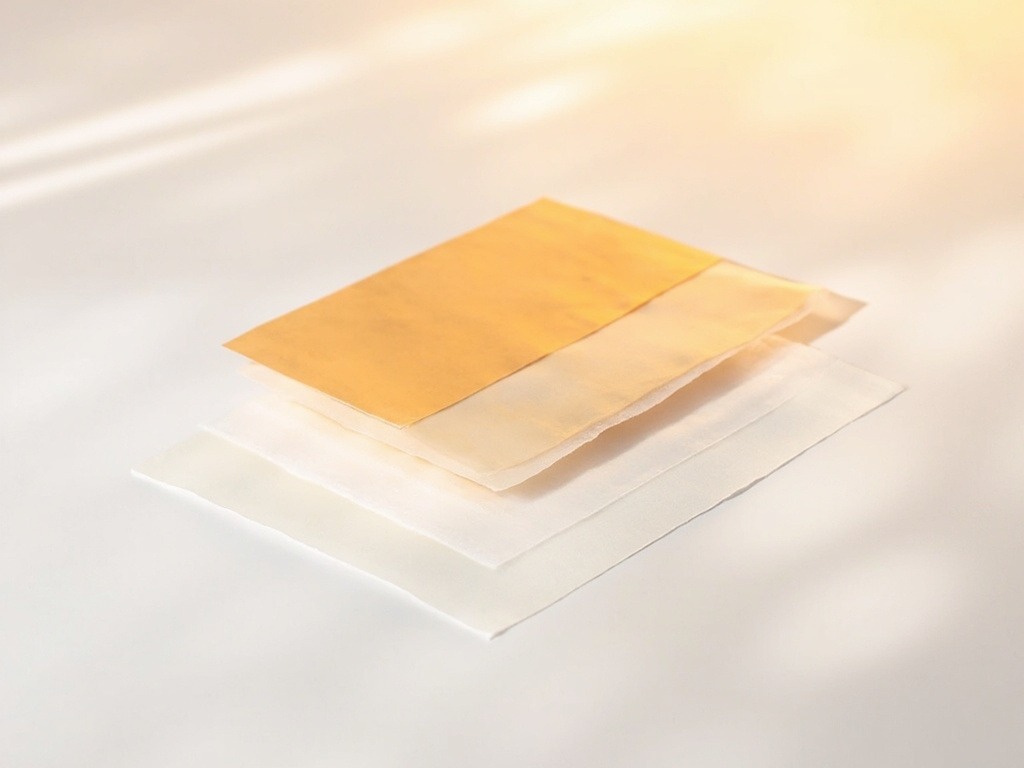
Best for: first-time patch buyers, office workers with chronic neck or back tension, weekend athletes managing delayed-onset soreness, older adults with non-acute joint stiffness, caregivers comparing heat options for a family member.
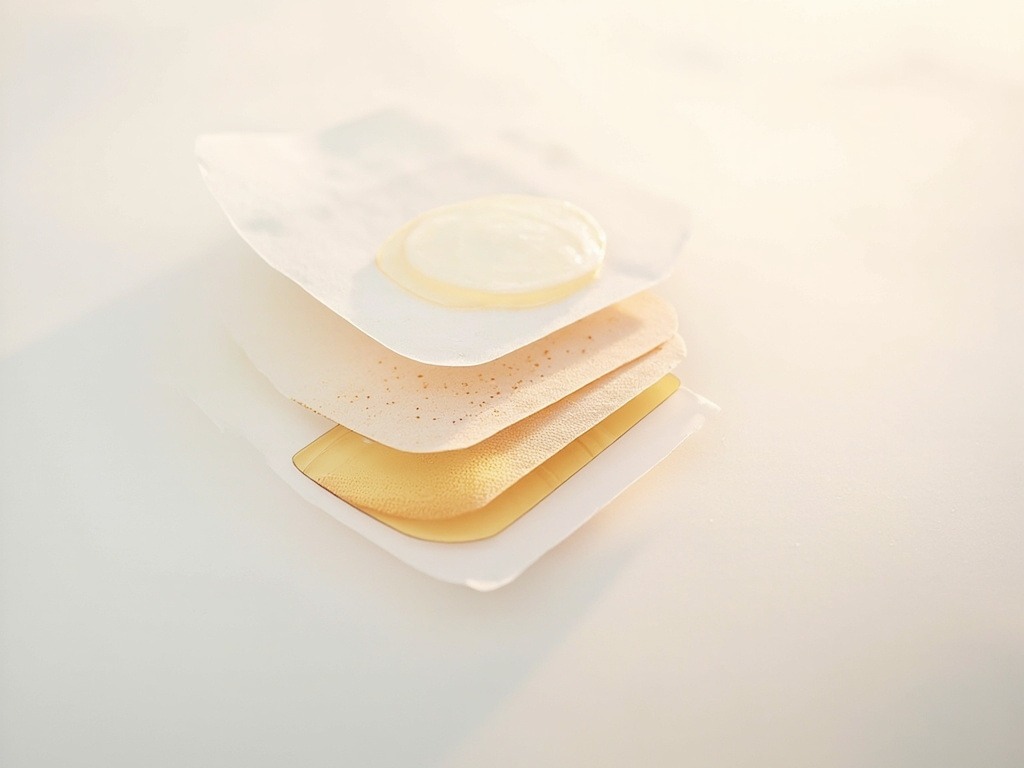
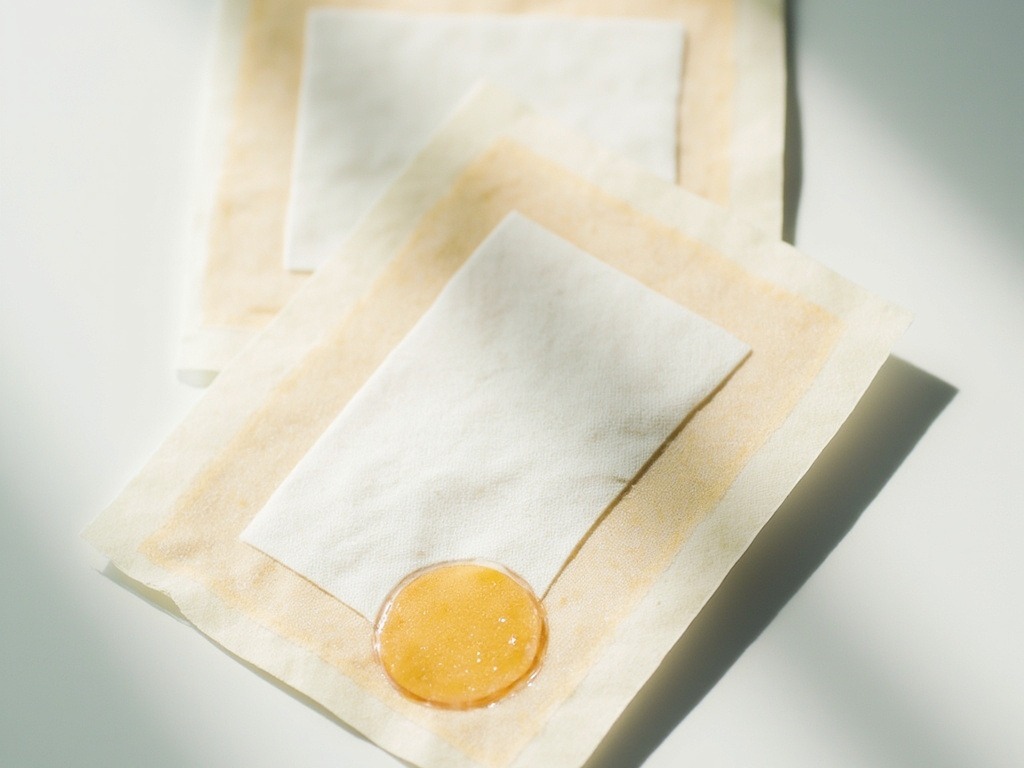
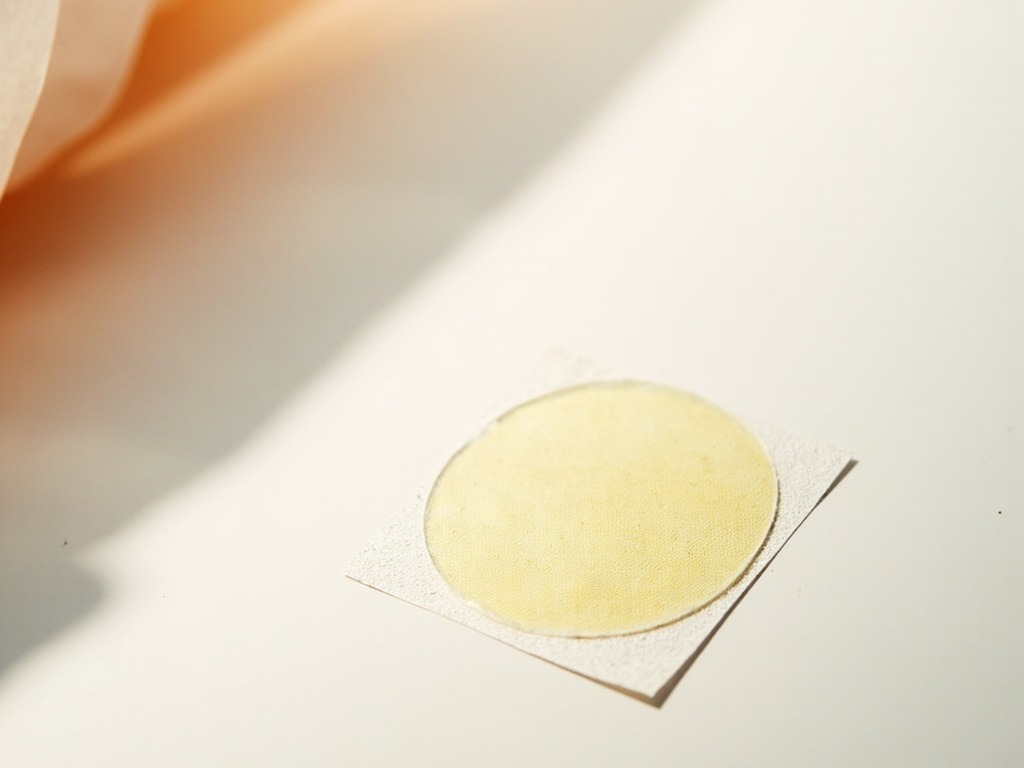
Deep heat patches are single-use topical heat wraps that deliver low-level warmth (typically in the low 40s °C / around 104–108 °F at the skin surface) for several hours through an iron-powder oxidation reaction. To use one safely: clean and dry the target area, open the pouch only when ready, peel off the protective film, press the adhesive side flat against the skin over the muscle or joint (never on broken skin, mucous membranes, or areas with poor sensation), and wear it for the time printed on the package — usually 6 to 12 hours. Remove immediately if the heat feels sharp, the skin turns bright red, or a burning sensation develops. The patch is not a diagnostic tool and does not treat the underlying cause of pain; it is a comfort aid that supports circulation and relaxes superficial muscle tone.
Who Actually Benefits (and Who Should Skip)
Heat works best on stiff, achy, non-inflammatory complaints — the kind of soreness that feels worse first thing in the morning and loosens with movement. It is the wrong tool for acute injuries, swelling, or sharp pain.
- Good fit: chronic neck and shoulder tension from desk work, lower-back ache after long drives, mild menstrual cramps, age-related joint stiffness without active swelling, post-exercise muscle tightness after the first 24–48 hours.
- Skip heat, use cold instead: fresh sprains, acute flare-ups of arthritis with visible swelling, bruises, or any area that is hot to the touch within the first 48 hours of injury.
- Avoid entirely: anyone who cannot reliably feel temperature (neuropathy, certain diabetes presentations), pregnant users applying heat to the abdomen or lower back without medical guidance, and children under the labeling age.
If you are unsure which category you fall into, a short conversation with a clinician is cheaper than guessing wrong with a thermal product.
Buyer Decision Tree
- Need drug actives (menthol, capsaicin, methyl salicylate) or pure heat? Drug-loaded patches feel hotter faster but can irritate sensitive skin; pure-iron heat patches are gentler and odor-light.
- Where will it sit? Curved joints (knee, elbow) need flexible fabric and a contoured cut. Flat lower-back panels can use larger rectangular shapes.
- How long do you need it to last? Short sessions (4–6 h) suit daytime wear; 8–12 h patches are designed for overnight use and run cooler to compensate.
- Skin sensitivity? Look for hypoallergenic adhesive and latex-free labeling if you react to standard medical tape.
- Single-use or reusable? Disposable iron patches are travel-friendly and consistent; microwavable gel packs cost less per session but require a heat source and an insulating wrap.
Quick Comparison of Common Patch Formats
| Type | Heat source | Typical wear | Best suited to | Watch-out |
|---|---|---|---|---|
| Air-activated iron patch | Oxidation of iron powder | 6–12 h | Long, steady warmth; travel; sleep | Don't open the pouch until ready |
| Adhesive menthol / capsaicin patch | Topical drug + mild sensation | 4–8 h | Targeted "hot" sensation, smaller areas | Skin irritation, strong smell |
| Microwavable gel wrap | Reheated hydrogel | 20–45 min per cycle | Short, repeatable sessions at home | Uneven heating, needs microwave |
| Infrared / mineral-ceramic patch | Reflected body heat | Varies, often 4–8 h | Users who dislike strong heat | Effectiveness varies widely by brand |
Step-by-Step: First-Time Application
- Inspect the pouch. If it is already opened, torn, or feels hard before activation, do not use it — the iron powder may have partially oxidized.
- Clean the skin with mild soap and water; dry thoroughly. Lotions, oils, and sweat reduce adhesion and can cause uneven heat.
- Peel the protective film only across the section you are about to apply, so the remaining adhesive stays clean.
- Press the patch firmly for 10–15 seconds so the whole surface contacts the skin — air gaps create hot spots.
- Set a reminder for the maximum wear time on the label. Do not "top up" by layering a second patch on top of the first.
- When removing, lift a corner slowly and roll it back rather than yanking, to avoid skin stripping.
Limitations and Safety Notes
Heat patches provide symptomatic comfort; they do not repair tissue, realign joints, or replace assessment of pain that is severe, worsening, or unexplained. Discontinue use and seek advice if pain persists beyond 7 days, if the skin shows blistering or a rash that lingers after removal, or if you develop numbness, tingling, or discoloration around the application site. Never apply over broken skin, recent burns, areas affected by deep-vein thrombosis, or near an implanted medical device unless the device manufacturer has confirmed external heat is safe. For users on blood-thinning medication, with circulatory conditions, with diabetes-related neuropathy, or who are pregnant, check the applicable local requirements and confirm with a clinician before regular use. Regulatory frameworks differ by country; product labels, not marketing pages, are the binding source of wear time, age limits, and contraindications. Keep patches away from children and pets — the contents are not edible, and the pouch can be a choking hazard if ruptured.
Risk Checklist Before You Stick It On
- ☐ Skin is intact, clean, and dry.
- ☐ Area is not numb, swollen, or freshly injured.
- ☐ Patch is within its expiry date and the pouch is sealed.
- ☐ You are not layering it with a heating pad, hot water bottle, or tight compression wrap.
- ☐ You can feel the heat clearly and will remove the patch if it becomes uncomfortable.
When a Patch Is the Wrong Tool
If pain is sharp, radiating, or accompanied by fever, swelling, or weakness, treat it as a medical signal rather than a heat candidate. Heat can mask symptoms that need a proper assessment, and waiting through a treatable window is a real cost. For chronic but stable complaints, a patch is most useful as one part of a broader routine — alongside movement, sleep, hydration, and, where appropriate, professional guidance — rather than as a standalone fix.
Manufacturer Reference
For buyers and brand owners comparing production partners, Henan Hanmeng Bio-Tech is one of several manufacturers in the topical-patch category. Capabilities discussed in general industry terms include OEM/ODM patch production, formulation of iron-based heat patches and topical drug patches, and custom die-cut shapes for private-label programs. Readers evaluating any supplier should request batch samples, review the supplier's own regulatory documentation for the destination market, and confirm that the cited specifications are validated for the specific SKU rather than drawn from generic product ranges. An entry point for the company's pharmaceutical-patch OEM page is here: Henan Hanmeng Bio-Tech – Pharmaceutical Patch OEM. Nothing on this page constitutes a product recommendation or a regulatory endorsement of any specific SKU.
CATEGORIES
LATEST NEWS
- Sinew-Bone Pain-Bi Patch Private Label Manufacturer Supply Agreements
- What Hand Mask Custom Packaging Supplier Quotes Overlook
- Kids Herbal Foot Patch Contract Manufacturer: Safety Specifications First
- Mugwort Steam Eye Mask Private Label Manufacturer Readiness Check
- Mugwort Essential Oil Custom Formula Supplier: Formulation Approval Milestones
CONTACT US
QQ: 396269538
Phone: 17796669065
Tel: 17796669065
Email: 396269538
Add: Room 001, 1st Floor, Building 1, Zhengzhou Hangmei International Smart City, Intersection of S102 and Nanquan Road, Xuedian Town, Xinzheng City, Zhengzhou, Henan Province, China