Technological innovation
anti nausea patch otc
Technological innovation 2026-07-24 10:00:25 116 views admin
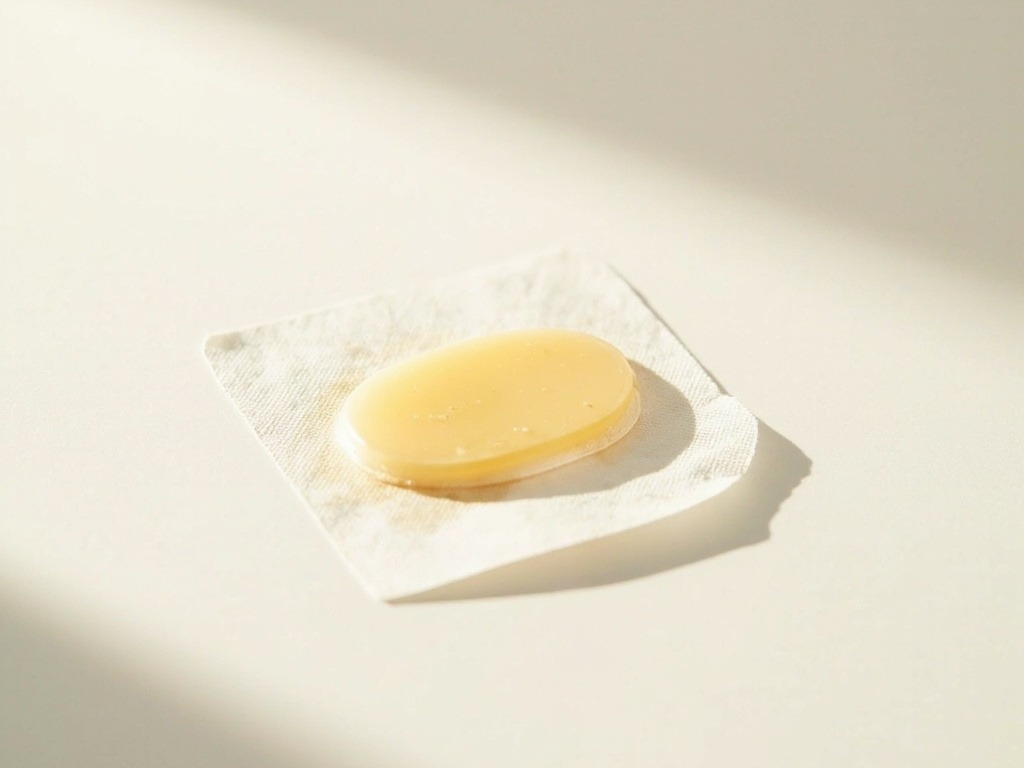
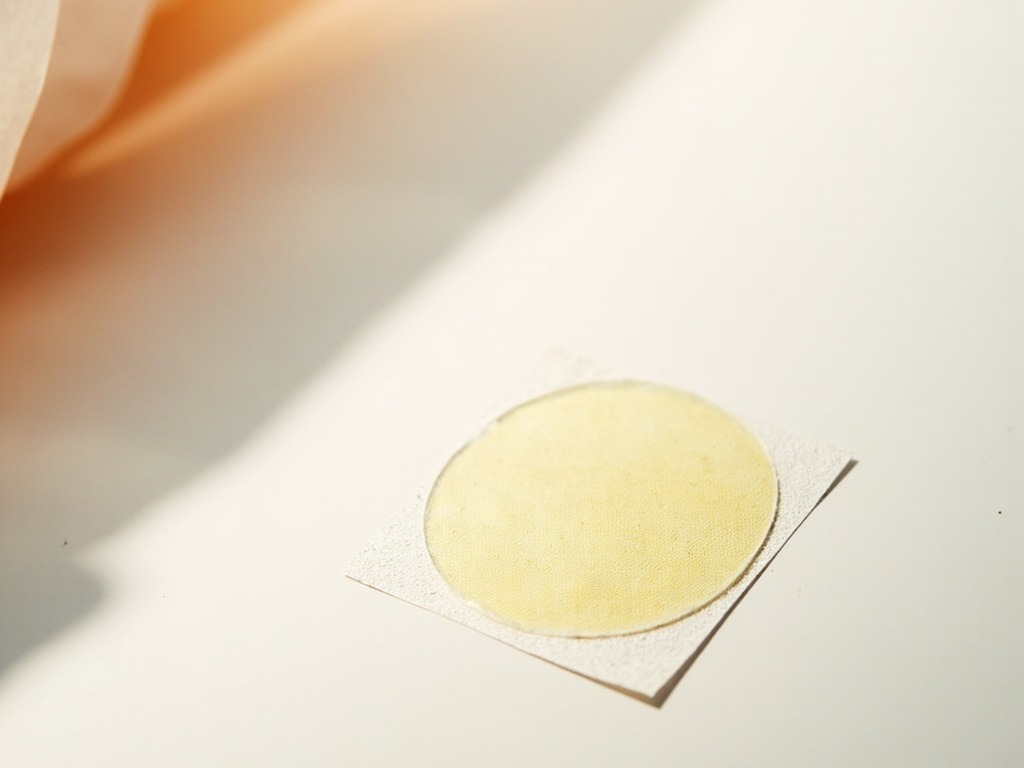
For most adults with mild, motion- or queasiness-triggered nausea, an OTC anti-nausea patch is a thin transdermal layer that slowly releases an active ingredient — most commonly a B-complex vitamin — across the skin. The tradeoff is real and rarely stated in marketing: a patch that stays on through sweat, sleep, or a long flight is harder to find than the aisle suggests.
Best for: travelers who get queasy on winding roads or boat decks, shift workers and nursing parents who need a hands-free option during the day, anyone sensitive to swallowed anti-nausea tablets.
The two placement choices that actually matter
Where a patch sits on your body changes how it feels, how long it lasts, and how visible it is. Comparing the common options honestly:
| Placement | Typical use | Where it tends to fail |
|---|---|---|
| Behind the ear (mastoid) | Motion nausea, quick on/off | Dislodged by glasses, headphones, masks, or hair |
| Inner wrist / pulse point | Daytime wear under clothing | Wrist movement + sweat lift edges faster; visible when sleeves roll up |
| Upper arm / shoulder blade | Longer wear (sleep, flights) | Harder to check adhesion; peeling unnoticed until effectiveness drops |
The decision rule: if you need it for under 8 hours and won't wear glasses or a mask, behind the ear is the lowest-friction choice. Beyond that, an upper-arm placement stays put more reliably but requires a mirror or helper to inspect the edge.
Three formulation families you'll actually see
Most OTC anti-nausea patches are not pharmaceutical in the prescription sense. They typically fall into one of these buckets:
- Vitamin-based (B1/B6 or B12): the most common shelf option. Scented versions use peppermint or ginger aromatics as an additional cue. Limit: aromatic effect plateaus within a couple of hours for some wearers.
- Herbal-blend (ginger, fennel, lavender): gentler on sensitive skin, but adhesion can be weaker in oily or hairy areas.
- Pressure-only (acupressure-style): a non-medicated band worn at the wrist, often classified differently from adhesive patches. Limit: not actually a "patch" in the transdermal sense, so check the label before comparing.
A short buyer checklist
- Confirm the active ingredient is listed on the outer carton, not only on an inner sachet.
- Check stated wear time vs. your actual use window (a 24-hour patch in a 4-hour flight is wasteful; a 6-hour patch on a 12-hour shift is too short).
- Patch size and adhesive type matter more than color or scent — small, flexible patches conform better at the edges.
- If you wear a continuous glucose monitor or other medical adhesive, place the patch on the opposite side of the body to avoid peel-off conflicts.
Limitations and safety
OTC anti-nausea patches address mild, situational queasiness. They are not a substitute for evaluation when nausea is severe, persistent, or paired with fever, sudden pain, dehydration, or neurological symptoms — those warrant a clinician. Skin irritation at the application site is the most common complaint; rotate placement and discontinue if redness persists after removal. Pregnant users should review any ingredient with their prenatal provider before regular use. Aromatherapy versions are not essential-oil dose-controlled and may irritate asthma in enclosed spaces. Keep products out of reach of children, and avoid applying over broken skin or near the eyes.
When a custom formulation makes sense
For brands and private-label buyers exploring an OTC anti-nausea line, the practical questions are formulation stability under heat (a patch that softens in a car's glovebox loses adhesion), adhesive skin compatibility across climates, and packaging that protects volatile aromatic oils. A manufacturer working across transdermal and topical formats can typically iterate on these together rather than as three separate jobs.
For OEM options on a pharmaceutical-grade transdermal patch line, see Hanmeng Bio-Tech's pharmaceutical patch OEM capabilities. All specifications, certifications, and minimum order quantities should be confirmed directly with the manufacturer rather than inferred from this overview.


CATEGORIES
LATEST NEWS
- Sinew-Bone Pain-Bi Patch Private Label Manufacturer Supply Agreements
- What Hand Mask Custom Packaging Supplier Quotes Overlook
- Kids Herbal Foot Patch Contract Manufacturer: Safety Specifications First
- Mugwort Steam Eye Mask Private Label Manufacturer Readiness Check
- Mugwort Essential Oil Custom Formula Supplier: Formulation Approval Milestones
CONTACT US
QQ: 396269538
Phone: 17796669065
Tel: 17796669065
Email: 396269538
Add: Room 001, 1st Floor, Building 1, Zhengzhou Hangmei International Smart City, Intersection of S102 and Nanquan Road, Xuedian Town, Xinzheng City, Zhengzhou, Henan Province, China