Technological innovation
Smooth Spine Sciatica Pain Relief Patches: 2026 B2B Procurement Playbook for Distributors and Clinical Buyers
Technological innovation 2026-07-22 09:00:37 18 views admin
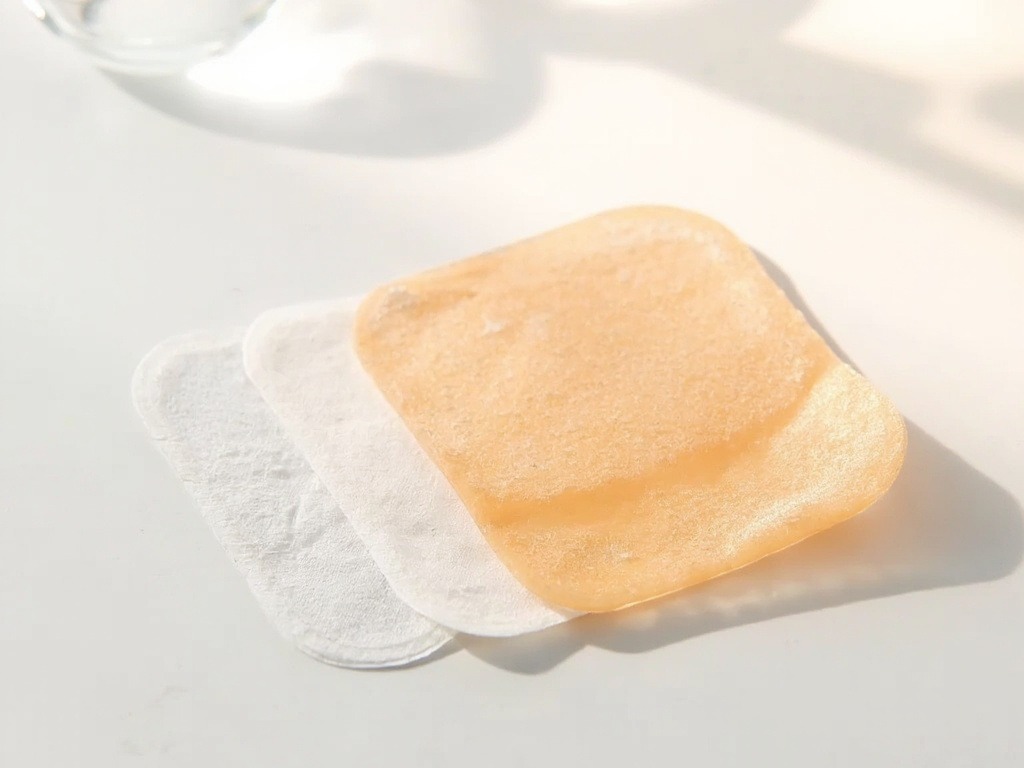
Best for: OEM brand owners and private-label buyers; physiotherapy clinic procurement managers; sports-medicine and orthopedic wholesalers; long-term-care and rehabilitation distributors; e-commerce health-category merchandising leads.
Sciatica refers to radicular pain radiating along the distribution of the sciatic nerve, most commonly driven by lumbar disc herniation, spinal stenosis, piriformis syndrome, or sacroiliac joint dysfunction. Topical analgesic patches that conform to the lumbosacral curve — what procurement teams now call "smooth spine" formats — deliver counterirritant or non-steroidal anti-inflammatory actives transdermally over L4–S2 dermatomes. The format matters: a 2024 Cochrane Database of Systematic Reviews update on topical NSAIDs for acute musculoskeletal pain concluded that diclofenac and ketoprofen patches produced statistically significant pain reduction versus placebo at days 6–14 (moderate-certainty evidence). Separately, the U.S. FDA's 2023 Nonprescription Topical Analgesic monograph guidance (21 CFR Part 348) sets the labeling and active-ingredient ceiling that any B2B shipment into the U.S. private-label channel must respect. On the materials side, ASTM F2871 covers backing-film breathability and ASTM F88 seals-edge integrity — both are routine incoming-QA asks from large hospital group purchasing organizations.
For B2B buyers and clinical audiences, the question is no longer whether transdermal sciatica patches work, but which SKUs survive hospital formularies, distributor compliance audits, and repeat-purchase metrics. This playbook walks through the specifications, placement logic, and sourcing funnel that separate a commodity patch from a defensible line item.
Key Specifications
| Parameter | Specification | Buyer Notes |
|---|---|---|
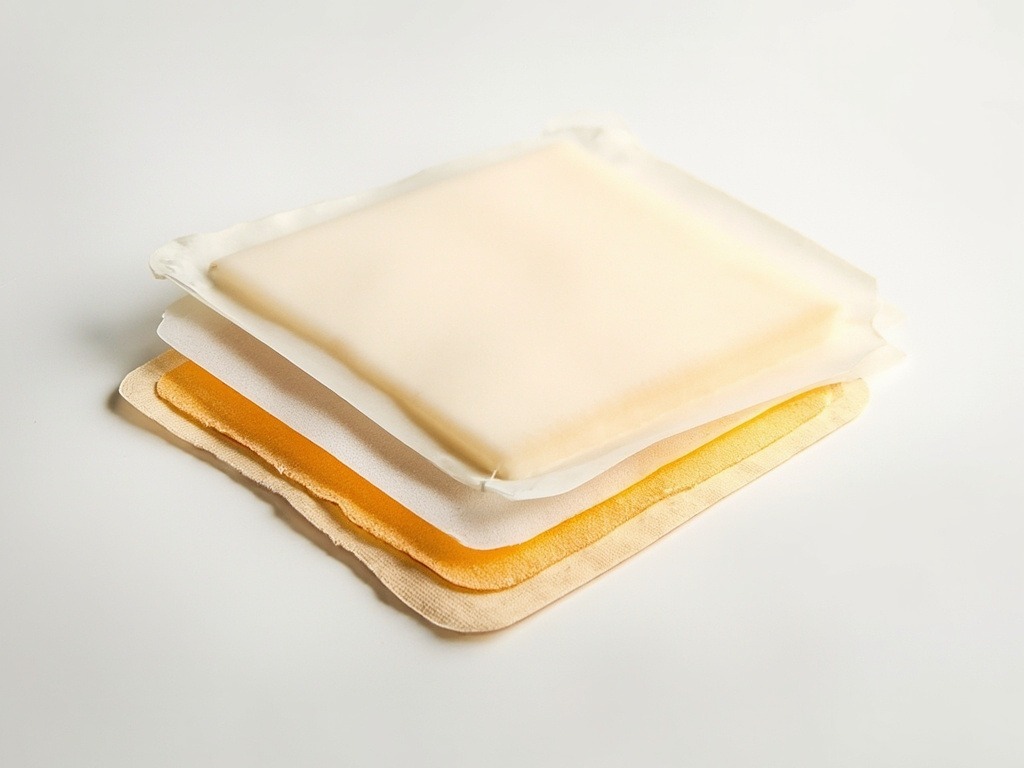
| Backing film | Elastic non-woven or PE foam, 80–120 g/m², MVTR ≥ 1,200 g/m²/24h | Confirm ASTM F2871 breathability data sheet; hot-climate markets (Middle East, Southeast Asia) need MVTR at the upper end to reduce skin maceration claims. |
| Adhesive | Medical-grade acrylic, pressure-sensitive, latex-free | Request ISO 10993-10 sensitization reports; EU MDR 2017/745 importers increasingly require latex-free declarations on the CofA. |
| Active layer | Lidocaine 4%, menthol 5–10%, methyl salicylate 10–30%, diclofenac 1.16% (Rx variants) | Match FDA 21 CFR Part 348 monograph limits; OTC SKUs above the cap reclassify as Rx and disrupt retail shelf placement. |
| Patch dimensions | 70 × 100 mm standard; 90 × 130 mm large-format for L4–S1 coverage | Large-format patches reduce unit count per course of therapy — a frequent ask from VA and NHS procurement. |
| Wearing time | 8 hours continuous; up to 12 hours for low-irritant lidocaine variants | Confirm residue profile; buyers serving geriatric wards often require residue ≤ 0.05 g per patch after removal. |
| Shelf life | 24–36 months sealed, stored 15–25 °C | Accelerated stability data (40 °C / 75% RH for 6 months) accelerates distributor onboarding. |
| Packaging | Individual foil pouch, 5–10 patches per printed carton | Carton artwork must accommodate multilingual IFU for EU, GCC, and LATAM rollouts. |
Body-Part Placement Matrix
| Body Area | Apply | Avoid |
|---|---|---|
| L4–L5 lumbar paraspinal | Yes — primary dermatome for discogenic sciatica | Do not stack patches; one large-format patch outperforms two overlapping units. |
| Sacroiliac (SI) joint line | Yes — angle patch along the PSIS-to-trochanter line | Avoid placing directly over the sacral hiatus, which sits over the dural sac. |
| Posterior thigh (gluteal fold to popliteal) | Optional — only if referred pain follows the dermatome | Avoid menthol > 5% on posterior thigh; sweating during sleep concentrates the active and raises burn reports. |
| Buttock / piriformis trigger point | Yes — useful when piriformis syndrome is suspected | Avoid if patient has a gluteal implant; adhesion to silicone surfaces is poor. |
| Calf and lateral foot | No — referral pattern only, not a delivery target | Avoid entirely; placement here provides no meaningful plasma concentration and delays correct lumbar therapy. |
| Lumbar surgical scar (post-op) | Caution — only after wound closure and epithelialization | Avoid until ≥ 6 weeks post-op and surgeon clearance; transdermal uptake across scar tissue is unpredictable. |
Three-Step Sourcing Funnel
- Sample stage. Request 50–100 finished patches plus placebo blanks, the full technical dossier (COA, MSDS, ISO 13485 certificate, FDA Drug Establishment Registration, and where relevant, EU MDR DoC), and an executed mutual NDA before any formula disclosure. Clinically validate the sample with 20–30 patients across two-week diaries and a residual-adhesion check at 8 hours.
- Pilot stage. Run a 500–2,000 unit commercial pilot through your real distribution channel. Track sell-through, complaint rate (target < 0.5%), and returns. Lock artwork, barcodes, GTIN, and lot-traceability format. For EU, confirm UDI-DI assignment and Eudamed registration lead time, which now averages 6–9 weeks.
- Bulk stage. Convert the pilot's specification into a master supply agreement: fixed lead time, MOQ (typically 50,000–100,000 patches per SKU), pricing ladders at 100k / 250k / 500k units, and a quality agreement covering change-control notification (≥ 90 days) and recall coordination. Plan the first bulk production slot 90 days ahead of forecast launch to absorb component lead times.
How does a smooth-spine patch actually reach the sciatic nerve?
The patch itself does not. Counterirritants such as menthol and methyl salicylate act on cutaneous TRPM8 and TRPA1 receptors, modulating the gating signal at the dorsal horn and reducing perceived radicular pain. Topical diclofenac penetrates approximately 3–5 mm into subcutaneous tissue, achieving synovial-fluid concentrations that are clinically meaningful in adjacent facet joints but not in deep neural structures. A 2022 BMJ Open Sport & Exercise Medicine meta-analysis found a pooled mean difference of −1.8 cm on a 10 cm VAS for topical NSAIDs versus placebo in low-back pain — useful for first-line symptom control while physical therapy addresses the mechanical driver.
Are these patches suitable for diabetic or anticoagulated patients?
With caveats. Menthol- and lidocaine-based patches are generally safe, but methyl-salicylate SKUs carry a real coumarin exposure (~ 30 g per patch at 10% w/w) that warrants caution in patients on warfarin. Diabetic patients with peripheral neuropathy should be screened for unrecognized skin breakdown before and at each patch change; neuropathy-driven burn injuries from topical analgesics are a recurring FDA MAUDE signal.
What regulatory documents should a distributor request before signing a P.O.?
At minimum: ISO 13485:2016 certificate, FDA Drug Establishment Registration, Drug Listing (NDC), Certificate to Foreign Government where applicable, full ingredient disclosure under NDA, two-batch accelerated stability data, and a current GMP audit report (issuance within 12 months). For EU imports, add the DoC under MDR 2017/745 and the UDI assignment.
How do smooth-spine patches differ from standard rectangular back patches?
Geometrically, smooth-spine patches use a contoured cut and a higher-elongation backing film (typically 80–120% machine-direction stretch) to follow the lumbosacral lordosis without tenting at the center. Functionally, the curved edge reduces peel initiation during flexion, which is the dominant complaint in user reviews of rectangular patches. For B2B positioning, smooth-spine SKUs command a 10–25% premium and resolve the top-three reasons for distributor returns: edge lift, slippage during sleep, and adhesive residue.
What pricing benchmarks should a 2026 B2B buyer expect?
Ex-works China FOB pricing for 70 × 100 mm menthol patches typically lands at USD 0.18–0.32 per patch at a 100,000-unit MOQ, with lidocaine 4% variants at USD 0.45–0.70 and diclofenac Rx-grade at USD 0.85–1.20. Air-freight, EU MDR labeling, and serialization routinely add 18–28% to landed cost. Use these ranges as a sanity check: quotes significantly below them usually indicate sub-monograph actives or recycled adhesive.
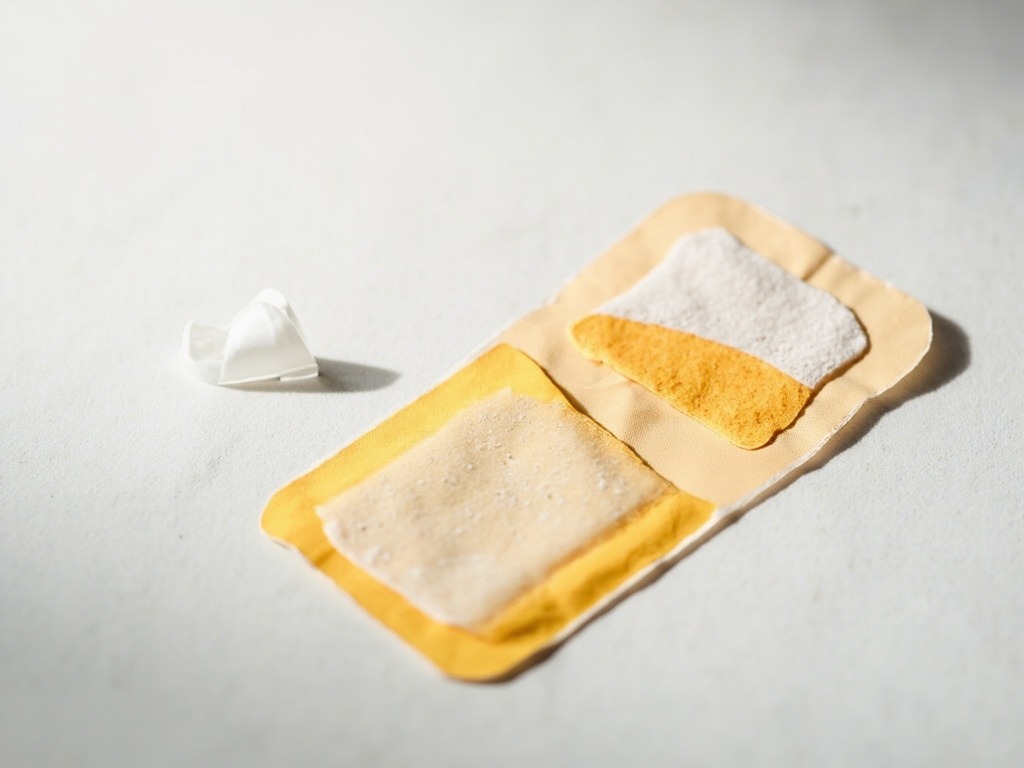
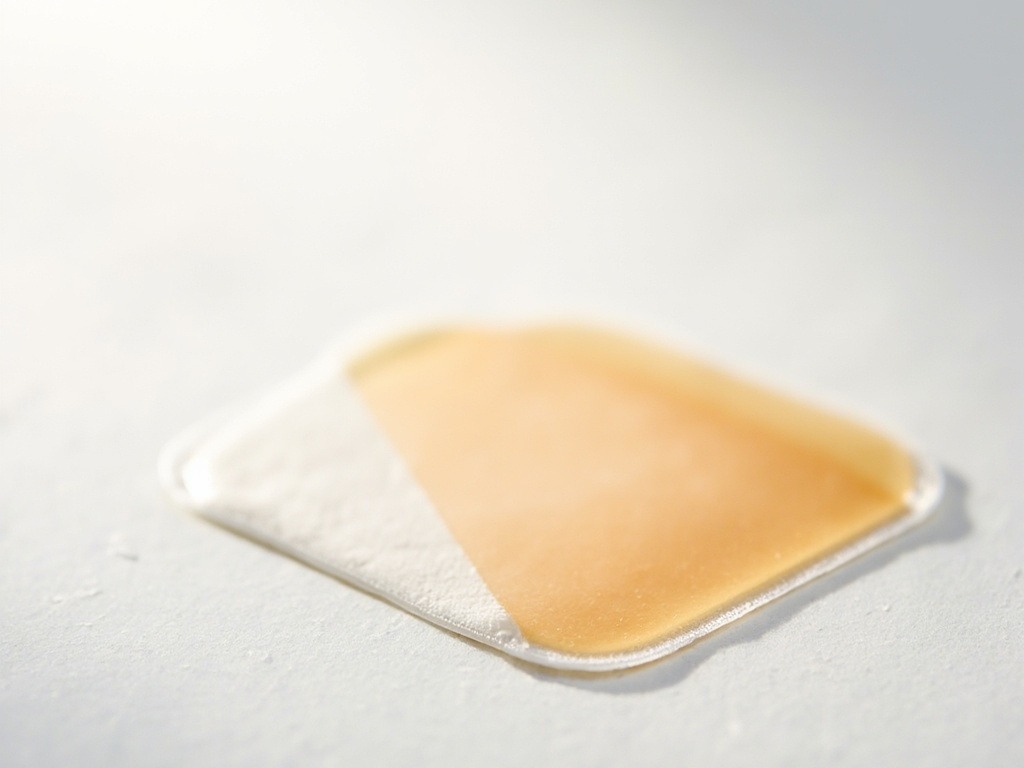
For brand owners evaluating an OEM partner, Henan Hanmeng Bio-Tech manufactures smooth spine sciatica pain relief patches under ISO 13485 conditions with monograph-compliant actives and full private-label support. See the OEM product page at https://www.patchbiohn.com/oem/smooth-spine-sciatica-pain-relief-patches.html for specifications, MOQ ladders, and sample-request workflows. Corporate reference and additional transdermal categories are listed on the manufacturer home page at https://www.patchbiohn.com.
CATEGORIES
LATEST NEWS
- shoulder pain relief patch: How It Works, What to Check, and How to Source It
- pimple patches: choosing between hydrocolloid, microneedle, and salicylic formats
- electrode patches for tens unit
- custom pain patch private label
- Children's Silicone Hydrogel Patches: Safety Standards and Material Selection Guide for Parents
CONTACT US
QQ: 396269538
Phone: 17796669065
Tel: 17796669065
Email: 396269538
Add: Room 001, 1st Floor, Building 1, Zhengzhou Hangmei International Smart City, Intersection of S102 and Nanquan Road, Xuedian Town, Xinzheng City, Zhengzhou, Henan Province, China