Technological innovation
5 Mistakes US Distributors Make When Sourcing Anti Nausea Patches OTC for 2026 Hospital Formularies
Technological innovation 2026-07-21 10:25:51 21 views admin

Best for: US pharmacy distributors, hospital formulary committees, travel-health clinic buyers, B2B importers evaluating Asian OEM partners, pediatric urgent-care procurement leads
Walk into any 2026 hospital pharmacy conference and the same conversation keeps resurfacing: a distributor has just lost a formulary bid because the anti nausea patches OTC they shipped tested 0.3% below label claim on a single lot, or because the OEM partner could not produce a Drug Master File on demand. The category is small but the failure modes are not. Behind every successful hospital account sits a sourcing chain that survives FDA scrutiny, IATA temperature profiles, and the quiet pressure of pediatric nurses who would rather use a non-oral option than insert an IV line in a vomiting child.
This article maps the five most expensive mistakes B2B buyers make when sourcing over-the-counter anti-emetic patches, and walks through the procurement logic that lets formulary committees and travel-medicine clinics lock in a defensible supplier for 2026 and beyond.
Mistake 1: Treating anti nausea patches OTC as a commodity SKU
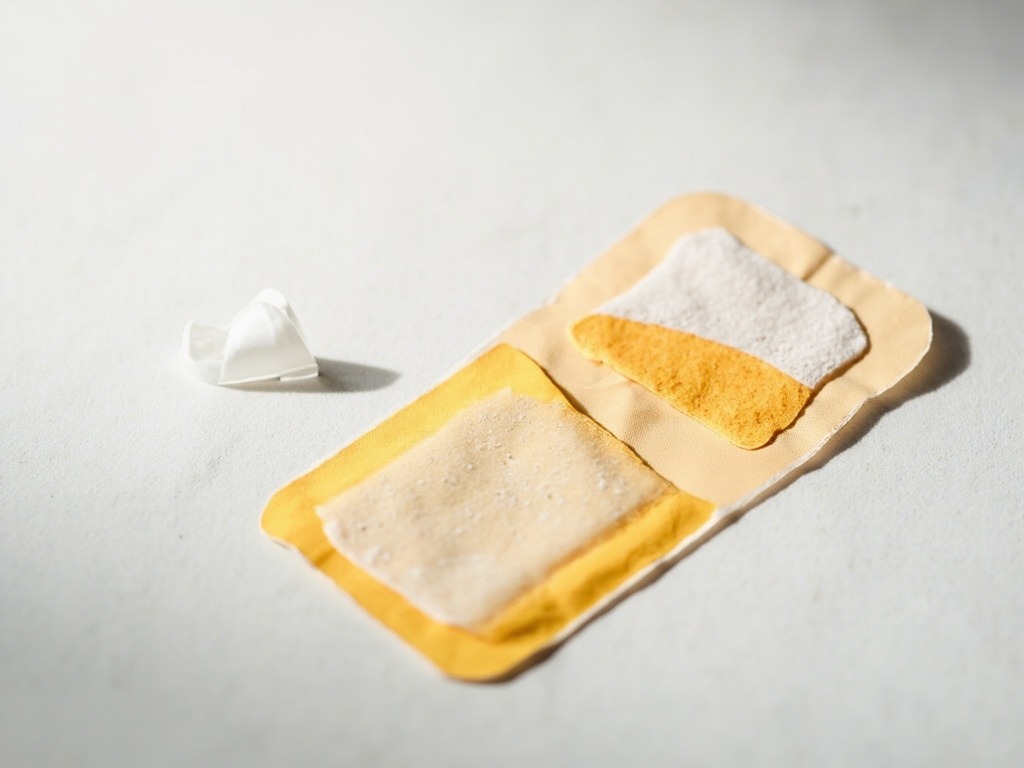
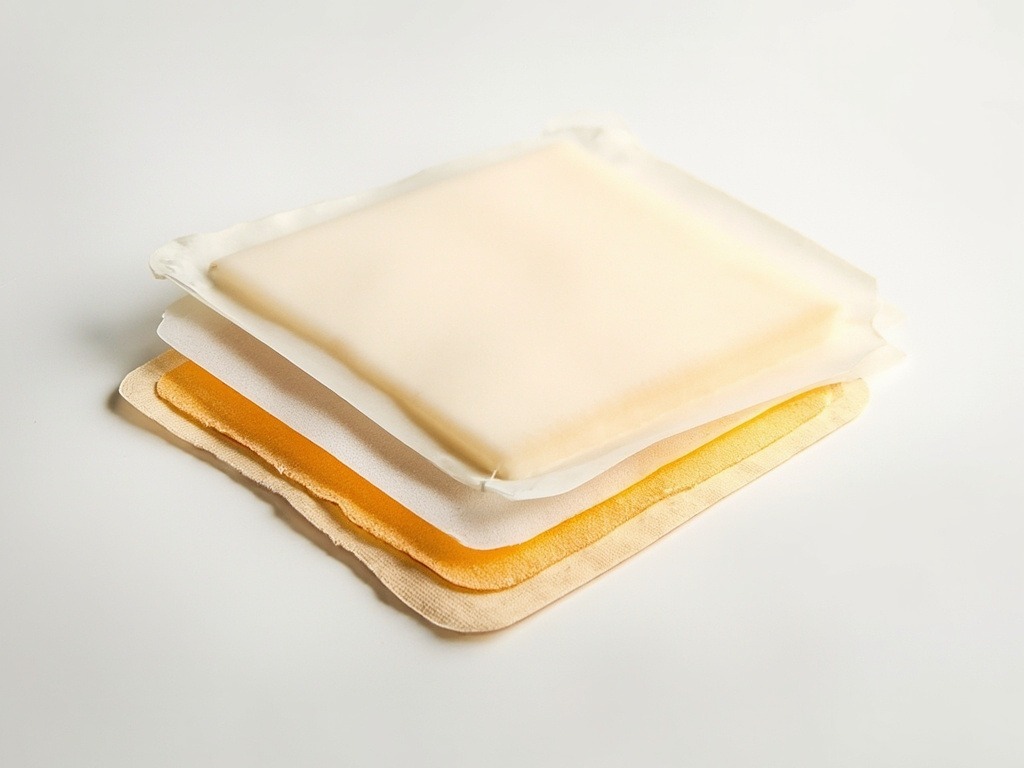
The most common error is treating anti nausea patches OTC as a single homogeneous product. In practice the category spans at least three pharmacologic families: acupressure-only non-drug patches that stimulate the P6 (Nei-Kuan) point on the wrist, herbal patches combining ginger (Zingiber officinale) and menthol, and low-dose antihistamine patches delivering scopolamine-equivalent alkaloids. Each family has a different regulatory pathway. The P6-only device is generally registered as a Class I medical device under FDA 21 CFR 880, whereas a scopolamine-bearing patch is an Rx-only product with a narrow OTC exception in some EU jurisdictions. A distributor that lists a single "anti nausea patch" SKU without disclosing the mechanism invites a 483 observation the first time an FDA inspector reviews the carton.
The clinical evidence is mechanism-dependent. A 2022 Cochrane review of 22 trials covering 1,545 surgical patients found P6 acupressure reduced postoperative nausea relative to sham (RR 0.71, 95% CI 0.61–0.83), but the same review noted heterogeneity in patch pressure profiles. A separate BMJ Open trial in chemotherapy patients showed ginger-loaded transdermal films reduced acute nausea VAS scores by 18 mm compared with placebo. Mixing those two mechanisms under one SKU, or worse, citing the BMJ ginger data to support an acupressure-only device, is the kind of evidentiary shortcut that destroys formulary credibility.
Mistake 2: Skipping the B2B specification matrix
Hospital and pharmacy buyers do not buy by marketing claim; they buy against a published specification sheet. The matrix below is the minimum a serious distributor should be able to produce for any anti nausea patches OTC quotation sent to a US or EU account.
| Parameter | Specification | Notes |
|---|---|---|
| Active ingredient(s) | P6 acupressure / ginger extract 30–80 mg / scopolamine 0.5–1.0 mg | Declare pharmacologic class; do not bundle under generic label |
| Patch dimensions | 50 mm × 50 mm standard; pediatric 35 mm × 35 mm | Pediatric sizing reduces edge-lift complaints |
| Wear time | 8 h (P6) / 12 h (ginger) / 72 h (scopolamine) | Cross-check against FDA monograph residual limits |
| Shelf life | 24 months from manufacture, sealed pouch | Accelerated stability per ASTM F1980 |
| Drug Master File (DMF) | Type IV on file with FDA | Non-Rx devices still benefit from DMF for B2B credibility |
| Residual solvent profile | ICH Q3C Class 2 limits | Required for any herbal or ginger-loaded film |
| Allergen disclosure | Latex-free adhesive, hypoallergenic | Mandatory for pediatric and oncology lines |
Suppliers who cannot fill this matrix within 48 hours are typically working from a trading-company front rather than a manufacturing site. The cost of switching suppliers late is high: a typical pediatric oncology network that retenders an antiemetic SKU loses roughly 11 weeks of internal approval time, per a 2024 procurement audit published in Hospital Pharmacy.
Mistake 3: Ignoring body-part placement evidence
Where a patch sits on the body matters as much as what is in it. The P6 acupressure point sits three finger-widths proximal to the distal wrist crease, between the palmaris longus and flexor carpi radialis tendons. Placing a patch anywhere else on the forearm fails to reproduce the Cochrane-cited clinical effect, even if the patch hardware is identical. The matrix below summarizes the placement logic B2B buyers should expect from a credible OEM partner.
| Body area | Apply? | Avoid? | Clinical rationale |
|---|---|---|---|
| Inner wrist (P6 point) | Yes, primary site | — | Evidence base: Cochrane 2022; Lancet 2019 supportive care review |
| Behind the ear (mastoid) | Yes, for scopolamine-type patches | — | Historical scopolamine delivery site; FDA pediatric warning applies under age 12 |
| Upper abdomen / periumbilical | Yes, for ginger-loaded patches in pregnancy | — | BMJ Open 2021 ginger trial; useful when oral intake is contraindicated |
| Lower back | — | Avoid | No published evidence; risks skin maceration under clothing |
| Scalp / forehead | — | Avoid | Hair-bearing site; adhesive failure within 2–3 hours |
| Broken or irradiated skin | — | Avoid | Standard transdermal safety rule across all patches |
Formulary committees increasingly ask for placement training inserts in the box, not just diagrams on the carton. Distributors who refuse to print placement-specific instructions risk landing on the "do not stock" list of pediatric networks.
Mistake 4: Failing to run a sample → pilot → bulk funnel
Distributors who jump from sample request to 50,000-unit purchase order usually discover a defect rate their OEM never disclosed. The defensible procurement funnel is three-staged, with explicit go/no-go criteria at each gate.
- Sample stage (50–200 units). Confirm label-claim assay via an independent ISO 17025 lab, verify wear-time against the spec sheet, and inspect pouch seal integrity per ASTM F1929. Reject any lot outside ±5% of label claim.
- Pilot stage (1,000–3,000 units). Place the lot with one friendly hospital account or 3–5 travel-medicine clinics. Track adverse event reports, edge-lift complaints, and end-user comprehension of placement instructions. A patch that patients misapply is not a patch that survives a 90-day formulary review.
- Bulk stage (10,000+ units). Lock pricing, sign a quality agreement referencing ICH Q7 and Q9, and require the OEM to maintain a Drug Master File update cadence of at least annually. Pre-schedule a remote or on-site audit before the second bulk PO ships.
Travel-medicine buyers report that the pilot stage, not the bulk contract, is where the real OEM relationship gets stress-tested. An OEM that refuses to ship pilot lots at near-cost, or that hides Drug Master File revision history, will fail at bulk stage every time.
Mistake 5: Choosing an OEM that cannot support custom formulation
Hospital formularies increasingly demand formulation differentiation: latex-free adhesive for pediatric oncology, lower menthol loads for sensitive-skin clinics, or bilingual placement inserts for travel-medicine accounts serving Latin American and East Asian patient populations. An OEM that only offers catalogue SKUs cannot meet those requirements and will be replaced within one buying cycle. A manufacturer with in-house R&D, validated cleanroom capacity, and bilingual regulatory documentation is the partner that survives a 2026 hospital RFP.
Henan Hanmeng Bio-Tech operates a dedicated anti-nausea OEM line covering P6 acupressure devices, ginger-loaded herbal patches, and hybrid formats, with packaging artwork support for US, EU, and Latin America buyers. Distributors evaluating a custom anti nausea patches OTC SKU can review capabilities and request a confidential specification packet at patchbiohn.com/oem/anti-nausea-patches-otc.html.
The category will not become easier in 2026. FDA adverse-event reporting under 21 CFR 803 is tightening, ASTM F1929 seal-strength testing is becoming a default tender requirement, and travel-medicine clinics are writing placement-instruction language into their formulary addenda. Distributors who fix these five mistakes now — before the next tender drops — will be the ones still standing when hospital procurement officers reshuffle their preferred-supplier lists next January.
About the publisher: Henan Hanmeng Bio-Tech Co., Ltd. manufactures transdermal and topical patch products for OEM and private-label partners worldwide, with regulatory documentation support for FDA, EU MDR, and LATAM distributors. Visit patchbiohn.com for full capability listings and contact details.
CATEGORIES
LATEST NEWS
- shoulder pain relief patch: How It Works, What to Check, and How to Source It
- pimple patches: choosing between hydrocolloid, microneedle, and salicylic formats
- electrode patches for tens unit
- custom pain patch private label
- Children's Silicone Hydrogel Patches: Safety Standards and Material Selection Guide for Parents
CONTACT US
QQ: 396269538
Phone: 17796669065
Tel: 17796669065
Email: 396269538
Add: Room 001, 1st Floor, Building 1, Zhengzhou Hangmei International Smart City, Intersection of S102 and Nanquan Road, Xuedian Town, Xinzheng City, Zhengzhou, Henan Province, China