Technological innovation
custom pain patch private label
Technological innovation 2026-07-23 10:00:16 5 views admin
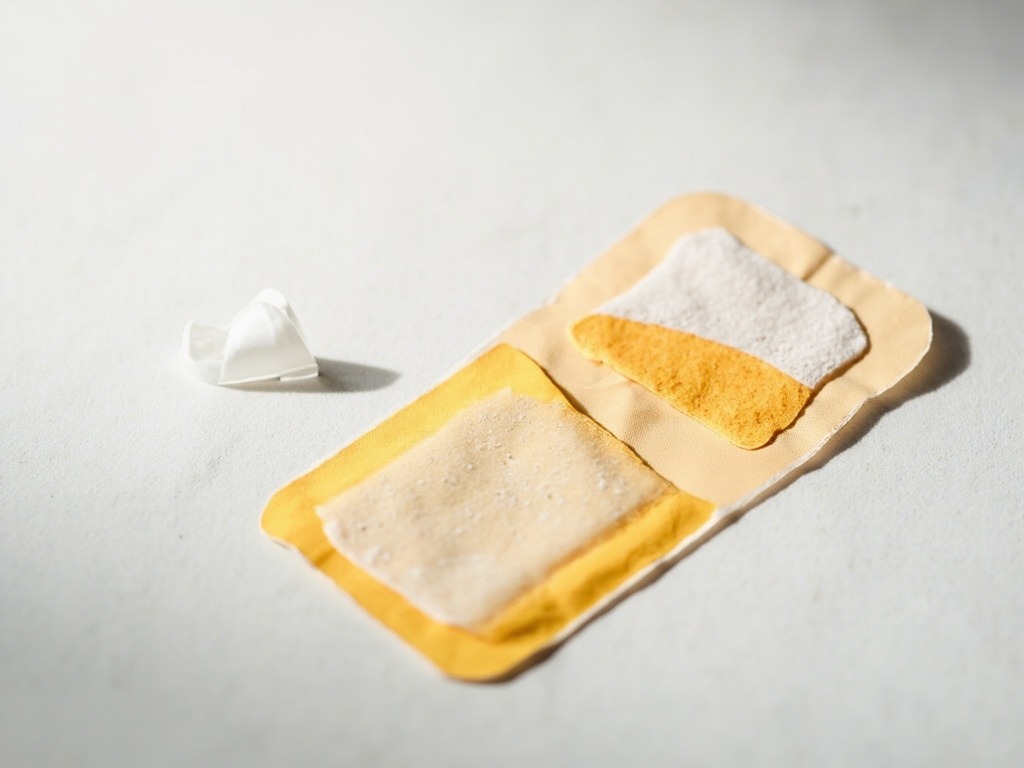
For professional buyers evaluating a custom pain patch private label program, the short answer is this: private label lets you skip a 12–24 month drug-device development cycle by sourcing a finished topical patch from a contract manufacturer and applying your own brand, artwork, and SKU. The work that still belongs to you is regulatory classification of the formula in your target market, label artwork review, and post-market surveillance — none of those transfer with the box.
1. Where private label actually saves time — and where it does not
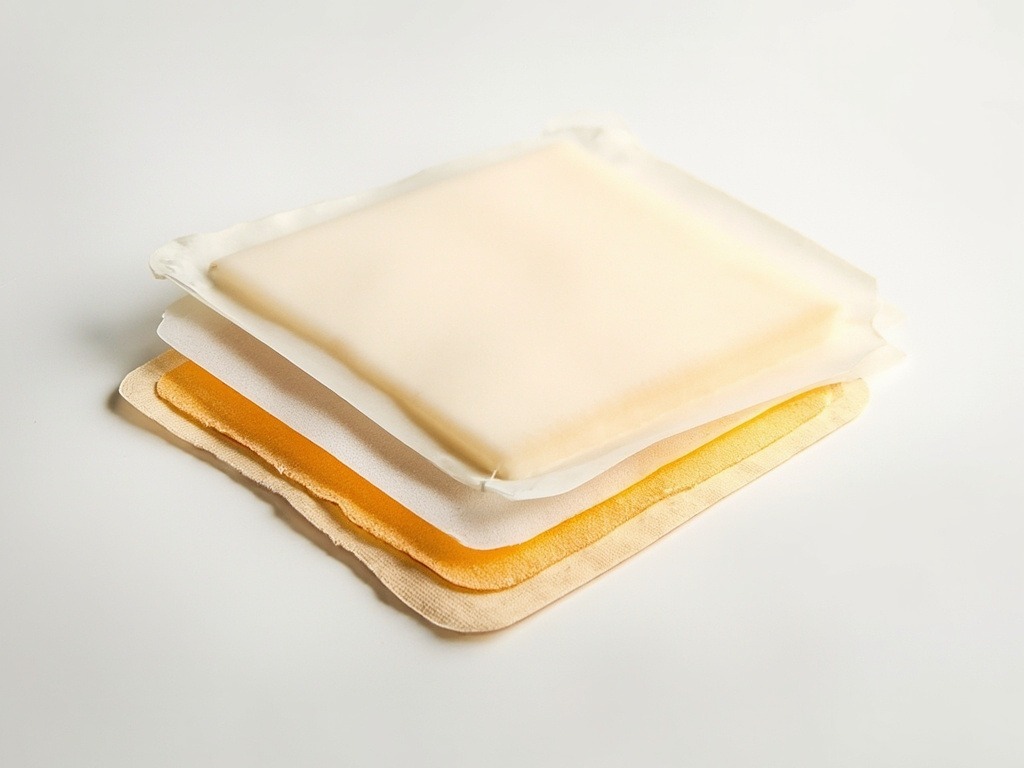
A private label pain patch program typically buys you three things from the manufacturer: a formulated patch (hydrogel, hot-melt adhesive, or non-woven matrix), a finished unit in a pouch or sachet, and a master manufacturing record. What it does not buy you is the regulatory clearance to sell that formula as a cosmetic, a medical device, an OTC drug, or a wellness product — the classification depends on claims, ingredients, and jurisdiction, and that decision is yours to make or to commission. Check the applicable local requirements for each target market before signing a supply agreement, because a formula that ships as a cosmetic in one country can be a topical OTC drug in another.
A practical boundary: if your marketing copy mentions a specific active pharmaceutical ingredient at a therapeutic dose, expect the patch to be regulated as a drug, not a cosmetic, regardless of what the CMO calls it on the quote.
2. Buyer decision tree
Use this as a first-pass filter before requesting samples or quotes.
- Step 1 — Claim scope. Will you market "soothes tired muscles" (lower regulatory burden) or "clinically tested pain relief" (higher, often drug territory)? The answer drives the next three steps.
- Step 2 — Ingredient ceiling. Decide whether you need menthol/methyl salicylate/capsaicin only, or a counter-irritant blend with herbal extracts. Each extra ingredient is a new spec line.
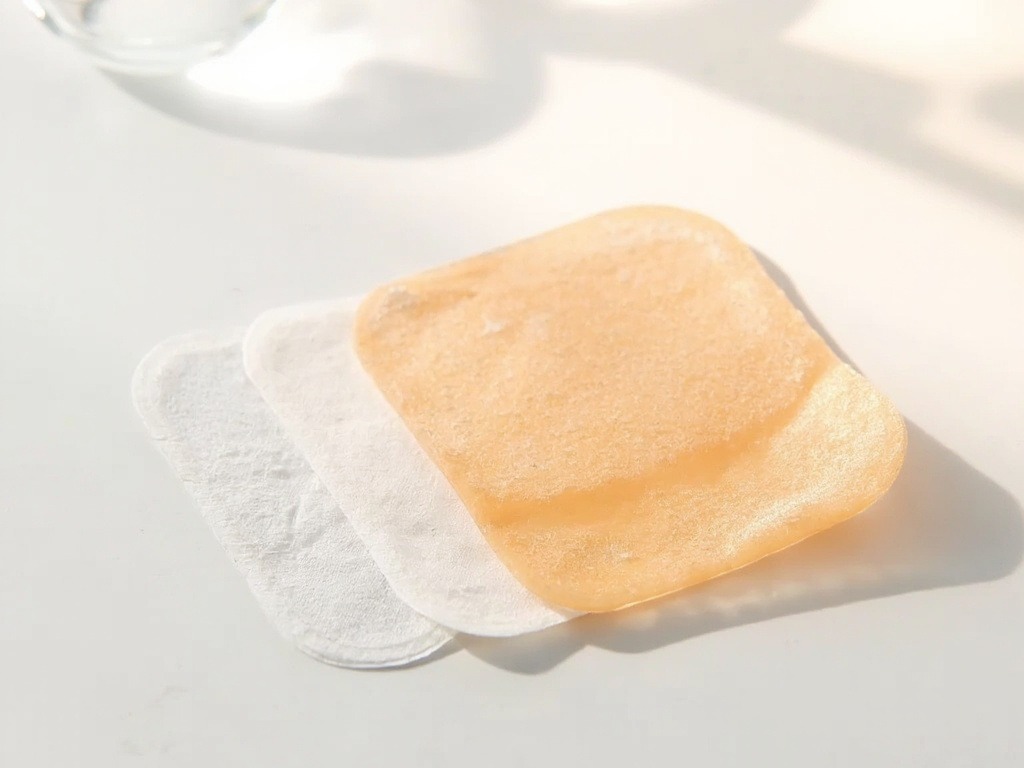
- Step 3 — Format. Hydrogel patches feel cooler and conform to joints; non-woven and hot-melt formats are cheaper per unit and stick better on hairy skin or during sweat.
- Step 4 — MOQ and tooling. Confirm die-cut tooling cost, pouch artwork minimums, and case-pack sizes. A supplier quoting 5,000 units per SKU with 60-day lead time behaves very differently from one quoting 50,000 with 120-day lead time.
- Step 5 — Documentation. Ask for the technical file you can hand to your regulatory reviewer: ingredient list, product specification sheet, stability data, and the manufacturing site's quality system summary.
3. Comparison: supplier-target versus validated specification
The table below shows what a CMO might list as a typical target versus what you should require as a validated specification tied to a certificate of analysis. Never accept the first column as your final spec.
| Parameter | Typical supplier target | Validated specification you should require |
|---|---|---|
| Patch size | 7 × 10 cm, 10 × 14 cm, customizable | Exact dimensions on each shipped lot, with ± tolerance on the CoA |
| Active load | "Menthol-based formula" or % range | Quantitative assay per ingredient, method reference, and acceptance range |
| Adhesion | "Good adhesion" / qualitative claim | Defined peel or shear test method and numeric pass value |
| Shelf life | 24 or 36 months | Stability study reference, storage condition, and accelerated data summary |
| Pouch seal | Sealed aluminum foil | Seal integrity test result per batch |
| Microbiology | "Tested" | USP <61> / <62> or equivalent method, with limits stated on the CoA |
Source: United States Pharmacopeia general chapters <61> and <62> describe the test methods referenced above; always check the current revision applicable in your jurisdiction via the USP published standards index before you bake them into a spec.
4. Risk checklist before you sign
- Regulatory drift. Cosmetic vs. drug classification can flip if you add a new claim or ingredient. Build a claim-change clause into the supply agreement so reformulations trigger a re-review rather than a market withdrawal.
- Single-source dependency. If one factory makes the master batch you also sell under your brand, your launch date lives inside their production calendar. Ask about second-line capacity or reserved slots.
- Artwork and IP. Confirm in writing that all artwork, trademarks, and proprietary blend names you provide remain your property, and that the CMO will not run the same formula under a competing brand within an agreed exclusivity window.
- Label liability split. Document who reviews ingredient declarations, allergens, batch coding, and barcodes. If a regulator writes to you, you need to know whose file answers first.
- Recall readiness. Ask how the CMO traces one batch from raw material to ship-to address, and how fast they can issue a recall notice. A verbal "we can handle it" is not a recall plan.
- Currency and freight. For overseas programs, lock the incoterm and decide who owns duty, freight insurance, and temperature excursions in transit for hydrogel formats.
5. Pricing logic without inventing numbers
Patch unit cost is driven by four moving pieces: patch area, active-ingredient load, packaging format (sachet, box, back-card), and order volume. A useful sanity check is to ask for a price break at three volumes — your pilot run, a restock volume, and a forecast-best-case volume — and to compare per-unit cost only on a like-for-like spec. Hidden costs that frequently surprise first-time buyers include die-cut tooling (one-off, charged once per size), artwork plates for pouches, and stability studies for new SKUs. Treat any quote that does not separate tooling, artwork, and per-unit price as a draft, not a binding offer.
6. Limitations, safety, and what this article does not cover
This memo is a buyer's framework, not clinical guidance. It does not diagnose, treat, or cure any condition, and it does not assess the safety of any specific active ingredient for any specific population. Pain patches marketed for chronic or undiagnosed pain should be reviewed against the labeling and warnings of the finished product you intend to sell. Pediatric, pregnancy, and anticoagulant-use populations typically require extra caution in the label itself, not just on the carton. Public clinical references such as the Cochrane Library and the BMJ publish reviews on topical analgesics that a qualified reviewer can use as a starting point. Before launch, route the final label, claim set, and ingredient list through a regulatory professional licensed in each jurisdiction where you will sell. Where this article references regulatory frameworks such as FDA, EMA, ISO, or ASTM, treat the named authority as a pointer, not a clearance — confirm the specific standard, revision, and scope that applies to your SKU before you print packaging.
7. Manufacturer reference
For buyers who want to explore a private-label pain-patch program with a single manufacturing partner, Hanmeng Bio-Tech's OEM/ODM overview describes their general custom-patch capabilities. Confirm any specific formulation, capacity, or certification claim directly with the supplier against your own written specification, because this article does not validate third-party capability statements on your behalf.
CATEGORIES
LATEST NEWS
- shoulder pain relief patch: How It Works, What to Check, and How to Source It
- pimple patches: choosing between hydrocolloid, microneedle, and salicylic formats
- electrode patches for tens unit
- custom pain patch private label
- Children's Silicone Hydrogel Patches: Safety Standards and Material Selection Guide for Parents
CONTACT US
QQ: 396269538
Phone: 17796669065
Tel: 17796669065
Email: 396269538
Add: Room 001, 1st Floor, Building 1, Zhengzhou Hangmei International Smart City, Intersection of S102 and Nanquan Road, Xuedian Town, Xinzheng City, Zhengzhou, Henan Province, China