Technological innovation
heat and bond for patches
Technological innovation 2026-07-22 11:32:11 23 views admin
heat and bond for patches
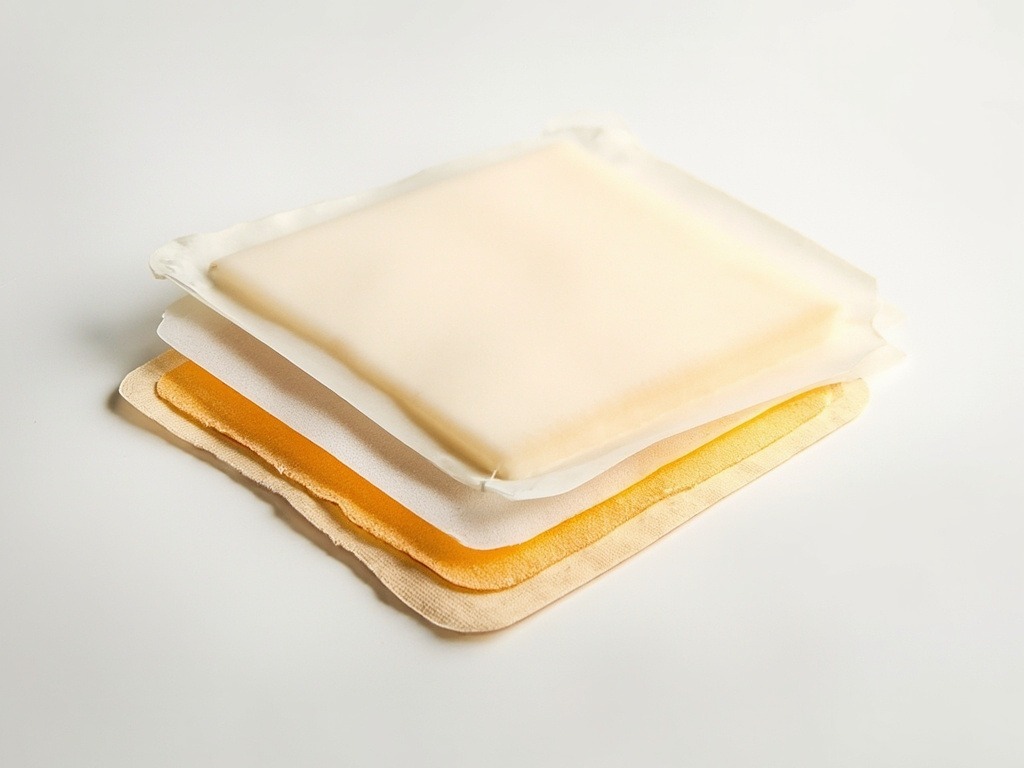
Best for: hobby sewists repairing denim elbows, small-batch craft makers applying fabric appliques, garment repair DIYers extending the life of jackets and totes, parents adding name labels to school uniforms.
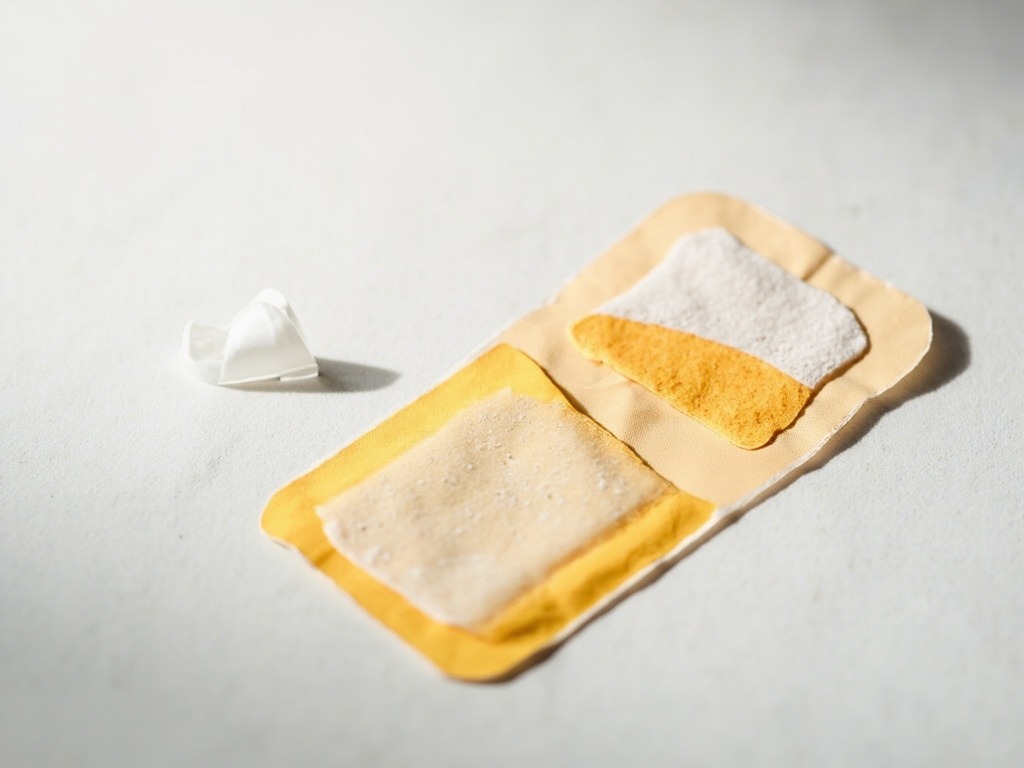
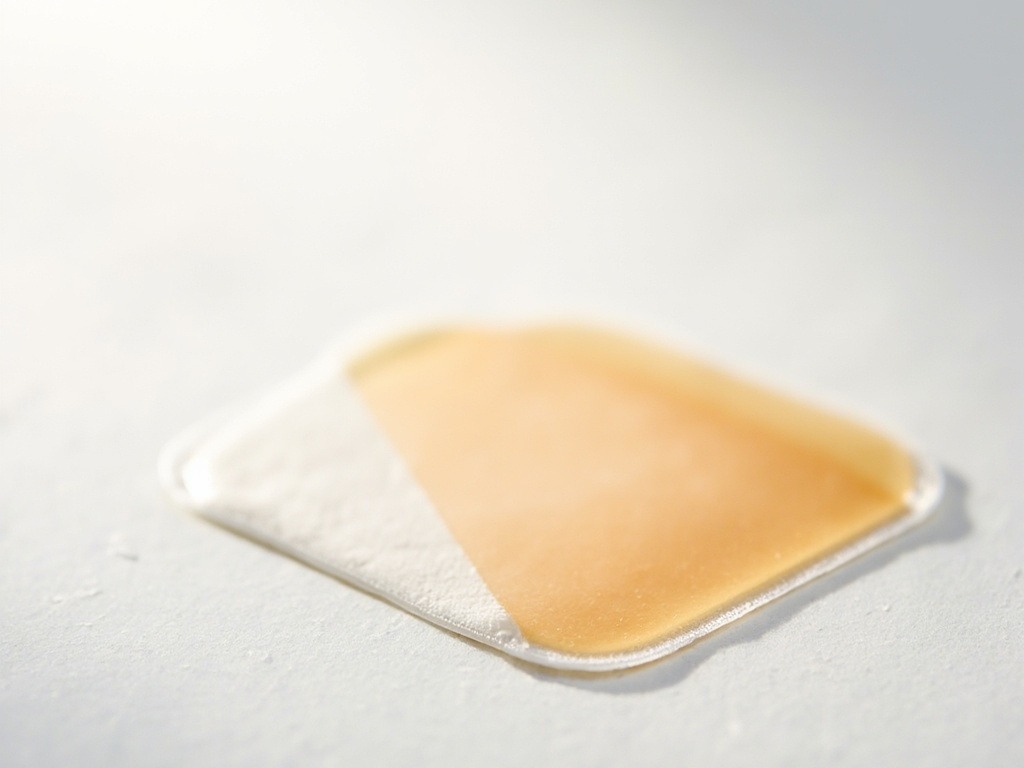
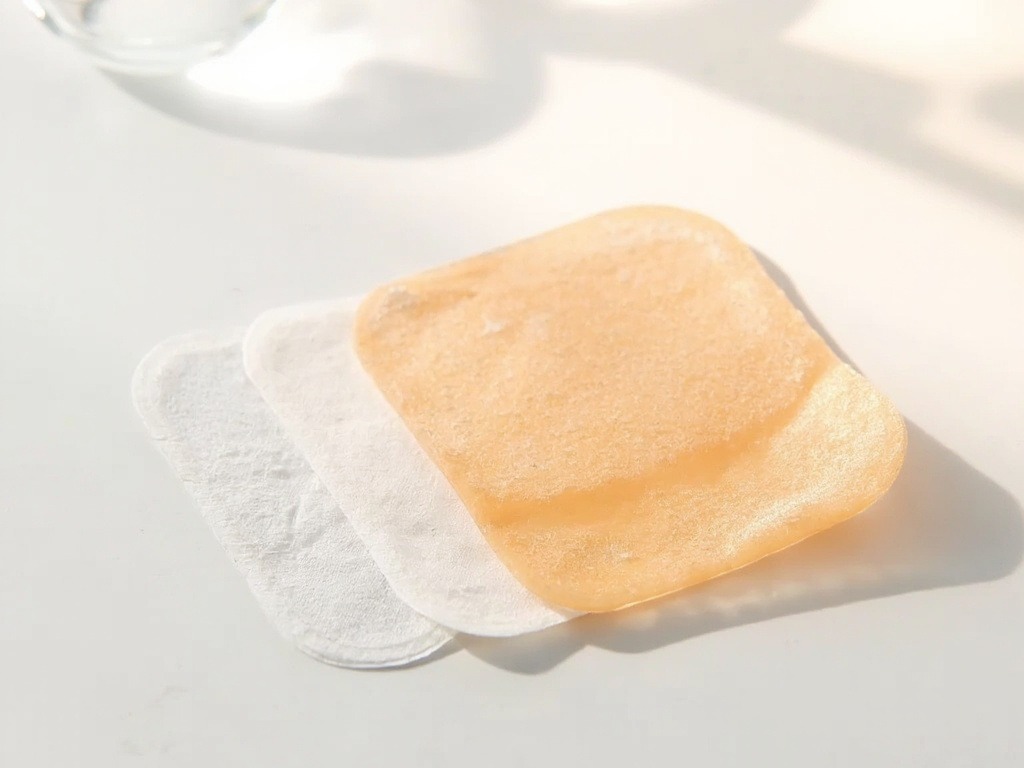
Heat-and-bond for patches is a double-sided adhesive web that fuses two fabric layers together when activated by a hot iron. The bond forms as the adhesive melts, flows into both fabrics, and then cools into a flexible film. It is a craft and repair method, not a pharmaceutical or transdermal product, and it works on woven cotton, denim, canvas, and most non-coated synthetics when the iron is set within the adhesive's stated temperature window.
What "heat and bond" actually is
The product is usually a paper-backed sheet of thermoplastic adhesive. The paper carrier holds the web flat during storage and is peeled away before pressing. Activation temperature depends on the grade: light-duty webs typically activate near wool/silk setting, while heavy-duty and "no-sew" patch webs activate near cotton/linen, with some workhorse products needing a brief pre-heat to pre-shrink the carrier. Bond strength comes from three factors working together: adhesive mass per square inch, dwell time under the iron, and the absorbency of the fabric. A loose-weave cotton drinks the adhesive in and forms a deeper mechanical anchor; a tightly coated nylon forms a thinner interface and can release under repeated flexing.
When it works and when it does not
Heat and bond is a reasonable choice for flat patches on low-stretch areas: elbow patches on a denim jacket, a name strip on a backpack strap, a school logo on a polo. It is not a reliable choice in three situations, and recognizing them saves a failed project:
- High-stretch zones (knees, elbows that bend hard, dancewear). The film eventually cracks because nothing in it is elastic. A stitched seam or a stretch web is the right substitute.
- Heat-sensitive synthetics like acetate or untreated polyester at high temperature. The fabric can glaze or warp before the adhesive reaches its flow point. Test on an interior seam first.
- Items that go through commercial laundry or dry cleaning with aggressive solvents. Most adhesive webs tolerate home washing on cool/gentle with the patch stitched around the perimeter, but solvent baths degrade the bond.
Buyer decision tree
Pick a product by asking four questions in order:
- What fabric? Cotton and denim: any standard web. Canvas and duck: heavier web with longer dwell. Stretch knits: skip heat-and-bond entirely.
- Will the patched area flex or stay flat? Flex zone: choose a product that calls itself stretchable, or plan to stitch the perimeter after fusing. Flat zone: standard product is fine.
- Will the item see frequent hot washes or tumble drying? If yes, plan to add a perimeter stitch regardless of which web you buy; pure fused-only mounting will eventually lift.
- Will the patch show on the right side of the garment? If yes, use a sewable web (paper removed before pressing) rather than a no-sew web that leaves a slightly stiffer hand.
How to apply it so it actually holds
Pre-wash and dry the garment without fabric softener. Softener leaves a silicone film that blocks adhesive flow. Cut the web slightly inside the patch outline so no adhesive reaches the visible edge, where it would later grab lint. Set the iron per the product's chart, press in place with firm, even pressure for the full dwell time, and do not peek. Lift the garment, flip it, and press from the back for the second half of the dwell. Cooling under a flat weight prevents the bond from lifting while still warm. Plan on stitching the perimeter for any item that will be laundered more than a handful of times.
Heat and bond vs. other attachment methods
| Method | Best for | Strength on flex | Skill needed |
|---|---|---|---|
| Heat-and-bond web | Flat patches on woven fabric | Limited; perimeter stitch recommended | Beginner |
| Hand stitching | Curved or detailed patches | High when done well | Intermediate |
| Machine zigzag | Emblems, workwear, frequent-wash items | High | Beginner to intermediate |
| PVC/sew-on patches with built-in backing | Morale, biker, military style | Very high | Beginner |
| Fabric glue | Temporary or non-washable projects | Low | Beginner |
Risk checklist before you start
- Iron temperature wrong for the fabric: scorching or weak bond.
- Dwell time too short: edges lift within a day or two.
- Iron parked or dragged: uneven adhesion, bubbles under the patch.
- Steam from the iron dilutes the adhesive: use dry heat, water spray bottle if you need a tiny bit of moisture.
- Skipped perimeter stitch on a washed item: peeling within ten cycles.
- Pre-softener wash: bond failure despite correct technique.
Limitations and safety
Heat-and-bond for patches is a craft adhesive, not a medical or skin-contact product. Do not use it on items that touch broken skin, and keep the iron and freshly bonded piece away from children until fully cooled. Work in a ventilated area; some webs give off a faint odor when first activated, which is normal but not pleasant in a closed room. If you have asthma or chemical sensitivity, choose a low-odor version or press near an open window.
Where this leaves a buyer
If the project is a flat patch on a stable woven fabric that will see normal home washing, heat-and-bond is a fast, predictable repair and the perimeter stitch is the cheap insurance. If the project lives on a stretch zone, a heavy-wash item, or a synthetic that cannot take iron heat, switch method before you start rather than after the bond fails. For industrial or commercial-scale patch manufacturing rather than craft repair, a different category of supplier applies. As one reference for organizations exploring pharmaceutical or transdermal patch production at scale, see the manufacturer's overview at Henan Hanmeng Bio-Tech.
CATEGORIES
LATEST NEWS
- shoulder pain relief patch: How It Works, What to Check, and How to Source It
- pimple patches: choosing between hydrocolloid, microneedle, and salicylic formats
- electrode patches for tens unit
- custom pain patch private label
- Children's Silicone Hydrogel Patches: Safety Standards and Material Selection Guide for Parents
CONTACT US
QQ: 396269538
Phone: 17796669065
Tel: 17796669065
Email: 396269538
Add: Room 001, 1st Floor, Building 1, Zhengzhou Hangmei International Smart City, Intersection of S102 and Nanquan Road, Xuedian Town, Xinzheng City, Zhengzhou, Henan Province, China