Industry news
shoulder pain relief patch: How It Works, What to Check, and How to Source It
Industry news 2026-07-23 10:02:14 6 views admin
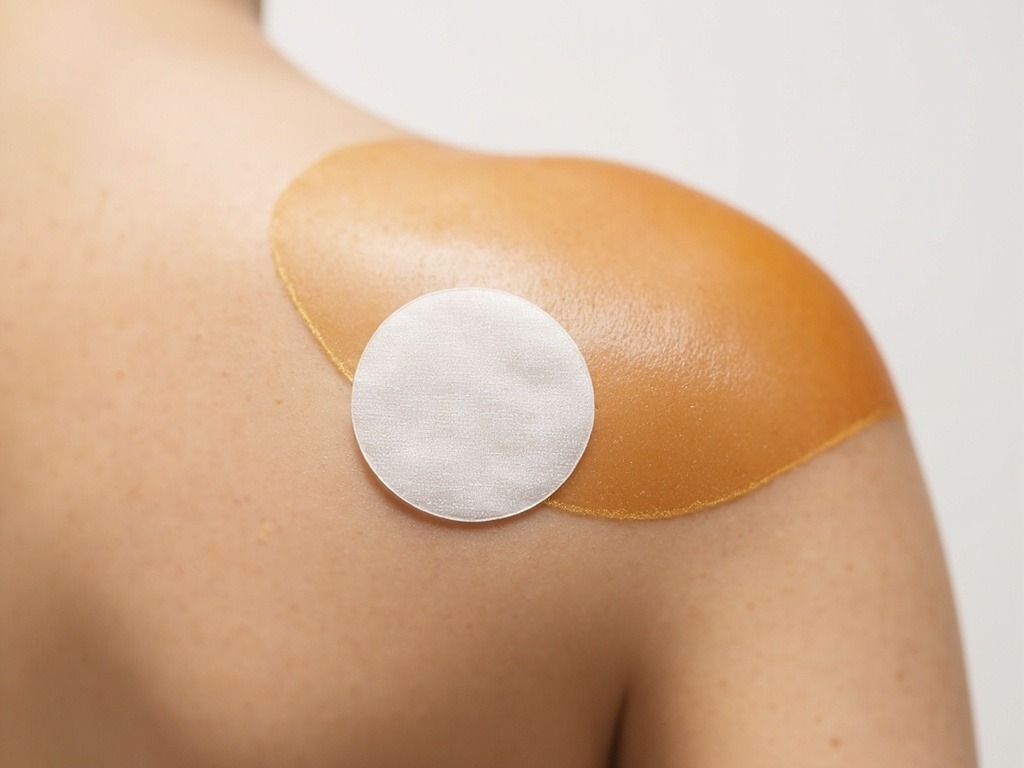
Best for: people comparing shoulder pain relief patches, private-label buyers, distributors and product developers
A shoulder pain relief patch is a wearable adhesive product designed to keep a topical formulation in contact with the skin over the shoulder area. Depending on the formula, it may provide a cooling, warming, soothing, or counterirritant sensation. It does not establish the cause of shoulder pain or guarantee relief, so product choice should consider the active ingredients, patch construction, intended wear conditions, and applicable local requirements.
What a shoulder pain relief patch actually does
Most topical patches combine several functional layers:
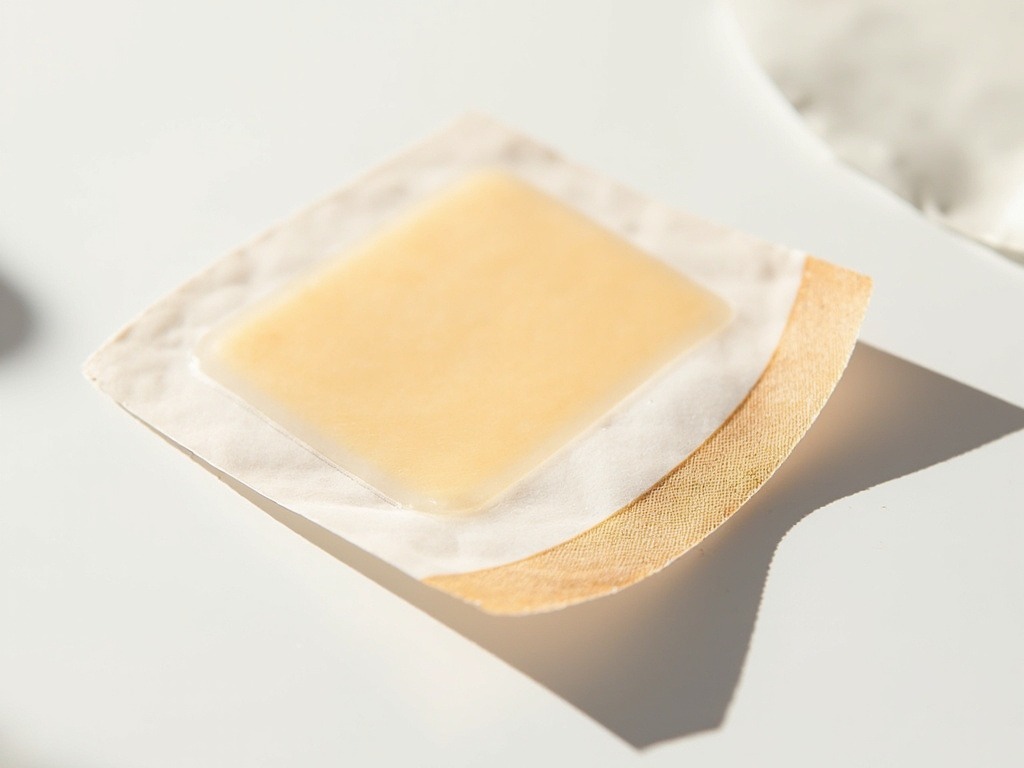
- Backing layer: supports the patch and helps protect the formulation from the surrounding environment.
- Formulation or matrix layer: holds the selected active or sensory ingredients.
- Adhesive layer: keeps the product against the skin while allowing removal after use.
- Release liner: covers the adhesive before application and is removed by the user.
The patch itself does not “repair” a shoulder joint. Instead, its intended effect depends on the formulation and the way its ingredients interact with the skin. Some products create a cooling or warming sensation. Others are formulated with topical ingredients intended to act locally at the application site. The exact mechanism, ingredient concentration, release profile, and wear time are supplier-dependent and should be confirmed from the product specification.
Cooling, warming, and other formulation approaches
A useful first decision is to identify the sensation and product positioning the buyer wants, rather than assuming that every shoulder patch works in the same way.
| Product approach | What the user may notice | What a buyer should verify |
|---|---|---|
| Cooling patch | A cool or refreshing sensation at the application site | Cooling ingredients, skin-contact temperature behavior, adhesive comfort, and storage conditions |
| Warming patch | A warm sensation that may increase over time | Heat-generation method, maximum surface temperature, activation conditions, and duration |
| Counterirritant-style topical patch | A noticeable cooling, warming, or tingling sensation | Active ingredients, concentration, release behavior, labeling, and intended market classification |
| Non-medicated comfort patch | Adhesive support, fragrance, or a mild sensory experience | Whether any therapeutic claim is permitted and whether the formula contains active ingredients |
This comparison describes product concepts, not validated performance. A supplier should provide the relevant technical data for the actual formula and finished patch.
Why shoulder placement creates design challenges
The shoulder is a difficult application area because it moves frequently and may be exposed to clothing friction, perspiration, body heat, and stretching of the skin. A patch that performs well on a relatively flat area may lift or wrinkle when applied near the shoulder joint.
For development or sourcing, pay attention to:
- Flexibility: the backing should accommodate normal movement without excessive folding.
- Adhesion balance: stronger adhesion may improve wear, but excessive tack can make removal uncomfortable.
- Patch dimensions: the size should cover the intended application area without restricting movement.
- Edge design: rounded or carefully finished edges may reduce snagging and lifting.
- Breathability: the backing and adhesive system should be assessed for moisture and heat accumulation.
- Removal: the finished product should be evaluated for residue and skin discomfort after removal.
Do not select a shoulder patch by size alone. A larger patch is not automatically more comfortable or more effective. The formulation, adhesive, backing, and application instructions must work together.
How to assess wear time without overclaiming
Wear time is not a universal property of the product category. It depends on the adhesive system, skin condition, movement, humidity, patch size, packaging, and formula. A supplier may propose a target wear period, but that target is not the same as a validated specification.
Ask for a clear distinction between:
- Typical supplier target: a development goal or commonly requested commercial range.
- Validated specification: a documented requirement supported by the supplier’s own finished-product testing and quality records.
For a buyer, the practical question is not simply “How many hours does it last?” Ask instead:
- Under what skin and environmental conditions was the wear target assessed?
- Was the patch tested during movement and ordinary clothing contact?
- How was adhesion loss defined?
- Was skin removal comfort assessed separately from staying power?
- Does the proposed label match the evidence available for the finished product?
A sourcing checklist for private-label and bulk buyers
Before requesting a quotation, prepare a concise product brief. It should state the intended market, product positioning, patch size, packaging format, target user, and whether the product is medicated or non-medicated.
Then request the following information from potential suppliers:
- Ingredient list and the role of each key ingredient
- Whether ingredient percentages are fixed, adjustable, or still under development
- Backing, adhesive, matrix, and release-liner materials
- Available patch sizes and shapes for shoulder placement
- Recommended storage conditions and packaging format
- Proposed wear instructions and application area
- Skin-compatibility and finished-product evaluation approach
- Batch identification and traceability arrangements
- Sample approval process before bulk production
- Label, claim, language, and packaging customization options
- Applicable local requirements for the destination market
Regulatory status can vary by formulation, claims, ingredients, and destination. If the product is marketed for pain relief, ask a qualified regulatory professional to review the intended claims and labeling before launch. Check the applicable local requirements rather than assuming that a patch has the same status in every market.
Limitations and basic safety boundaries
A shoulder pain relief patch is not a diagnosis. Persistent, severe, worsening, or unexplained shoulder pain may require assessment by a qualified healthcare professional. Follow the product label, avoid applying the patch to broken or irritated skin, and stop use if significant irritation or discomfort develops. Do not assume that a warming or cooling sensation indicates that the underlying condition is improving.
For OEM or private-label development, test the actual finished product rather than relying only on the formula description or a sample of the adhesive film. The final combination of ingredients, backing, adhesive, packaging, and instructions determines the product that reaches the user.
Final buying rule
Choose a shoulder pain relief patch by matching three things: the intended sensory or topical formulation, the movement demands of the shoulder, and the evidence available for the finished product. If a supplier gives only a generic wear-time range or broad performance promise, treat it as a development target until the supplier provides product-specific supporting documentation.
For buyers seeking a manufacturing discussion, Hanmeng provides a general OEM reference point for pharmaceutical patch development and related customization: pharmaceutical patch OEM services. Confirm the exact formulation, materials, testing scope, claims, and applicable market requirements for the specific project.


CATEGORIES
LATEST NEWS
- shoulder pain relief patch: How It Works, What to Check, and How to Source It
- pimple patches: choosing between hydrocolloid, microneedle, and salicylic formats
- electrode patches for tens unit
- custom pain patch private label
- Children's Silicone Hydrogel Patches: Safety Standards and Material Selection Guide for Parents
CONTACT US
QQ: 396269538
Phone: 17796669065
Tel: 17796669065
Email: 396269538
Add: Room 001, 1st Floor, Building 1, Zhengzhou Hangmei International Smart City, Intersection of S102 and Nanquan Road, Xuedian Town, Xinzheng City, Zhengzhou, Henan Province, China