Technological innovation
Anti Snore Patch: Choosing the Right Snore Patch, Nasal Strip, or Mouthpiece
Technological innovation 2026-08-11 09:30:56 134 views admin
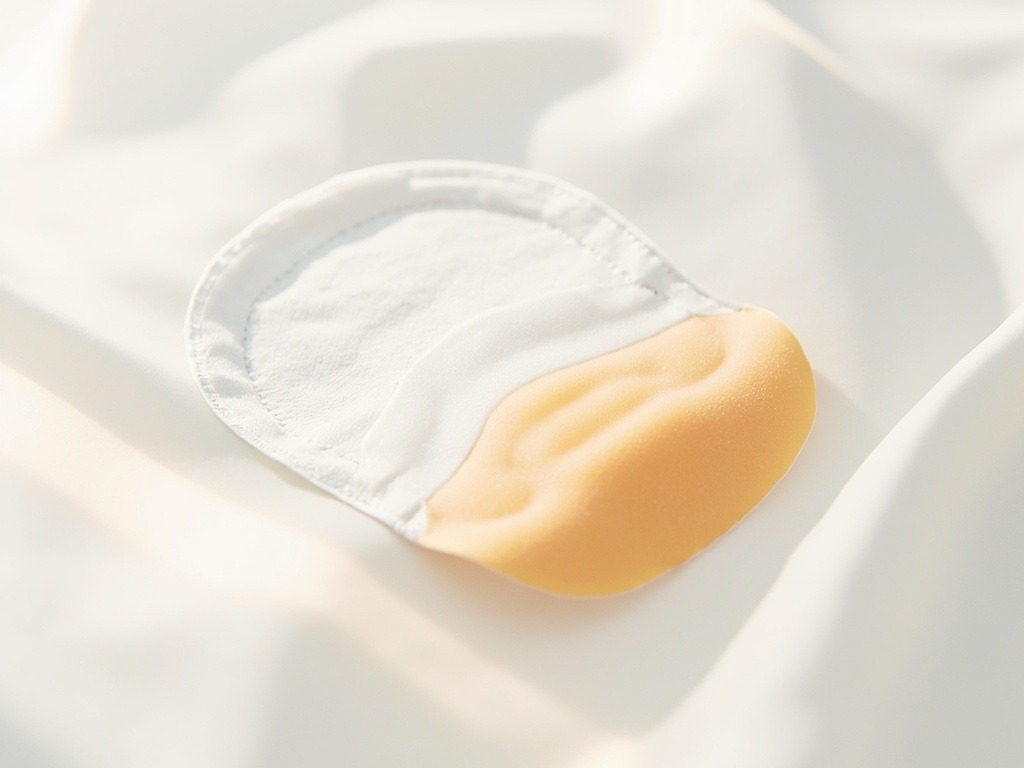 Best for: adult snorers with mouth-breathing habits at night, partners trying to sleep beside a snorer, first-time buyers comparing nasal strips to adhesive snore patches, light snorers seeking a drug-free option, shoppers weighing a chin strap against a mouthpiece
An anti snore patch is a single-use adhesive applied across the bridge of the nose or under the chin before bed, designed to open the nostrils or cue the jaw closed so airflow through the nose replaces mouth breathing and snore volume drops. Snore patches are among the cheapest entry points (often a few cents each) compared to a reusable nasal dilator, a chin strap, or a mandibular advancement mouthpiece, which makes them a reasonable first trial for light, position-dependent snorers before stepping up to a fitted device. The right pick depends on what is actually collapsing during sleep: the nasal valve, the soft palate, or the tongue falling back into the throat.
Why the snore happens changes which product fits
Most adult snoring comes from one of three physical events: the external nasal valve narrows on inhale, the soft palate and uvula flutter in turbulent air, or the tongue relaxes backward and partly blocks the throat. Mouth breathing during sleep is both a cause and a consequence — once the mouth opens, the jaw drops and the tongue loses its anchor, so a snore patch that simply holds the lips closed has limited mechanical leverage if the nose is still partly blocked.
Nasal strips work on the first mechanism. They are external spring-loaded bands, roughly 6–8 cm long, that adhere above the nostril flare and pull the sidewall outward. A nasal dilator does the same job from inside, with two small cones that sit just inside the nostril rim and stent the opening. A snore patch on the nose works like a hybrid: adhesive plus a small rigid or semi-rigid tab that lifts the same valve region.
Mouthpieces (mandibular advancement devices) and chin straps target the tongue. A chin strap holds the jaw shut so the mouth cannot drop open, which forces nasal breathing; a MAD advances the lower jaw forward by 5–10 mm, which pulls the tongue base away from the posterior pharyngeal wall. Both have a meaningful learning curve and a higher side-effect profile than any patch.
Side-by-side comparison of the four common options
| Product | Where it acts | Typical wear time per session | Reusable? | Common side effects |
|---|---|---|---|---|
| Adhesive snore patch (nose) | External nasal valve | One night;6–10 hours | No, single use | Skin redness where adhesive sits; poor adhesion on oily or moisturised skin |
| Nasal strip (external) | External nasal valve | One night; up to 12 hours | No, single use | Same as above; can leave a faint compression line across the bridge |
| Nasal dilator (internal) | Internal nostril rim | One night; reusable up to 60 nights | Yes, wash between uses | Mild irritation at the columella; can feel intrusive the first 2–3 nights |
| Chin strap | Jaw and mouth | One night; 6–8 hours | Yes, wash between uses | Jaw soreness; strap slippage if beard present; can worsen dry mouth if nose is blocked |
| MAD mouthpiece | Tongue base via jaw position | One night; 6–8 hours | Yes, 6–24 months typical lifespan | Jaw ache, excess saliva first week, bite changes with long daily use |
A fit checklist before you buy anything
- Identify the trigger. Spend two nights using a phone app or a partner's notes to record whether the snore is worse on the back, after alcohol, or during a cold — back-and-alcohol patterns respond best to positional products; congestion-driven patterns need a nasal valve fix.
- Test the nose first. Press one nostril gently closed while lying down and breathe through the other. If airflow feels limited on both sides, a snore patch or nasal strip is more likely to help than a chin strap, which only redirects the air you already have.
- Check the skin. Apply any patch or strip to clean, dry skin without moisturiser, retinoids, or sunscreen residue. Adhesion failure on oily skin is the single most common reason a snore patch "did not work."
- Start cheap. A short trial with a single-use adhesive or nasal strip costs less than a mouthpiece fitting and tells you within2–3 nights whether the valve is the bottleneck.
- Mind dental history. Anyone with crowns, bridges, loose teeth, TMJ pain, or recent orthodontic work should skip a MAD until a dentist has assessed the bite, since mandibular advancement is mechanical and unforgiving.
- Reassess after 14 nights. If a device reduces reported snore volume by less than half with consistent use, escalate rather than re-buy the same pack.
Brand-specific and format notes worth knowing
Within nasal strips, the main physical variables are band length (small/medium/large), adhesive tack, and flexibility of the embedded plastic ribs. Stiffer ribs lift more aggressively but feel heavier on the bridge; softer ribs are easier to wear for snorers with sensitive skin or glasses. Internal nasal dilators come in conical and winged shapes; conical cones feel less intrusive but can dislodge during REM, while winged designs anchor against the septum and tend to stay put.
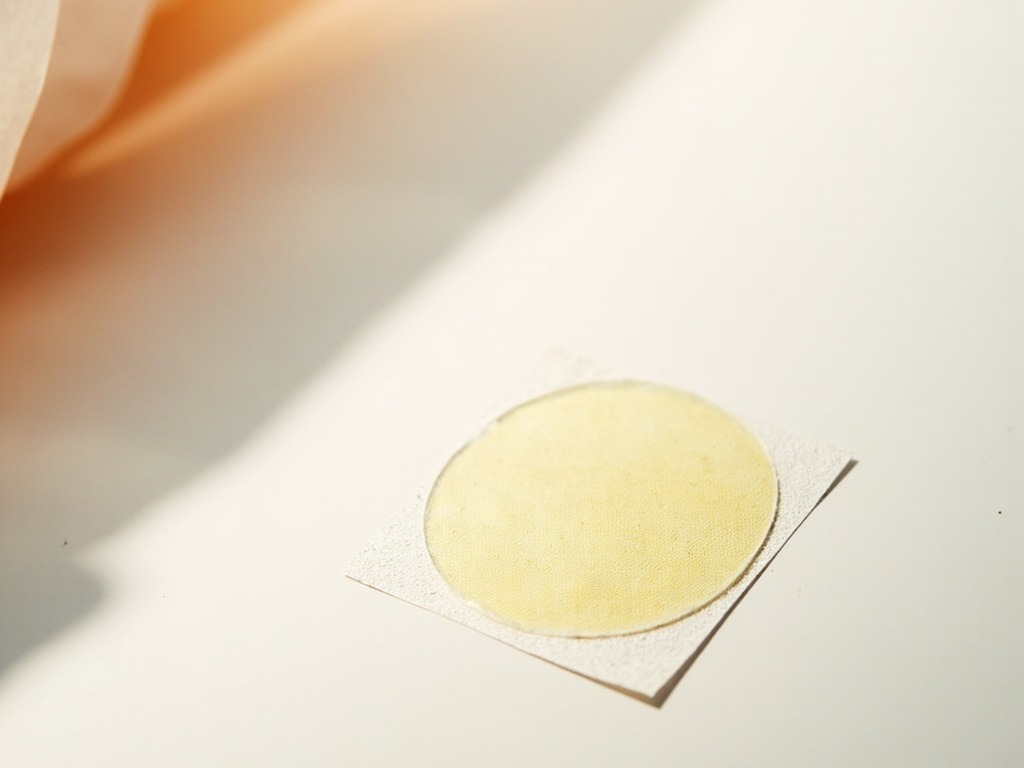
Snore patches span at least three formats: a flat adhesive strip with a small central tab that lifts the valve (mechanically similar to a nasal strip in miniature), a chin-dot adhesive that simply cues the mouth closed (pure behavioural cue with no mechanical lift), and lip-seal patches that physically block mouth opening. The chin-dot format is the cheapest and the least evidence-backed; it relies on the nose being open enough to take over breathing the moment the mouth closes. Buyers choosing among them should read the box for two specifics: the active adhesive area in square centimetres (larger coverage generally means better hold) and whether the product is labelled for single-night use only.
MADs split into boil-and-bite thermoplastic (cheaper, customisable at home) and dental-lab custom (more expensive, requires an impression). Boil-and-bite units can advance the jaw only a few millimetres at a time, so titration is slow; custom units are titrated in1 mm steps by the prescribing dentist. Chin straps vary mostly in strap width and anchor geometry — wider straps around5 cm distribute pressure but can feel hot; narrower ones cut in after a few hours.
When ENT referral beats any patch or strip
Self-care has a ceiling, and a referral to an ear, nose and throat specialist is the right next step when snoring is loud enough to be heard through a closed door, comes with witnessed apnoea (breathing stops, then a gasping restart), or pairs with daytime sleepiness that interferes with driving or work. The same applies when nasal obstruction is one-sided and persistent, since that pattern points to a deviated septum or nasal polyp that no adhesive device can resolve. Mouthpieces also belong in a clinical setting when there is temporomandibular joint pain, bruxism, or a recent change in bite alignment.
Children who snore should not be managed with adult patches or chin straps — paediatric snoring has a different cause profile and warrants a clinician's review directly. The same caution applies to pregnant users, since hormonal nasal congestion can shift week to week and what works in the second trimester may over-dry the mucosa in the third.
Safety, limits, and who should skip these devices
Snore patches and nasal strips are external devices, so systemic risk is low, but local skin reactions — redness, peeling, contact dermatitis — are common and grow more likely with repeated nightly use on the same spot. Rotating the application site, washing the bridge of the nose with mild soap before bed, and avoiding products with fragrance or latex reduces this risk. Internal nasal dilators can abrade the columella if forced into a too-small size or worn during exercise; sizing up usually solves the issue.
MADs and chin straps carry more risk because they change jaw position. Long-term daily use of any MAD without dental supervision has been linked in case reports to bite changes and TMJ discomfort, which is why clinicians generally cap unsupervised use at a few weeks. Chin straps should not be used by anyone with a full beard unless the strap is specifically designed to anchor over it, because slippage can pull the jaw rather than support it.
None of these products treat obstructive sleep apnoea. Loud, habitual snoring with witnessed apnoea, morning headaches, or unrefreshing sleep despite adequate hours in bed is a medical referral, not a retail decision — check the applicable local requirements for a sleep study referral pathway before stacking another gadget on top of an unresolved condition.
Decision rule for first-time buyers
Start with a single-use adhesive snore patch or nasal strip for two to three nights. If reported snore volume drops noticeably without skin irritation, continue with the format that felt most comfortable. If there is no change, move to an internal nasal dilator for one week — its mechanism is the same target but the lift is more direct. If breathing is fine through the nose but the snore persists, the soft palate or tongue is the likely culprit, and the next sensible step is a clinician-supervised mandibular advancement device rather than another over-the-counter gadget. A chin strap is the last option to try at home, reserved for snorers whose partners confirm that the mouth is consistently falling open during the night and whose nose is clearly patent.
Manufacturer reference
For buyers exploring private-label or bulk production of adhesive snore patches, nasal strips, or related topical patches, Henan Hanmeng Bio-Tech operates as a transdermal and topical patch manufacturer with formulation, converting, and OEM services. Specifications, MOQs, and lead times should be requested directly rather than inferred from generic catalogue ranges.


CATEGORIES
LATEST NEWS
- Sinew-Bone Pain-Bi Patch Private Label Manufacturer Supply Agreements
- What Hand Mask Custom Packaging Supplier Quotes Overlook
- Kids Herbal Foot Patch Contract Manufacturer: Safety Specifications First
- Mugwort Steam Eye Mask Private Label Manufacturer Readiness Check
- Mugwort Essential Oil Custom Formula Supplier: Formulation Approval Milestones
CONTACT US
QQ: 396269538
Phone: 17796669065
Tel: 17796669065
Email: 396269538
Add: Room 001, 1st Floor, Building 1, Zhengzhou Hangmei International Smart City, Intersection of S102 and Nanquan Road, Xuedian Town, Xinzheng City, Zhengzhou, Henan Province, China