Technological innovation
motion sickness medication patch: a practical choice for travel, calm, jet lag, and sleep
Technological innovation 2026-07-29 11:42:05 100 views admin
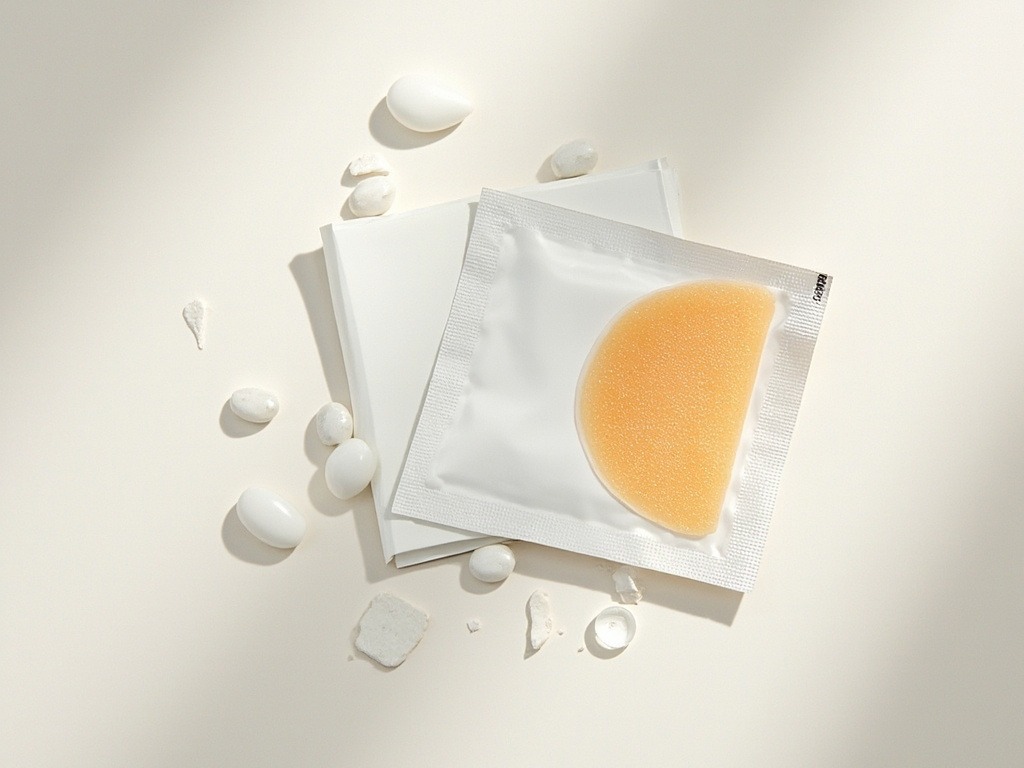
Best for: car passengers, cruise travelers, frequent flyers, adults seeking gentle nighttime support
A non-prescription motion sickness medication patch can be a convenient option when you want discreet, hands-free support during a car ride, flight, boat trip, stressful day, or disrupted sleep schedule. The important decision comes before purchase: determine whether the patch contains an actual medicine, botanical ingredients, or only aromatic materials. These categories are not interchangeable. Read the ingredient panel, instructions, warnings, and intended-use statement rather than relying on words such as “natural,” “travel,” or “calming” on the front of the package.
Start with the situation, not the product name
One patch may be advertised across several wellness situations, but motion discomfort, jet lag, mild anxiety, and trouble sleeping have different causes. A product that feels useful during a winding bus journey may do little to reset a shifted body clock. Likewise, a relaxing scent does not automatically prevent nausea.
The following comparison separates realistic roles from claims that deserve caution.
| Situation | What the buyer may want | Patch role worth considering | Important boundary |
|---|---|---|---|
| Car, coach, ferry, or cruise travel | Less queasiness, dizziness, or discomfort triggered by motion | A clearly labeled travel patch with disclosed ingredients and directions for use before departure | Severe vomiting, dehydration, fainting, chest pain, or new neurological symptoms need medical attention rather than another patch |
| Long-haul flight and jet lag | More comfort in transit or help settling at the destination | A non-drug aromatic or wellness patch may support a calming routine during travel | A patch cannot replace timed light exposure, destination-based sleep scheduling, hydration, and sensible caffeine use |
| Mild situational anxiety | A discreet sensory cue during queues, turbulence, commuting, or unfamiliar surroundings | A botanical aroma patch may serve as part of a breathing or grounding routine | Persistent anxiety, panic attacks, functional impairment, or thoughts of self-harm require professional care |
| Occasional difficulty winding down | A simple cue that signals bedtime | A low-odor sleep patch may complement a dark, quiet room and a regular schedule | It should not be assumed to treat insomnia, sleep apnea, restless legs, or another sleep disorder |
A useful decision rule is simple: choose a patch only if its ingredient category matches the job you expect it to do. For active travel nausea, look for a transparent motion-related intended use. For bedtime ritual or mild situational tension, assess fragrance, skin comfort, and sensory preference. For jet lag, treat the patch as an accessory to schedule management, not as the main solution.
Read the ingredient panel before reading the promises
The phrase “medication patch” is used loosely in online listings. Some patches contain a regulated drug in a transdermal delivery system; others are adhesive wellness products containing plant extracts, essential oils, minerals, or aromatic compounds. A third group relies largely on acupressure-style placement or scent. Packaging should make the distinction clear.
Map each disclosed ingredient to a plausible consumer purpose, then check whether the directions support that purpose:
- Drug active ingredients: identify the exact name and strength, then confirm that the product is legally available without prescription where you live. Do not infer safety from a marketplace listing.
- Ginger or ginger-derived materials: commonly associated with digestive comfort, but a patch should not be assumed to deliver the same exposure as a measured oral product.
- Peppermint or menthol: may provide a cooling sensation or recognizable aroma. That sensory effect is not proof that the patch prevents vomiting.
- Lavender or other aromatic botanicals: may suit a relaxation or sleep ritual if the fragrance is comfortable and does not trigger headache, coughing, or skin irritation.
- Melatonin: deserves closer scrutiny. The dose, route, local legal status, and interaction warnings matter; the word “sleep” is not enough.
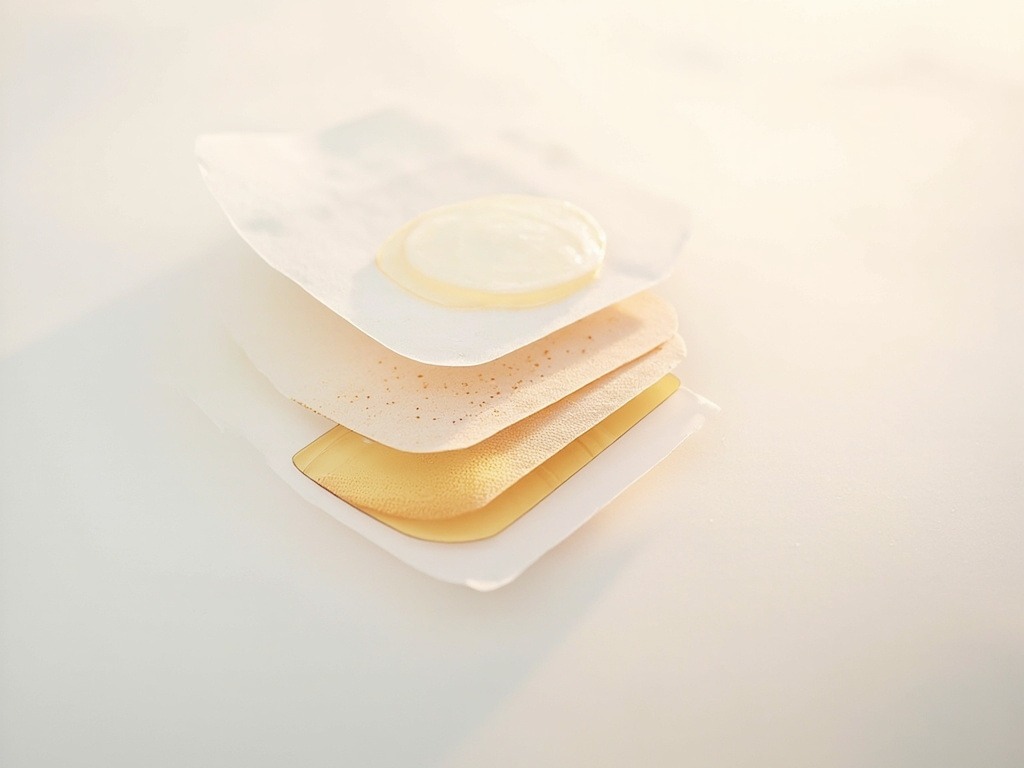
- Adhesive and backing materials: ask whether the skin-contact layer is identified. Acrylic pressure-sensitive adhesive is common in wearable products, while backing materials may include polyethylene, nonwoven fabric, or another flexible film.
A botanical name alone tells you little about delivery. “Contains ginger” does not reveal concentration, extract ratio, release behavior, or how much reaches the skin. For a consumer product, the validated specification is what appears in the manufacturer’s controlled documentation for that exact item. A generic ingredient range mentioned by a seller is only a supplier target until supported by batch-specific records and appropriate testing.
Watch for overloaded formulas. A patch combining numerous oils, extracts, warming agents, and cooling agents may sound comprehensive, yet it also makes it harder to identify the source of irritation. Fewer, clearly disclosed components can be easier to evaluate.
Placement changes comfort more than marketing suggests
Follow the product label first. Sellers may recommend the wrist, abdomen, navel area, neck, shoulder, or the skin behind ear. Those locations differ in friction, visibility, hair density, sensitivity, and risk of accidental contact with the eyes.
The wrist is easy to inspect and remove, but watch straps, handwashing, and sleeve cuffs can lift the edge. The skin behind the ear is discreet, though the area can be sensitive and close to hair products. The abdomen offers a flatter surface, yet waistbands and perspiration may affect adhesion. Never place a consumer patch inside the ear, on the eyelids, over the mouth, or on mucous membranes.
Prepare the site with plain water and dry it completely. Avoid body lotion, sunscreen, perfume, and oil under the adhesive because they can weaken contact or increase ingredient mixing on the skin. Choose intact skin without a cut, rash, sunburn, eczema flare, or recent shaving irritation.
Wear duration must come from the exact label. Do not copy a time from another brand. Some wellness products are designed for a few hours, while other patches may remain attached longer; extending wear beyond the stated period can increase moisture, friction, and adhesive exposure without providing extra benefit.
If the package permits trimming, it should say so explicitly. Cutting a true drug-delivery system can change release behavior. Even with a non-drug aromatic patch, cutting may expose the reservoir, cause leakage, or create a rough edge. An intact patch measuring “30 mm” across is not equivalent to half of a 60 mm product because composition and construction may differ.
A better pre-trip and bedtime routine
Timing matters. Applying a patch after intense nausea has already started may be less practical than planning before exposure, but the correct lead time belongs on the label. If no application timing is given, do not invent one from reviews.
Use this buyer-and-wear checklist:
- Confirm whether the item is a medicine, cosmetic-style aromatic patch, wellness product, or mechanical/acupressure product.
- Match the intended use to one primary goal: motion comfort, relaxation, destination sleep timing, or bedtime routine.
- Read every active and inactive ingredient, including adhesive information when available.
- Check the stated minimum age, pregnancy warning, allergy warning, wear duration, removal method, and storage conditions.
- For sensitive skin, test one patch on a small permitted area for a shorter period, provided the label does not prohibit this.
- Apply to clean, dry, hair-free skin and press the full edge down without stretching the patch.
- Remove it immediately if burning, swelling, blistering, marked redness, breathing difficulty, or widespread hives develop.
- After removal, fold adhesive sides together and keep used and unused patches away from children and pets.
For travel, pair the patch with behaviors that address the trigger. Face forward in a car, look toward a stable horizon on a boat, choose a seat with less perceived motion where practical, keep the head supported, and avoid reading during a winding journey. Cool air and small, light meals may feel more comfortable than a hot cabin and a heavy meal.
For jet lag, switch your clock and meal plan toward destination time, seek light at an appropriate local hour, and protect a planned sleep window. A scented patch may make the routine pleasant. It does not move the circadian clock merely because it is worn on a flight.
For sleep, remove unnecessary light, lower noise, and keep the room comfortably cool. Use the patch as a repeatable cue rather than adding it to an unpredictable mix of alcohol, sedating medicines, and supplements.
Children, pregnancy, medicines, and sensitive skin
Pregnancy changes the risk calculation. A non-prescription label or plant-derived ingredient does not establish suitability during pregnancy or breastfeeding. Ask a pharmacist, obstetric clinician, or other qualified professional to review the exact product and ingredient list, especially if nausea is persistent or fluids cannot be kept down.
Do not apply an adult patch to a child by cutting it smaller. Size reduction does not reliably reduce exposure, and children have different skin characteristics, body mass, and risks of touching or swallowing a patch. Use only products that state an appropriate age range and provide child-specific directions. Keep patches away from the face and from any location a child can peel and place in the mouth.
Extra care is sensible for people with adhesive allergy, fragrance sensitivity, asthma triggered by odors, eczema, psoriasis, or a history of contact dermatitis. Essential oils can irritate skin even when they smell familiar. “Natural” describes origin, not individual tolerance.
Check interactions when a patch contains a pharmacologically active substance. Sedating ingredients may add to the effects of alcohol, sleep aids, antihistamines, anxiety medicines, pain medicines, or other products that impair alertness. Do not drive, cycle in traffic, operate machinery, or supervise risky activities if you feel drowsy, confused, or visually impaired.
Also consider duplicate exposure. A traveler might use a patch while taking tablets, gummies, tea, or an oral motion-sickness product containing related ingredients. Put all products on one list and ask a pharmacist to check it rather than assuming separate formats cannot interact.
How to compare brands without guessing at efficacy
Online ratings are poor substitutes for a readable label. Travel conditions vary, placebo and sensory effects can influence personal impressions, and reviews rarely confirm what else the traveler ate or took. Compare features that can actually be inspected.
First, reject vague listings. A credible package should identify ingredients, intended use, instructions, warnings, lot or batch information, responsible company contact details, and an expiry or durability statement where applicable. Missing essentials matter more than attractive graphics.
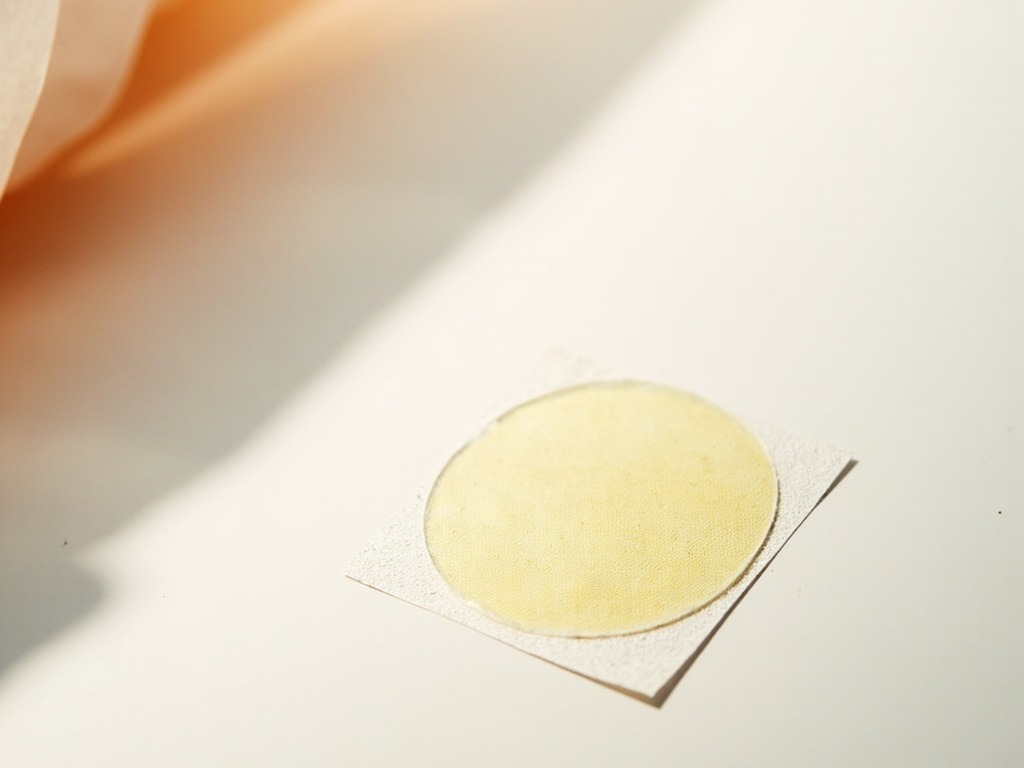
Second, compare the adhesive experience. Rounded corners are less likely to catch on clothing than sharp corners. A thin flexible backing can follow body movement better than a stiff disc, while an overly occlusive construction may trap sweat. These are comfort observations, not proof of therapeutic performance.
Third, evaluate odor before a long trip. A strong peppermint, camphor-like, or lavender aroma can become unpleasant in a small aircraft cabin or shared car. Fragrance-free companions may object too. If possible, open one patch at home before relying on the box for a cruise or overnight flight.
Fourth, distinguish a typical supplier target from a validated specification. A listing might target a certain diameter, peel strength, wear period, or essential-oil content during product development. Those values become meaningful product specifications only after the final construction, methods, tolerances, stability, packaging, and batch controls are documented for that SKU.
Finally, calculate value per usable wear, not simply per patch. A cheaper item that lifts within an hour, causes irritation, lacks clear instructions, or arrives in poorly sealed pouches is not economical. Individually sealed units can be more practical for luggage because the remaining patches stay protected until needed.
Decision boundaries: patch, tablet, wristband, or no product?
A patch is attractive when swallowing is inconvenient, discretion matters, or you prefer a hands-free format. It is less attractive when you react to adhesives, need precise dose information that the package does not provide, or want an intervention with a clearly established route and purpose.
An acupressure wristband avoids adhesive ingredients and can be removed quickly, although fit and pressure location matter. Oral products may offer clearer dose instructions but can be difficult during nausea and may carry drowsiness or interaction concerns. A prescription transdermal medicine belongs in a different category from an over-the-counter botanical patch and should be used only under the applicable professional directions.
Use a “two-question stop rule” while shopping. If you cannot answer both “What exactly is in it?” and “How long may I wear it?” from the package or official product information, do not apply it. Choose a better-documented option. This rule is particularly useful on marketplaces where multiple sellers reuse the same photographs for formulas that may not be identical.
No patch is the right response to every symptom. New severe headache, weakness on one side, confusion, fainting, blood in vomit, severe abdominal pain, breathing difficulty, or signs of dehydration fall outside ordinary self-care. Stop travel if possible and seek appropriate medical help.
Limitations and safety notes
Non-prescription wellness patches vary widely in composition and evidence. Skin contact does not prove meaningful systemic delivery, and a pleasant cooling, warming, or aromatic sensation should not be confused with treatment of an underlying condition. Individual experience also changes with route, sea conditions, fatigue, food, hydration, anxiety, and concurrent products.
Use only one new patch product at a time so that any reaction is easier to identify. Stop use if the application site becomes painful or develops persistent redness. Wash hands after handling, avoid touching the eyes, and do not reuse a patch. Store sealed units according to the package directions and away from heat, moisture, children, and pets.
Anyone with ongoing vomiting, repeated travel intolerance, persistent anxiety, or sleep problems lasting beyond a brief schedule disruption should speak with a qualified healthcare professional. The article supports product comparison and safer self-care; it does not diagnose a disorder or guarantee that a patch will work.
A restrained final choice
For most consumers, the best motion sickness medication patch is not the one with the longest list of claims. It is the one whose category is unmistakable, ingredients are fully disclosed, wear instructions are specific, adhesive is comfortable, and warnings fit the intended user. Keep expectations narrow: motion support for a journey, a calming sensory cue, or an addition to a structured sleep routine.
If comparing product formats or discussing a custom patch concept, Hanmeng provides general information about patch manufacturing and development options on its pharmaceutical patch OEM page. Any final product specification, ingredient claim, wear duration, and market suitability should be confirmed for the exact formulation and checked against applicable local requirements.

CATEGORIES
LATEST NEWS
- Sinew-Bone Pain-Bi Patch Private Label Manufacturer Supply Agreements
- What Hand Mask Custom Packaging Supplier Quotes Overlook
- Kids Herbal Foot Patch Contract Manufacturer: Safety Specifications First
- Mugwort Steam Eye Mask Private Label Manufacturer Readiness Check
- Mugwort Essential Oil Custom Formula Supplier: Formulation Approval Milestones
CONTACT US
QQ: 396269538
Phone: 17796669065
Tel: 17796669065
Email: 396269538
Add: Room 001, 1st Floor, Building 1, Zhengzhou Hangmei International Smart City, Intersection of S102 and Nanquan Road, Xuedian Town, Xinzheng City, Zhengzhou, Henan Province, China