Industry news
Scaling Travel Comfort Patch for Global Brands Across Markets
Industry news 2026-09-28 09:47:45 47 views admin
The RFQ Looked Simple Until We Started Asking Questions
Last month an RFQ came in for Travel Comfort Patch from a buyer building a wellness line for several overseas markets. The first message was short: they wanted a travel comfort patch for global brands, custom packaging, a competitive factory price, and a shipment date that would fit their launch calendar. They also asked whether 30,000 patches could work as the opening quantity. I handle these projects from the production side, so my first reaction was not to quote. I asked for the patch size, shape, backing material, intended skin-contact conditions, pieces per retail box, individual pouch requirements, destination markets, and artwork status.
That slowed the conversation down for about a day, but it saved us from quoting the wrong product. The buyer originally wanted three packaging versions for three markets. Look, that sounds reasonable from a branding perspective. On the factory floor, however, three versions mean three artwork files, separate pouch or carton management, additional material identification, and more chances for the wrong component to reach the packing station. We suggested keeping one patch specification and separating market versions only where labeling or packaging requirements actually required it. Once that was agreed, we could build a usable quotation instead of sending a headline price that would change later.
Sampling Took 7–14 Days, and That Was Where the Real Decisions Happened
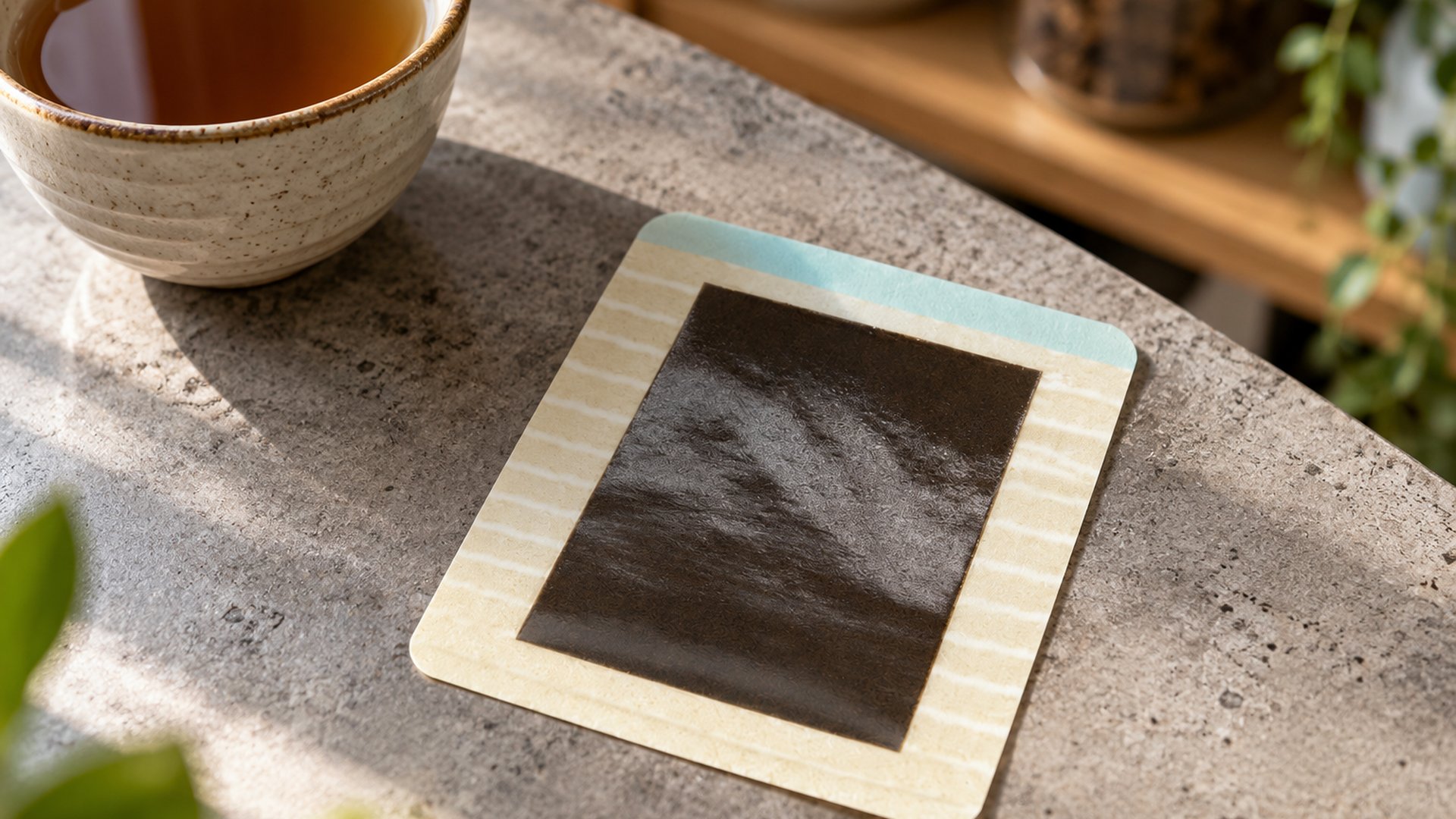
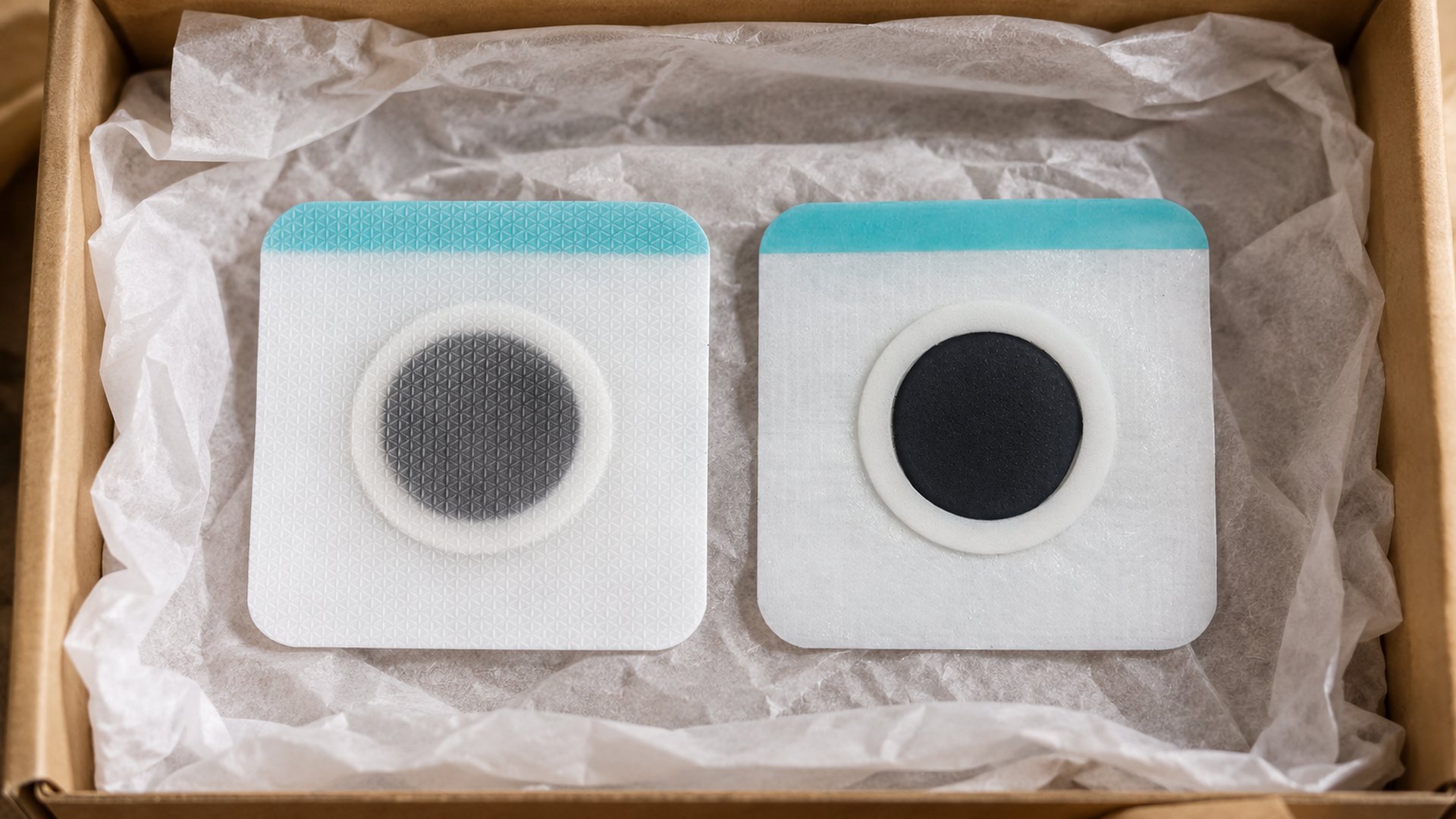
We moved into sampling with a normal planning window of about 7–14 days. The buyer had supplied a reference patch, but we still treated it as a reference rather than a finished manufacturing specification. We checked the dimensions, fabric backing, adhesive feel, patch flexibility, filling distribution, pouch size, and how the finished patch behaved after being packed. For a Travel Comfort Patch, those physical details matter because the product has to remain practical for everyday travel use while still being designed for intended skin contact.
The first sample round gave us something useful, but it also showed why I never like skipping the sample stage. The buyer wanted a softer backing, so we adjusted that variable without changing everything else at the same time. We also tested how the patch sat inside the individual pouch. To be honest, changing three or four variables in one sample round usually creates confusion: if the next sample feels better, nobody knows which change actually fixed it. We recorded each revision, kept the earlier sample for comparison, and asked the buyer to approve one final physical reference before we released bulk materials. That approved sample became the production benchmark for size, appearance, backing, adhesive configuration, and packing orientation.
Then the Project Went Sideways at the Packaging Stage
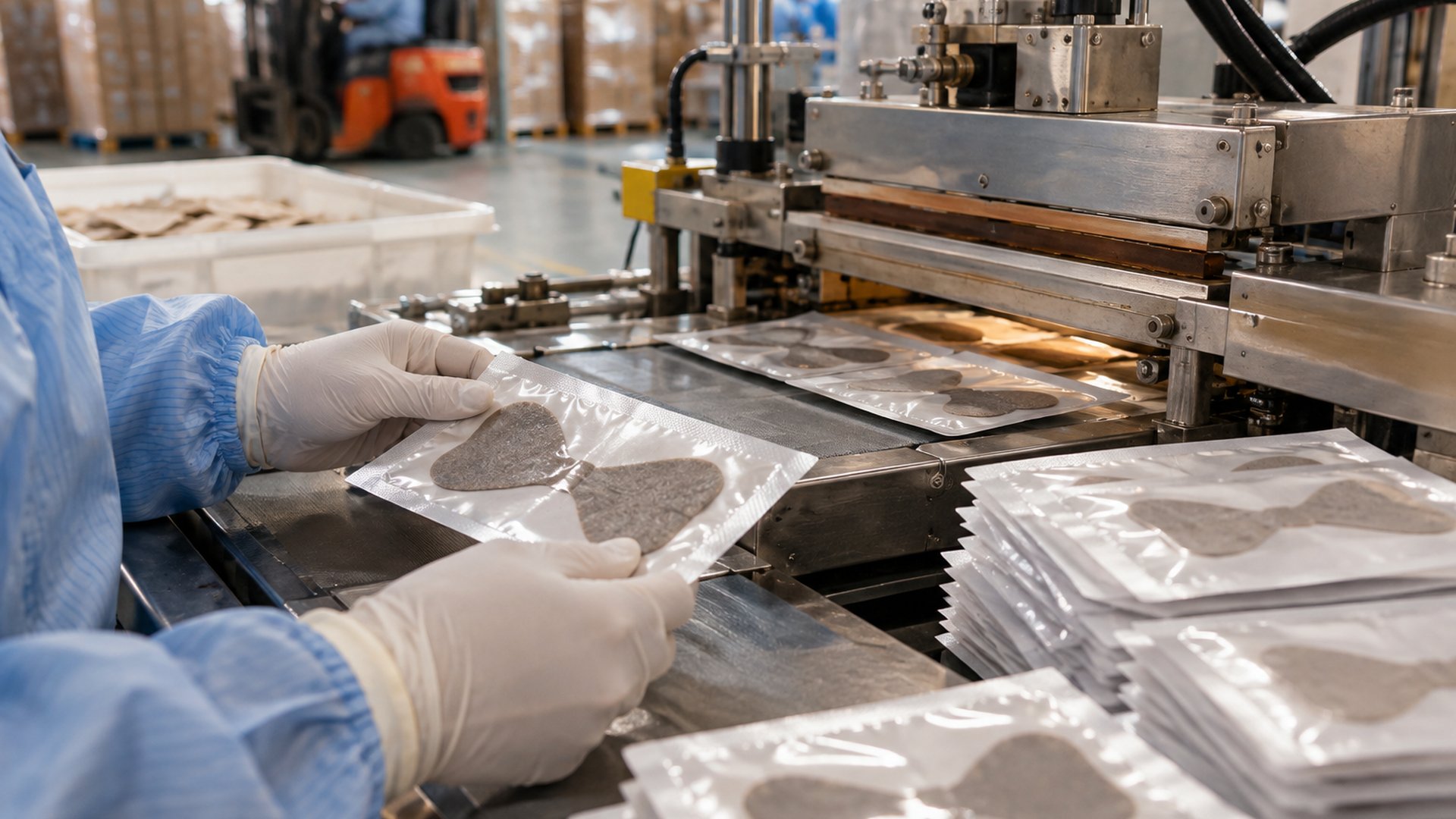
The snag appeared after the patch itself was almost settled. The buyer's designer had already completed the retail carton before the individual pouch dimensions were finally confirmed. When we made a packing mock-up, the numbers technically worked, but the fit was too tight. Ten individually packed Travel Comfort Patch units could go into the carton, yet the pouches had to be compressed more than we wanted. That is exactly the kind of problem that looks harmless on a PDF and becomes obvious when somebody on the packaging bench actually loads the box.
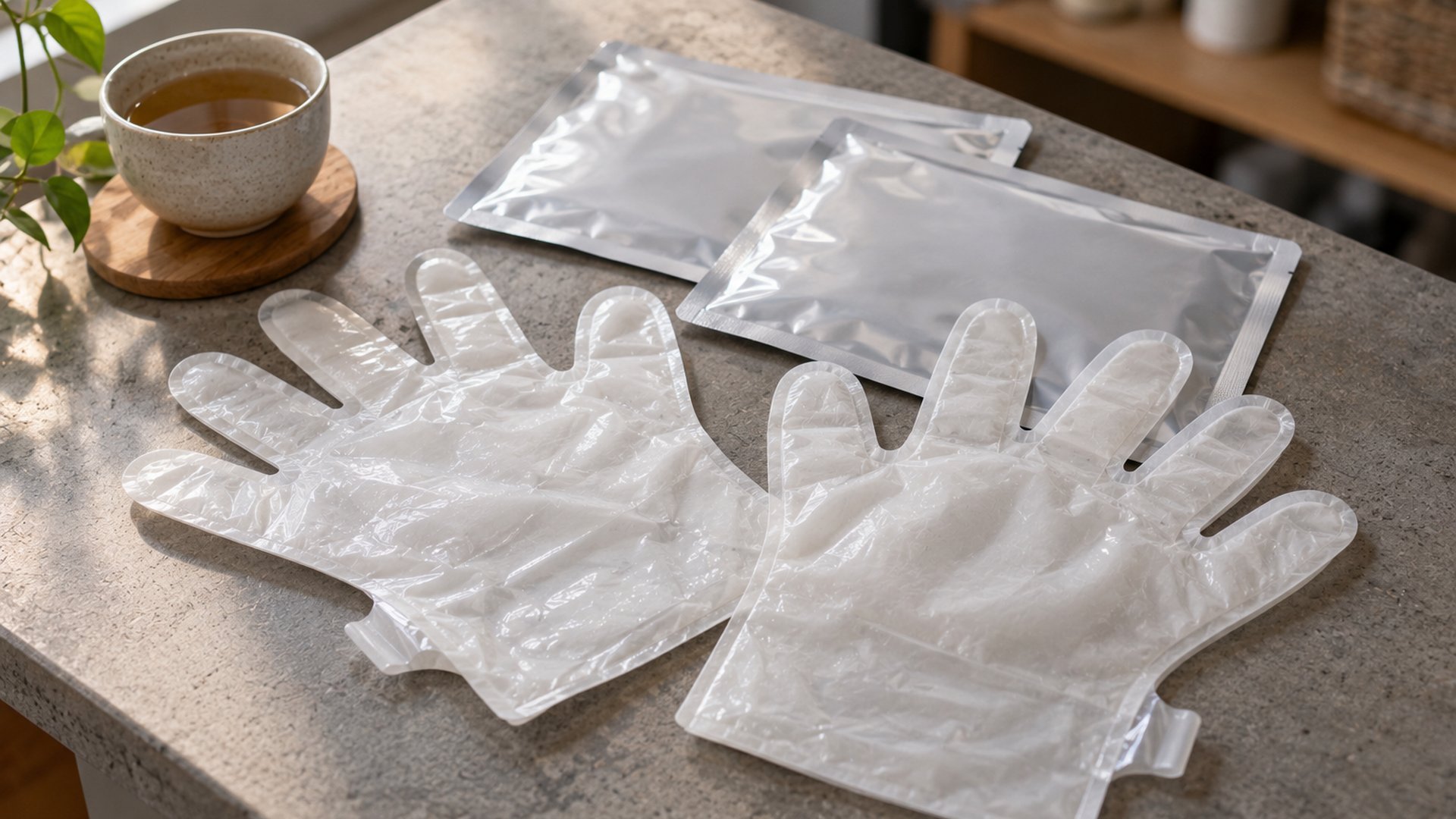
We stopped the packaging release. That decision cost a little time, but printing thousands of cartons first would have cost much more. We laid the components on the worktable in production order: finished patch, sealed individual pouch, ten-pouch stack, retail carton, then master carton. The buyer had been looking mainly at the retail presentation. We were looking at whether operators could repeatedly pack it without folding pouch seals, forcing cartons closed, or creating inconsistent finished boxes.
There was another issue. Three market versions had slightly different artwork, and the files were named too similarly. That might sound minor, but on a real packaging floor it creates a SKU-control risk. We asked the buyer to freeze the artwork and clearly separate each version before any printed material entered production. No bulk printing moved forward until the patch specification, pouch dimensions, carton dimensions, pack count, and artwork version were all tied to the same approved project sheet.
We Fixed the Sequence Before Starting Mass Production
The fix was straightforward: patch first, pouch second, carton third, master carton last. We increased the carton allowance slightly based on the physical packing test and locked the individual pouch before confirming the final carton structure. The buyer also reduced unnecessary packaging variation, which made material preparation and line control cleaner. Once those items were frozen, we could schedule production around a practical MOQ of about 30,000 patches, subject to the final specification and packaging configuration.
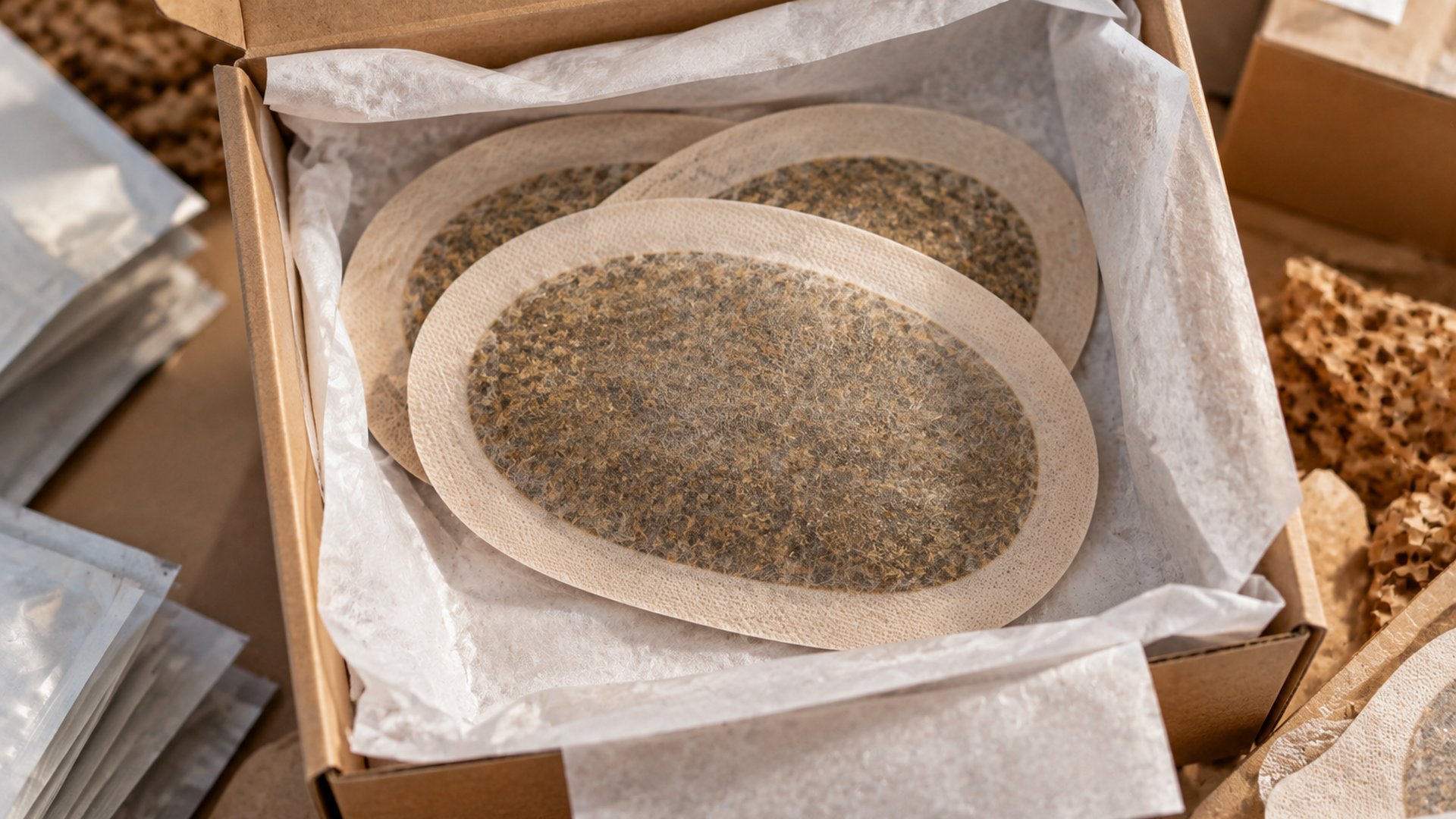
For this type of project, I normally separate the timeline into milestones rather than promise one vague delivery date. Sampling may take around 7–14 days. Artwork and packaging approval can add several working days depending on how quickly revisions come back. After final sample, artwork, commercial terms, and materials are approved, a conventional production plan may require roughly 20–30 days, depending on order quantity, printed packaging, material availability, and factory scheduling. Those are planning ranges, not guarantees.
On the line, we checked the Travel Comfort Patch against the signed reference rather than relying on memory. Dimensions, visible appearance, backing, filling consistency, adhesive configuration, pouch sealing, pack count, and packaging version all had defined references. Finished pouches were kept by SKU before cartoning. That simple separation mattered because the buyer still had multiple market packs even after simplifying the project.
Shipment Went Out, but I Would Change the RFQ Process Next Time
By shipment stage, the difficult work was already behind us. Finished units went through final packing checks, cartons were counted against the approved packing configuration, and the shipment information was prepared around the buyer's logistics arrangement. We kept international transit separate from manufacturing lead time. Factory completion, shipment handover, and freight transit are three different dates, and mixing them into one promised “lead time” is how launch schedules become misleading.
What would I do differently on the next travel comfort patch for global brands project? I would force the packaging conversation into the first RFQ meeting. Before sampling starts, I would ask the buyer to confirm six things: patch specification, individual pouch concept, pieces per retail pack, number of market versions, destination requirements, and target shipment window. I would also insist that the physical pouch be approved before the carton dimensions are frozen.
That is the main lesson from this order. The production problem was not some dramatic machine failure. It was a few millimeters of packaging space and several artwork versions that reached the project too early. Those are ordinary details, but ordinary details are what control an OEM schedule. For the next Travel Comfort Patch order, I would still allow 7–14 days for proper sampling and build the bulk schedule only after one final sample and one controlled specification are signed off. It is slower than quoting from a photo on day one, but it gives purchasing, production, QC, and packing the same target before materials start moving.
CATEGORIES
LATEST NEWS
- Sinew-Bone Pain-Bi Patch Private Label Manufacturer Supply Agreements
- What Hand Mask Custom Packaging Supplier Quotes Overlook
- Kids Herbal Foot Patch Contract Manufacturer: Safety Specifications First
- Mugwort Steam Eye Mask Private Label Manufacturer Readiness Check
- Mugwort Essential Oil Custom Formula Supplier: Formulation Approval Milestones
CONTACT US
QQ: 396269538
Phone: 17796669065
Tel: 17796669065
Email: 396269538
Add: Room 001, 1st Floor, Building 1, Zhengzhou Hangmei International Smart City, Intersection of S102 and Nanquan Road, Xuedian Town, Xinzheng City, Zhengzhou, Henan Province, China