Industry news
Evaluating a Sanfu Herbal Patch OEM Manufacturer
Industry news 2026-09-12 13:12:50 81 views admin
A qualified Sanfu herbal patch OEM manufacturer should be judged by formula control, material consistency, packaging execution, quality documentation, and whether the approved sample can actually be reproduced in mass production. Here's how to read the common questions.
What Should I Ask Before Requesting a Price?
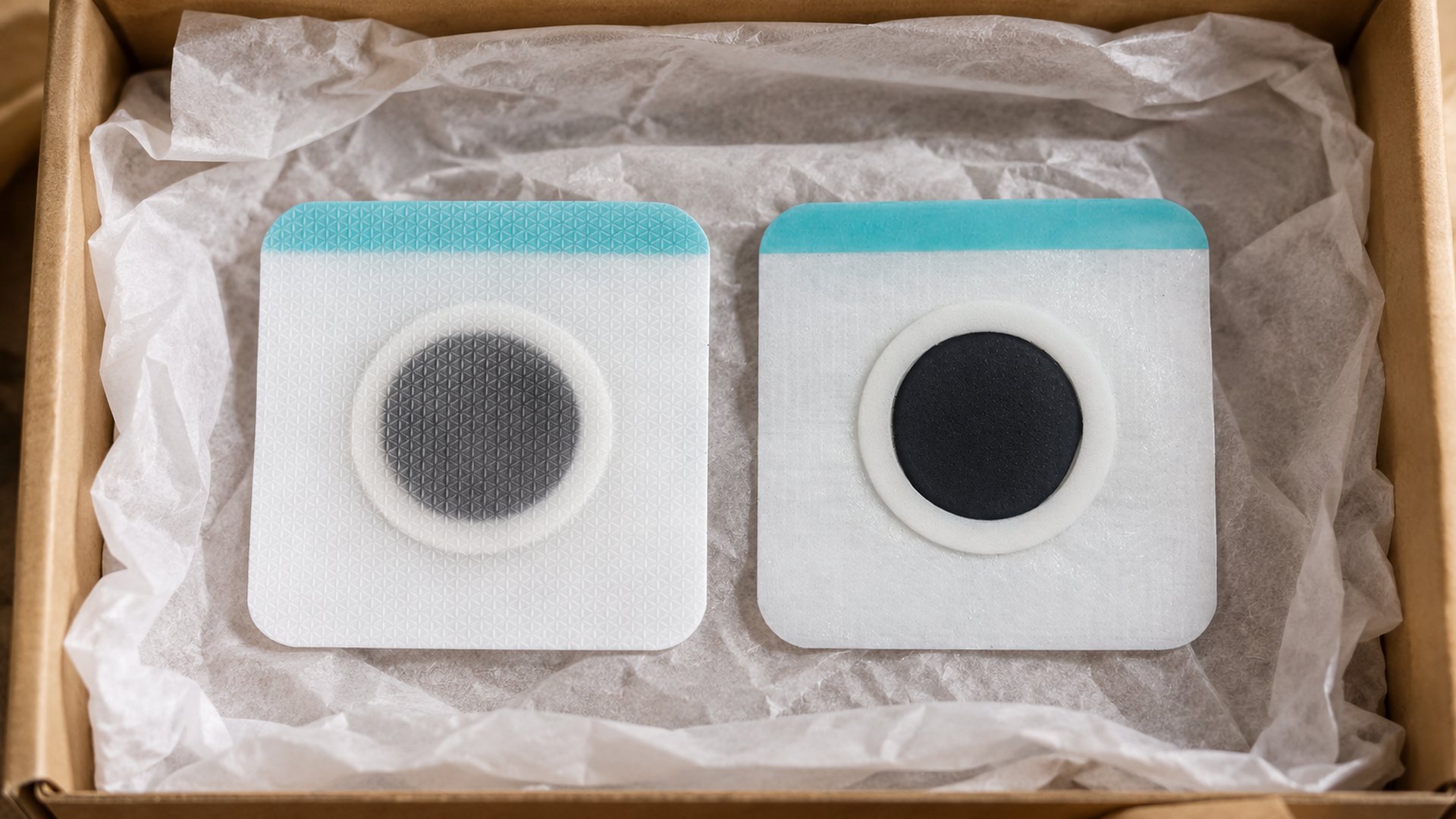
Do not start with “How much per piece?” Start by giving the factory the Sanfu Herbal Patch size, substrate, formula direction, adhesive requirements, units per retail pack, packaging structure, target market, and estimated quantity. Without those details, a low quotation usually tells you very little because two suppliers may be pricing completely different specifications.
Ask what the quoted price actually includes: patch production, individual pouch, printed retail box, master carton, sampling, and any special packaging process. If your project contains several formulas or packaging designs, also ask whether the MOQ applies to the total order or separately to each SKU. That distinction can change the purchasing math considerably.
Can a Sanfu Herbal Patch OEM Manufacturer Customize the Formula?
Usually yes, but “custom formula” needs a precise definition. One factory may allow adjustments to an established herbal formulation, while another can work with the buyer on ingredient composition, carrier system, patch dimensions, substrate, adhesive characteristics, aroma, and other physical specifications. Ask which parameters can actually be changed and which are tied to an existing production process.
For a Sanfu Herbal Patch positioned around everyday wellness or warming comfort, keep the development brief focused on the intended user experience and physical product characteristics rather than unsupported medical claims. The final specification should identify the approved formula version, materials, dimensions, packaging structure, and other measurable production parameters so purchasing and manufacturing teams are working from the same reference.
Is a 30,000-Piece MOQ Reasonable?
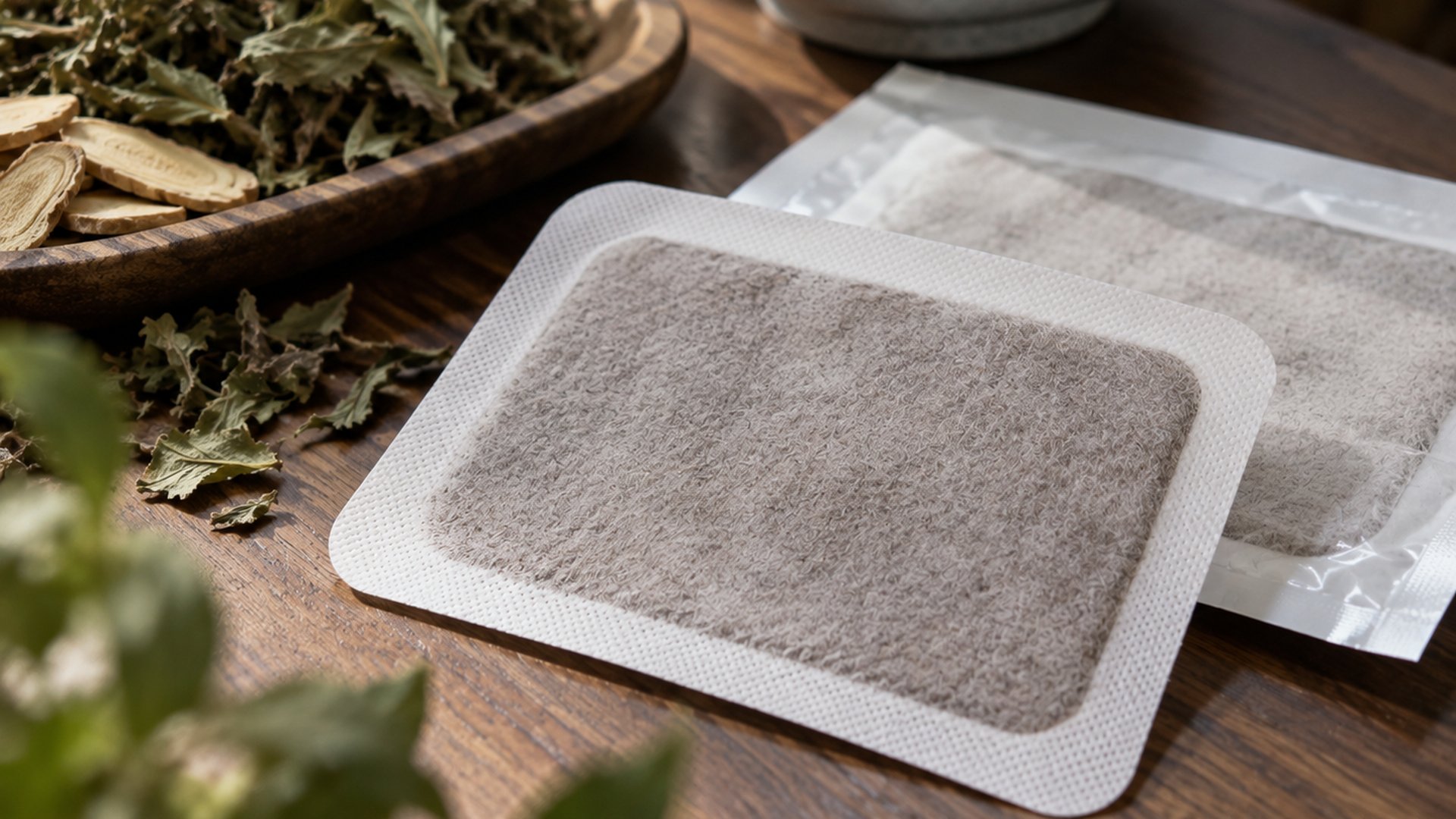
Around 30,000 pieces is a practical planning reference for many customized patch projects, but it should never be treated as a universal rule. MOQ depends on formula complexity, substrate availability, production setup, printed pouch quantities, retail packaging, and the number of SKUs. A standard specification with simple private-label packaging may have more flexibility than a project requiring custom materials and several printed components.
The more important question is how that MOQ is calculated. If 30,000 pieces can be divided across three packaging designs, the inventory risk is different from a factory requiring 30,000 pieces for every design. Ask for the MOQ of the patch itself, custom formula, individual pouch, retail box, and each SKU before approving the commercial structure.
How Long Should Sampling and Production Take?
For a conventional customized patch, roughly 7–14 days is a reasonable sampling range to discuss, depending on formula changes, material availability, and the number of revisions. Mass-production timing should be quoted separately after the sample, packaging files, materials, and purchase details are confirmed; more customized projects naturally require additional preparation.
Do not judge a Sanfu herbal patch OEM manufacturer simply by who sends the first sample fastest. Ask what happens after you approve it. The factory should be able to record the approved formula, patch dimensions, substrate, adhesive specification, pouch structure, artwork version, and other agreed parameters so the production batch has a clear reference rather than relying on messages such as “make it like the previous sample.”
Which Factory Documents Should I Actually Check?
Ask for documentation relevant to the factory, production scope, product category, and destination market rather than collecting certification logos. Depending on the project, buyers may need to review quality-management documentation, manufacturing records, material information, batch-control procedures, inspection methods, and market-specific documents. The exact requirements should be confirmed for the intended product classification and sales country.
Also ask how incoming materials, in-process production, finished patches, packaging, and batch identification are controlled. A certificate can tell you that a system exists; it does not by itself tell you how your Sanfu Herbal Patch will move from approved sample to repeat production. For procurement, traceability and specification control are often more informative than the number of certificates displayed on a supplier page.
Should I Ask for the Lowest Unit Price?
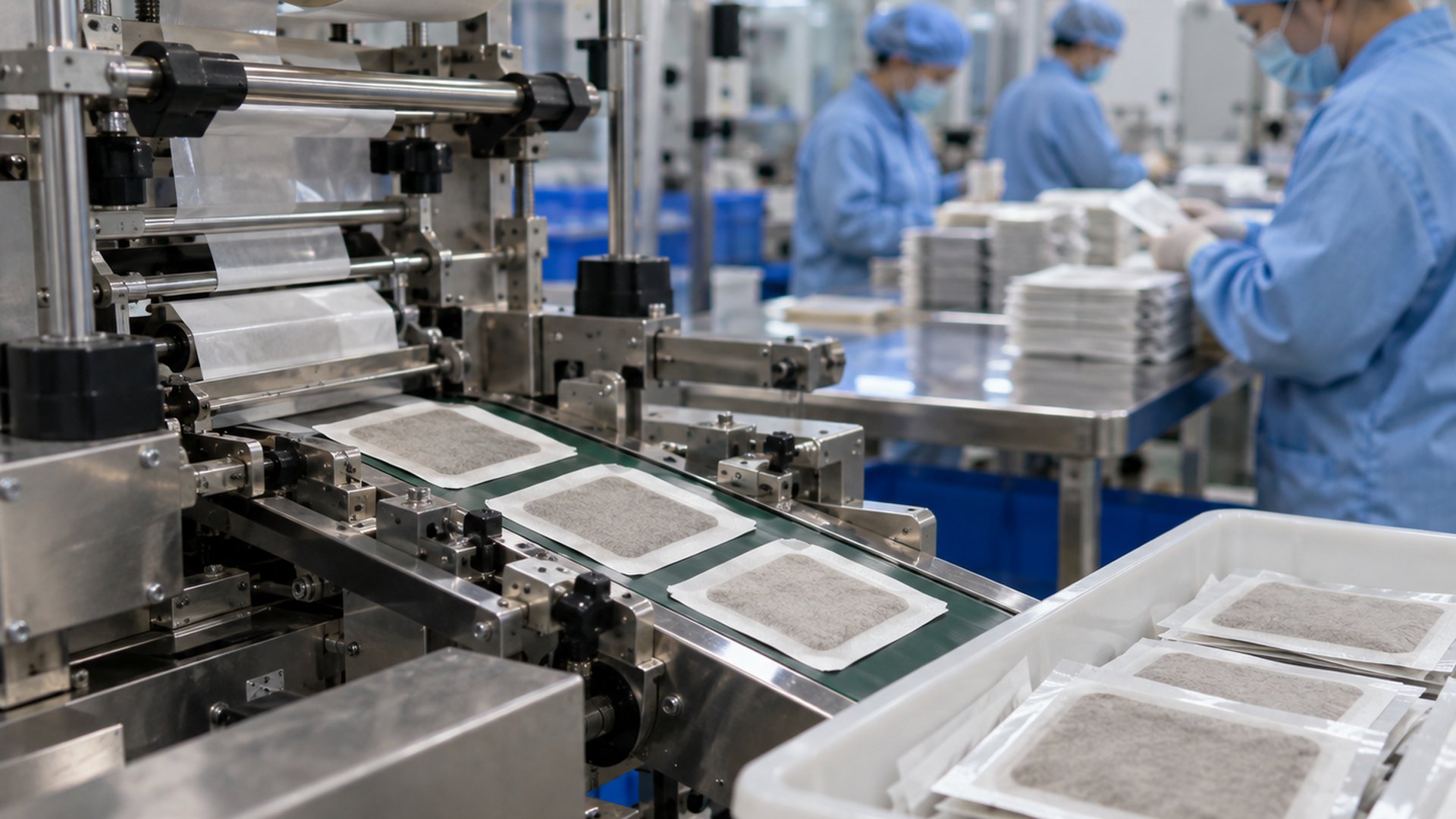
Ask for the lowest price only after every supplier is quoting the same specification. Reducing substrate grade, simplifying the formula, changing adhesive or pouch material, lowering packaging complexity, or increasing order volume can all reduce cost, but each choice changes what you are buying. A cheaper patch built to a different specification is not a genuine price comparison.
Instead, request two or three controlled quotations: the required specification, a cost-optimized version, and—if commercially useful—a more customized version. Ask the manufacturer to identify exactly what changes between them. This shows where the money is going and lets the buyer cut features that add little commercial value without accidentally removing something important to product consistency.
What Should I Not Ask a Factory to Promise?
Do not ask the manufacturer to guarantee disease-treatment outcomes or convert marketing ambitions into unsupported product claims. For a wellness-oriented Sanfu Herbal Patch, procurement discussions should stay around measurable specifications, intended use, warming comfort, materials, packaging, production controls, and claims that are appropriate for the destination market.
You should also be cautious with absolute statements such as “completely safe” or “works for everyone.” A more appropriate product-development discussion is whether materials are designed for intended skin contact, what testing or documentation is available, what usage instructions are planned, and whether the final formula and labeling fit the intended market. Claims and regulatory positioning should be reviewed against the rules that apply where the finished product will actually be sold.
What Is the Final Question I Should Ask?
Ask this: “If I approve this exact sample, what controls ensure my production order follows the same specification?” That question forces the conversation away from showroom samples and quotation sheets and toward formula version control, raw materials, production records, inspection, packaging versions, batch management, and final acceptance criteria.
That is ultimately how I would evaluate a Sanfu herbal patch OEM manufacturer. Price, MOQ, sampling speed, certificates, and customization capability all matter, but they should lead back to one procurement objective: receiving repeatable Sanfu Herbal Patch production that matches the specification your brand actually approved.
CATEGORIES
LATEST NEWS
- Sinew-Bone Pain-Bi Patch Private Label Manufacturer Supply Agreements
- What Hand Mask Custom Packaging Supplier Quotes Overlook
- Kids Herbal Foot Patch Contract Manufacturer: Safety Specifications First
- Mugwort Steam Eye Mask Private Label Manufacturer Readiness Check
- Mugwort Essential Oil Custom Formula Supplier: Formulation Approval Milestones
CONTACT US
QQ: 396269538
Phone: 17796669065
Tel: 17796669065
Email: 396269538
Add: Room 001, 1st Floor, Building 1, Zhengzhou Hangmei International Smart City, Intersection of S102 and Nanquan Road, Xuedian Town, Xinzheng City, Zhengzhou, Henan Province, China