Industry news
What Changes With a Pediatric Cooling Patch Private Label Manufacturer
Industry news 2026-09-14 09:03:21 73 views admin
Work through this list top to bottom. A pediatric cooling patch private label manufacturer should be evaluated on the finished Fever Cooling Patch specification first, then MOQ, packaging, documentation, and production timing.
1. Lock the Cooling Gel Sheet Specification
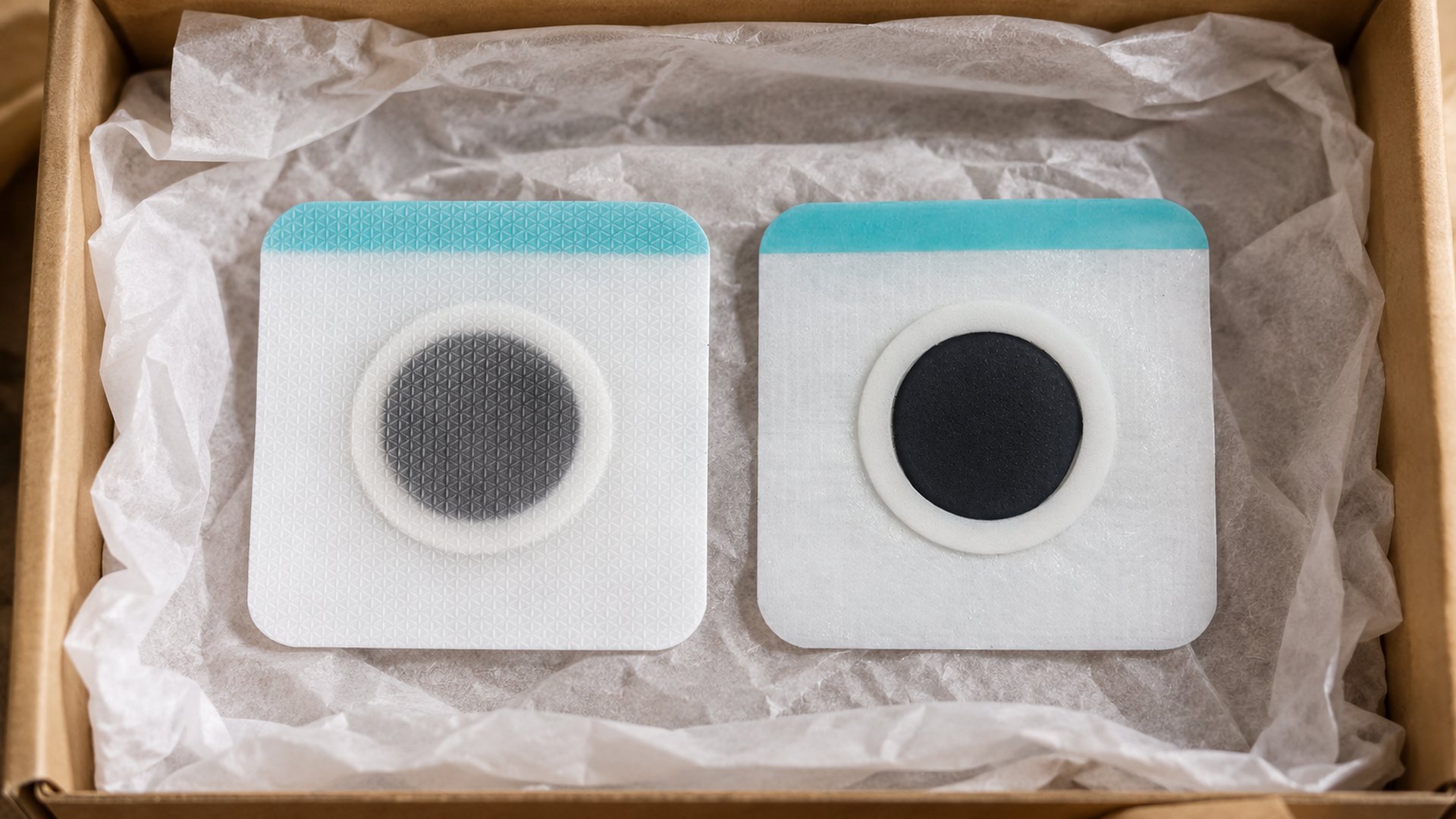
Confirm the Fever Cooling Patch dimensions, hydrogel weight or thickness, backing material, moisture level, adhesion target, and intended wear conditions before asking for a final quotation. Request physical samples and check whether the sheet stays positioned during normal use while remaining practical to remove. For a pediatric-oriented product, also review every material and ingredient intended for skin contact and request the supporting documentation available from the manufacturer. Do not accept vague descriptions such as “standard children’s formula” as the production specification.
2. Confirm the Formula Before Designing Packaging
Freeze the ingredient list, gel formulation, fragrance choice, color, and other agreed characteristics before finalizing retail copy. Ask the manufacturer to identify the exact approved formula version and keep a signed reference sample for mass production. If you want fragrance-free and scented variants, treat them as separate specifications because even a small formula change can affect sampling, material purchasing, packaging copy, and SKU management. Keep positioning around cooling comfort and intended use rather than unsupported disease-treatment claims.
3. Calculate MOQ by SKU, Not Total Pieces
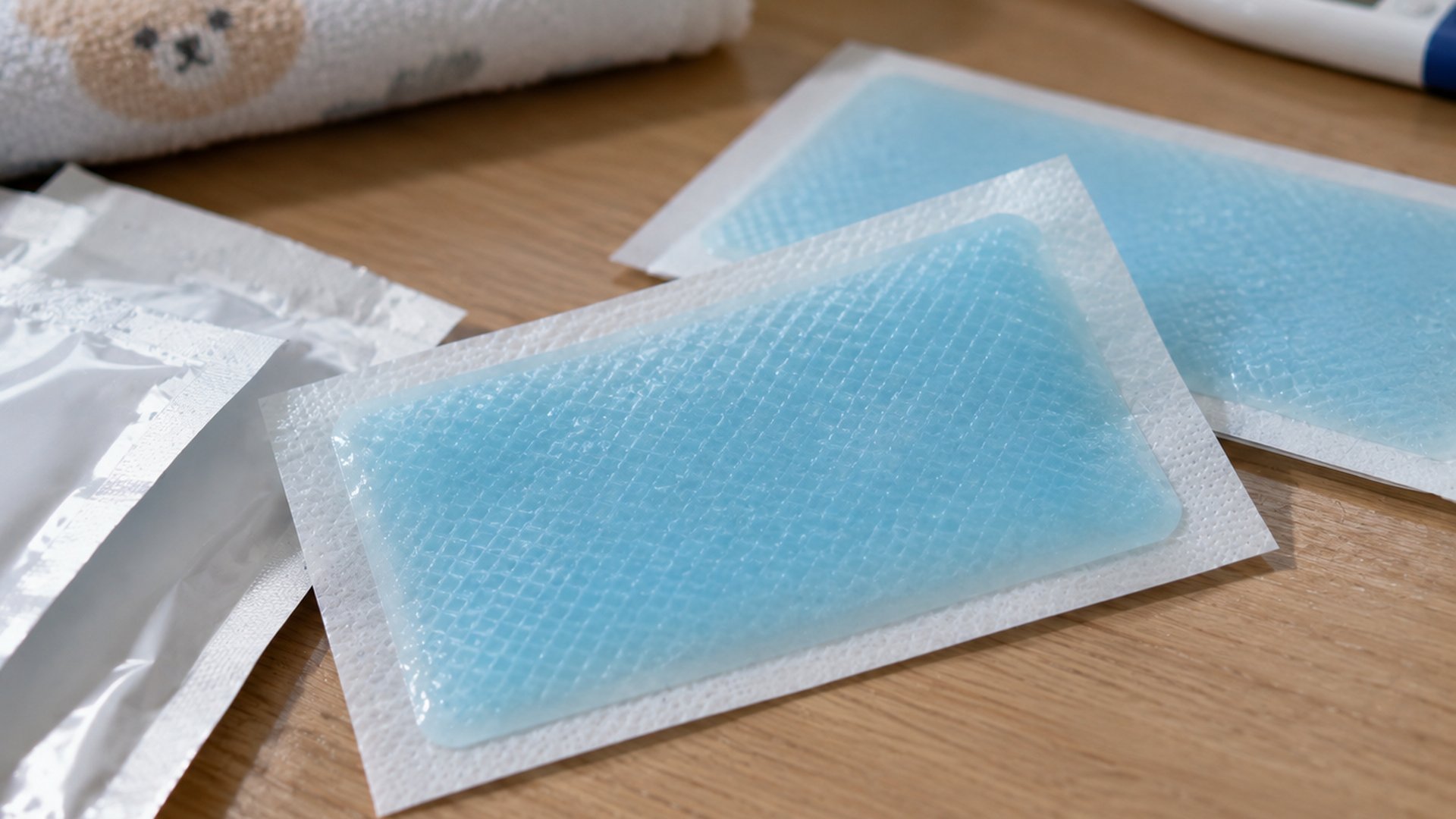
Ask whether the MOQ applies per formula, size, pouch design, retail box, or total purchase order. Around 30,000 pieces is a realistic planning reference for many customized patch projects, but actual minimums depend on the gel specification, printed packaging, materials, and customization level. A 30,000-piece order split among three designs can create very different economics from one 30,000-piece SKU. Get the minimum quantity for every custom component in writing before calculating your landed cost.
4. Test the Individual Pouch Before Approving the Box
Confirm pouch dimensions, film structure, seal quality, opening method, and compatibility with the cooling gel sheet before approving the retail carton. The pouch is functional packaging: poor moisture control or sealing can change the condition of a hydrogel product during storage. Ask for packaged samples rather than evaluating uncovered sheets alone. Once the pouch specification is fixed, calculate the required carton dimensions from the actual number of packed units instead of asking a designer to estimate the box first.
5. Check What the Factory Records From Your Approved Sample
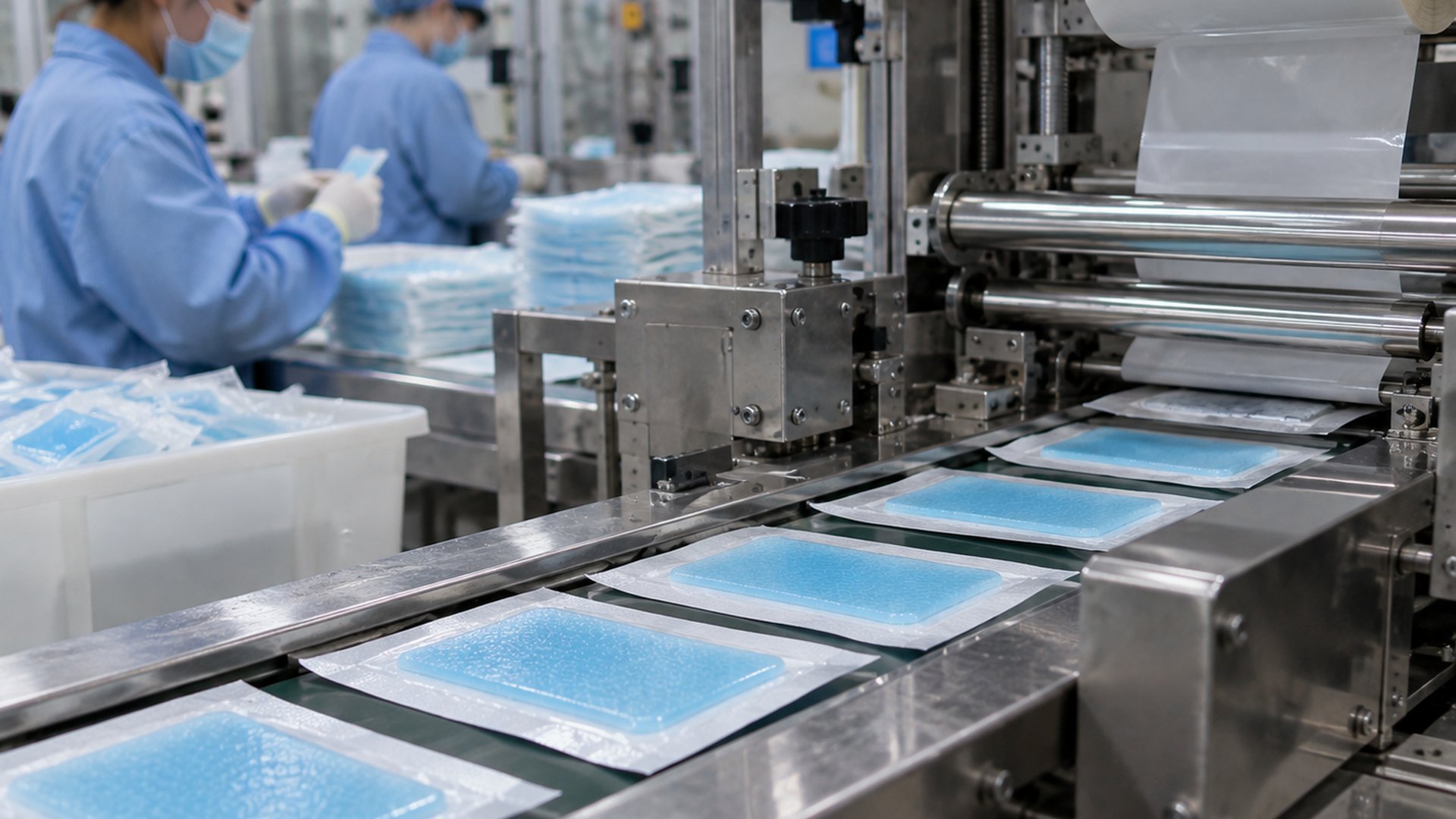
Require the pediatric cooling patch private label manufacturer to record the approved formula version, sheet dimensions, gel specification, substrate, pouch structure, artwork revision, pack count, and relevant inspection criteria. Sampling for a conventional customized project may take roughly 7–14 days depending on formula changes and revisions. Speed matters less than transfer control: the sample you approve must become a documented production specification that purchasing, manufacturing, QC, and packaging teams can all follow.
6. Verify Documentation Against the Destination Market
Request manufacturing and quality documents relevant to the actual product category and intended sales country rather than judging a supplier by the number of certification logos on its website. Confirm what each document covers, whether it applies to the manufacturing site and product involved, and what additional testing or market-specific documentation your importer or regulatory adviser requires. Pediatric positioning deserves particular care because product classification, permitted claims, labeling, warnings, and supporting evidence can vary by market.
7. Compare Quotations Only After Specifications Match
Send every shortlisted supplier the same RFQ sheet covering formula, dimensions, gel specification, materials, individual pouch, units per box, artwork, SKU count, MOQ, sampling requirements, and destination market. Then ask suppliers to separate product, packaging, customization, and other major cost items where possible. A lower unit price based on a thinner gel sheet, different pouch structure, simpler packaging, or stock formula is not a direct comparison with your requested Fever Cooling Patch.
One Caution Before You Place the Order
Do not approve pediatric-facing packaging claims simply because a factory says similar wording has been used before. Final claims, age-related instructions, warnings, intended use, and product classification should be checked for your destination market before artwork is printed. The safest procurement sequence is specification first, documented sample second, compliant packaging review third, and mass production only after all three match.
CATEGORIES
LATEST NEWS
- Sinew-Bone Pain-Bi Patch Private Label Manufacturer Supply Agreements
- What Hand Mask Custom Packaging Supplier Quotes Overlook
- Kids Herbal Foot Patch Contract Manufacturer: Safety Specifications First
- Mugwort Steam Eye Mask Private Label Manufacturer Readiness Check
- Mugwort Essential Oil Custom Formula Supplier: Formulation Approval Milestones
CONTACT US
QQ: 396269538
Phone: 17796669065
Tel: 17796669065
Email: 396269538
Add: Room 001, 1st Floor, Building 1, Zhengzhou Hangmei International Smart City, Intersection of S102 and Nanquan Road, Xuedian Town, Xinzheng City, Zhengzhou, Henan Province, China