Industry news
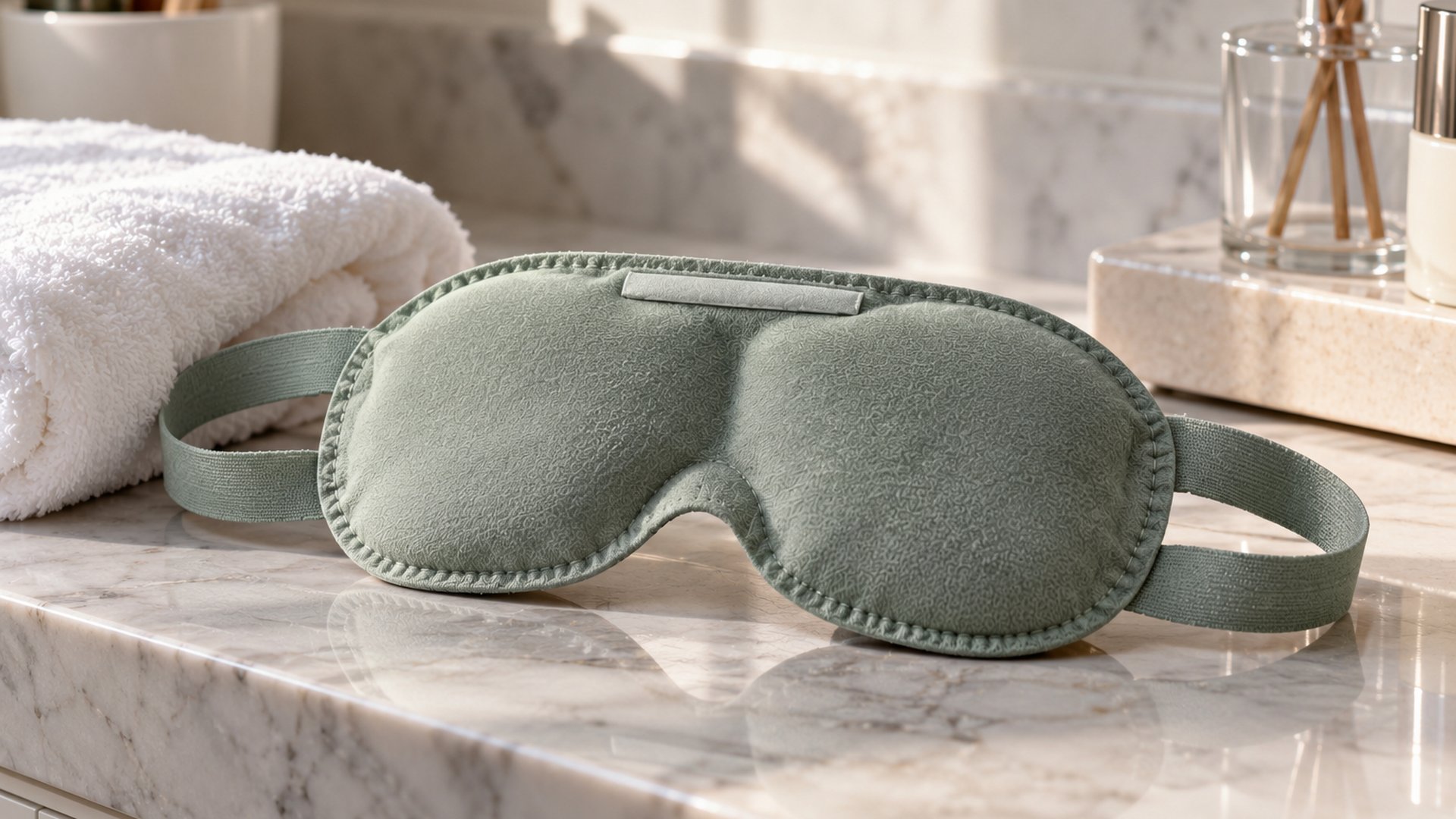
Lavender Steam Eye Mask Contract Manufacturer Quality Tradeoffs
Industry news 2026-10-09 08:37:39 42 views admin
1. Lock the Heat Performance Before Cutting the Schedule
A Lavender Steam Eye Mask order cannot be accelerated by skipping the checks that establish its heating behavior. The warming system depends on controlled material composition, moisture conditions, oxygen exposure, and pouch integrity. Changing these variables to save time can alter the temperature curve or shorten the intended warming period.
Ask the lavender steam eye mask contract manufacturer to identify which verification steps are mandatory for the selected heating formulation. A typical development target may be approximately 40°C with a 20–30-minute warming experience, but the actual specification must be established through testing.
Request temperature readings at defined intervals, including initial activation, peak temperature, the intended warming window, and cooling behavior. If the process requires material conditioning or stabilization, retain the validated duration.
Action: Freeze the heating formulation before requesting an expedited production slot. Budget zero days of savings from eliminating required heating-performance or seal-integrity checks.
2. Reuse Existing Tooling to Save Development Days
Custom tooling can delay a first order before production begins. New cutting dies, ear-loop configurations, pouch dimensions, and sealing arrangements may each introduce separate engineering work.
For a buyer prioritizing delivery, the fastest option is usually an existing eye-mask structure with customized external presentation.
A new cutting die may require approximately 5–10 working days, depending on complexity and supplier capacity. Reusing an approved die can remove much of that waiting period. Keeping the established ear-loop structure and individual pouch dimensions also reduces machine-adjustment work.
Do not assume that changing the mask outline is a harmless cosmetic decision. A different shape can affect fabric consumption, folding, sealing, and packing.
Ask the manufacturer to identify which proposed changes require physical tooling and which can be completed through artwork or material selection.
Action: Keep the approved mask geometry, ear loops, and pouch dimensions for the first production run. Potential schedule saving: approximately 5–10 working days when new tooling would otherwise be required.
3. Compress Artwork, Purchasing, and Production Queues
The most practical schedule savings usually come from removing waiting time between departments.
Artwork approval, packaging procurement, material reservation, and production scheduling are often handled sequentially. Some activities can overlap once the technical specifications are stable.
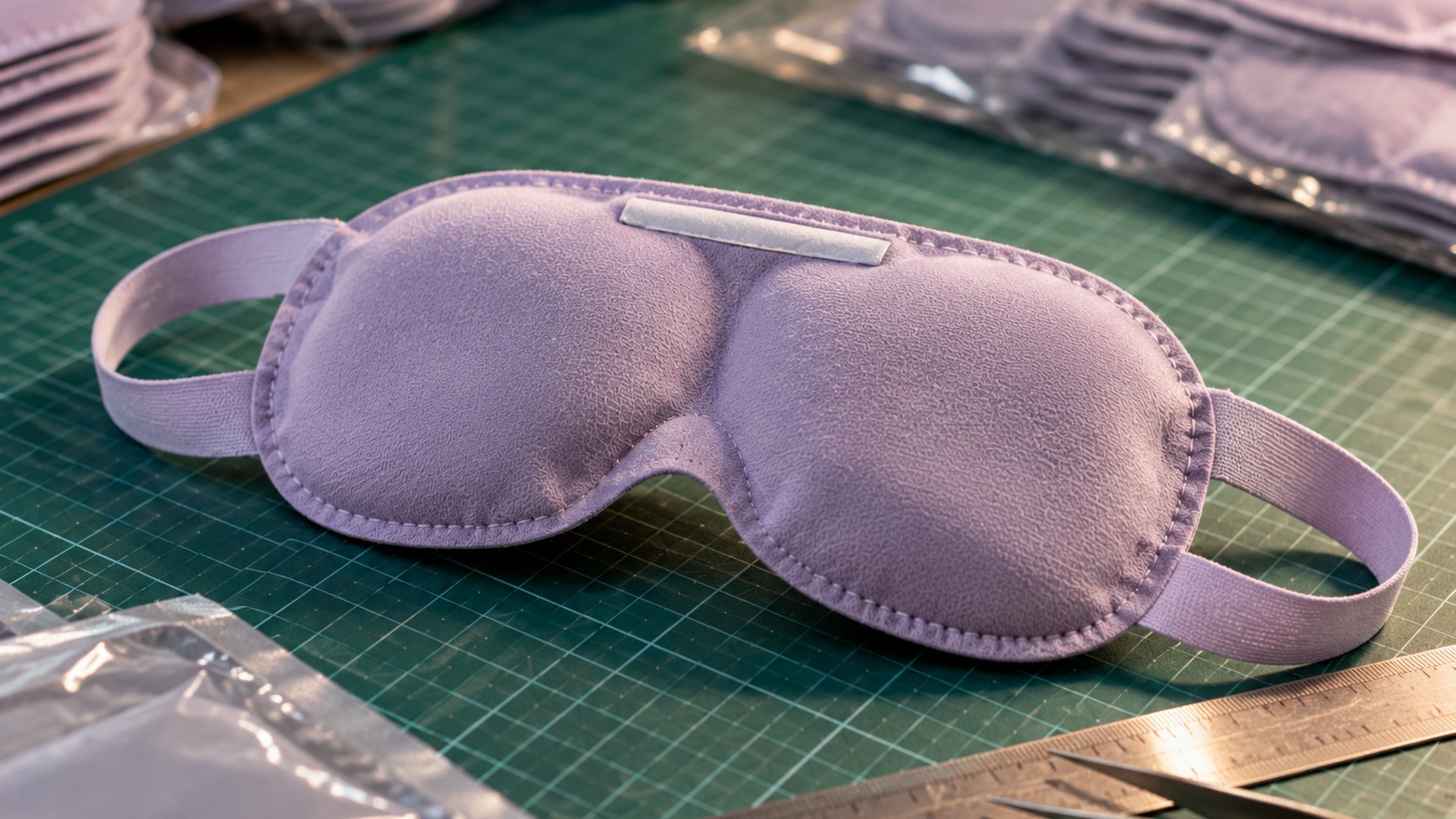
For example, the buyer can finalize carton artwork while the manufacturer confirms available fabric and heating materials. Standard pouch materials can be reserved before decorative packaging is printed, provided their specifications are already approved.
Parallel processing may save approximately 3–6 working days compared with a fully sequential workflow. The exact saving depends on supplier availability and whether packaging artwork requires revision.
Rush production capacity is another option, but it has a price. For preliminary budgeting, an expedited slot might attract a 5–15% premium on the affected manufacturing or conversion charges. This is an illustrative allowance, not a standard factory surcharge.
Ask whether the premium covers overtime, priority scheduling, additional shifts, or outsourced conversion. Paying extra without identifying the accelerated operation provides little control.
Action: Request two schedules: standard production and expedited production. Require the manufacturer to show days saved and additional cost for each accelerated activity.
4. Release the Deposit Before the Production Slot Disappears
A purchase order without the required payment may not reserve manufacturing capacity.
For a first Lavender Steam Eye Mask order, a commercial arrangement might require a 30% deposit, with the remaining 70% payable according to the agreed contract terms. Other arrangements are possible, and the deposit percentage should be confirmed before scheduling.
The important distinction is between receiving a quotation and obtaining a confirmed production reservation.
If the manufacturer requires cleared funds before purchasing materials or reserving a line, delaying the deposit by four working days may move the earliest production start by a similar period. That delay can grow if the original production slot is allocated elsewhere.
Paying 50% instead of 30% does not automatically accelerate manufacturing. A larger deposit only helps when it open ups a specific commercial constraint, such as earlier material purchasing or a documented capacity reservation.
The buyer should ask three questions: What payment activates the order? Which materials are reserved after payment? Is the production slot confirmed in writing?
Action: Agree on payment milestones before issuing the purchase order. Transfer the required deposit against a confirmed specification and written production schedule, not an informal promise of faster delivery.
5. Build the Shortest Realistic First-Order Schedule
A compressed schedule should distinguish technical development from avoidable administrative delays.
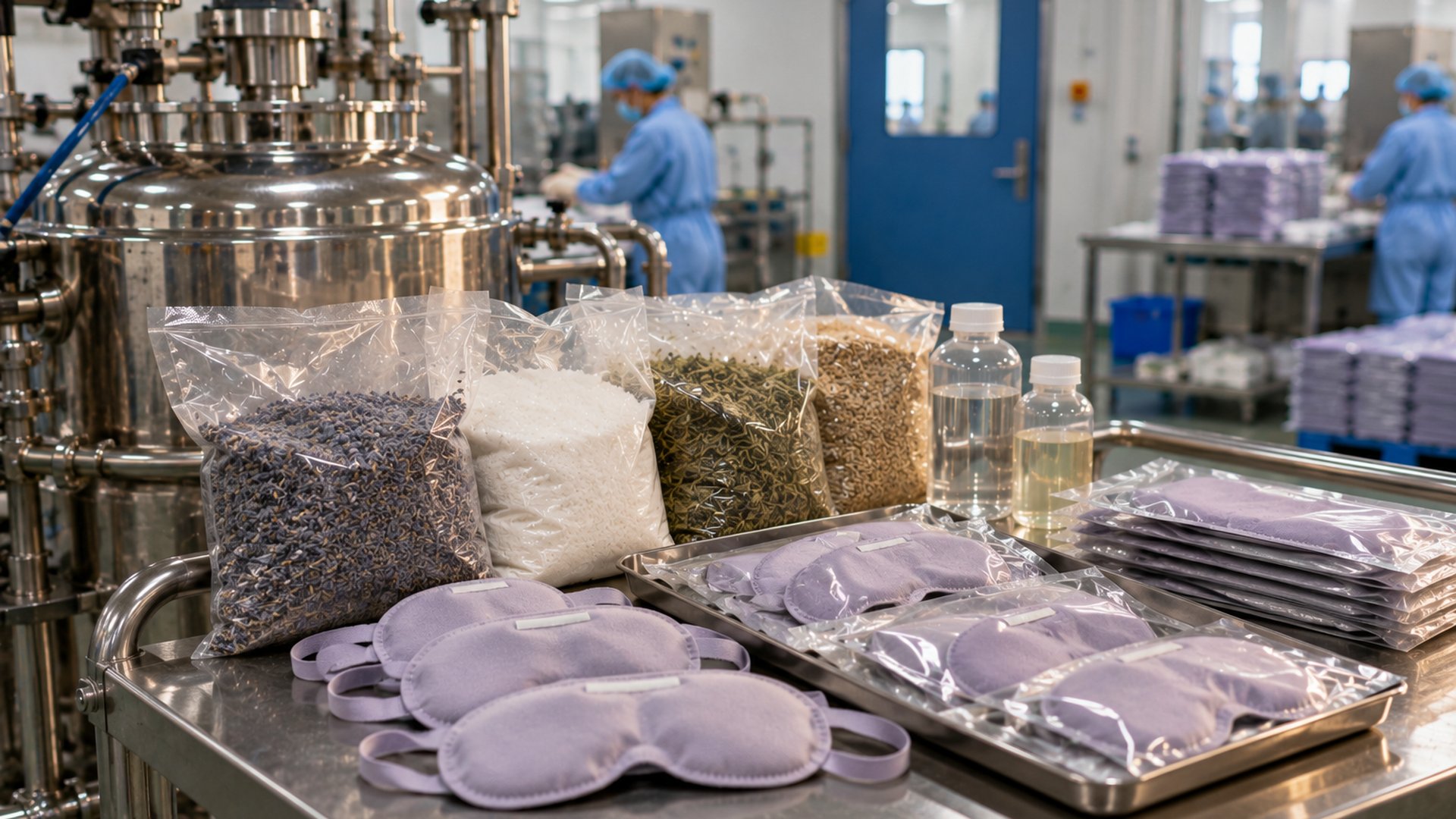
For an existing Lavender Steam Eye Mask construction with approved heating materials, standard tooling, and available packaging components, a first-order planning model might look like this:
| Schedule lever | Potential saving | Main condition |
|---|---|---|
| Reuse existing cutting tooling | 5–10 working days | No new mask geometry |
| Parallel artwork and material preparation | 3–6 working days | Specifications already frozen |
| Priority production allocation | 2–5 working days | Capacity available; rush premium agreed |
| Immediate deposit and slot confirmation | 2–4 working days of avoidable delay | Commercial terms approved |
| Skip required heating or sealing verification | 0 days permitted | Mandatory controls retained |
These figures are illustrative, and overlapping activities mean the savings cannot simply be added together.
For planning purposes, an expedited first order using established materials and tooling might target approximately 15–25 working days from final specification approval and payment activation to factory readiness, excluding international transportation. That range is conditional, not a delivery guarantee.
A genuinely new heating formulation, unvalidated construction, unavailable material, or new packaging tool can extend the schedule substantially. Those requirements should be completed before the manufacturer commits to a shipment date.
The final checklist is straightforward: preserve validated heating performance, reuse tooling, run independent activities in parallel, secure capacity with the agreed deposit, and pay rush premiums only where they remove a documented bottleneck.
A lavender steam eye mask contract manufacturer should be able to show the critical path behind its delivery commitment. Buyers should accept a shorter timeline only when every claimed saving corresponds to a real operational change.
The objective is to remove waiting days while preserving the manufacturing controls that make the Lavender Steam Eye Mask consistent from one production batch to the next.

CATEGORIES
LATEST NEWS
- Sinew-Bone Pain-Bi Patch Private Label Manufacturer Supply Agreements
- What Hand Mask Custom Packaging Supplier Quotes Overlook
- Kids Herbal Foot Patch Contract Manufacturer: Safety Specifications First
- Mugwort Steam Eye Mask Private Label Manufacturer Readiness Check
- Mugwort Essential Oil Custom Formula Supplier: Formulation Approval Milestones
CONTACT US
QQ: 396269538
Phone: 17796669065
Tel: 17796669065
Email: 396269538
Add: Room 001, 1st Floor, Building 1, Zhengzhou Hangmei International Smart City, Intersection of S102 and Nanquan Road, Xuedian Town, Xinzheng City, Zhengzhou, Henan Province, China