Industry news
Finger Care Patch Custom Formula Supplier Selection Mistakes
Industry news 2026-10-10 08:10:01 30 views admin
Step 1 RFQ: Decide Which Manufacturing Model You Are Buying
A Finger Care Patch project starts with a commercial decision that many buyers leave until the quotation stage: white label, private label, or custom OEM. These three arrangements can produce similar-looking products while giving the buyer very different control over formulation, branding, and future supply.
White label generally means purchasing an existing manufacturer-developed product with limited customization. Private label adds the buyer's brand identity and may permit selected material or packaging adjustments. Custom OEM involves developing a product against buyer-approved specifications, potentially including a proprietary formulation.
A finger care patch custom formula supplier should identify the proposed arrangement before quoting development charges.
The RFQ should specify whether the buyer wants an existing formulation, limited customization, or a newly developed formula. It should also identify who owns the resulting technical documentation.
Allow approximately 2–4 working days for initial commercial clarification when the requirements are complete. This is a planning allowance, not a guaranteed supplier response time.
Step 2 Compare Formulation Rights Before Approving Samples
The next stage establishes what the buyer actually receives under each manufacturing model.
A white-label Finger Care Patch normally uses a manufacturer-controlled formulation. The buyer can sell the finished product under agreed conditions but does not automatically acquire the formula or prevent the manufacturer from supplying similar products elsewhere.
Private-label arrangements may provide greater control over packaging artwork and branding. However, placing a trademark on a carton does not transfer ownership of the underlying formulation.
Custom OEM offers the possibility of buyer-owned development, but ownership must be expressly negotiated. Paying a development fee alone does not establish exclusive rights.
For preliminary commercial comparison, buyers can use the following illustrative model:
| Manufacturing model | Typical formulation control | Illustrative unit-price difference | Exclusivity position |
|---|---|---|---|
| White label | Manufacturer-controlled | Baseline | Usually nonexclusive |
| Private label | Existing formula with selected customization | 3–8% above baseline | Negotiable by brand or territory |
| Custom OEM | Buyer-defined specifications and negotiated formula rights | 10–25% above baseline | Contract-specific |
These percentages are budgeting assumptions, not fixed industry premiums. Materials, development complexity, production quantity, and ownership arrangements determine actual quotations.
Allow approximately 3–5 working days to compare proposals and resolve commercial ownership questions before authorizing development.
Step 3 Define Exclusivity Before Development Begins
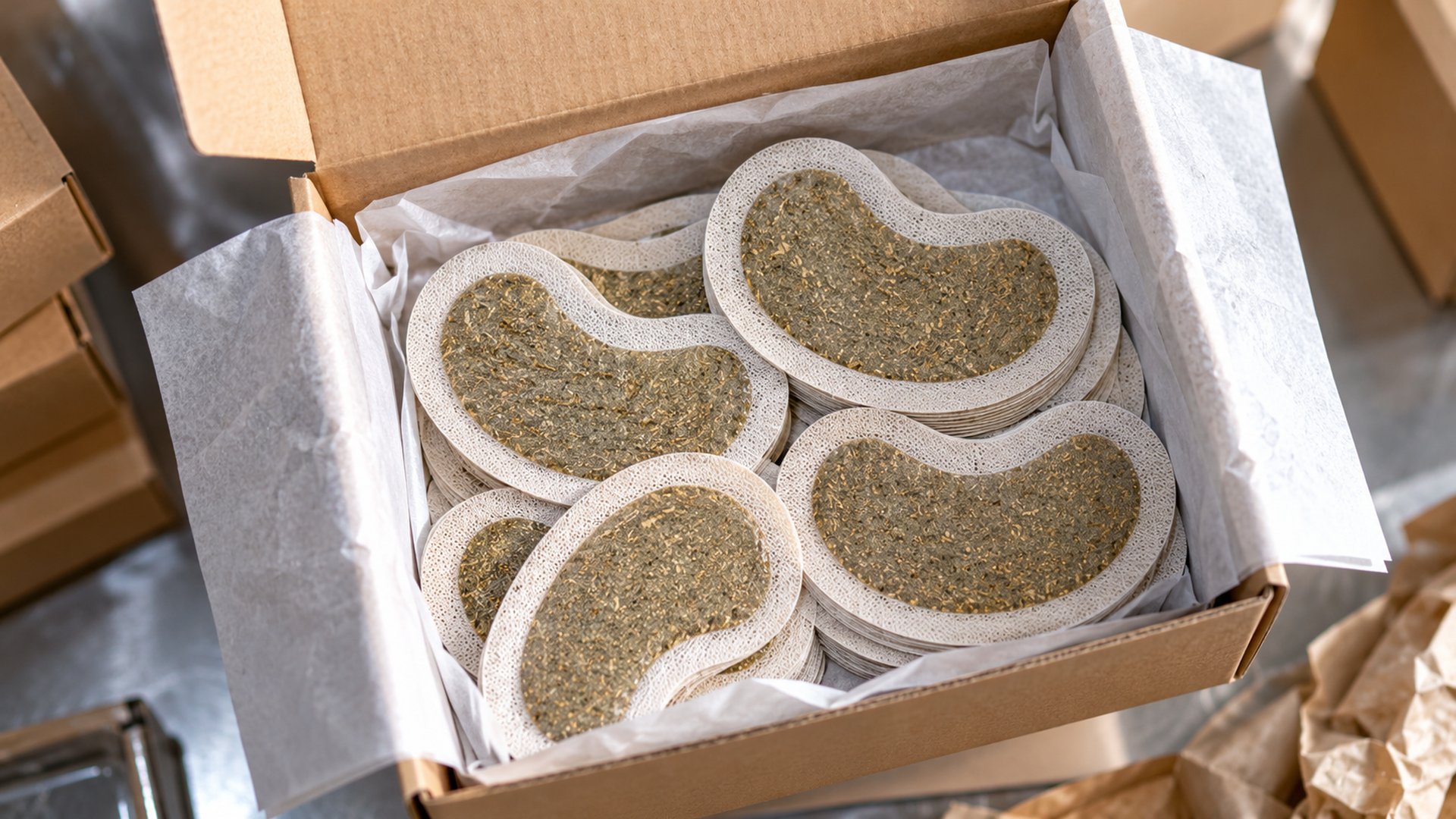
Exclusivity is often discussed too late in a Finger Care Patch project.
A buyer may assume that paying for a customized formulation prevents the manufacturer from producing similar products for other customers. Unless the agreement specifically grants that protection, the assumption may be incorrect.
The supplier and buyer should establish whether exclusivity applies to the exact formula, a defined product specification, the finished packaging design, or a broader product category.
Territory also matters.
An agreement covering one country does not automatically restrict sales throughout an entire region. Worldwide exclusivity creates a substantially different commercial obligation from exclusivity limited to one national market.
For example, a buyer might negotiate exclusive supply of an identified formulation within Germany for 24 months, subject to an agreed annual purchase commitment. That example illustrates contract structure, not an existing customer agreement.
A reasonable commercial review should cover the duration, territory, restricted products, purchase obligations, renewal conditions, and consequences of failing to meet volume commitments.
The agreement should also address whether the manufacturer can supply materially similar formulations outside the protected territory.
Allow approximately 5–10 working days for commercial and legal review when exclusivity is requested. More complex negotiations may take longer.
Step 4 Approve the Formula, Branding Rights, and Production Documents
Once the commercial model is agreed, the project moves into technical approval.
For white label, this usually involves reviewing an established Finger Care Patch specification and confirming that its materials, presentation, and intended skin-contact conditions meet the buyer's requirements.
Private label adds approval of the buyer's branding and any permitted product modifications.
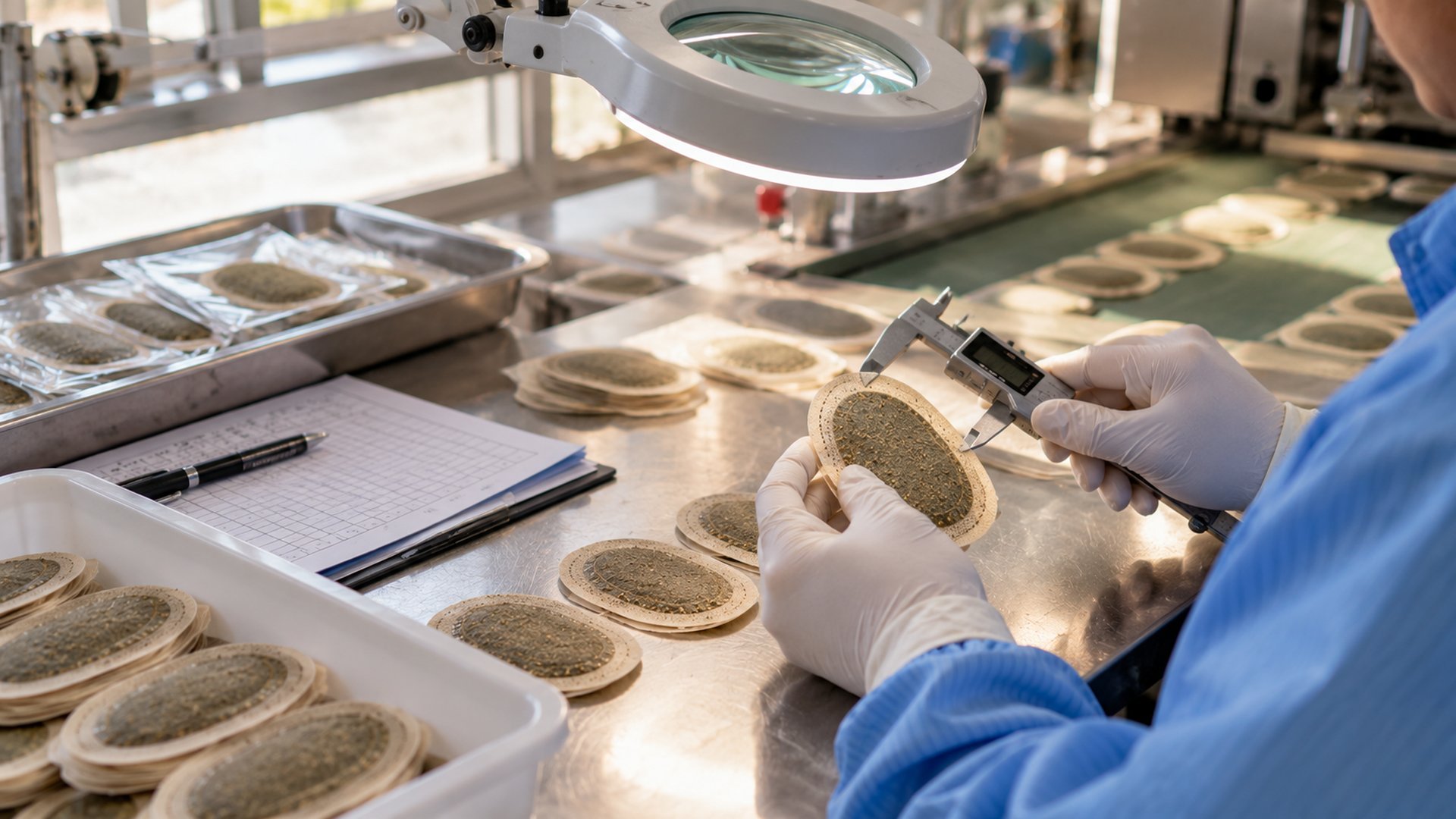
Custom OEM requires a more detailed technical file. The buyer and manufacturer must agree on formulation specifications, material composition, production parameters, acceptance criteria, and the ownership or permitted use of technical information.
The critical distinction is between access to documents and ownership of intellectual property.
A supplier may provide a certificate of analysis, material specifications, or finished-product inspection records without transferring the underlying formulation rights.
Likewise, the buyer may own its trademark and packaging artwork while the manufacturer retains rights to the production method or existing technical know-how.
The purchase agreement should distinguish buyer-provided intellectual property, manufacturer background technology, and newly developed intellectual property.
For a custom project, document whether the buyer can transfer its approved formula to another qualified manufacturer and what technical assistance, if any, the original supplier must provide.
Technical approval may require approximately 10–20 working days for an existing formulation with limited changes. Newly developed formulations may require substantially longer evaluation.
Step 5 Confirm the Cost Gap and Release the Purchase Order
The final commercial review should compare total project cost rather than unit price alone.
A white-label Finger Care Patch may offer the lowest development expenditure because the formulation and manufacturing process already exist.
Private label adds artwork preparation, packaging customization, and potentially additional material costs.
Custom OEM may require development charges, technical evaluation, formulation adjustments, and contractual work covering intellectual property.
Consider an illustrative white-label quotation of $0.30 per finished patch. Applying the earlier planning premiums gives approximately $0.309–$0.324 for private label and $0.33–$0.375 for custom OEM.
Those figures are hypothetical and exclude any separately quoted development or ownership fees.
The buyer should request an itemized quotation showing recurring unit costs and one-time charges separately.
Before releasing the purchase order, confirm which technical specifications are binding, who owns the artwork, whether formulation rights transfer, and whether territorial exclusivity applies.
The production agreement should reference the approved commercial model so that branding customization is not mistakenly treated as formula ownership.
Step 6 Delivery and the Rights That Continue After Shipment
Manufacturing and delivery complete the physical order, but the commercial rights continue afterward.
A white-label buyer generally receives finished goods and the agreed supporting documentation. Future purchasing remains dependent on the manufacturer's product availability and contractual supply terms.
A private-label buyer should retain control of its trademark, original artwork, and any other intellectual property expressly assigned to it.
A custom OEM buyer may have broader rights, depending on the negotiated agreement. These can include ownership of newly developed formulations, defined exclusivity, or permission to use approved technical documentation with another manufacturer.
None of these rights should be assumed merely because the cartons carry the buyer's brand.
For a distributor testing demand, white label may offer a practical entry route. An established retailer seeking differentiated branding may prefer private label. A brand investing in proprietary product development may justify custom OEM.
The decision should be made before development expenditure begins.
A finger care patch custom formula supplier should be able to explain the distinction between these arrangements and document the rights attached to each quotation.
The complete purchasing process therefore runs from model selection and ownership negotiation through technical approval, cost confirmation, production, and delivery.
The final measure is whether the buyer receives the manufacturing control, branding rights, and exclusivity it intended to purchase.
CATEGORIES
LATEST NEWS
- Sinew-Bone Pain-Bi Patch Private Label Manufacturer Supply Agreements
- What Hand Mask Custom Packaging Supplier Quotes Overlook
- Kids Herbal Foot Patch Contract Manufacturer: Safety Specifications First
- Mugwort Steam Eye Mask Private Label Manufacturer Readiness Check
- Mugwort Essential Oil Custom Formula Supplier: Formulation Approval Milestones
CONTACT US
QQ: 396269538
Phone: 17796669065
Tel: 17796669065
Email: 396269538
Add: Room 001, 1st Floor, Building 1, Zhengzhou Hangmei International Smart City, Intersection of S102 and Nanquan Road, Xuedian Town, Xinzheng City, Zhengzhou, Henan Province, China