Industry news
Rheumatic Joint Patch Private Label Manufacturer Order Economics
Industry news 2026-10-08 08:51:29 32 views admin
The Importer Wanted Greener Packaging, but the First Quote Was Too High
An importer preparing a Rheumatic Joint Patch for a wellness retail channel faced a familiar purchasing problem: the brand wanted more sustainable packaging, but the proposed upgrades made the product noticeably more expensive.
The initial packaging concept combined recycled paperboard, specialty printing inks, matte lamination, and a premium surface finish. Each component sounded reasonable on its own. Together, they created a cost structure that was difficult to justify for an everyday retail product.
The importer approached the packaging discussion with a rheumatic joint patch private label manufacturer by asking which materials could be changed without rebuilding the entire packaging specification.
The useful comparison was between two practical substitutions: conventional carton board versus responsibly sourced or recycled paperboard, and standard offset printing versus a verified lower-impact ink system.
Everything else needed a commercial reason to remain.
The manufacturer could compare those alternatives using the same carton dimensions, print coverage, and construction. That kept the discussion focused on material costs rather than confusing environmental improvements with an entirely different packaging design.
The First Decision Was Paper Grade, Not Packaging Appearance
The importer initially preferred a natural brown kraft carton because it looked environmentally responsible. The problem was that appearance alone said little about recycled content, responsible sourcing, or recyclability.
Three paperboard options deserved comparison.
A conventional 300–350 gsm folding boxboard offered good stiffness, a smooth printing surface, and predictable conversion performance. FSC-certified virgin-fiber board could offer similar physical characteristics while providing verified sourcing through an appropriate chain-of-custody system.
Recycled-content paperboard offered another route, although its stiffness, surface smoothness, and printing consistency depended on the grade and recycled-fiber composition.
For budgeting, the manufacturer used illustrative cost premiums rather than claiming a universal market price.
Switching from conventional board to an FSC-certified equivalent might add approximately $0.005–$0.015 per retail carton. A recycled-content alternative could add roughly $0.01–$0.03, depending on board availability, specifications, and printing requirements.
These figures were comparison assumptions, not an actual supplier quotation.
The importer realized that a brown carton was not automatically the environmentally preferable option. A suitable certified white paperboard could provide a more controlled printing result without requiring additional decorative finishing.
That decision removed an unnecessary design constraint.
The Ink Question Exposed Another Hidden Cost
The next disagreement concerned printing ink.
The brand's designer had proposed soy-based ink because it sounded more sustainable than conventional petroleum-derived ink. The purchasing team wanted to know whether changing ink would meaningfully affect the packaging cost.
The manufacturer explained that ink cost could not be evaluated without considering the printing process, substrate, color coverage, drying characteristics, and converter capabilities.
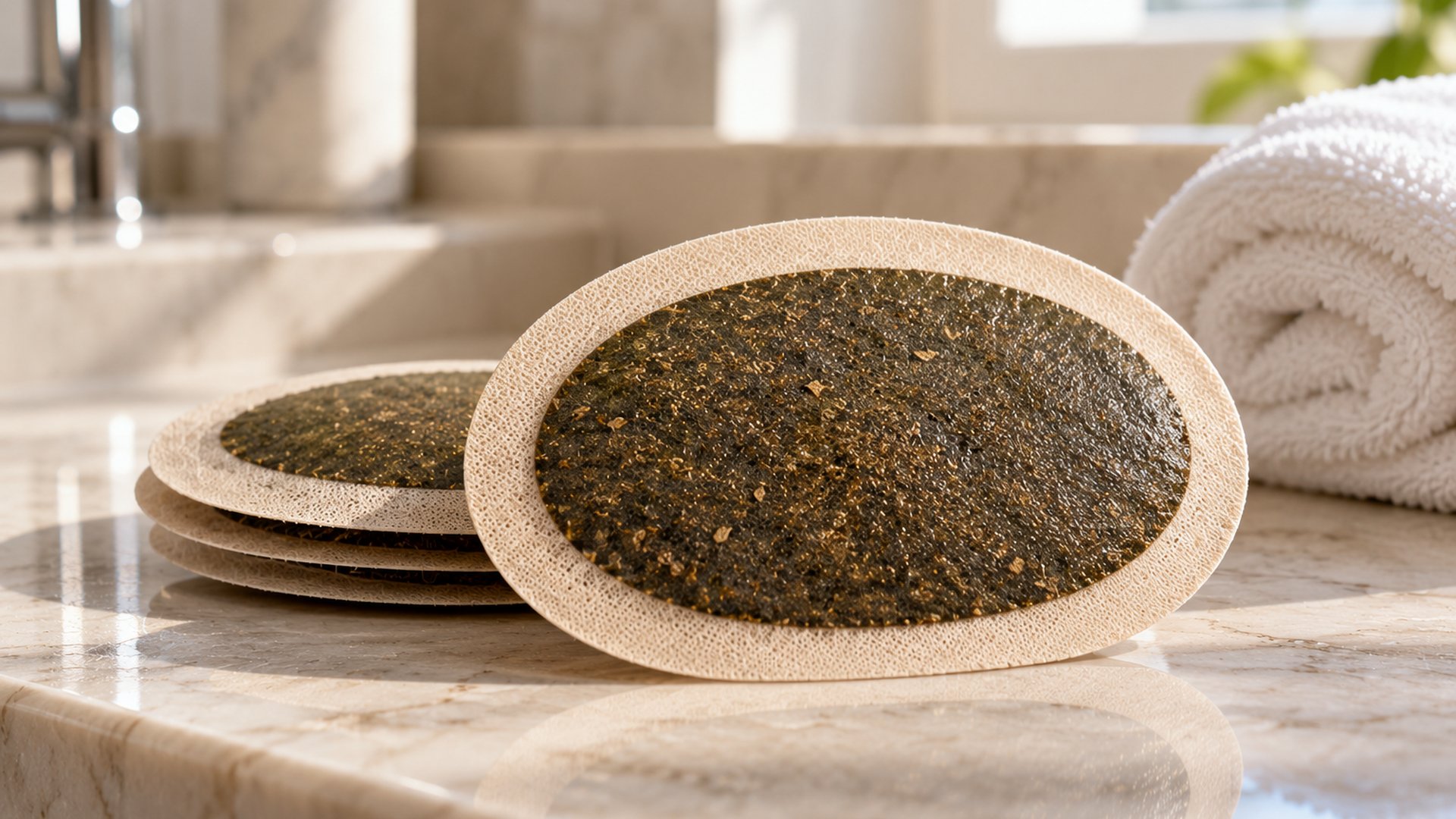
Vegetable-oil-based offset inks, including soy-based formulations, may reduce reliance on certain petroleum-derived components. However, calling an ink soy-based does not establish that the finished carton is biodegradable, compostable, or recyclable.
For the Rheumatic Joint Patch carton, the practical comparison was between a conventional compatible offset ink system and a vegetable-oil-based alternative.
An illustrative incremental cost allowance of $0.002–$0.01 per carton was reasonable for preliminary budgeting, subject to the printer's actual quotation.
The importer also learned that water-based inks were not automatically interchangeable with offset inks. Water-based systems are common in certain flexographic applications, but changing the printing process could introduce additional setup costs.
Instead of demanding one fashionable ink label, the buyer asked the printer to identify the actual ink system, its technical documentation, and compatibility with the selected paperboard.
That produced a more useful purchasing specification.
Which Certifications Actually Supported the Packaging Claims?
The importer had received several environmental claims from packaging vendors. Some referred to recognized certification systems. Others were simply marketing descriptions.
The manufacturer recommended separating evidence of material sourcing from evidence of finished-packaging performance.
FSC certification was relevant when the buyer wanted independently verified responsible fiber sourcing. The buyer needed to confirm that the paper supplier and relevant chain-of-custody participants held appropriate certification, and that the specific material and transaction supported the intended FSC claim.
PEFC certification offered another recognized forest-certification and chain-of-custody route.
For recycled-content claims, the importer needed documented recycled-fiber percentages and credible supporting evidence. An FSC Recycled claim, where properly supported, was different from a vague statement that the carton used environmentally friendly paper.
The buyer also asked about ISO 14001. The manufacturer clarified that ISO 14001 concerns an organization's environmental management system. It does not independently prove that a particular carton contains recycled fiber or is recyclable.
Likewise, terms such as "eco-friendly," "green packaging," and "planet safe" were insufficient without specific supporting evidence.
The buyer ultimately needed documentation connected to the actual material, printing process, and intended packaging claim.
That distinction mattered more than the number of environmental symbols printed on the carton.
The Cost Comparison Changed the Final Specification
Once the paper and ink choices were separated, the importer could compare realistic packaging alternatives without adding unrelated premium finishes.
The following figures illustrate how a purchasing team could evaluate the incremental cost of more sustainable packaging. They are hypothetical estimates, not verified results from a completed customer order.
| Packaging specification | Estimated additional cost per carton |
|---|---|
| Conventional paperboard and standard ink | Baseline |
| FSC-certified equivalent paperboard | $0.005–$0.015 |
| Recycled-content paperboard alternative | $0.01–$0.03 |
| Vegetable-oil-based ink substitution | $0.002–$0.01 |
| FSC-certified board plus alternative ink | $0.007–$0.025 |
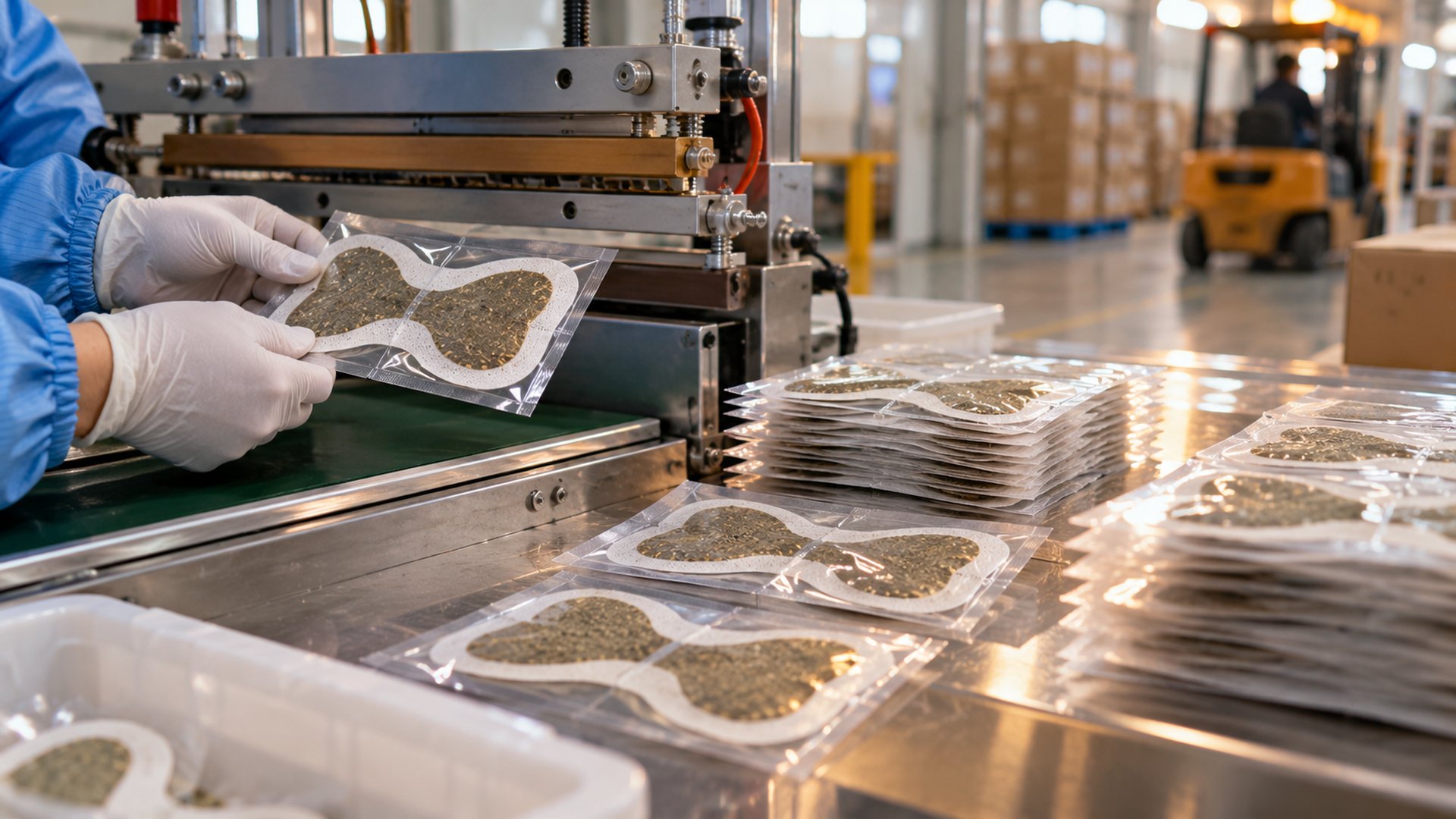
At 20,000 retail cartons, an additional $0.015 per carton represents $300 in incremental packaging expenditure.
A $0.04 premium would cost $800 for the same quantity.
The difference was significant enough for the importer to reconsider decorative finishes that contributed little to the intended environmental objective.
The proposed minimum-viable specification became straightforward: appropriately certified paperboard, a documented compatible ink system, no unnecessary plastic lamination, and a carton construction suitable for the existing packing process.
Avoiding lamination could also simplify material separation, although actual recyclability would still depend on coatings, adhesives, local collection systems, and recycling infrastructure.
The importer now had a specification that could be quoted and checked instead of a collection of loosely defined sustainability promises.
The Lesson Was to Buy Evidence, Not a Greener Appearance
The outcome of the sourcing exercise was a clearer packaging specification and a defensible cost model, rather than an unsupported claim of environmental performance.
The buyer could distinguish between a genuine material substitution, a printing-process decision, and an optional decorative upgrade.
That distinction also made future quotations easier to compare. Each supplier could price the same paper grade, certification requirement, ink system, and finishing specification.
For a Rheumatic Joint Patch launch, the most practical environmental improvement may be a relatively modest change to paper sourcing and printing materials rather than a complete packaging redesign.
A rheumatic joint patch private label manufacturer should be able to identify which packaging components are changing, what evidence supports the proposed environmental claims, and how many cents each substitution adds to the finished retail unit.
The reusable purchasing lesson is to establish a minimum-viable eco specification before discussing premium finishes.
Choose paper with documented sourcing or recycled content. Specify an ink system supported by technical information. Remove finishing processes that have no demonstrated packaging function.
Then calculate the additional cost per carton against the actual purchasing quantity.
That gives the importer something more valuable than an attractive environmental story: a packaging decision supported by specifications, documentation, and measurable cost.


CATEGORIES
LATEST NEWS
- Sinew-Bone Pain-Bi Patch Private Label Manufacturer Supply Agreements
- What Hand Mask Custom Packaging Supplier Quotes Overlook
- Kids Herbal Foot Patch Contract Manufacturer: Safety Specifications First
- Mugwort Steam Eye Mask Private Label Manufacturer Readiness Check
- Mugwort Essential Oil Custom Formula Supplier: Formulation Approval Milestones
CONTACT US
QQ: 396269538
Phone: 17796669065
Tel: 17796669065
Email: 396269538
Add: Room 001, 1st Floor, Building 1, Zhengzhou Hangmei International Smart City, Intersection of S102 and Nanquan Road, Xuedian Town, Xinzheng City, Zhengzhou, Henan Province, China