Industry news
What Materials Are Used to Make Adhesive Health Patches?
Industry news 2026-08-31 11:57:35 110 views admin
Short Answer
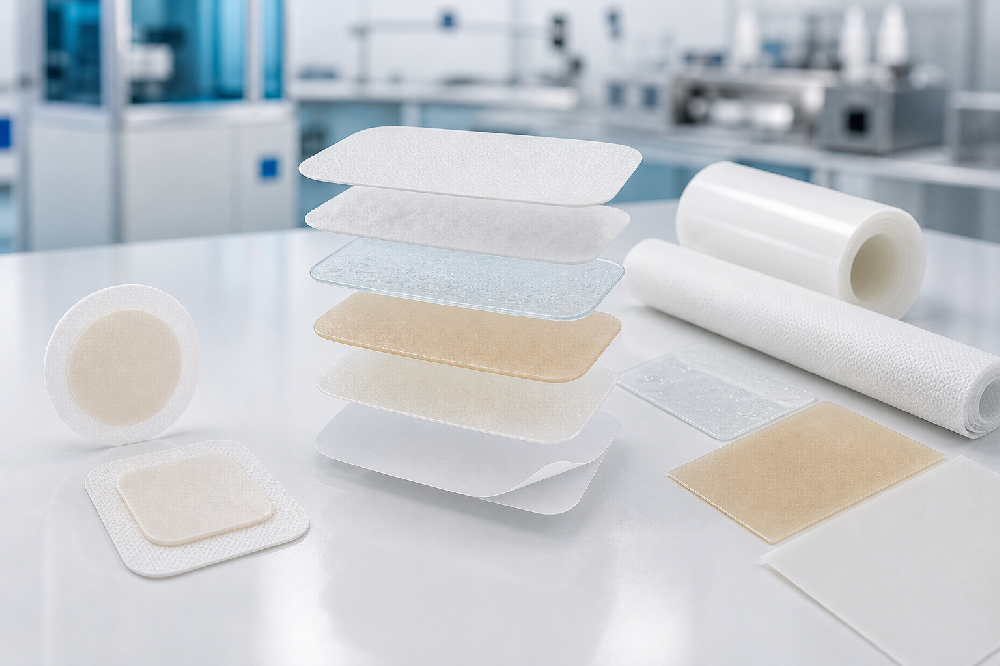
Adhesive health patches can contain several different material layers, including a backing layer, functional or active layer, adhesive and release liner.
Common materials include nonwoven fabric, polymer films, hydrocolloid materials, pressure-sensitive adhesives, hydrogels and other functional materials. The correct material depends on the patch type, intended use, skin-contact requirements, manufacturing process and target market. There is no single material suitable for every health patch.
Why Materials Matter in Health Patch Manufacturing
The material structure affects how a patch feels, adheres to the skin, handles moisture and performs during use. A patch designed for overnight skincare may have very different material requirements from a warming patch or a topical pain-relief product. Buyers should discuss materials with the manufacturer during product development rather than selecting materials based only on appearance.
1. Backing Materials
The backing is the outer layer of the patch. It protects the functional layer and provides structural support.
Nonwoven Fabric
Nonwoven materials are flexible and provide a soft, textile-like feel. They are commonly considered when flexibility and comfort are important.
Polymer Films
Films such as polyurethane can provide a thinner, smoother surface. A film backing can influence moisture resistance, flexibility and appearance.
Other Laminated Materials
Some patches use multilayer backing structures to achieve a particular combination of flexibility, strength and barrier performance.
2. Adhesive Materials
The adhesive keeps the patch attached to the skin. It needs to balance adhesion strength, flexibility, skin feel, wearing duration, moisture resistance and ease of removal.
A very strong adhesive is not automatically better. If a product is difficult to remove or uncomfortable during use, the user experience may suffer. Manufacturers need to match adhesive characteristics with the intended application.
3. Hydrocolloid Materials
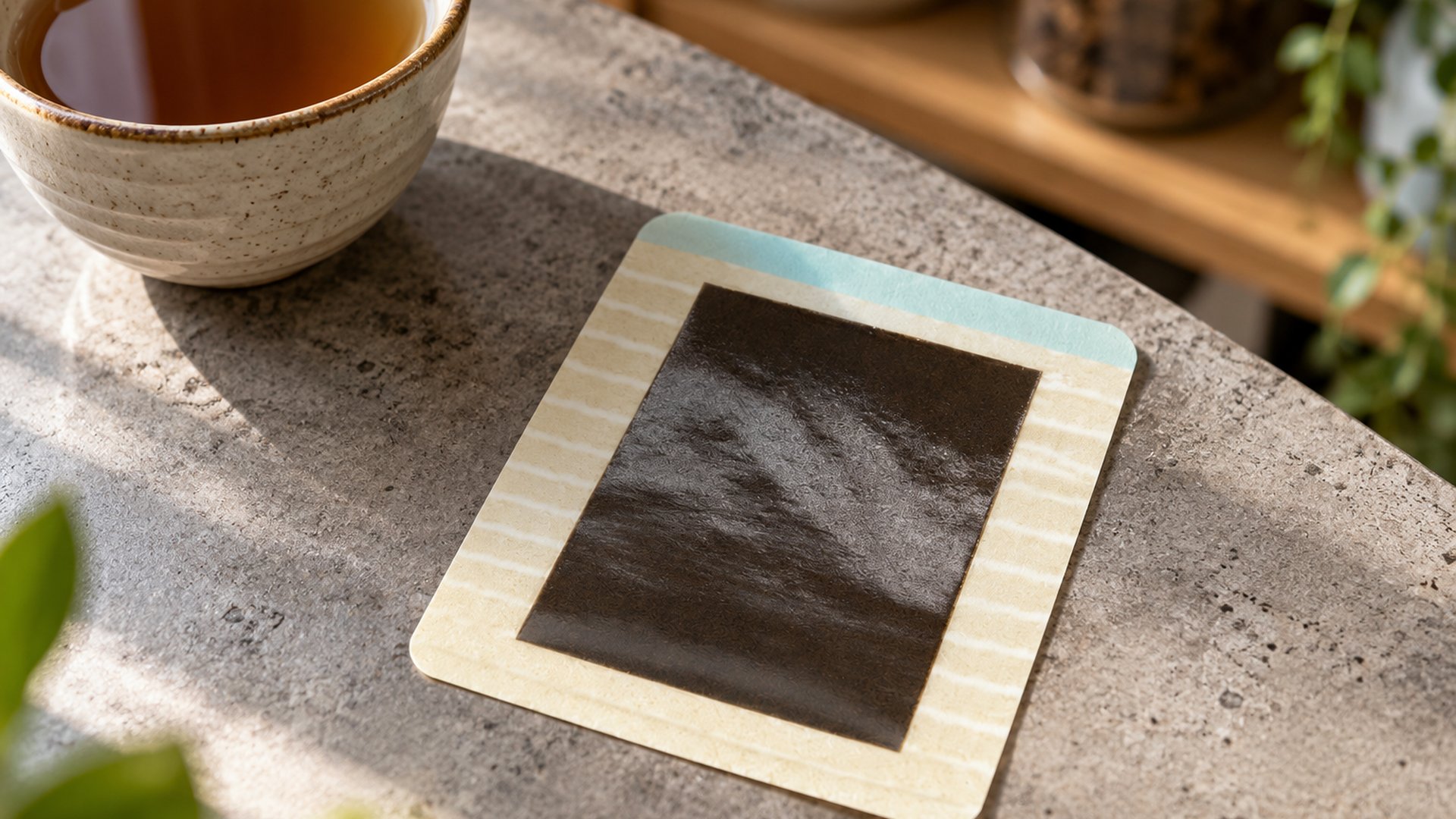
Hydrocolloid is an important material category for acne and wound-care-related patches. It is designed to interact with moisture and can form a gel-like structure when it absorbs fluid.
A typical hydrocolloid pimple patch may combine hydrocolloid core + film backing + adhesive. The exact formulation can vary between manufacturers.
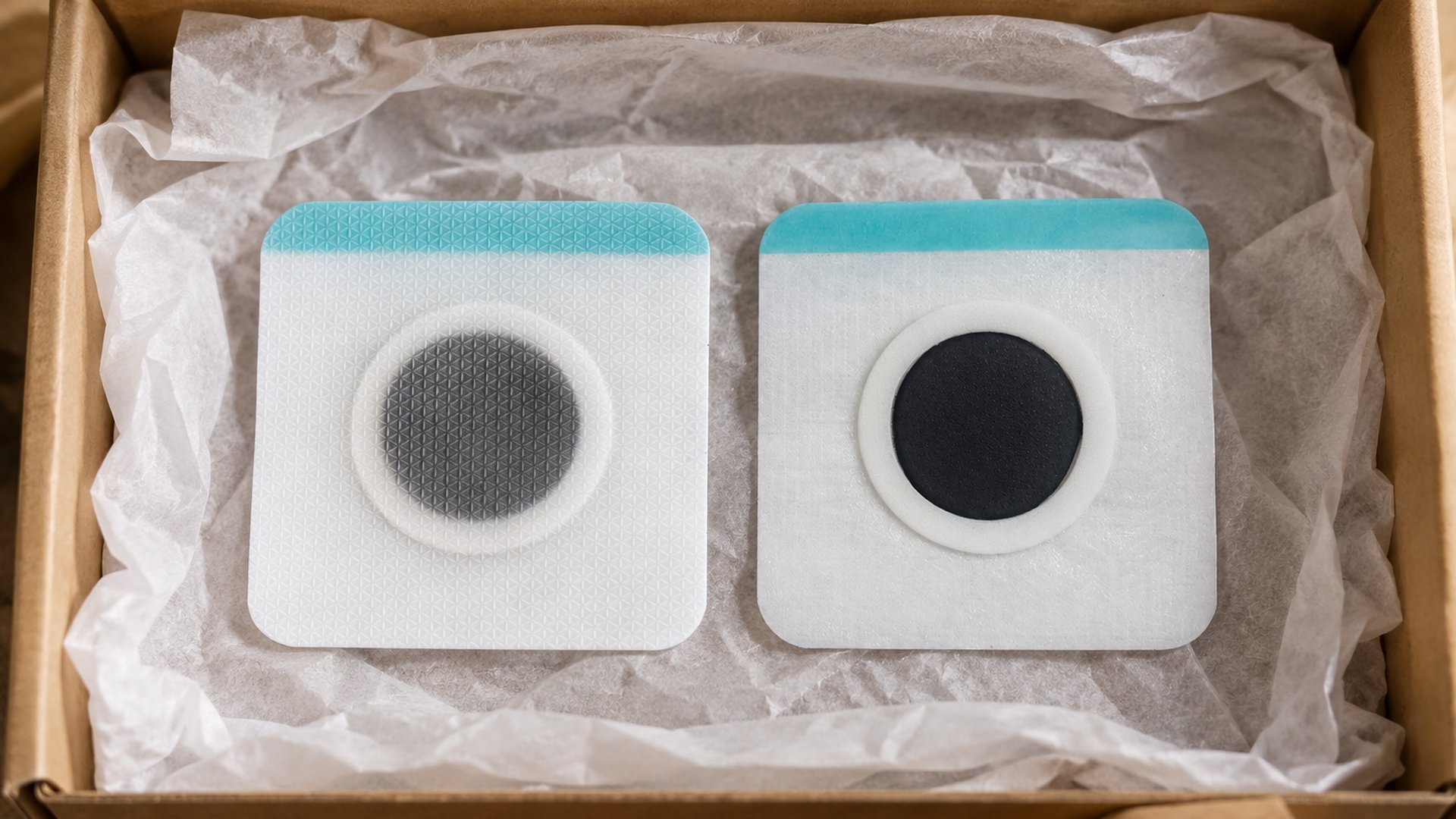
Hanmeng's hydrocolloid pimple patch OEM product uses a three-layer structure with a hydrocolloid absorbent core, PU film backing and pressure-sensitive adhesive.
4. Hydrogel Materials
A hydrogel contains a high proportion of water held within a polymer network. Hydrogel structures can be used for products designed around cooling, moisture retention or skin-contact comfort.
Silicone hydrogel products are another specialized category. Hanmeng's pediatric silicone hydrogel patch shows how product structures can extend beyond conventional fabric-based adhesive patches.
5. Functional and Active Ingredients
Some health patches contain botanical extracts, cooling ingredients, warming ingredients, topical active ingredients or other functional materials. The ingredient system must be compatible with the patch structure and intended use. For regulated products, formulation, labeling and claims should be reviewed according to the target market.
6. Release Liners
The release liner covers and protects the adhesive before application. It must protect the adhesive during storage while allowing practical removal. Material selection can affect release force, handling, packaging, storage and production efficiency.
7. Why Patch Materials Are Usually a Combination
A health patch is rarely made from one material. Different materials perform different functions.
| Layer | Main Function | Possible Materials |
|---|---|---|
| Backing | Support and protection | Nonwoven, PU film, polymer film |
| Functional layer | Product-specific function | Hydrocolloid, hydrogel, active matrix |
| Adhesive | Skin attachment | Pressure-sensitive adhesive |
| Release liner | Protect adhesive | Paper or polymer liner |
How Manufacturers Select Materials
Material selection starts with the product requirements. A manufacturer may ask:
- What is the intended application?
- How long should the product be worn?
- What type of skin contact is expected?
- Does the product need to handle moisture?
- Should the patch be flexible?
- What patch thickness is required?
- What packaging will be used?
- Which market will the product be sold in?
The answers help determine the most appropriate material system. Understanding the health patch manufacturing process also explains how material choices affect coating, lamination, cutting and packaging.
Material Selection for Different Patch Types
Pain Relief Patches
These products may require a suitable backing, adhesive and active or functional layer that work together for the intended application.
Hydrocolloid Pimple Patches
Hydrocolloid is commonly combined with a thin film backing and adhesive. The product may be designed to be thin, flexible and visually discreet.
Herbal Heat Patches
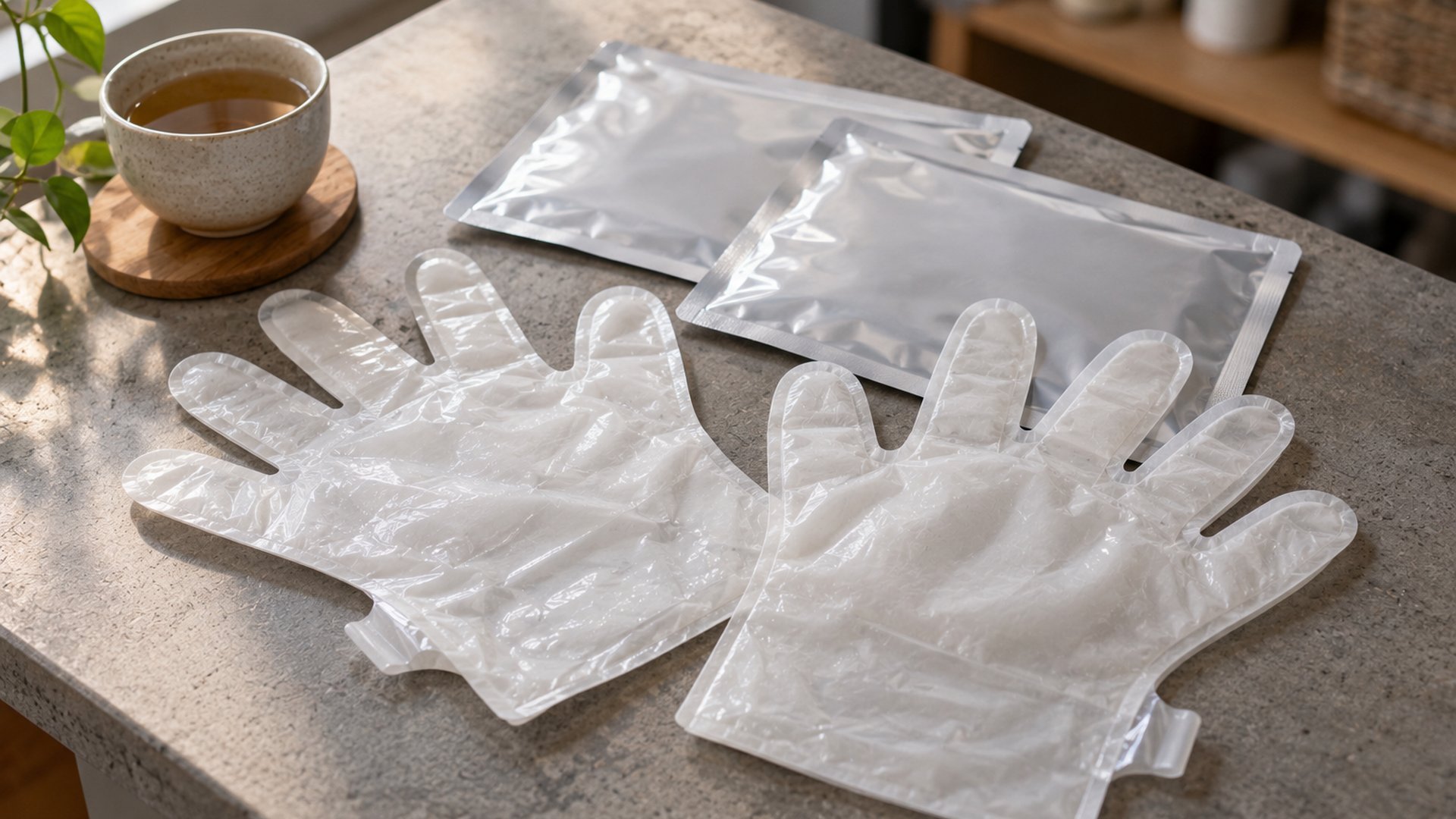
Heat patches require materials appropriate for their heat-generating mechanism and packaging requirements.
Cooling Patches
Cooling products may use hydrogel or other moisture-containing materials designed to provide a cooling sensation.
Silicone Hydrogel Patches
Silicone hydrogel structures may be selected when a specific combination of flexibility, skin contact and moisture-related characteristics is required.
These examples show why an experienced health patch manufacturer should not recommend one material for every product category.
What Should Buyers Ask About Materials?
When requesting a quotation, ask for the material specification, layer structure, thickness, adhesive type, available sizes and shapes, packaging options, test information, storage requirements, MOQ and customization options.
Can Materials Be Customized?
In many OEM/ODM projects, material structures can be customized. A buyer may request a different backing material, thinner patch, different adhesive, larger size, custom shape, different hydrocolloid structure or another packaging format.
Customization can affect production cost, MOQ, tooling and development time. Brands can review Hanmeng's OEM solutions and contact the manufacturing team with their product brief.
Conclusion
Health patches are engineered products made from multiple materials rather than a single universal material. Backing films, nonwoven fabrics, adhesives, hydrocolloids, hydrogels, active layers and release liners can all play different roles.
The right combination depends on the product category, intended application, user experience, manufacturing process and target market. Brands should discuss the complete layer structure with an experienced manufacturer and evaluate physical samples before mass production.
FAQ
What is the most common material used for health patches?
There is no single most common material for every product. Nonwoven fabrics, polymer films, pressure-sensitive adhesives, hydrocolloids and hydrogels are all common, depending on the patch type.
What adhesive is used for skin patches?
Many skin-contact patches use pressure-sensitive adhesive systems selected according to wearing time, skin-contact needs, moisture conditions and removal requirements.
Are hydrocolloid and hydrogel the same?
No. Hydrocolloids absorb moisture and may form a gel-like mass, while hydrogels contain a high proportion of water within a polymer network.
Can health patch materials be customized?
Yes, depending on the manufacturer's capabilities. Backing, thickness, adhesive, shape, size, functional layer and packaging may be customized.
How should a brand choose patch materials?
Start with the intended application, wear duration, skin-contact requirements, flexibility, moisture conditions, packaging and destination market. Then evaluate samples before mass production.
Short Answer
Adhesive health patches can contain several different material layers, including a backing layer, functional or active layer, adhesive and release liner.
Common materials include nonwoven fabric, polymer films, hydrocolloid materials, pressure-sensitive adhesives, hydrogels and other functional materials. The correct material depends on the patch type, intended use, skin-contact requirements, manufacturing process and target market. There is no single material suitable for every health patch.
Why Materials Matter in Health Patch Manufacturing
The material structure affects how a patch feels, adheres to the skin, handles moisture and performs during use. A patch designed for overnight skincare may have very different material requirements from a warming patch or a topical pain-relief product. Buyers should discuss materials with the manufacturer during product development rather than selecting materials based only on appearance.
1. Backing Materials
The backing is the outer layer of the patch. It protects the functional layer and provides structural support.
Nonwoven Fabric
Nonwoven materials are flexible and provide a soft, textile-like feel. They are commonly considered when flexibility and comfort are important.
Polymer Films
Films such as polyurethane can provide a thinner, smoother surface. A film backing can influence moisture resistance, flexibility and appearance.
Other Laminated Materials
Some patches use multilayer backing structures to achieve a particular combination of flexibility, strength and barrier performance.
2. Adhesive Materials
The adhesive keeps the patch attached to the skin. It needs to balance adhesion strength, flexibility, skin feel, wearing duration, moisture resistance and ease of removal.
A very strong adhesive is not automatically better. If a product is difficult to remove or uncomfortable during use, the user experience may suffer. Manufacturers need to match adhesive characteristics with the intended application.
3. Hydrocolloid Materials
Hydrocolloid is an important material category for acne and wound-care-related patches. It is designed to interact with moisture and can form a gel-like structure when it absorbs fluid.
A typical hydrocolloid pimple patch may combine hydrocolloid core + film backing + adhesive. The exact formulation can vary between manufacturers.
Hanmeng's hydrocolloid pimple patch OEM product uses a three-layer structure with a hydrocolloid absorbent core, PU film backing and pressure-sensitive adhesive.
4. Hydrogel Materials
A hydrogel contains a high proportion of water held within a polymer network. Hydrogel structures can be used for products designed around cooling, moisture retention or skin-contact comfort.
Silicone hydrogel products are another specialized category. Hanmeng's pediatric silicone hydrogel patch shows how product structures can extend beyond conventional fabric-based adhesive patches.
5. Functional and Active Ingredients
Some health patches contain botanical extracts, cooling ingredients, warming ingredients, topical active ingredients or other functional materials. The ingredient system must be compatible with the patch structure and intended use. For regulated products, formulation, labeling and claims should be reviewed according to the target market.
6. Release Liners
The release liner covers and protects the adhesive before application. It must protect the adhesive during storage while allowing practical removal. Material selection can affect release force, handling, packaging, storage and production efficiency.
7. Why Patch Materials Are Usually a Combination
A health patch is rarely made from one material. Different materials perform different functions.
| Layer | Main Function | Possible Materials |
|---|---|---|
| Backing | Support and protection | Nonwoven, PU film, polymer film |
| Functional layer | Product-specific function | Hydrocolloid, hydrogel, active matrix |
| Adhesive | Skin attachment | Pressure-sensitive adhesive |
| Release liner | Protect adhesive | Paper or polymer liner |
How Manufacturers Select Materials
Material selection starts with the product requirements. A manufacturer may ask:
- What is the intended application?
- How long should the product be worn?
- What type of skin contact is expected?
- Does the product need to handle moisture?
- Should the patch be flexible?
- What patch thickness is required?
- What packaging will be used?
- Which market will the product be sold in?
The answers help determine the most appropriate material system. Understanding the health patch manufacturing process also explains how material choices affect coating, lamination, cutting and packaging.
Material Selection for Different Patch Types
Pain Relief Patches
These products may require a suitable backing, adhesive and active or functional layer that work together for the intended application.
Hydrocolloid Pimple Patches
Hydrocolloid is commonly combined with a thin film backing and adhesive. The product may be designed to be thin, flexible and visually discreet.
Herbal Heat Patches
Heat patches require materials appropriate for their heat-generating mechanism and packaging requirements.
Cooling Patches
Cooling products may use hydrogel or other moisture-containing materials designed to provide a cooling sensation.
Silicone Hydrogel Patches
Silicone hydrogel structures may be selected when a specific combination of flexibility, skin contact and moisture-related characteristics is required.
These examples show why an experienced health patch manufacturer should not recommend one material for every product category.
What Should Buyers Ask About Materials?
When requesting a quotation, ask for the material specification, layer structure, thickness, adhesive type, available sizes and shapes, packaging options, test information, storage requirements, MOQ and customization options.
Can Materials Be Customized?
In many OEM/ODM projects, material structures can be customized. A buyer may request a different backing material, thinner patch, different adhesive, larger size, custom shape, different hydrocolloid structure or another packaging format.
Customization can affect production cost, MOQ, tooling and development time. Brands can review Hanmeng's OEM solutions and contact the manufacturing team with their product brief.
Conclusion
Health patches are engineered products made from multiple materials rather than a single universal material. Backing films, nonwoven fabrics, adhesives, hydrocolloids, hydrogels, active layers and release liners can all play different roles.
The right combination depends on the product category, intended application, user experience, manufacturing process and target market. Brands should discuss the complete layer structure with an experienced manufacturer and evaluate physical samples before mass production.
FAQ
What is the most common material used for health patches?
There is no single most common material for every product. Nonwoven fabrics, polymer films, pressure-sensitive adhesives, hydrocolloids and hydrogels are all common, depending on the patch type.
What adhesive is used for skin patches?
Many skin-contact patches use pressure-sensitive adhesive systems selected according to wearing time, skin-contact needs, moisture conditions and removal requirements.
Are hydrocolloid and hydrogel the same?
No. Hydrocolloids absorb moisture and may form a gel-like mass, while hydrogels contain a high proportion of water within a polymer network.
Can health patch materials be customized?
Yes, depending on the manufacturer's capabilities. Backing, thickness, adhesive, shape, size, functional layer and packaging may be customized.
How should a brand choose patch materials?
Start with the intended application, wear duration, skin-contact requirements, flexibility, moisture conditions, packaging and destination market. Then evaluate samples before mass production.
CATEGORIES
LATEST NEWS
- Sinew-Bone Pain-Bi Patch Private Label Manufacturer Supply Agreements
- What Hand Mask Custom Packaging Supplier Quotes Overlook
- Kids Herbal Foot Patch Contract Manufacturer: Safety Specifications First
- Mugwort Steam Eye Mask Private Label Manufacturer Readiness Check
- Mugwort Essential Oil Custom Formula Supplier: Formulation Approval Milestones
CONTACT US
QQ: 396269538
Phone: 17796669065
Tel: 17796669065
Email: 396269538
Add: Room 001, 1st Floor, Building 1, Zhengzhou Hangmei International Smart City, Intersection of S102 and Nanquan Road, Xuedian Town, Xinzheng City, Zhengzhou, Henan Province, China