Industry news
How Fever Cooling Patch Bulk Wholesale Supplier Orders Work
Industry news 2026-09-18 11:29:12 61 views admin
The Most Expensive Mistake Is Rushing the PO
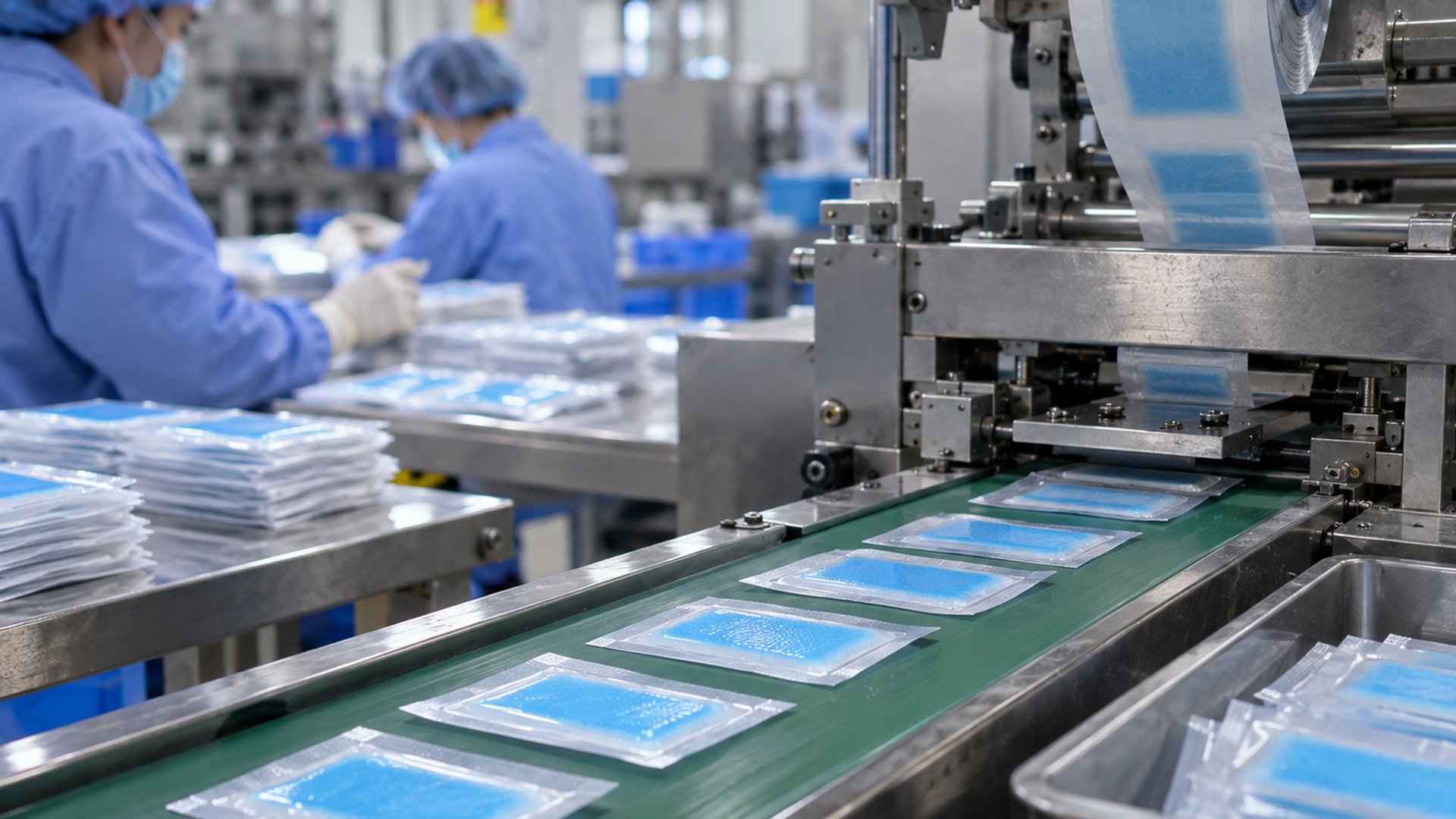
Buyers usually pay for this in the first 90 days. The common mistake is placing a bulk PO after comparing unit prices while the Fever Cooling Patch specification is still half-finished. Patch dimensions, hydrogel weight, backing material, cooling feel, individual pouch structure, retail pack count, and carton dimensions may still be described with phrases such as “standard” or “same as sample.” That is not enough for production.
For a fever cooling patch bulk wholesale supplier, a typical customized MOQ may start around 30,000 pieces, depending on specifications and packaging. At that quantity, a small unresolved detail becomes a bulk problem. Change the pouch after printing and you may pay for new packaging. Change the patch size after artwork approval and the pouch or carton may need resizing. Split one order into several packaging versions and the effective cost per SKU can rise. Do not rush the PO. Freeze the physical product first, then price the finished specification.
Spot the Hidden Costs Before Comparing Quotations
A suspiciously simple quotation is usually the first warning sign. If one supplier gives you a single price per patch without asking about hydrogel specification, dimensions, backing, pouch material, pack count, printing, carton configuration, or destination requirements, you probably do not yet have a comparable quote.
Ask every fever cooling patch bulk wholesale supplier to quote against the same specification sheet. Separate the product, individual pouch, retail packaging, master carton, sampling, printing setup, and any special testing or documentation requirements where applicable. Also confirm whether the MOQ refers to total patches or each artwork/SKU. A 30,000-piece order divided across three designs is operationally different from 30,000 identical pieces.
Sampling is another place where buyers underestimate cost. A customized sample cycle commonly needs around 7–14 days when dimensions, gel formulation, material, or packaging require adjustment. Paying for one proper revision cycle is usually cheaper than approving an unclear sample simply to protect the launch date.
Lock the Cooling Gel Sheet Specification Before Artwork
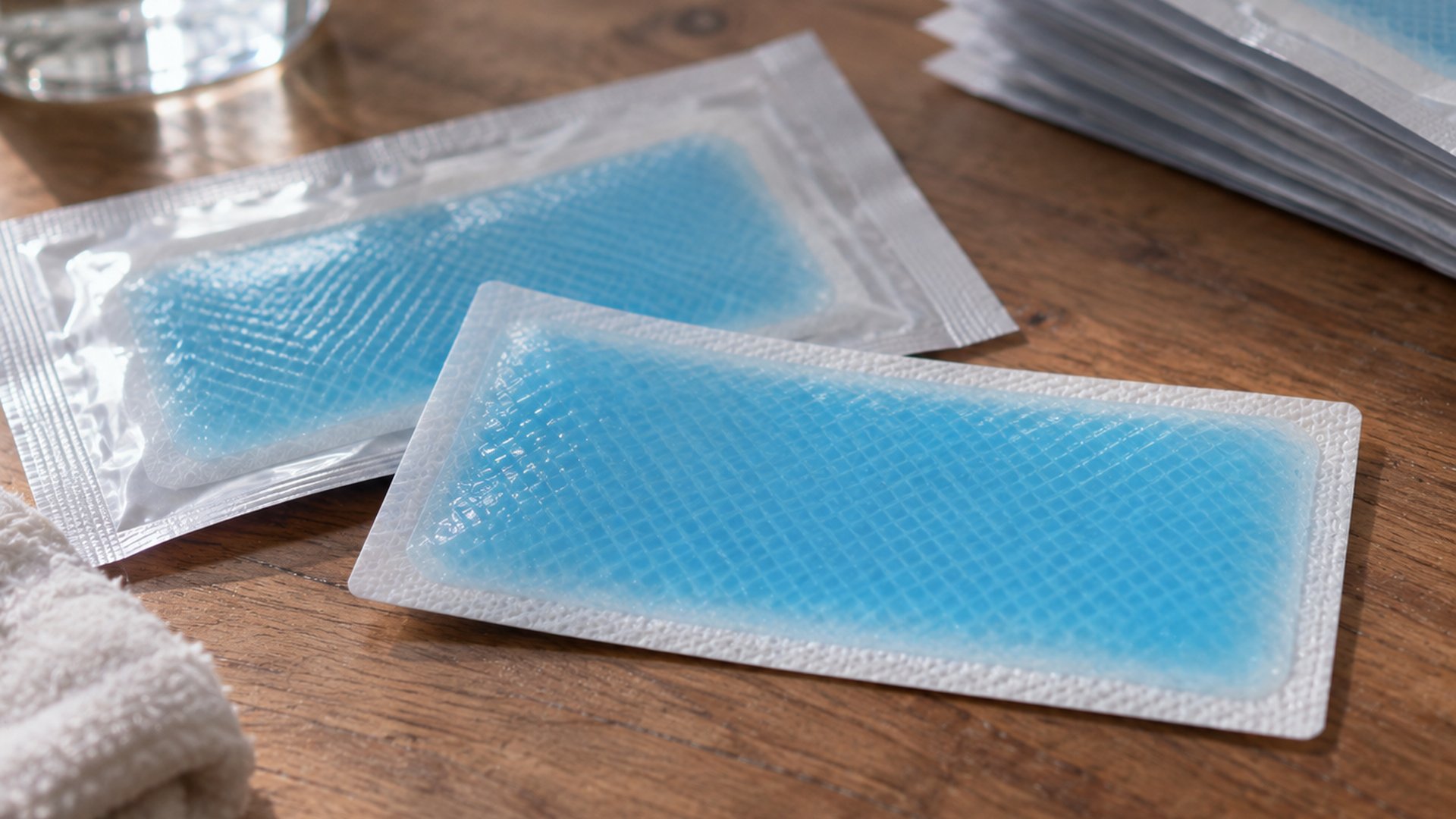
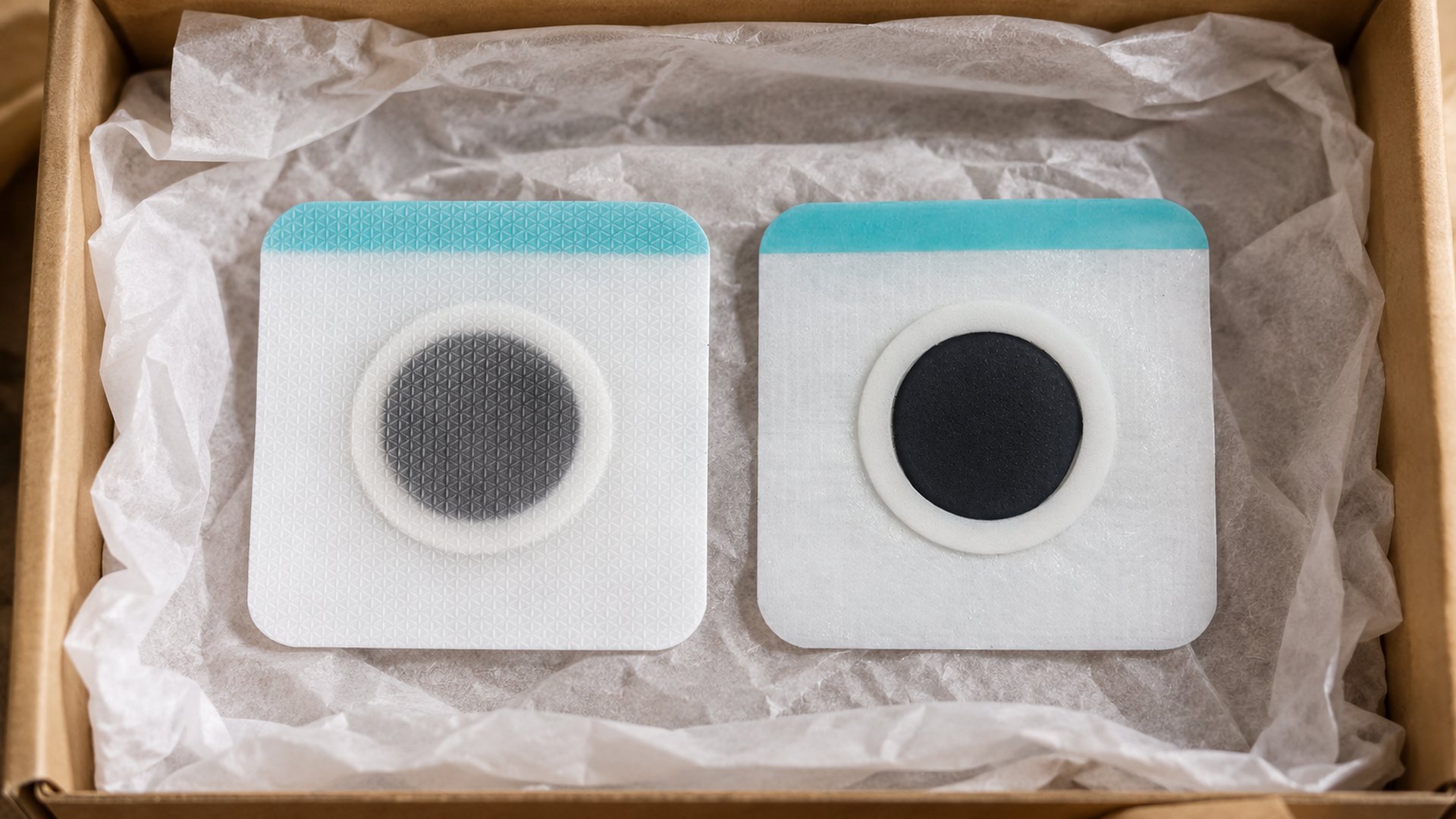
The Fever Cooling Patch should be positioned and specified as a cooling gel sheet without unsupported disease-treatment claims. From a procurement perspective, the important point is that the PO must define what the factory is actually manufacturing rather than relying on marketing language.
Record the agreed patch dimensions, hydrogel or gel specification, backing material, liner, unit weight or other agreed construction parameters, pouch dimensions, pouch structure, units per retail pack, and approved packaging version. Where a performance characteristic needs confirmation, define the agreed test or acceptance method instead of inserting an unverified number into the artwork first.
This order matters. Buyers sometimes finish the box design before the final pouch and patch dimensions are confirmed. Then the physical sample changes, the pack thickness changes, and the carton dieline has to be rebuilt. Approve the product construction first, confirm the individual pouch second, calculate the retail pack third, and release final artwork after those dimensions are stable.
Put the Expensive Details Into the PO
A PO should do more than state “Fever Cooling Patch, 30,000 pcs.” It should connect the commercial order to the approved manufacturing specification. If a parameter matters enough to reject the shipment over it, it matters enough to document before production.
For private-label orders, identify the approved sample or specification revision and record the quantity by SKU. Confirm individual packaging, retail pack quantity, carton configuration, artwork version, labeling responsibilities, inspection requirements, production lead-time basis, and shipment terms. If several languages or artwork versions are involved, state the quantity allocated to each version rather than leaving the split for production day.
Also define what happens when the buyer changes something after approval. New artwork, different pouch dimensions, extra SKUs, upgraded materials, or a changed pack count can create additional material and setup costs. A clear change-control process prevents a late request from turning into an argument about who pays for obsolete packaging.
Do Not Save Money in the Wrong Place
There are sensible places to simplify a first bulk order. Fewer artwork versions, one standard patch size, straightforward carton construction, and one primary pack count can reduce setup complexity. For a market test, controlling SKU count is often more useful than negotiating fractions of a cent from the patch itself.
There are also areas where aggressive cost cutting can create larger expenses later. Do not remove necessary pouch protection just to reduce packaging cost. Do not approve material solely because it is cheaper without checking the intended skin-contact experience. Do not skip the signed sample or specification review to gain several days. And do not accept a lower quotation until you know whether packaging, QC, printing, and other required items are included.
The correct comparison is landed commercial specification against landed commercial specification. Two factories quoting different constructions are not actually quoting the same product, even when both quotation sheets say “Fever Cooling Patch.”
Run This Self-Check Before Releasing the Deposit
Before confirming a fever cooling patch bulk wholesale supplier order, I would stop the project until the buyer can answer every item below:
- [ ] Is the Fever Cooling Patch size and construction written into the approved specification?
- [ ] Are backing material, gel specification, liner, and intended skin-contact requirements confirmed?
- [ ] Has the physical sample been approved rather than approved from photographs alone?
- [ ] Is the individual pouch structure and size finalized before retail artwork production?
- [ ] Is the retail pack count fixed, and has the actual packed thickness been considered?
- [ ] Does the MOQ apply to the total order or separately to each SKU/artwork version?
- [ ] Are sampling, printing, packaging, QC, and other project charges clearly included or excluded?
- [ ] Is the approved artwork revision identified so an old file cannot enter production?
- [ ] Are QC acceptance points and shipment requirements documented?
- [ ] Have post-approval changes and their possible cost or schedule impact been agreed?
If any of these answers is still “we will confirm later,” the PO is early. A 30,000-piece MOQ and a roughly 7–14-day customized sampling window are manageable; discovering after bulk production that the wrong pouch, artwork, pack count, or specification was approved is much harder to fix.
CATEGORIES
LATEST NEWS
- Sinew-Bone Pain-Bi Patch Private Label Manufacturer Supply Agreements
- What Hand Mask Custom Packaging Supplier Quotes Overlook
- Kids Herbal Foot Patch Contract Manufacturer: Safety Specifications First
- Mugwort Steam Eye Mask Private Label Manufacturer Readiness Check
- Mugwort Essential Oil Custom Formula Supplier: Formulation Approval Milestones
CONTACT US
QQ: 396269538
Phone: 17796669065
Tel: 17796669065
Email: 396269538
Add: Room 001, 1st Floor, Building 1, Zhengzhou Hangmei International Smart City, Intersection of S102 and Nanquan Road, Xuedian Town, Xinzheng City, Zhengzhou, Henan Province, China