Industry news
Abdominal Wellness Patch OEM Pricing: Where Your Budget Goes
Industry news 2026-09-07 13:44:55 99 views admin
The RFQ: The First abdominal wellness patch OEM pricing Looked Simple
Last month an RFQ came in for Abdominal Wellness Patch. The buyer wanted a private-label product for online retail: individually sealed patches, ten pieces per retail box, custom artwork, and an initial order somewhere between 10,000 and 20,000 patches. They also wanted a quote quickly. On paper, this was a normal job. I pulled the material requirements, patch dimensions, packaging format, and quantity into our costing sheet and started working backward from the finished box.
The first abdominal wellness patch OEM pricing estimate landed around $0.18–$0.32 per patch, depending on the final material structure, packaging choice, and order volume. That was an indicative factory range, not a locked quotation. Look, this is where buyers sometimes get into trouble: a patch price by itself tells you very little. Printed pouches, retail boxes, plate charges, sampling, inspection requirements, and packing labor can move the final number more than people expect. Before confirming anything, we asked the buyer to approve the specification behind the price.
Sampling: The Patch Was Easy, the Packaging Wasn't
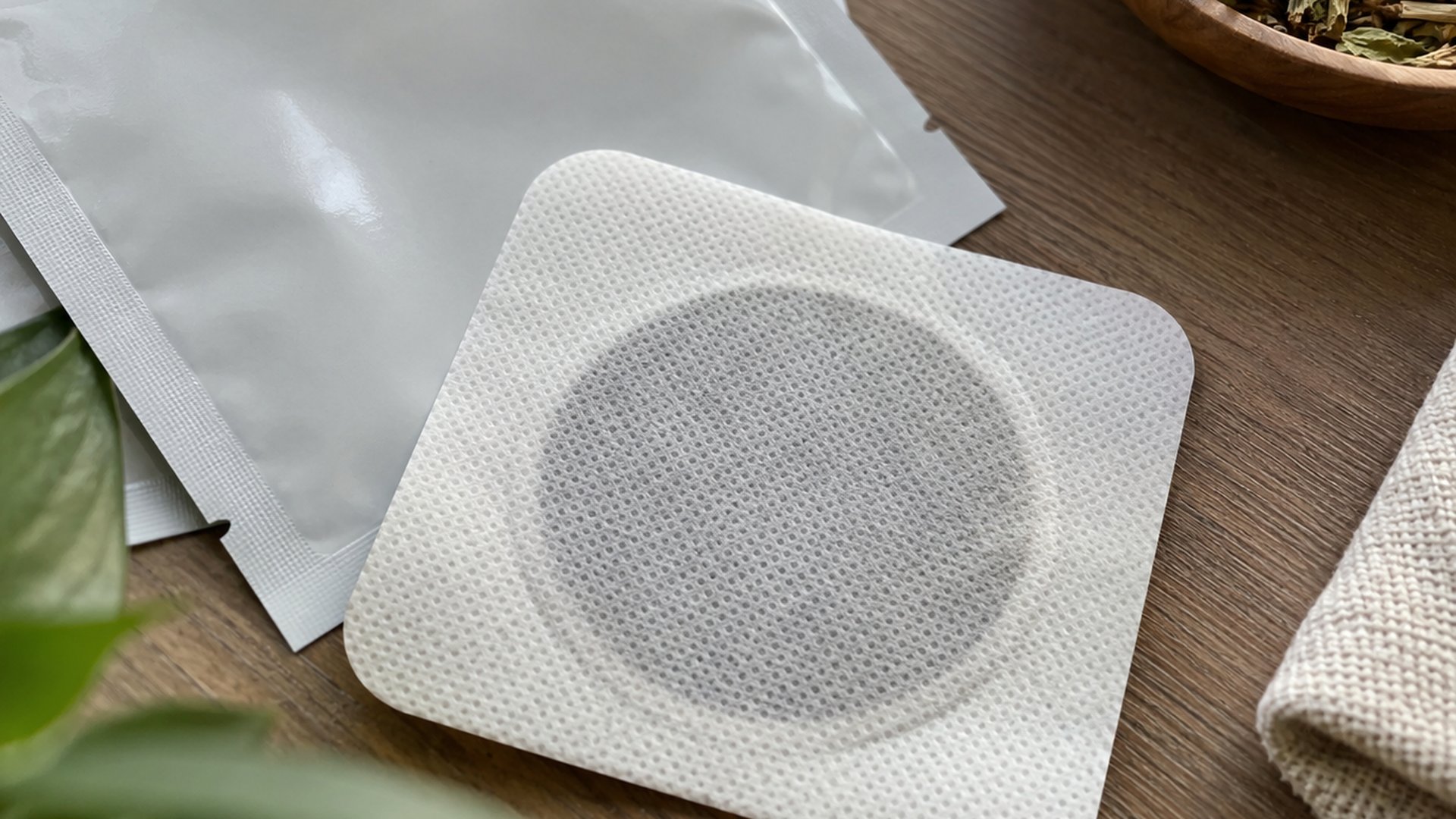
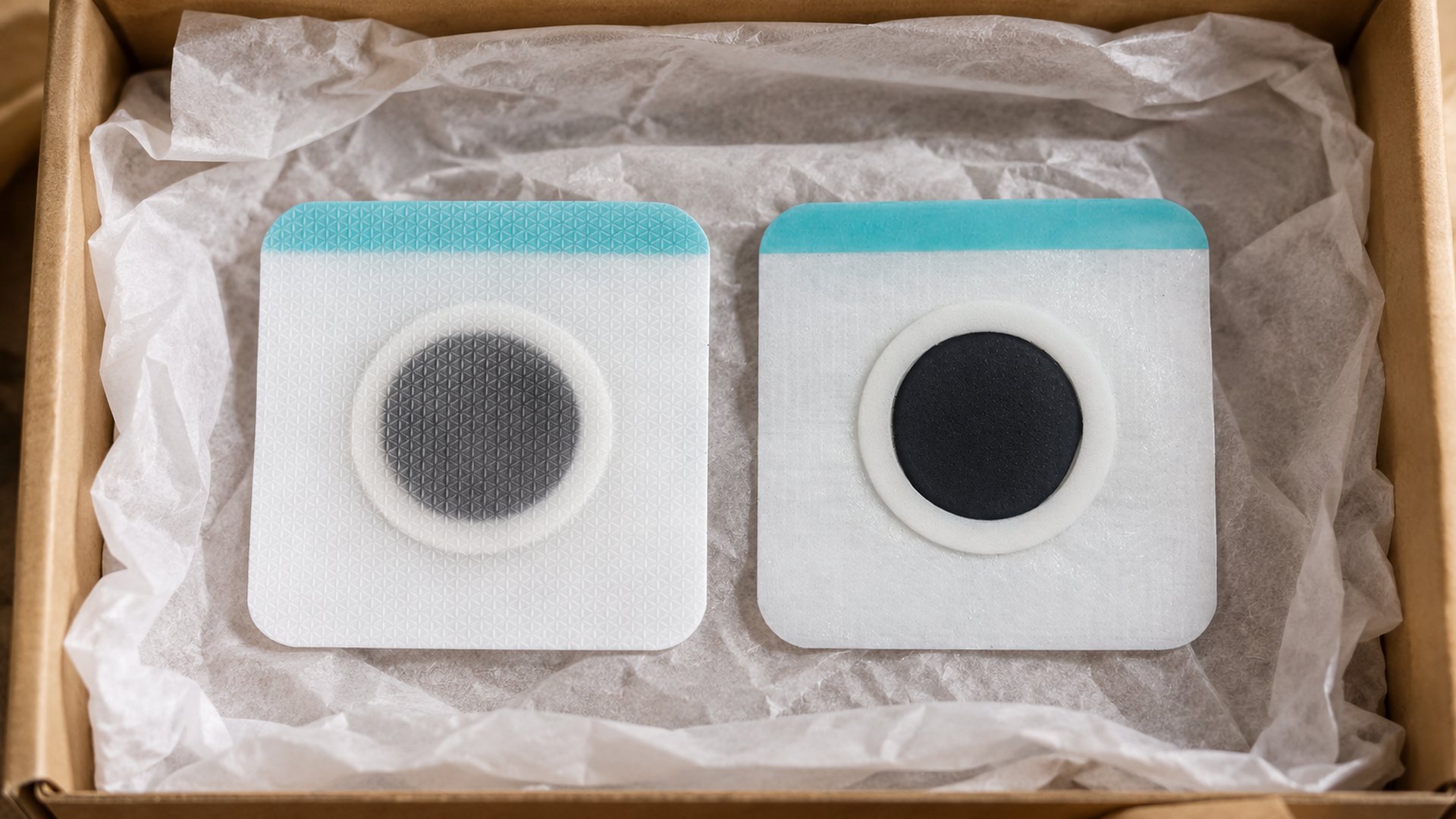
We moved into sampling with two material combinations. The buyer wanted a soft backing material, reliable adhesion for intended skin contact, and a finished patch that did not feel unnecessarily bulky. Our sample stage normally takes around 5–10 working days when the materials are already available, although custom components can stretch that schedule. We made the first samples using stock packaging because there was no point printing thousands of custom pouches before the buyer had approved the physical patch.
To be honest, the patch itself came together without much drama. The buyer preferred the lighter backing after handling both versions and asked us to keep that construction. The bigger discussion was the pouch. Their original RFQ called for a heavier multilayer pouch with a premium finish. It looked good in the specification sheet, but once we priced the complete order, that packaging choice was taking a surprisingly large share of the budget.
That was our first reminder that abdominal wellness patch OEM pricing is often packaging math disguised as product math.
The Snag: The Target Price and Packaging Brief Didn't Match
A few days later, the buyer came back with a target landed product cost that was below our initial quotation. This is where the order went sideways for a moment. They did not want to increase the quantity much, but they also wanted the premium pouch, a custom printed box, an insert card, and relatively small carton quantities. Those requests were individually reasonable. Together, they pushed the unit cost in the wrong direction.
I put the main cost drivers into a simple comparison instead of sending another vague quote.
| Cost Item | Original Request | Revised Option | Cost Impact |
|---|---|---|---|
| Patch construction | Custom selected material | Kept unchanged | No major change |
| Individual pouch | Heavier premium structure | Standard suitable structure | Lower |
| Retail box | Custom printed box | Kept unchanged | No change |
| Insert | Separate printed card | Instructions moved to box | Lower |
| Order quantity | Lower end of MOQ range | Increased within planned volume | Lower unit cost |
| Packing | Multiple small carton configurations | Standardized carton pack | Lower |
Once the buyer saw the breakdown, the conversation became easier. We were no longer arguing about whether the factory could "give another discount." We were deciding which specifications were worth paying for.
The Fix: We Cut Cost Where the Customer Would Barely Notice
We did not touch the approved Abdominal Wellness Patch construction. That was deliberate. Saving a few cents by repeatedly changing the core material after sampling can create another round of testing, approvals, and delays. Instead, we looked at everything surrounding the patch.
The first change was the pouch specification. We selected a simpler packaging structure suitable for the intended product and distribution format. Next, we removed the separate insert and reorganized the permitted product information onto the retail packaging. Finally, the buyer increased the quantity enough to spread setup and printing costs across more units. For this type of project, practical custom OEM MOQs commonly start around 10,000 pieces, while more complex packaging or materials may require higher quantities.
Those changes brought the abdominal wellness patch OEM pricing much closer to the buyer's target without turning the approved patch into a completely different product. To be honest, this is usually where I prefer to find savings. I would rather simplify a carton configuration than keep shaving material specifications just to make a spreadsheet look better.
Pre-Production: One Small Detail Nearly Cost Us a Week
After the commercial details were settled, we moved toward pre-production approval. Then we found another snag. The pouch artwork had been designed before the final pouch dimensions were confirmed. When our packaging team placed the artwork on the production template, one block of copy sat too close to the sealing area.
It sounds minor. On a production line, it is not. Printing first and discovering the problem during packing would have meant wasted packaging material and a much uglier conversation with the buyer.
We stopped the artwork release, marked the usable printing area, and sent the dieline back for adjustment. The buyer's designer returned the revised file, we checked it again, and then the packaging moved forward. The correction added a couple of working days to the approval process, but it prevented a much larger delay later. I would take that trade every time.
Production: The Real Cost Wasn't Just the Patch
Once materials and artwork were approved, the order entered production. A normal private-label project like this may need roughly 20–35 working days after final approvals, depending on quantity, packaging complexity, material availability, and factory scheduling. I never like giving buyers a single universal lead-time promise because one custom printed component can change the entire production calendar.
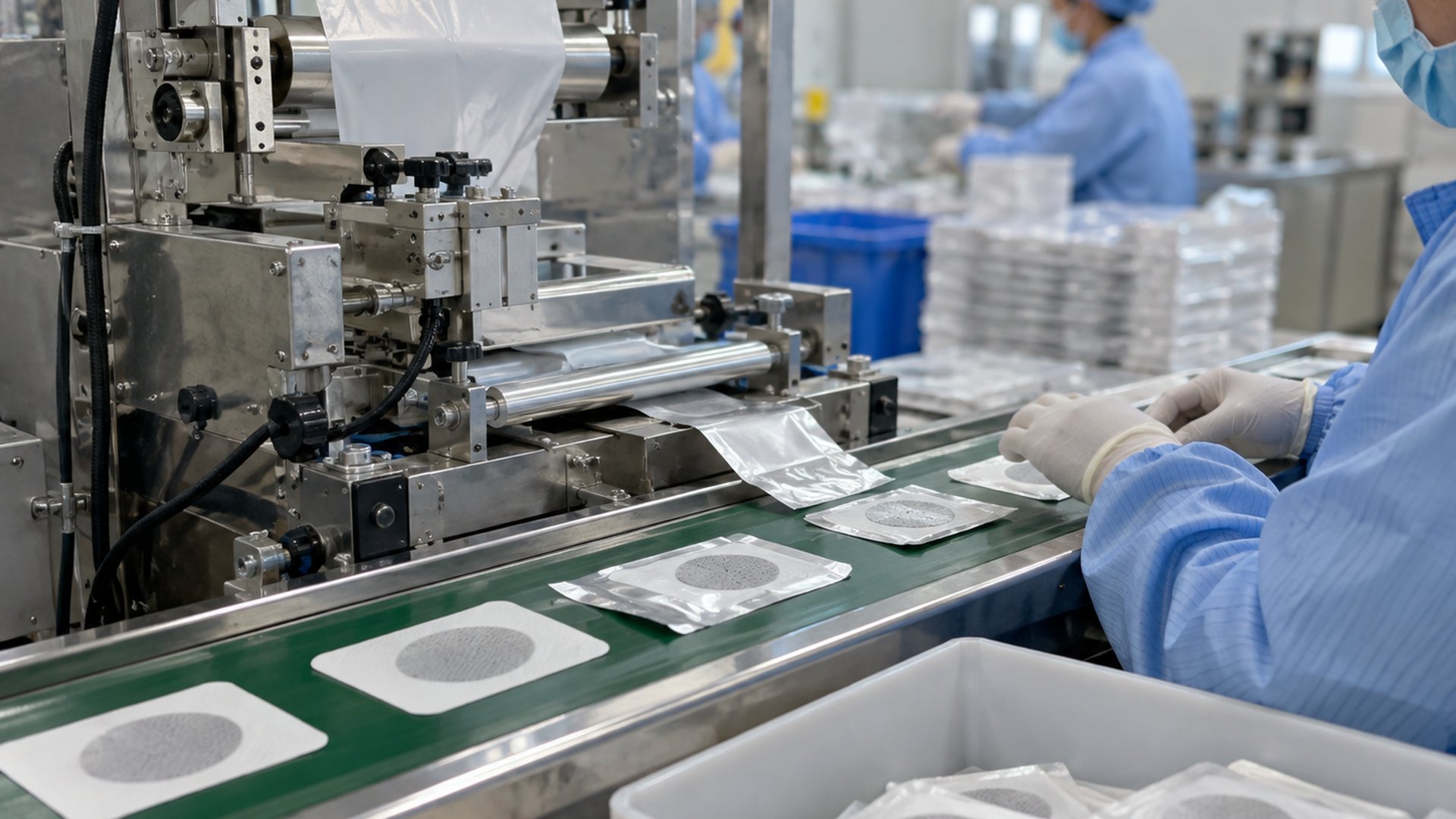
On the floor, we watched material preparation, patch converting, individual packing, retail-box assembly, and final carton packing. We also checked the approved dimensions, appearance, packaging integrity, print consistency, and packing quantities against the confirmed specification. The important point for the buyer was that the quotation now matched what we were actually producing.
That sounds obvious, but it is one of the biggest abdominal wellness patch OEM pricing lessons from this order. A cheap quotation built around one specification is useless if production quietly requires another. We prefer to settle those differences before mass production starts.
Shipment: We Lost Time Early but Recovered It Before Dispatch
By the time final packing started, the project was back under control. The artwork correction had consumed some schedule buffer, so we standardized the final carton configuration rather than allowing several packing variations. That made counting, inspection, and warehouse handling cleaner.
Before shipment, we checked the finished cartons against the approved packing list and confirmed the shipping marks and quantities with the buyer. We also retained the relevant production and QC records according to our normal internal process. Nothing dramatic happened at dispatch, which is exactly what I want. Factory orders should become boring at this stage.
The final shipment timing stayed within the revised production window we had communicated after the artwork issue. More importantly, the buyer knew why the schedule had moved. I have found that buyers can work with a two-day correction much more easily than with a surprise delay nobody mentioned until the container or courier booking is due.
What We'd Do Differently on the Next Abdominal Wellness Patch Order
If the same RFQ landed on my desk tomorrow, I would change one thing immediately: I would lock the physical patch, pouch dimensions, box dimensions, and target quantity before asking the buyer to finalize artwork. That would have removed most of the back-and-forth from this project.
I would also show the buyer two abdominal wellness patch OEM pricing options from day one. One would be a cost-controlled configuration using standard materials and straightforward packaging. The other would include the upgraded packaging choices. Putting those numbers side by side makes the trade-offs obvious before sampling gets too far.
The main lesson was simple. Our first quotation was not wrong, but the original specification was carrying costs the buyer did not really need. Once we separated the Abdominal Wellness Patch itself from the optional packaging expenses, we found room to move without making unrealistic promises. For an OEM/ODM RFQ, that is the information I want first: target quantity, patch size, packaging format, destination market, and target price range. Give us those five things, and we can have a much more useful pricing conversation.
CATEGORIES
LATEST NEWS
- Sinew-Bone Pain-Bi Patch Private Label Manufacturer Supply Agreements
- What Hand Mask Custom Packaging Supplier Quotes Overlook
- Kids Herbal Foot Patch Contract Manufacturer: Safety Specifications First
- Mugwort Steam Eye Mask Private Label Manufacturer Readiness Check
- Mugwort Essential Oil Custom Formula Supplier: Formulation Approval Milestones
CONTACT US
QQ: 396269538
Phone: 17796669065
Tel: 17796669065
Email: 396269538
Add: Room 001, 1st Floor, Building 1, Zhengzhou Hangmei International Smart City, Intersection of S102 and Nanquan Road, Xuedian Town, Xinzheng City, Zhengzhou, Henan Province, China