Industry news
Metabolic Wellness Patch Custom Packaging Supplier for Global Brands
Industry news 2026-09-07 10:58:23 82 views admin
The Email That Started With a Packaging Problem
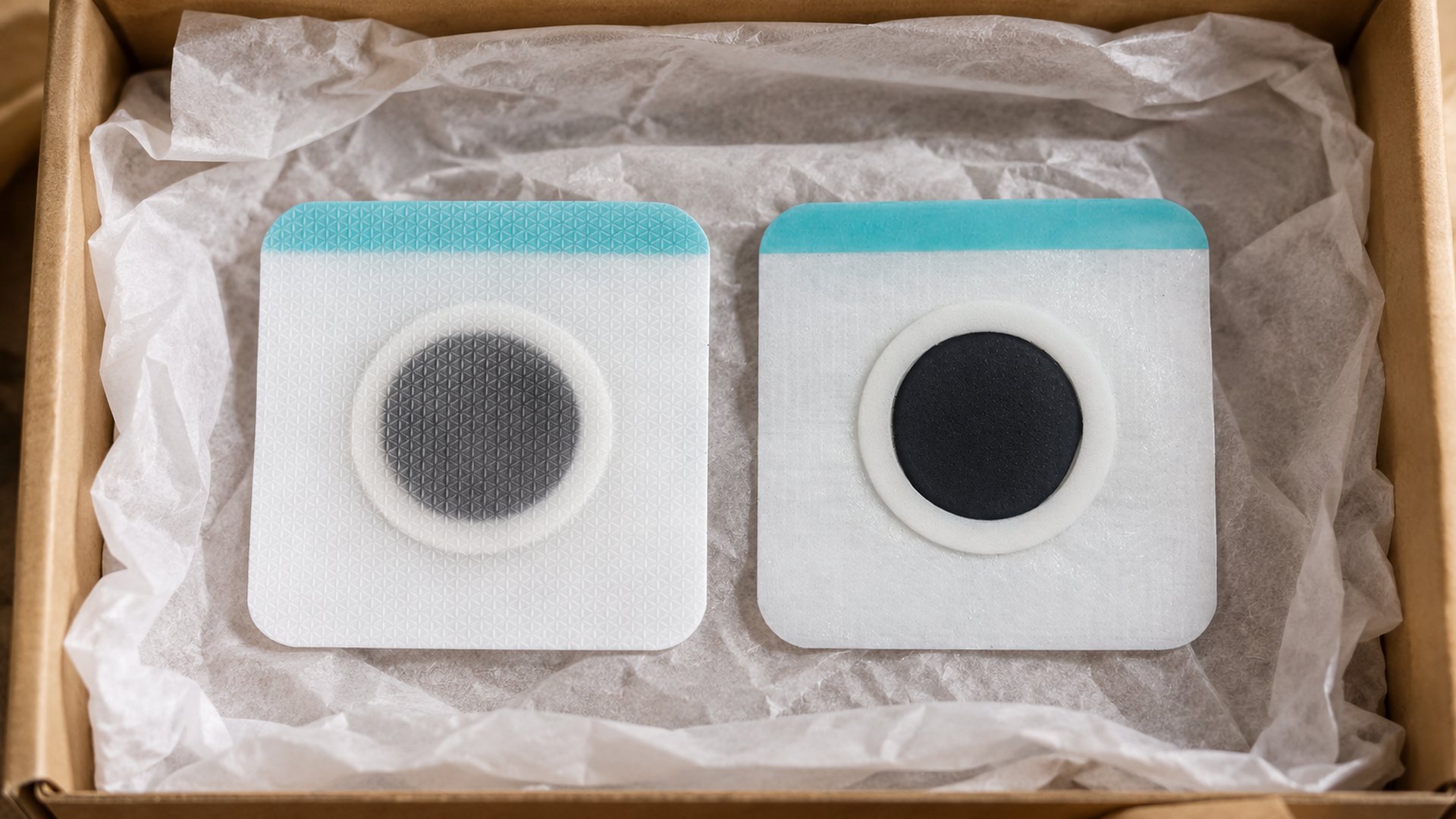
A European wellness brand came to us last spring saying they had already spent months developing a Metabolic Wellness Patch, but the project was still nowhere near ready for purchase. The buyer was an importer supplying wellness products to independent retailers and several regional e-commerce channels. Their concept was straightforward: a discreet daily-use patch positioned around metabolic wellness, packed in a format that looked credible beside established personal-care products. The patch itself was not the part keeping the purchasing manager awake. Packaging was.
Their previous sourcing discussions had produced plenty of patch samples, yet every conversation seemed to separate manufacturing from packaging. One supplier could make the patch but wanted the buyer to arrange printed pouches elsewhere. Another could provide boxes but required quantities that did not fit the brand's first commercial run. By the time they contacted us, the purchasing manager had five packaging quotations, three different dielines and no single specification that could actually move into production.
The Blocker Was Hidden in the Small Details
At first glance, their requested packaging looked simple: one Metabolic Wellness Patch per sealed pouch, multiple pouches inside a retail carton. Once the files were opened, the problems became obvious. The pouch dimensions had been designed before the final patch size was confirmed. The carton had almost no tolerance for inserting the required number of pouches, and the artwork included several wellness statements that needed to be reviewed before printing.
There was also a quantity mismatch. The buyer wanted a relatively cautious first run, while some custom printed packaging components made more economic sense at higher volumes. For this type of project, practical OEM/ODM starting quantities commonly fall around 5,000–10,000 units depending on patch construction, pouch material, printing method and carton configuration. Forcing every packaging component into the same MOQ would have increased inventory before the brand had real sales data.
That was the point when the conversation changed. Instead of quoting the buyer's existing files exactly as supplied, the project team treated the patch and its packaging as one manufacturing job.
First, the Patch Specification Was Locked
The first working session focused only on the Metabolic Wellness Patch itself. The buyer confirmed the intended patch dimensions, backing material, adhesive construction, skin-contact requirements and individual pouch format. Positioning language was kept around metabolic wellness and everyday wellness routines rather than disease treatment or weight-related promises.
Samples came next. For a custom project like this, sampling commonly takes around 7–15 working days depending on material availability and the amount of customization involved. The buyer used that stage to check the physical details that are difficult to judge from a specification sheet: how the patch peeled from its liner, how easily it could be handled and whether the pouch dimensions felt sensible in the hand.
Only after the physical sample was accepted did the packaging dimensions become final. That sequence sounds obvious, but it solved one of the project's biggest problems. The brand was no longer trying to make a finished carton fit a product that was still changing.
Then the Packaging Was Rebuilt Around the Product
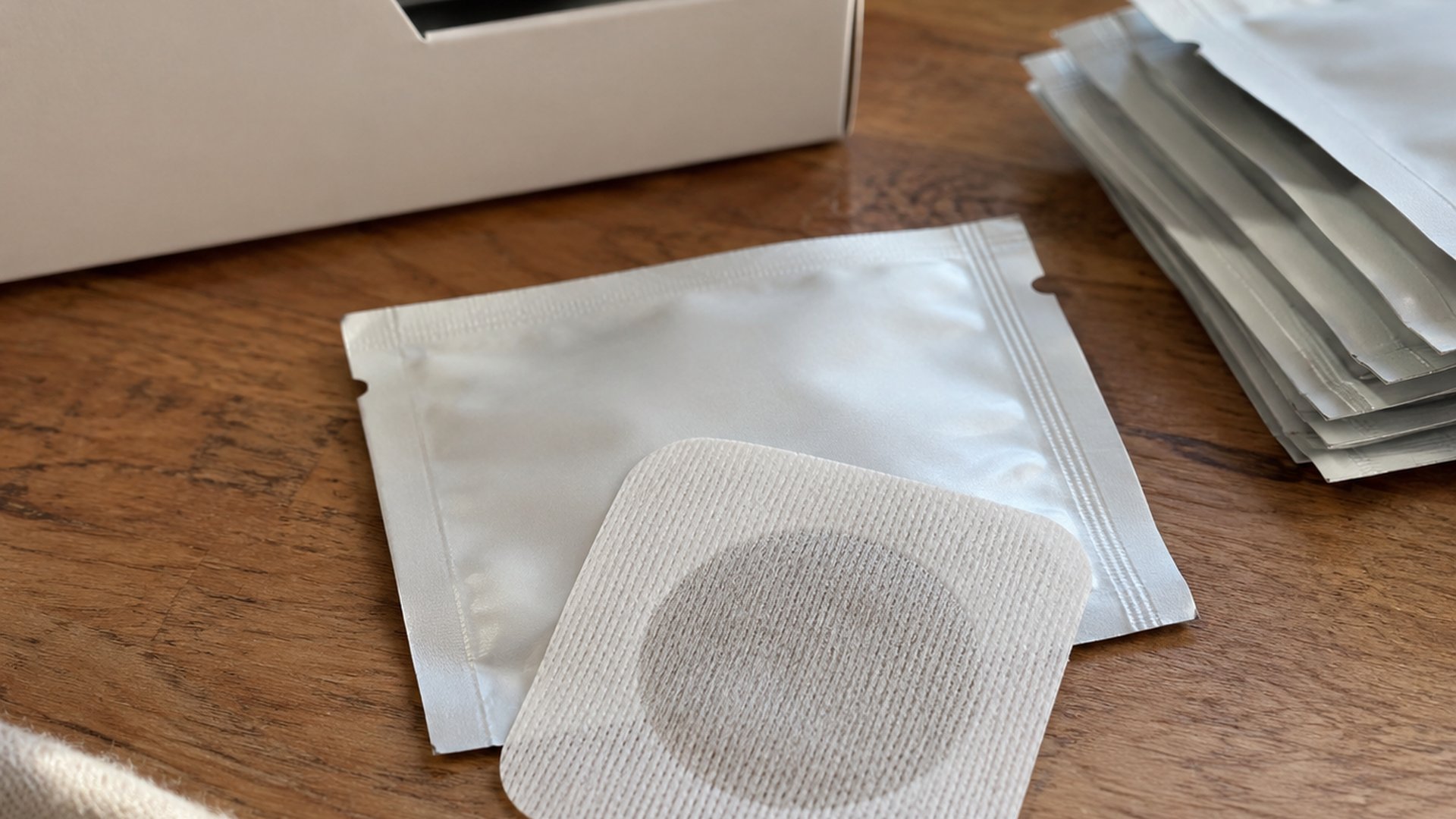
Once the patch dimensions were fixed, the packaging engineer adjusted the individual pouch and retail carton as a matched set. Enough clearance was left for sealing and packing, while unnecessary empty space was removed. The buyer also wanted the carton to feel suitable for both retail shelves and parcel shipping, so the team avoided an oversized presentation box that would add volume without adding much value.
Artwork moved through a separate review before printing. The brand supplied its logo, colors and preferred visual direction, while the manufacturing side checked printable areas, barcode placement, batch-information space and production tolerances. Claims were also screened so that the finished presentation stayed focused on general metabolic wellness.
The final specification was much simpler than the collection of files the buyer had arrived with:
| Project element | Initial situation | Final production approach |
|---|---|---|
| Patch | Dimensions still changing | Specification approved before packaging |
| Individual pouch | Designed too early | Resized around final patch |
| Retail carton | Tight internal fit | Adjusted for practical packing tolerance |
| Artwork | Several versions in circulation | One controlled print-ready file |
| Quantity | Packaging MOQs did not align | Components planned around workable OEM volumes |
| Claims | Needed review | Neutral metabolic wellness wording |
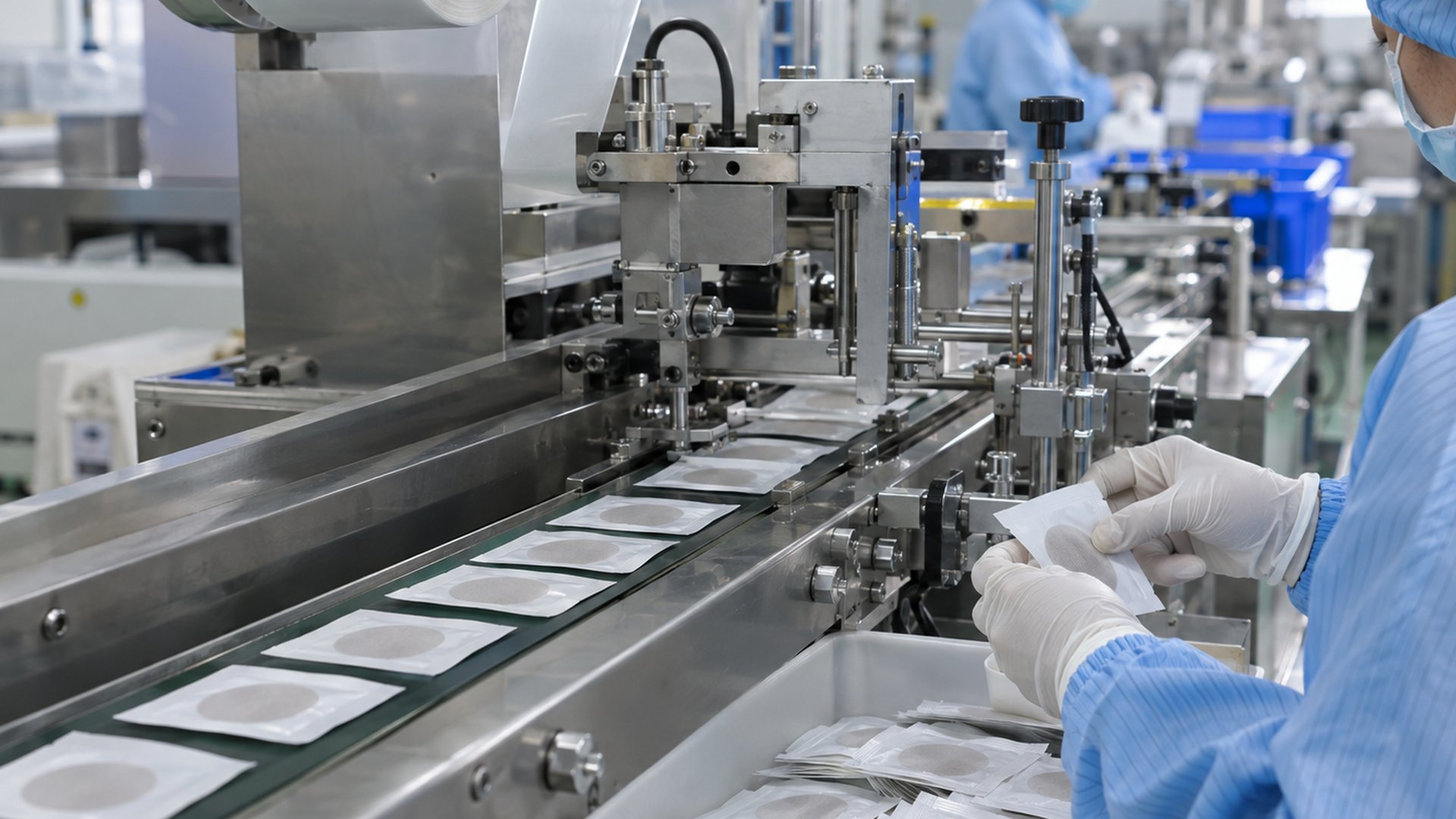
The Order Finally Became a Manufacturing Project
With the sample and packaging structure approved, the buyer could finally request one consolidated production quotation instead of coordinating several unrelated vendors. That was where working with a metabolic wellness patch custom packaging supplier made a practical difference. Patch production, pouch sealing, carton printing and final packing could be scheduled around the same approved specification.
Typical bulk lead times for this kind of customized patch project are around 20–35 working days after sample, artwork and commercial details are confirmed, although printing complexity, raw-material availability and order volume can move that range. The buyer understood those variables before placing the order, so there was less pressure to make last-minute packaging changes after materials had already entered production.
There were still ordinary sourcing questions along the way. A barcode position had to be moved, the carton finish was reconsidered once, and the purchasing manager requested a final packaging sample before authorizing bulk printing. None of those changes became expensive because they happened before mass production rather than on the packing line.
What Changed After the First Production Run
The useful result was not a dramatic sales story or an invented percentage increase. It was much more practical: the brand received a production-ready Metabolic Wellness Patch with its individual pouch and retail carton built from one controlled specification. The importer no longer had to send patches from one factory to a separate packaging company and then resolve dimensional problems between two vendors.
The project also left the buyer with reusable production files. When the next purchasing cycle came around, the patch size, pouch dimensions, carton dieline and artwork positions were already established. Future changes could therefore focus on quantities, graphics or market-specific labeling instead of rebuilding the package from scratch.
For a smaller wellness brand, that kind of repeatability matters. A first OEM order often exposes problems that were invisible during product planning. Once those problems are documented and corrected, repeat purchasing becomes considerably easier to manage.
The Takeaway Was Surprisingly Simple
The buyer originally thought they needed someone to manufacture a Metabolic Wellness Patch and someone else to print a box. What they actually needed was a supplier willing to resolve the relationship between the two before bulk materials were ordered.
That is the lesson worth carrying into another sourcing project: lock the physical product first, build the pouch around it, build the carton around the packed pouches, and approve one final specification before mass production. MOQ, sampling time and lead time should then be quoted against that real configuration rather than against an early concept.
For importers evaluating a metabolic wellness patch custom packaging supplier, asking for a consolidated OEM/ODM specification can reveal more than comparing unit prices alone. Send the intended patch size, packaging format, target quantity and artwork requirements when requesting an RFQ; those four details give the manufacturer enough information to start a useful production conversation.
CATEGORIES
LATEST NEWS
- Sinew-Bone Pain-Bi Patch Private Label Manufacturer Supply Agreements
- What Hand Mask Custom Packaging Supplier Quotes Overlook
- Kids Herbal Foot Patch Contract Manufacturer: Safety Specifications First
- Mugwort Steam Eye Mask Private Label Manufacturer Readiness Check
- Mugwort Essential Oil Custom Formula Supplier: Formulation Approval Milestones
CONTACT US
QQ: 396269538
Phone: 17796669065
Tel: 17796669065
Email: 396269538
Add: Room 001, 1st Floor, Building 1, Zhengzhou Hangmei International Smart City, Intersection of S102 and Nanquan Road, Xuedian Town, Xinzheng City, Zhengzhou, Henan Province, China