Industry news
What Abdominal Comfort Patch Custom Formula Supplier Samples Reveal
Industry news 2026-09-30 09:25:21 44 views admin
Mistake 1 Rushing the PO Before the Formula Is Actually Locked
Buyers usually pay for this in the first 90 days. The most common mistake I see is simple: the buyer gets a sample that is “close enough,” likes the quotation, and rushes the PO because the launch date is already moving. Then somebody asks to change the formula direction, adhesive feel, patch size, backing material, or fragrance after raw materials and packaging have been prepared.
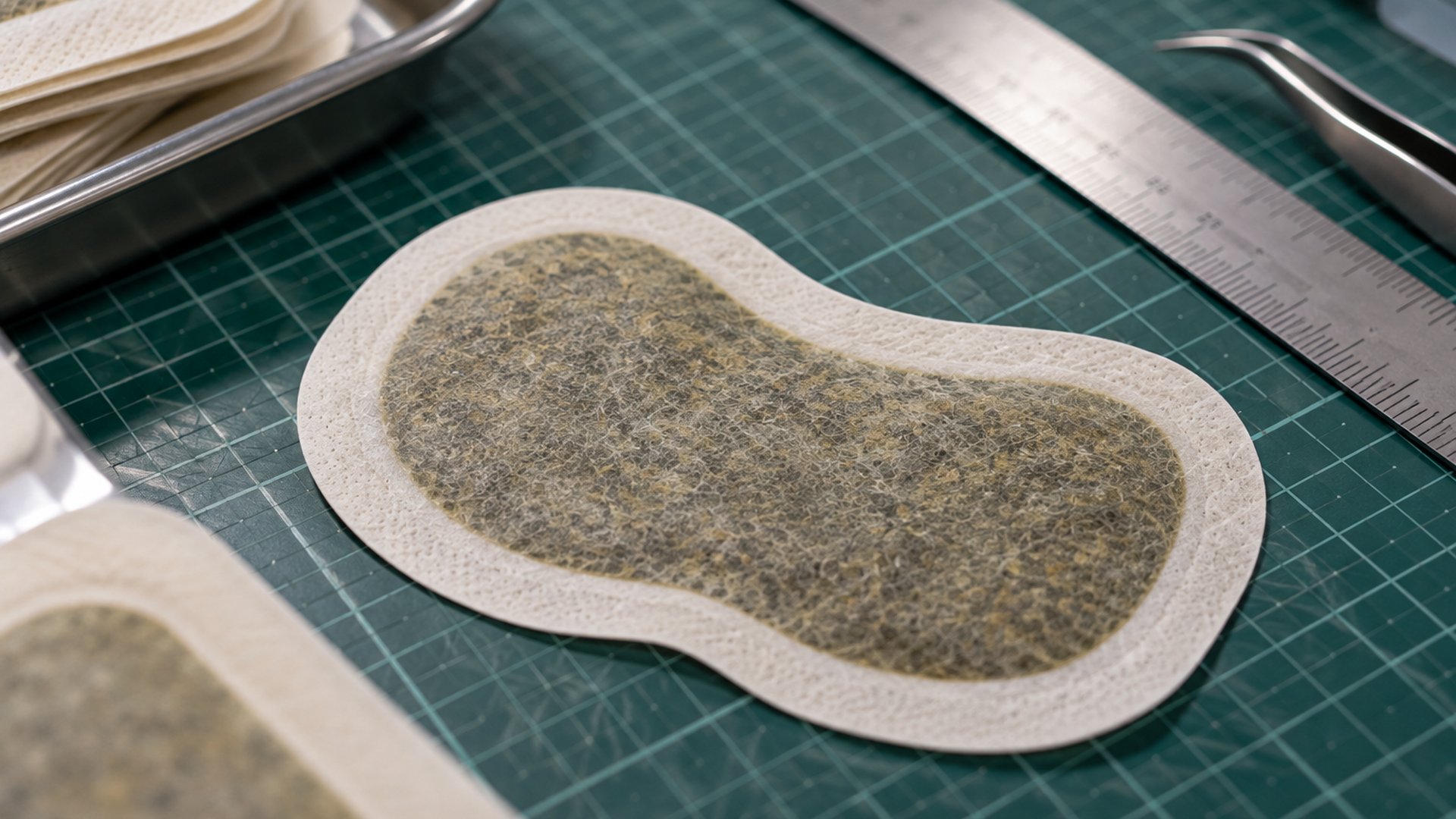
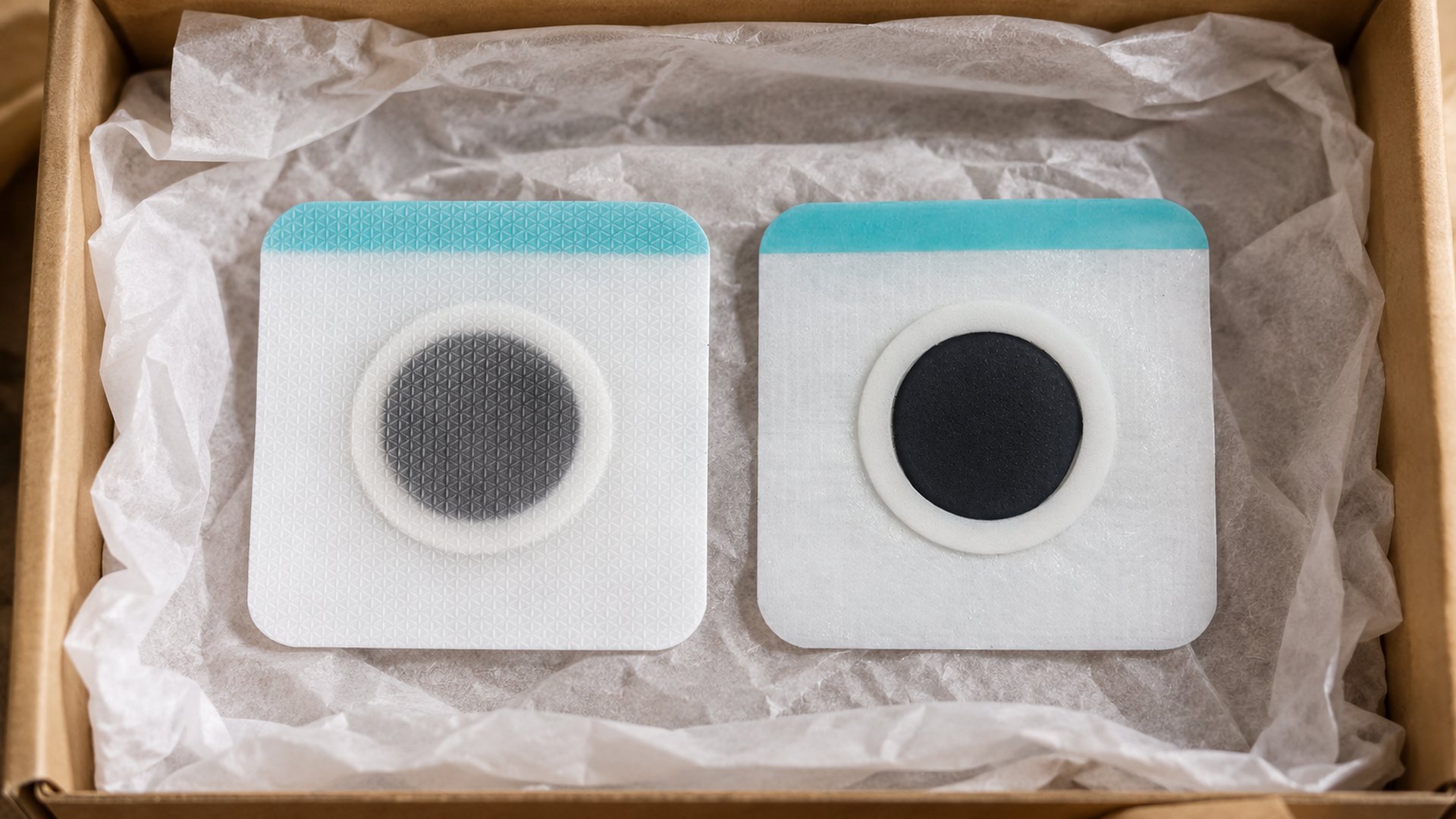
That is when the hidden costs start. A Digestive Wellness Patch is a combination of formula, carrier or filling format, backing, adhesive configuration, dimensions, pouch, and retail packaging. Change one component late and several other items may need to be checked again. With custom projects, sampling commonly needs around 7–14 days. Use that time. An abdominal comfort patch custom formula supplier should be able to turn the approved sample into a written manufacturing specification rather than treating the sample as a vague visual reference.
How do you spot this problem before ordering? Ask the supplier to show exactly what will be frozen after approval. If the answer is simply “same as sample,” the specification is still too loose. The PO should reference the approved formula version, patch dimensions, backing, adhesive configuration, intended skin-contact conditions, appearance, pouch structure, pack count, and artwork version.
Mistake 2 Comparing Unit Prices That Do Not Include the Same Things
The second expensive mistake starts in the quotation sheet. Buyer A receives $X per patch from one factory and a lower number from another, so the lower number looks better. But one quotation may include individual pouches and basic packing while the other covers only the patch. Printed cartons, sampling, printing setup, inserts, master cartons, or special materials may sit outside the headline price.
Do not compare unit prices until you normalize the scope. For a Digestive Wellness Patch, I would break the quote into at least five blocks: finished patch, individual pouch, retail carton, master-carton packing, and one-time or project-specific charges. Then check the MOQ behind each number. A practical custom starting quantity may be around 30,000 patches, but that does not automatically mean every printed component has exactly the same MOQ. Three artwork versions can create three packaging quantities even when the patch itself is identical.
The warning signs are easy to recognize: unusually low headline pricing, undefined packaging specifications, “custom formula included” without a formula approval process, or no explanation of what happens if artwork changes after printing begins.
Guard against this in the PO by listing what the unit price includes and what it excludes. Also state whether the MOQ applies per order, per formula, per SKU, or per printed packaging version. A cheap quote with undefined boundaries is not yet a comparable quote.
Mistake 3 Designing the Carton Before Testing the Finished Pouch
This one looks like a design issue, but buyers often pay for it as a production issue. The brand team finishes a beautiful carton first. Later, the factory confirms the finished patch thickness and individual pouch dimensions. Ten pouches technically fit inside the box, but operators have to compress them, bend the seals, or force the carton closed.
The correct sequence is boring but reliable: patch → pouch → retail carton → master carton. First approve the Digestive Wellness Patch. Then place the actual product into the proposed pouch and seal it. Stack the required number of finished pouches. Only then should you lock the internal carton dimensions. After that, calculate the master-carton configuration from real packed boxes.
This matters financially because printed packaging becomes difficult to change once bulk production starts. If the pouch grows by a few millimeters, the existing carton may no longer work. If the carton changes, the master-carton count and shipping volume can change as well.
I would put a physical packaging mock-up into the approval process before releasing bulk printing. The PO should identify the approved pouch dimensions, material structure, pieces per carton, carton dimensions, artwork revision, and packing orientation. For multiple markets, give each artwork version a clear SKU or internal code. Similar file names are an avoidable source of packing errors.
Mistake 4 Treating “Custom Formula” as a Marketing Phrase
The fourth mistake is assuming that asking for a custom formula automatically produces a commercially sensible specification. It does not. Buyers sometimes send long ingredient wish lists without defining the product format, target sensory profile, intended use, destination market, or what they actually want changed from the factory's existing base.
A better brief for an abdominal comfort patch custom formula supplier starts with practical decisions. State that the product is a Digestive Wellness Patch positioned around abdominal wellness or digestive comfort. Define patch dimensions, intended application conditions, backing preference, formula direction, fragrance preference if relevant, desired texture, pieces per pack, and destination market. Keep the language neutral and suitable for the intended product classification and market requirements.
Then use sampling to isolate changes. If Sample A has one backing, one adhesive configuration, and one formula direction, do not change all three for Sample B unless there is a clear reason. Controlled revisions make feedback useful. After approval, assign the final formula or sample a reference version and attach that reference to the PO.
Also agree on what triggers the production lead time. Is it deposit receipt? Final sample approval? Artwork approval? Arrival of custom packaging materials? Buyers often count production days from the PO date while the factory is still waiting for artwork. Put the trigger in writing so both sides are measuring the same schedule.
Self-Check Before You Release the PO
Before paying a deposit for a Digestive Wellness Patch project, I would run one final check. If any answer is unclear, the PO is probably early.
- Is one final physical sample approved, with a clear sample or formula reference?
- Are patch dimensions, backing, adhesive configuration, formula direction, and intended skin-contact conditions written into the specification?
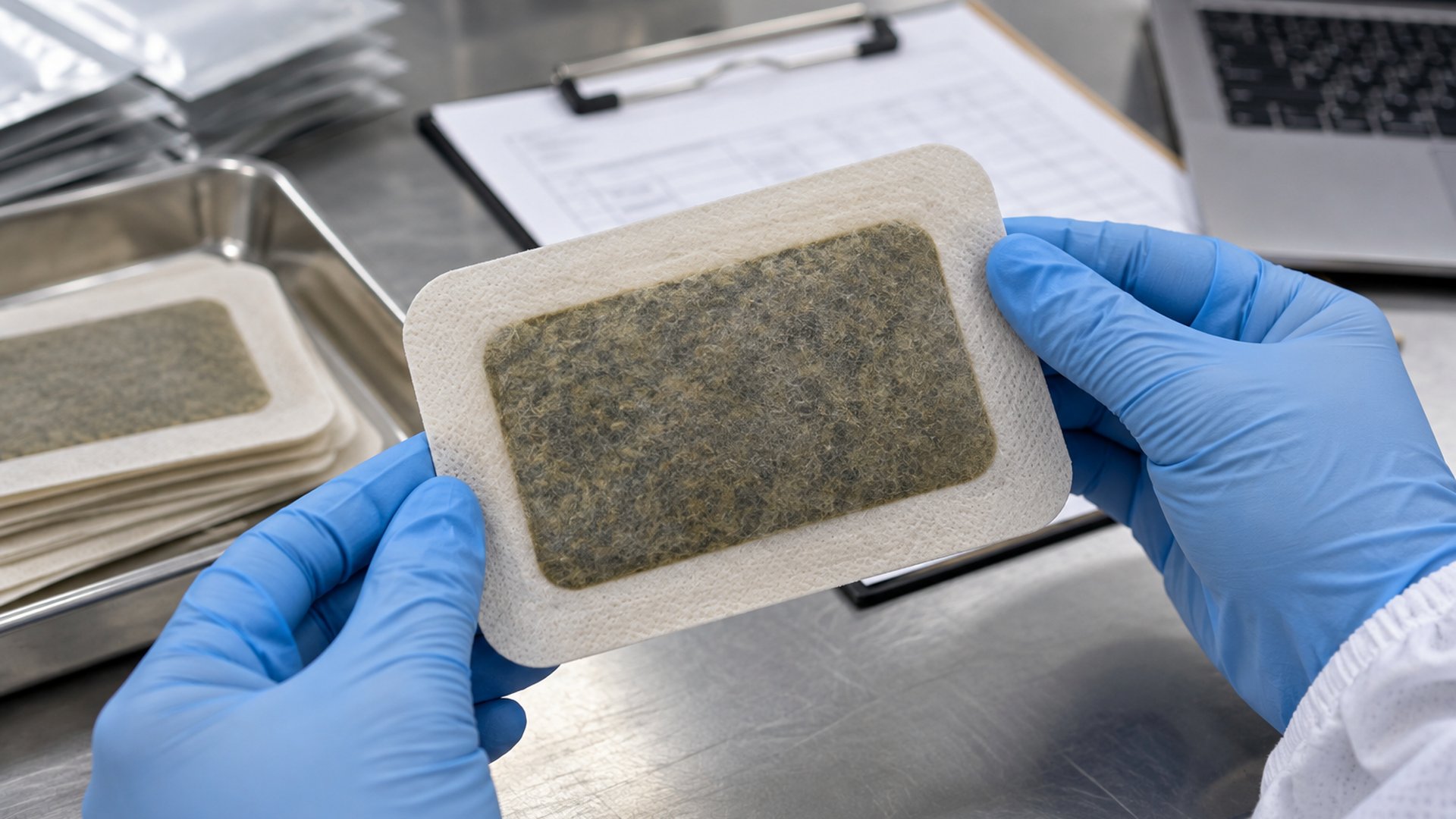
- Has the actual patch been packed into the proposed individual pouch?
- Has the required pouch count been physically tested inside the retail carton?
- Are pouch, carton, and master-carton specifications confirmed in that order?
- Does the quotation state exactly what the unit price includes?
- Is the MOQ defined for the patch, each SKU, and each printed packaging version?
- Are artwork files frozen and identified by revision or SKU?
- Is the 7–14 day sampling window separated from bulk production planning?
- Does the PO define what approval or payment event starts the production clock?
- Are destination-market labeling and classification requirements assigned for review before printing?
- Is there one written production specification that purchasing, production, QC, and packing can all follow?
Don't rush the PO to save a week and then spend the next month correcting specifications. The costly sourcing mistakes are usually ordinary ones: approving an unfinished sample, comparing incomplete quotations, printing packaging too early, and leaving “custom formula” undefined.
The practical move is to freeze the Digestive Wellness Patch specification first, test the complete packaging system second, normalize supplier quotations third, and release the PO only when those records agree. That gives the factory something measurable to manufacture and gives the buyer something measurable to inspect before shipment.
CATEGORIES
LATEST NEWS
- Sinew-Bone Pain-Bi Patch Private Label Manufacturer Supply Agreements
- What Hand Mask Custom Packaging Supplier Quotes Overlook
- Kids Herbal Foot Patch Contract Manufacturer: Safety Specifications First
- Mugwort Steam Eye Mask Private Label Manufacturer Readiness Check
- Mugwort Essential Oil Custom Formula Supplier: Formulation Approval Milestones
CONTACT US
QQ: 396269538
Phone: 17796669065
Tel: 17796669065
Email: 396269538
Add: Room 001, 1st Floor, Building 1, Zhengzhou Hangmei International Smart City, Intersection of S102 and Nanquan Road, Xuedian Town, Xinzheng City, Zhengzhou, Henan Province, China