Industry news
herbal heat patches for pain
Industry news 2026-08-21 09:00:57 111 views admin
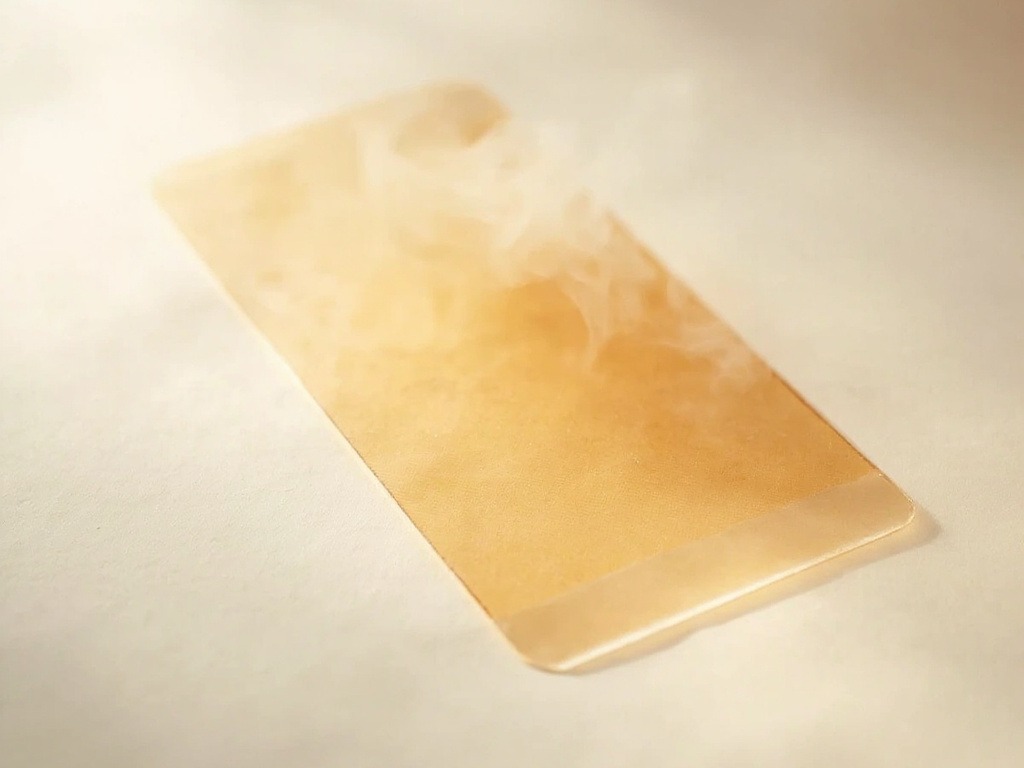
Best for: buyers comparing iron-powder heat patches against microwavable wraps and menthol patches, first-time users of over-the-counter warming therapy, athletes managing recurring muscle soreness, older adults with non-acute joint stiffness, caregivers shopping on behalf of a family member.
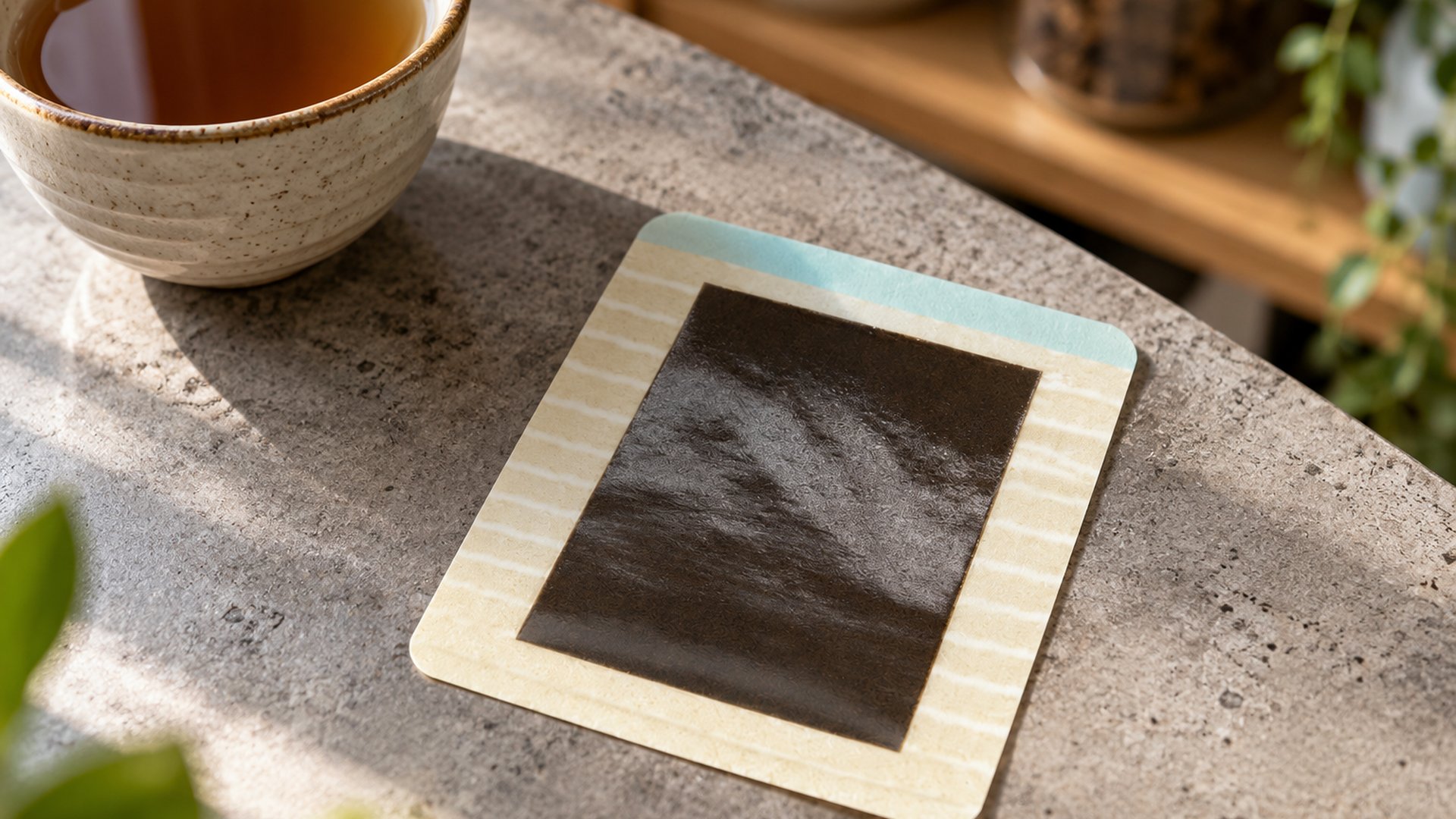
A herbal heat patch is a single-use warming product that delivers gentle, sustained warmth — usually landing in a 40°C band on the skin surface — by combining an oxidation reaction (iron powder meeting oxygen through a permeable membrane) with herbal ingredients such as capsicum, mugwort, or menthol. For someone weighing an iron-powder patch against a microwavable wrap or a menthol patch, the practical question is simple: which form fits the pain pattern, the wear time, and the safety tolerance of the user?
Why People Choose Warming Instead of Cooling
Heat feels right for dull, achy pain. It relaxes the muscle layer, encourages local blood flow, and softens the stiffness that follows overuse. Cold feels right for fresh swelling, acute sprain, or any area that is hot and inflamed. The two are not interchangeable. If the joint is visibly swollen or the injury is under 72 hours old, cold compresses usually serve better; if the problem is chronic tightness, recurring backache, or post-workout soreness, a herbal warming patch has more to offer. The boundary is not absolute — many buyers keep both in the house — but the rule holds in most practical situations.
Wear time is another reason warming wins for daily life. A microwavable wrap holds heat for roughly 20–30 minutes before it cools back to body temperature. An iron-powder patch sustains 40°C for6–12 hours, which lets a person strap it on under clothing at breakfast and forget about it until dinner. The trade-off is depth: a herbal patch warms the epidermis and the muscle layer just beneath it, while a deep-heating modality such as a professional ultrasound reaches tissue a clinician can target. For at-home self-care, the patch layer is where most people land.
Comparing the Four Common Forms
| Form | Heat source | Typical temperature | Wear time | Best suited to |
|---|---|---|---|---|
| Iron-powder patch (air-activated) | Oxidation of iron powder through a salt- and water-laden membrane | Around 40°C / 104°F at the skin surface | 6–12 hours per patch | Chronic stiffness, backache, working hours, sleep support |
| Microwavable wrap | Reheated grain, clay, or bead fill | User-set, often 45–55°C briefly, then declining | 20–30 minutes per heating cycle | Short targeted sessions, repeated reheating |
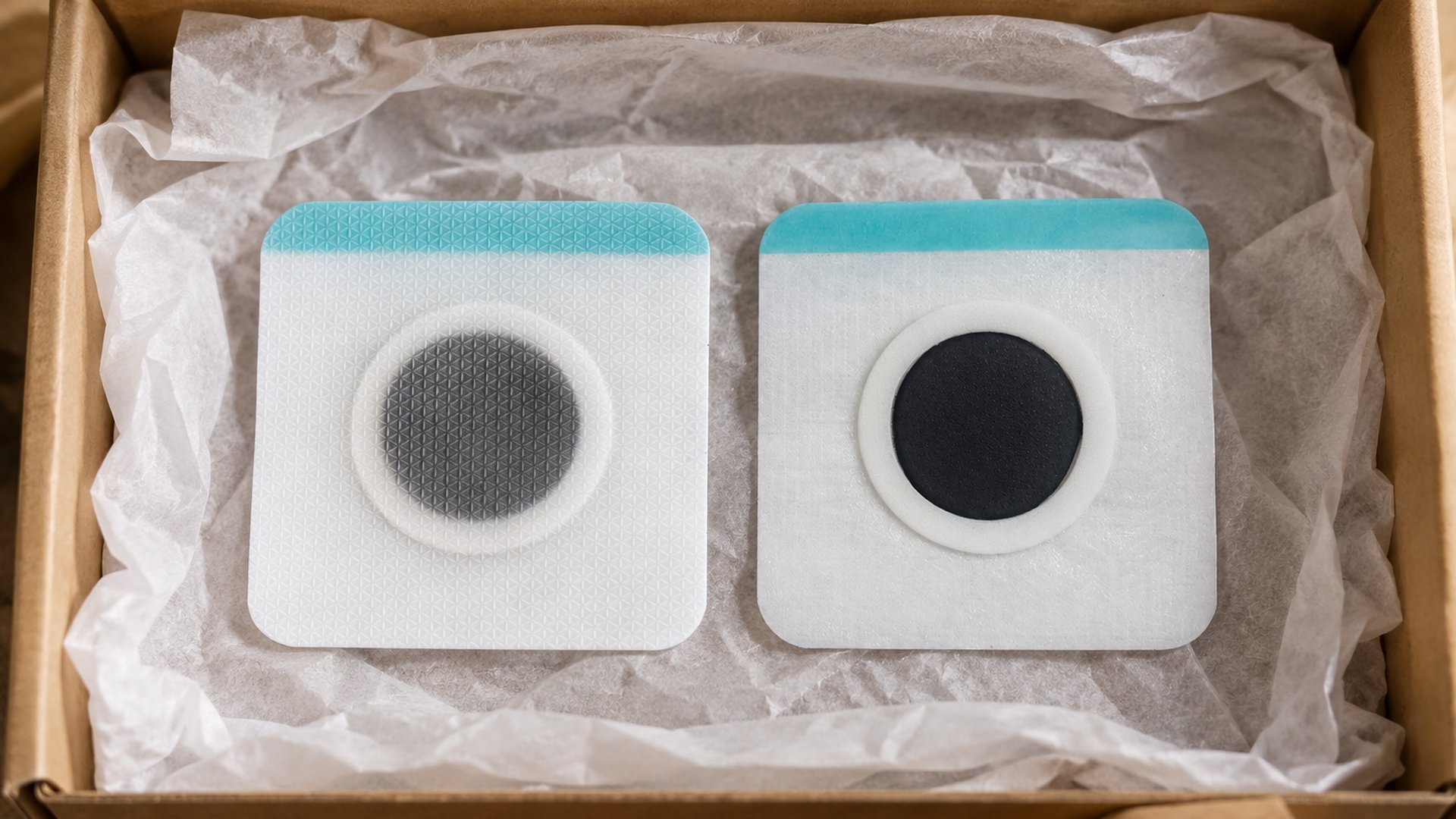
| Menthol / camphor patch | Volatile essential-oil sensation, no real temperature rise | Feels cool-to-warm; minimal surface heating | 4–8 hours | Users sensitive to heat, sports recovery, daytime wear |
| Adhesive herbal compress (capsicum / mugwort) | Topical rubefacient causing mild vasodilation | Skin feels warm but measured rise is small | 6–10 hours | Mild chronic soreness, users who want a herbal sensation without heavy heat |
The table shows a clear split. Two products raise actual skin temperature; two products create the feeling of warming through skin-sensation chemistry rather than through heat transfer. A buyer who wants real sustained warmth picks the iron-powder patch. A buyer who wants a cool-then-warm tingle and a lighter footprint picks the menthol option.
How Oxidation Patches Actually Work
Inside an air-activated patch sits a sealed pouch containing iron powder, salt, water, and a carbon or salt catalyst. When the pouch is opened and exposed to air, the iron powder begins oxidizing — a slow, controlled rust-like reaction — and releases heat as a by-product. The membrane on the outside is engineered to keep the oxygen flow gentle so the temperature rises over20–30 minutes and then settles into a steady plateau around 40°C / 104°F. That plateau is the working zone: warm enough to relax muscle, cool enough to wear against bare skin without a burn risk for most adults.
Once opened, the patch cannot be resealed. Oxidation continues until the iron is spent, which is why the patch fades in temperature around the 8–10 hour mark and is usually spent by 12 hours. A first-time buyer who expects a microwavable-style reheating cycle will be disappointed. The product is meant for one continuous wear and disposal.
Matching the Patch to the Pain Pattern
Not every ache benefits from warming. Acute inflammation, open wounds, bruised tissue, and areas with reduced sensation are all reasons to skip heat. People with diabetes-related neuropathy, vascular disease, or poor circulation should ask a clinician before using any warming product, because the body's normal warning feedback (the "this is too hot" sensation) may be muted. Pregnant users should avoid placing warming patches directly over the abdomen or lower back, and the patches should never be used on infants or on anyone who cannot remove the patch themselves.
For chronic low-back tightness, a40°C iron-powder patch worn under clothing for a working day is a reasonable self-care option. For post-run calf soreness, a menthol patch is often more comfortable because it stays light during movement and adds a cooling-then-warming sensation without bulk. For shoulder knots that need a deeper, slower release, a microwavable wrap applied for 20 minutes before stretching is a practical pairing — heat the muscle, then move it through its range.
First-Use Walkthrough
- Open the foil pouch only when ready to wear; oxidation starts the moment air reaches the iron powder.
- Peel the protective film and place the adhesive side against clean, dry skin over the sore area.
- Expect the temperature to climb gradually over 20–30 minutes — there is no instant peak.
- Wear for the time stated on the pack, typically 6–12 hours; do not try to "boost" the heat with a blanket on top.
- Remove slowly to avoid skin stripping, and discard in household waste — the contents are not reusable.
If the patch feels uncomfortably hot before the stated wear time is up, take it off. A mild pink flush on removal is normal; raised welts, blistering, or persistent redness are signs to stop and let the skin recover before trying a different product.
The Cold-vs-Heat Decision in One Rule
- Swollen, fresh, hot, or under 72 hours old → start with cold for the first 48–72 hours, then reassess.
- Stiff, dull, recurring, or chronic → warming is the more useful default.
- Both at once → alternate, ending on cold to leave the area calm.
The rule is short on purpose. Most buyers do not need a long algorithm; they need a quick branch they can apply in the bathroom.
Limitations and Safety Notes
Warming patches are self-care tools, not medical treatments. They do not repair tissue, do not replace physiotherapy for a structural injury, and should not be used over a suspected fracture, an area with active skin disease, or anywhere sensation is impaired. Anyone on blood-thinning medication, anyone with circulatory conditions, and anyone who has previously reacted to adhesive patches should test on a small area first. If pain persists beyond a week, worsens, or is accompanied by numbness, swelling, or fever, the right next step is a clinician — not a stronger patch.
Skin sensitivity rises with age. A patch that felt fine at 30 may feel too warm at 65, even when the temperature is the same. Reduce contact time, place the patch over a thin cotton layer, or switch to a menthol option that creates sensation without sustained heat. None of these adjustments require special equipment — they just require a willingness to adapt the routine to the body in front of you.
A Practical Buying Checklist
Before clicking add to cart, run through this short list:
- What is the pain pattern — chronic dull ache or fresh swelling? Heat or cold wins, not both.
- How long do you need continuous warming — a 20-minute session or a full workday?
- Is the skin sensitive, broken, or numb in the target area?
- Do you want pure heat, a herbal sensation, or a menthol tingle?
- Does the packaging state a wear time, a target temperature, and a single-use warning?
If a product cannot answer at least four of those questions on its label, move on. Clear labeling is a reasonable proxy for the manufacturer having thought through the user experience.
Final Thought
For most buyers comparing iron-powder heat patches, microwavable wraps, and menthol patches, the choice comes down to wear time, depth of warming, and skin tolerance. An oxidation-based patch around 40°C / 104°F is the right pick for chronic stiffness and long wear; a microwavable wrap is the right pick for short, repeatable sessions; a menthol patch is the right pick when the user wants sensation without real heat. Keep the cold-vs-heat rule in mind, respect the safety boundaries, and the rest is straightforward.
Henan Hanmeng Bio-Tech develops private-label warming patches in this category and supports OEM and ODM customization for buyers seeking their own brand. The company's in-house formulation capability covers herbal, iron-powder, and menthol-based formats within its standard product range.
CATEGORIES
LATEST NEWS
- Sinew-Bone Pain-Bi Patch Private Label Manufacturer Supply Agreements
- What Hand Mask Custom Packaging Supplier Quotes Overlook
- Kids Herbal Foot Patch Contract Manufacturer: Safety Specifications First
- Mugwort Steam Eye Mask Private Label Manufacturer Readiness Check
- Mugwort Essential Oil Custom Formula Supplier: Formulation Approval Milestones
CONTACT US
QQ: 396269538
Phone: 17796669065
Tel: 17796669065
Email: 396269538
Add: Room 001, 1st Floor, Building 1, Zhengzhou Hangmei International Smart City, Intersection of S102 and Nanquan Road, Xuedian Town, Xinzheng City, Zhengzhou, Henan Province, China