Industry news
Cooling Eye Mask Patches for Painting: How to Pick One That Won't Smudge Your Work
Industry news 2026-08-21 09:31:00 79 views admin
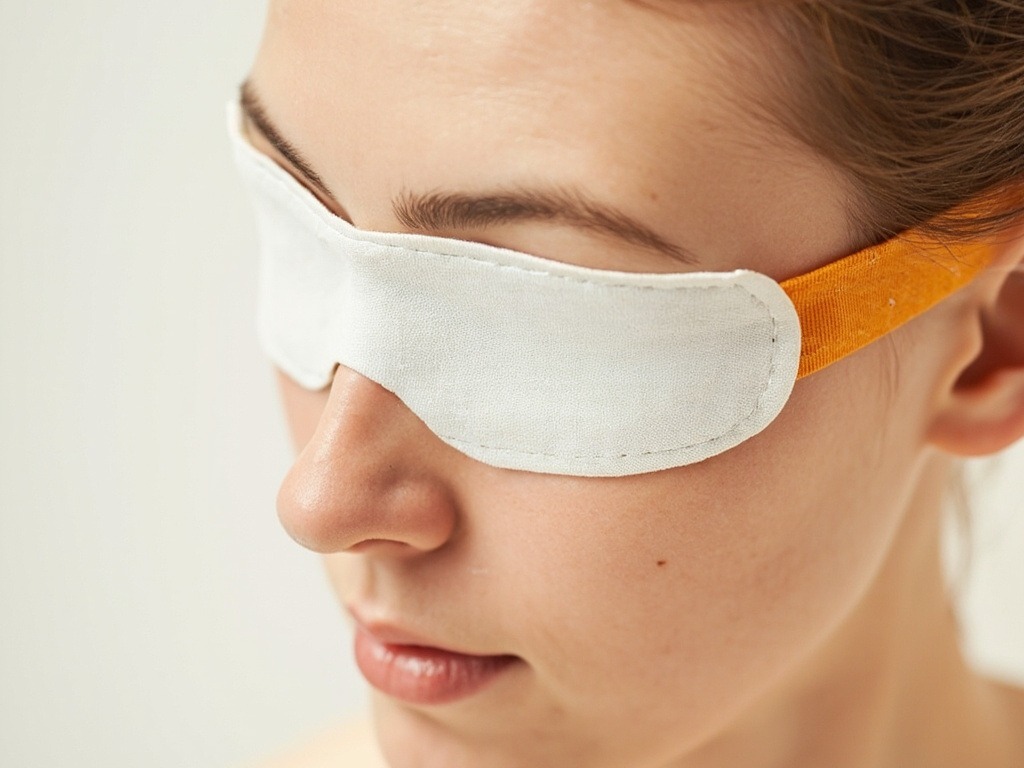 Best for: office workers on long screen shifts, travelers fighting dry-cabin air, artists and crafters who need a quick eye reset between sessions, contact-lens wearers with end-of-day fatigue, anyone sensitive to steam near freshly applied makeup.
If you need to de-puff, brighten, or simply cool down your eye area between painting sessions, hydrogel patches are usually the most forgiving choice — they sit on the skin without straps, leave no residue on brushes or sleeves, and don't push warm vapor onto a wet canvas. Cooling gel masks come second for sustained chill, and steam-heat masks are best saved for moments when you have stepped away from the work entirely. Below is a practical way to choose among them without wrecking your painting setup.
Best for: office workers on long screen shifts, travelers fighting dry-cabin air, artists and crafters who need a quick eye reset between sessions, contact-lens wearers with end-of-day fatigue, anyone sensitive to steam near freshly applied makeup.
If you need to de-puff, brighten, or simply cool down your eye area between painting sessions, hydrogel patches are usually the most forgiving choice — they sit on the skin without straps, leave no residue on brushes or sleeves, and don't push warm vapor onto a wet canvas. Cooling gel masks come second for sustained chill, and steam-heat masks are best saved for moments when you have stepped away from the work entirely. Below is a practical way to choose among them without wrecking your painting setup.
The Three Product Families Worth Knowing
- Hydrogel patches — thin, water-based polymer sheets that cling to the under-eye via mild static and surface moisture. Most arrive cold from the fridge; some are sold as self-cooling through evaporation. Worn10–20 minutes, then peeled off. Nothing drips, nothing steams, nothing transfers pigment onto a palette.
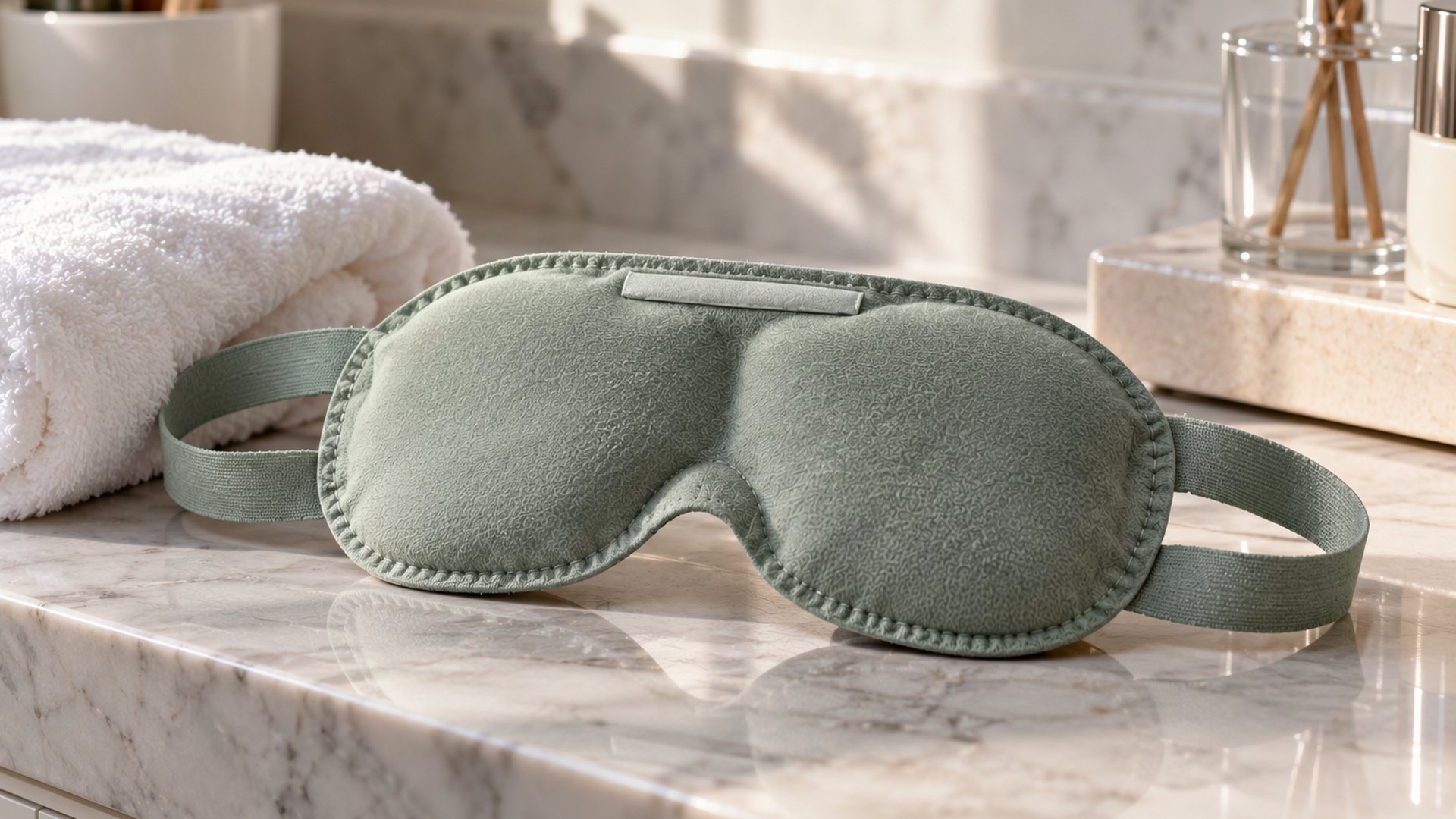
- Cooling gel masks — reusable silicone or PVC masks you store in a mini-fridge or chill in cold water for 20–30 minutes before wearing. They hold temperature longer than hydrogel because of the thermal mass, but they cover the full orbital area and can press on temples if the strap is snug.
- Steam-heat eye masks — single-use air-activated sheets that warm to roughly 40°C over 5–10 minutes and cool back down across 15–25 minutes of wear. Useful for stiffness and tired muscles after a long day of detailed brushwork, but they release visible vapor and should never sit on a freshly painted surface.
Which One Matches Which Symptom
For visible puffiness after a late-night session, a chilled hydrogel patch gives faster surface contraction than a warming mask, because cool temperatures constrict superficial capillaries within minutes. For gritty, dry eyes from a long flight or a day in front of a monitor, a steam-heat mask encourages the meibomian glands along the lash line to soften and release their oils — but it is not a treatment for dry eye disease, only a comfort ritual. For a dull, heavy feeling behind the brow that often shows up after hours of detail work, a cold gel mask applied for 8–12 minutes tends to feel more substantial than a hydrogel sheet, because the chill penetrates deeper. If your main complaint is that your concealer has settled into fine lines by mid-afternoon, hydrogel patches pull a different lever — they rehydrate the under-eye skin from the outside while you rest, which can temporarily smooth the look of creasing. Just remember: any patch you apply over makeup will lift some of it. Plan to remove eye makeup first if you want the patch to actually touch skin.Wearing Logistics: Glasses, Makeup, and Sleep
Glasses and patches do not mix well. Hydrogel patches sit close to the lash line, so the bottom rim of most frames will press on the outer edge and slowly drag the patch off. If you wear glasses and want to keep them on, switch to a cooling gel mask with an elastic strap — the strap goes around the head, the mask sits over the closed lids, and your glasses stay on the bridge of your nose untouched. Makeup is the more delicate variable. A hydrogel patch applied over foundation and concealer will lift roughly half of what is underneath in the under-eye zone. Steam-heat masks are worse: the warm vapor can cause mascara to flake onto the lids and migrate into the inner corner. The cleanest sequence, if you plan to wear a patch midday, is to remove eye-area makeup, apply the patch, then redo concealer after you take it off. Cooling gel masks are the one option that can usually sit over a light layer of makeup without smearing, because the rigid shell keeps product from transferring. Sleeping in any of these is not recommended. Hydrogel patches lose adhesion within20 minutes and slide; gel masks press unevenly as your head turns; steam masks cool down and stop working while you are still in them. Ten to twenty minutes is the practical ceiling for all three product families.What the Ingredient Panel Usually Leaves Out
Most eye-mask ingredient lists are short on purpose — a shorter list reads as "cleaner" on the shelf — but the omissions matter when you have sensitive skin or reactive eyes. Four things are commonly absent from the label even though they are part of the product experience: 1. The actual fragrance composition. "Lavender" on a box can mean a single essential oil, a blend of several, or a synthetic reconstruction. People sensitive to linalool or linalyl acetate — both naturally present in lavender oil — often react to the synthetic version even when the natural one is tolerated. If lavender is on the list and you have a known botanical sensitivity, patch-test behind the ear before a full wear. 2. The preservative system in the hydrogel reservoir. A hydrogel patch is mostly water held in a polymer mesh. That water needs a preservative, and it is rarely called out beyond a name like "phenoxyethanol" buried mid-list. Concentrations matter;0.5% and 1.0% phenoxyethanol behave differently on eyelid skin, which is roughly0.05 mm thick — about a third the thickness of facial skin elsewhere. 3. The pH of the hydrogel. Healthy tear film sits at about pH 7.4. A hydrogel patch at pH 5.5 will feel tight; one at pH 8.0 will sting on application. Most brands do not print pH because it is harder to control than temperature — but it is the single biggest predictor of whether a patch "bites" on contact. 4. The endotoxin or microbial limit for reusable gel masks. Reusable silicone masks get wiped down, not sterilized. After30–50 uses, micro-scratches in the silicone can harbor residue even when the surface looks clean. If the packaging says "rinse with water" only, plan to replace the mask more often than the implied lifespan. When a panel looks unusually short — five ingredients or fewer — that is not automatically a quality signal. It can also mean the manufacturer has chosen not to disclose the full preservation package.Three Mistakes That Cost Buyers Real Money
- Buying steam masks for a workspace. Steam and paint do not coexist. Warm vapor will bloom acrylics, smear watercolors before they set, and cloud gouache. Reserve steam masks for couch time, not studio time.
- Choosing hydrogel patches by "splash" packaging rather than by fit. A patch that is 5 mm too wide will tuck into the inner canthus and scrape the tear film every time you blink. Measure from the inner corner to the outer lash line; the patch should end roughly 2 mm short of each end.
- Storing gel masks in the freezer. Below 0°C, the silicone stiffens and direct contact with closed eyelids can cause cold-patch burns without the warning sensation of discomfort. Fridge temperature (around 4°C) is the safe band.
Limitations and Safety Notes
Eye masks are comfort products, not medical devices, and they do not treat dark circles caused by melanin, structural fat loss, or vascular pooling near the tear trough. If you experience persistent swelling, sudden vision changes, or pain behind the eye, stop using any mask and speak to an eye-care professional. Contact-lens wearers should remove lenses before applying any patch — hydrogel adhesives can bond to a soft lens and shift it. If you have rosacea around the eyes, retinol-treated skin, or recent in-office treatments such as peels or microneedling near the orbital area, wait the full aftercare window — often 5–7 days — before applying anything chilled or adhesive. Hydrogel patches are single-use for a reason. Re-applying a used patch reintroduces bacteria into the polymer mesh, and the cooling effect drops sharply after the first 20 minutes anyway. Reusable gel masks should be washed with a mild, fragrance-free soap after every use and replaced at the first sign of clouding in the silicone.Putting It Together: A Quick Decision Rule
If you are actively painting, drafting, or working on a detail-heavy piece and want a 10–15 minute reset, hydrogel patches win. They stay out of the way, they do not drip, and they peel off cleanly. If your problem is deep, heavy fatigue after the work is done for the day, a cooling gel mask gives longer chill in one sitting. If stiffness and tension — not puffiness — are the actual complaint, and you have time away from the work, a steam-heat mask earns its place. Match the family to the symptom and to the moment, and you will get the comfort benefit without the collateral damage on your workspace. Henan Hanmeng Bio-Tech is a manufacturer of transdermal patch products based in mainland China and offers private-label and OEM services for hydrogel eye patches, cooling gel masks, and steam-activated warming masks across common retail pack sizes.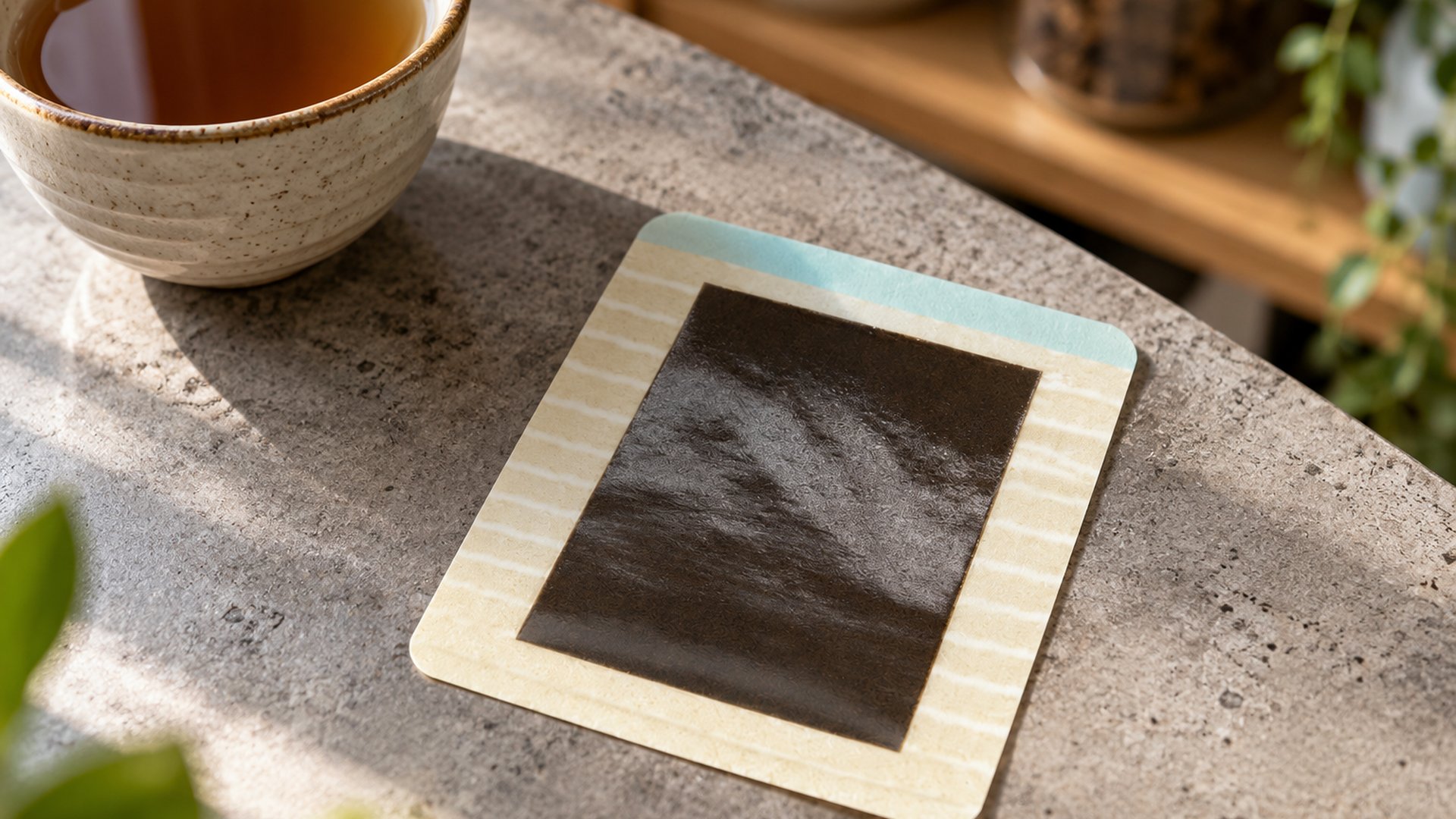
CATEGORIES
LATEST NEWS
- Sinew-Bone Pain-Bi Patch Private Label Manufacturer Supply Agreements
- What Hand Mask Custom Packaging Supplier Quotes Overlook
- Kids Herbal Foot Patch Contract Manufacturer: Safety Specifications First
- Mugwort Steam Eye Mask Private Label Manufacturer Readiness Check
- Mugwort Essential Oil Custom Formula Supplier: Formulation Approval Milestones
CONTACT US
QQ: 396269538
Phone: 17796669065
Tel: 17796669065
Email: 396269538
Add: Room 001, 1st Floor, Building 1, Zhengzhou Hangmei International Smart City, Intersection of S102 and Nanquan Road, Xuedian Town, Xinzheng City, Zhengzhou, Henan Province, China