Industry news
capsicum heat patches
Industry news 2026-08-20 10:30:46 141 views admin
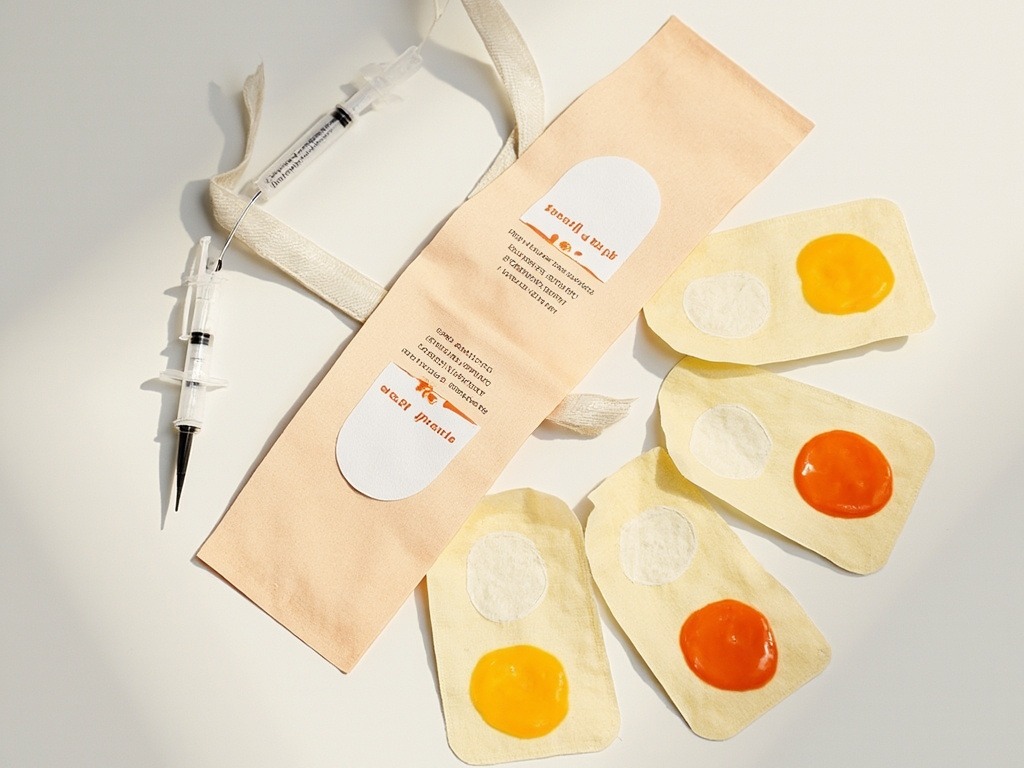
Best for: chronic back-pain shoppers, runners with delayed-onset muscle soreness, older adults with non-arthritic joint stiffness, first-time OTC patch buyers comparing menthol vs capsaicin
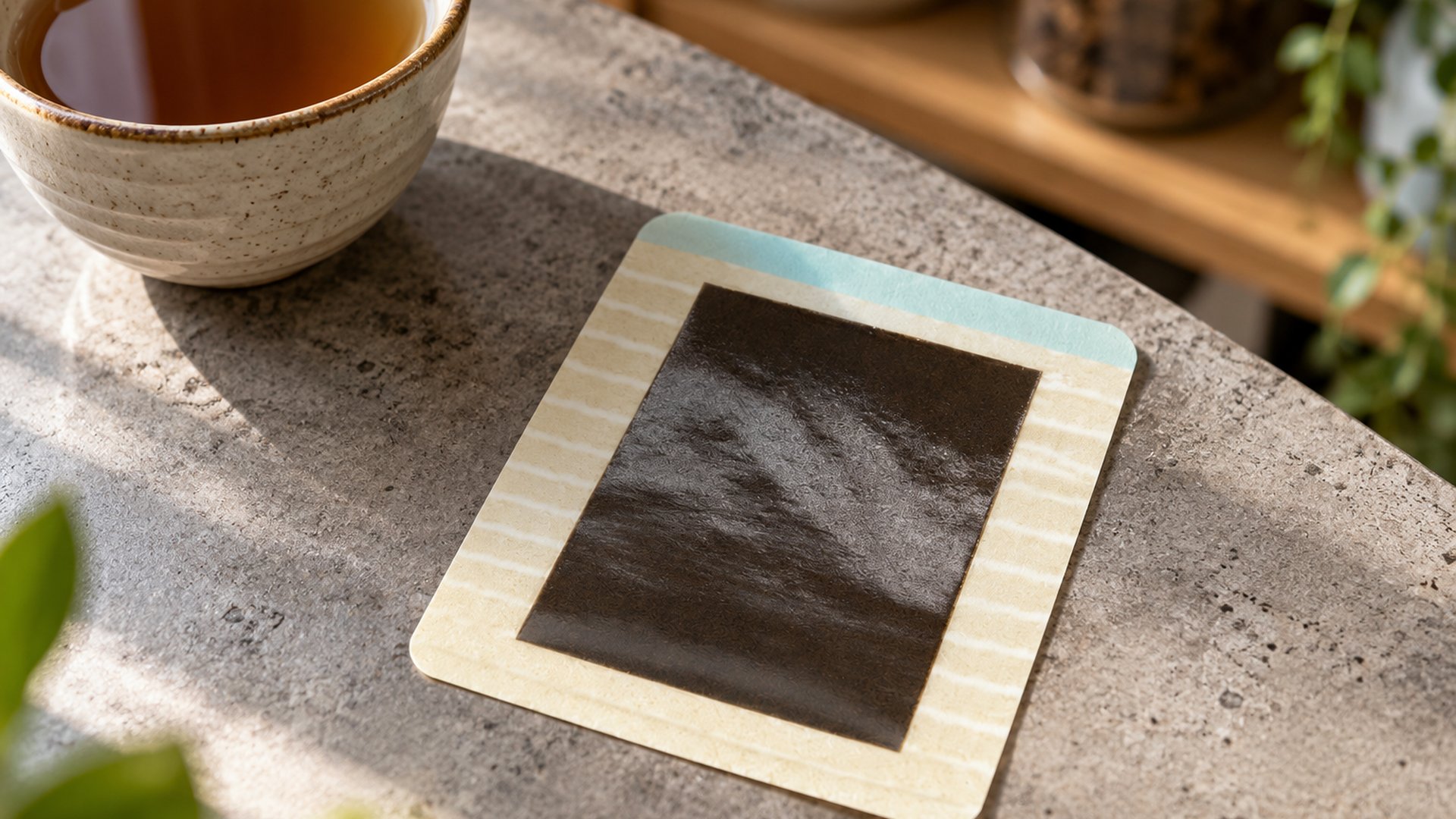
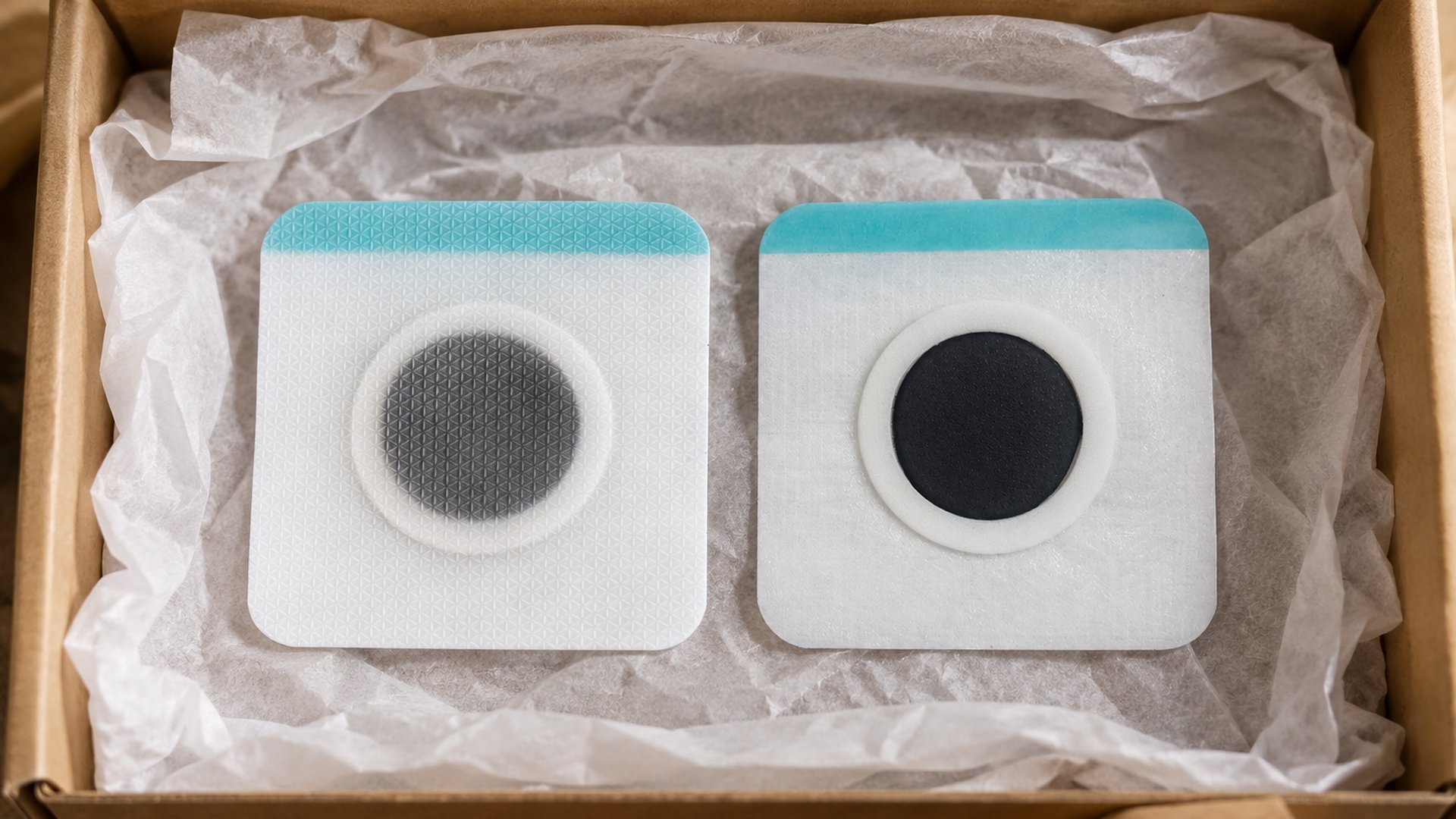
A capsicum heat patch delivers warmth through capsaicin, the pungent compound extracted from chilli peppers. The active binds to TRPV1 receptors in the skin, which initially feels like heat and over hours depletes Substance P, a chemical messenger that carries minor pain signals. Most OTC patches hold 0.025%–0.075% capsaicin and wear for 6–12 hours; the warming sensation lasts longer than the wear time because the receptor effect lingers in the epidermis for a short while after removal.
Why a capsicum patch feels different from menthol, lidocaine, or salicylate
The four common OTC patch actives do not all "heat" the skin in the same way, and confusing them is the most common reason shoppers pick the wrong product.
Menthol and camphor trick cold-sensitive nerve endings (TRPM8 and TRPA1) into reporting coolness; the body responds with a mild vasodilation that feels warming, but no real temperature change occurs on the skin surface. Lidocaine blocks sodium channels along the nerve fibre, numbing the area rather than warming it. Methyl salicylate behaves like a low-dose, topical counter-irritant cousin of aspirin and produces a true warmth through prostaglandin-mediated vasodilation. Capsaicin sits between these worlds: it generates a real warming sensation for the first 30–60 minutes, then settles into a longer dulling of the same nerve fibres.
If you want an instant cooling-then-warming "icy hot" feel that fades when you remove the patch, menthol-plus-camphor or methyl salicylate is the better fit. If you want a long wear time where the relief keeps working for several hours after the patch comes off, capsaicin is the better fit. Lidocaine patches are quiet — no temperature sensation at all — and appeal to people who dislike the smell or tingle of plant-derived actives.
Quick comparison of the four common OTC patch actives
| Active | Sensation on skin | Typical OTC strength | Wear time | Best suited for |
|---|---|---|---|---|
| Capsaicin | Real warming, then dull burn | 0.025%–0.075% | 6–12 hours, with carry-over effect | Long-wear joint or back relief; arthritis-style stiffness |
| Menthol ± camphor | Cool, then mild warmth | 3%–10% menthol | 4–8 hours | Post-exercise soreness; people who dislike strong smells |
| Methyl salicylate | Warm, aspirin-like tingle | 10%–30% | 6–10 hours | Muscular aches; those used to sports rubs |
| Lidocaine | None — numbness only | 4%–5% | Up to 8–12 hours | Targeted numbing; sensitive users who want no scent |
One overlooked distinction: capsaicin and methyl salicylate can both leave a residual smell (chilli vs wintergreen) on clothing, while menthol patches smell sharper but evaporate faster and lidocaine patches are essentially odour-free.
How strong is the heat, really?
Skin-surface temperature under an OTC warming patch typically rises 1°C–3°C above the surrounding area when worn on the lower back — not enough to feel "burning" but enough to shift local blood flow. Capsaicin is unusual among the four actives because the heat sensation is generated by the nerve itself, not by the patch warming the skin. That is why two people can wear the same product and one calls it mild and the other finds it intense: TRPV1 receptor density varies between individuals, and density tends to rise with age and with prior sun exposure on the application site.
If you have never used a capsicum patch before, start with a small 5×10 cm size on the forearm for 30 minutes. A normal response includes tingling, light redness, and a warm flush that fades within an hour of removal. The patch should never feel painfully hot, leave a burn mark, or produce blistering.
Skin sensitivity and who should avoid capsicum patches
Capsicum patches are not the right choice for every shopper, and a quick self-screen avoids the most common bad reactions:
- Broken, shaved, sunburned, or recently waxed skin — capsaicin penetrates open skin much faster and the burn can be sharp.
- People with a known chilli-pepper or nightshade sensitivity — even a topical dose can trigger a contact dermatitis flare.
- Concurrent use of a local heating pad — the combined heat source is the single most reported cause of erythema ab igne (a net-like skin discolouration that can last months).
- Very thin or fragile skin (older adults on long-term corticosteroids, for example) — the warming response can outlast the wear time and become uncomfortable.
- Children under the age printed on the local OTC monograph — most consumer labels cap use at 12+ years because paediatric skin reacts more strongly.
For these groups, a menthol-camphor patch or a low-dose lidocaine patch is the safer default. If the active you want is capsaicin but the skin is too reactive, look for a 0.025% low-dose "daily wear" format rather than the stronger 0.075% "extra strength" one — the difference in skin response is significant, not just marketing.
Wear time, sleep use, and exercise
Most capsaicin patches are rated for 6–12 hours of continuous wear. They can be left on overnight, but the morning-after wash is important: the residual capsaicin keeps reacting with hot shower water for 15–30 minutes, and many first-time users blame the patch for "still burning" when in fact the rinse water is the trigger. A cool rinse, or wiping the area with a little vegetable oil before the shower, clears the residue faster than soap alone.
During exercise the patch warms further because skin temperature already rises 0.5°C–1°C under mild exertion. That is fine for walking or yoga, but a long hot-yoga session plus a capsaicin patch can produce a real first-degree burn. For running or cycling, position the patch where sweat does not pool — the upper back is better than the lower back for most athletes because clothing movement lifts the adhesive edge less often.
When NOT to use a capsicum heat patch
There are clear boundaries where any warming patch, including a capsicum one, is the wrong tool. Stop and choose a different format — usually a lidocaine patch or an oral analgesic — if any of the following apply:
The pain is sharp, electric, or radiating down a limb; that pattern suggests nerve-root involvement and needs assessment rather than counter-irritation. The painful area is hot to the touch, swollen, or reddened without the patch in place — that points to active inflammation that warming will worsen. The skin shows signs of infection, eczema flare, or recent tattoo work. You are also using a topical NSAID gel on the same site, because the two actives can interact on the skin barrier. You need to drive or operate machinery immediately after application and the menthol or methyl salicylate variant makes you light-headed — switch to a capsaicin or lidocaine option instead.
A reasonable decision rule for a first-time buyer: if the pain is "dull, deep, and has been there for weeks" a capsicum patch is worth a 7-day trial. If the pain is "sharp, recent, and clearly linked to a movement", a menthol-plus-camphor cooling patch for the first 48 hours then a switch to warming is the safer sequence. If the pain is "I want it to feel like nothing", lidocaine is the honest answer.
Cost, frequency, and what to expect over a month
OTC patches are priced per piece, not per dose, so cost depends on how often you reapply. A typical capsicum patch is worn once per day for up to 12 hours; one box of 5–7 patches therefore covers a working week. Capsaicin needs three to seven daily applications before the full Substance-P depletion effect kicks in, so the first week often feels underwhelming compared with menthol. By week two the same patches start feeling "stronger" not because the dose changed but because the nerve has less chemical messenger to fire.
Compare this with menthol or camphor patches, which feel strong from the first hour but whose effect wears off the moment the patch comes off. Lidocaine patches sit between the two: noticeable within 30 minutes, lasting up to 12 hours, but no cumulative week-to-week build. Methyl salicylate is closest to menthol in feel but adds a salicylate warning for anyone already on blood-thinning medication.
Buyer checklist for choosing between menthol, capsaicin, lidocaine, and salicylate
Before adding a box to the cart, run through this short list — it covers more cases than any "best-of" ranking:
1. Do you want to feel something on the skin? Yes → menthol, camphor, methyl salicylate, or capsaicin. No → lidocaine.
2. How many hours do you want one patch to cover? Under 6 hours → menthol. 6–12 hours → capsaicin, lidocaine, or salicylate.
3. Are you on blood thinners or are you sensitive to aspirin? Avoid methyl salicylate; choose lidocaine or low-dose capsaicin.
4. Will the patch be used on broken, shaved, or recently sun-exposed skin? Pick menthol or lidocaine instead.
5. Do you want a cumulative effect that builds over a week? Capsaicin is the only one of the four that delivers this.
6. Is odour a problem at work or in shared housing? Lidocaine is essentially scent-free; capsaicin carries a faint chilli note; menthol is loud for the first 30 minutes only.
7. Are you under 18 or applying to a child? Most consumer capsaicin labels cap at 12+; menthol and low-dose lidocaine are the safer first options.
Limitations and safety summary
Capsicum heat patches are a consumer-format topical analgesic, not a medical device for diagnosing or treating any condition. The warming sensation is real but local, and the evidence base for OTC concentrations is moderate, not definitive. Do not use on broken skin, do not combine with a heating pad, do not apply before a hot shower, and stop use if blistering, severe redness, or pain lasting more than an hour after removal occurs. Pregnant or breastfeeding shoppers should follow the label advice of their local OTC monograph rather than assume warming is automatically safe. If pain persists beyond 7 days of correct use, or worsens at any point, a clinician — not a stronger patch — is the next step.
Henan Hanmeng Bio-Tech is a contract manufacturer of private-label warming and pain-relief patches, including capsaicin-based formats, and supports formulation, die-cut shape, and packaging customisation for brand owners who want to launch or extend a topical-analgesic line.
CATEGORIES
LATEST NEWS
- Sinew-Bone Pain-Bi Patch Private Label Manufacturer Supply Agreements
- What Hand Mask Custom Packaging Supplier Quotes Overlook
- Kids Herbal Foot Patch Contract Manufacturer: Safety Specifications First
- Mugwort Steam Eye Mask Private Label Manufacturer Readiness Check
- Mugwort Essential Oil Custom Formula Supplier: Formulation Approval Milestones
CONTACT US
QQ: 396269538
Phone: 17796669065
Tel: 17796669065
Email: 396269538
Add: Room 001, 1st Floor, Building 1, Zhengzhou Hangmei International Smart City, Intersection of S102 and Nanquan Road, Xuedian Town, Xinzheng City, Zhengzhou, Henan Province, China