Industry news
pimple patch how to use
Industry news 2026-08-07 10:00:05 94 views admin
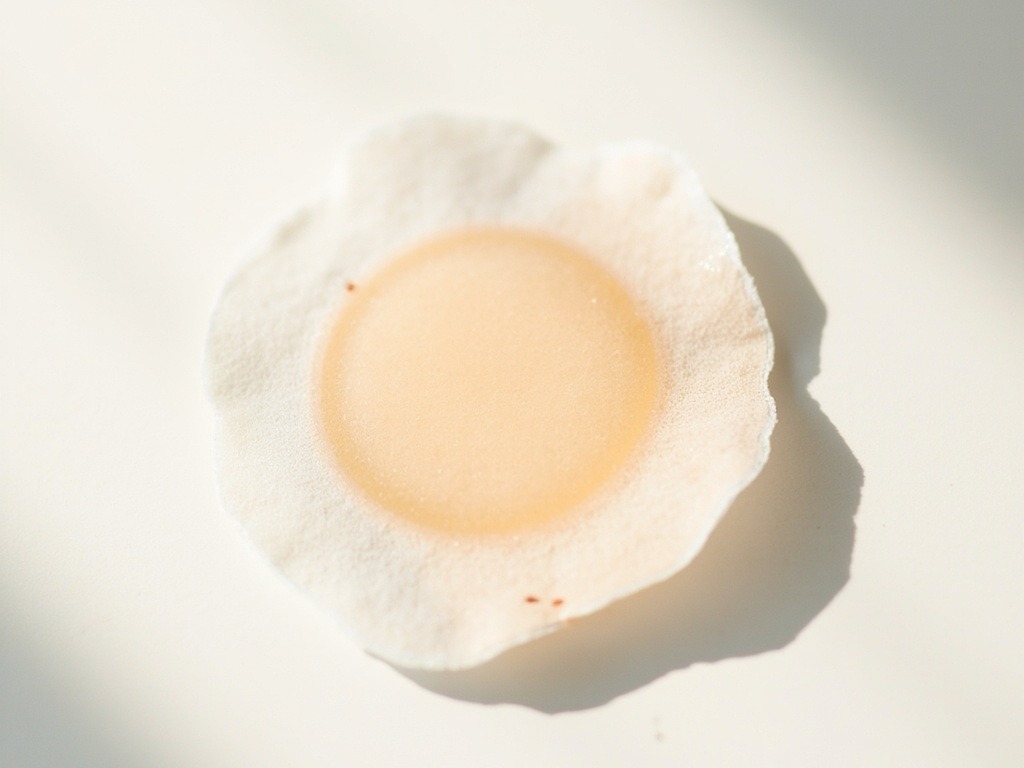
Best for: teens new to spot treatment, adults managing hormonal breakouts, sensitive-skin users, and travelers who need a low-mess option.
Pick a pimple patch by what is sitting on your face right now: a hydrocolloid patch for a whitehead that has already broken the surface, a microneedle patch for a closed pimple you can feel but not see, and a medicated patch carrying salicylic acid or similar actives for early-stage congestion you want to keep from worsening. Apply the patch to clean, dry, product-free skin, press it down for 5–10 seconds, and leave it on for 6–12 hours or until the patch turns opaque white.
What the three main patch formats actually do
The format you choose controls everything that happens next, including how the patch feels, what it pulls out, and whether it can touch a closed bump at all. Hydrocolloid, microneedle, and medicated patches are not interchangeable — they are three different tools aimed at three different stages of a breakout.
| Format | Best lesion type | Mechanism | Typical wear window | Common downsides |
|---|---|---|---|---|
| Hydrocolloid | Open or just-popped whitehead | Absorbs fluid, keeps the area moist and sealed | 6–12 hours, swap if fully white | Does not penetrate closed skin |
| Microneedle (dissolving micro-darts) | Closed comedone, early papule | Tiny soluble tips carry actives through the stratum corneum | Overnight (6–10 hours) | Mild tingling on sensitive skin |
| Medicated (salicylic acid, etc.) | Early congestion, post-pimple dark marks | Slow-release keratolytic against the lesion surface | 2–8 hours per the label | Possible dryness around the edge |
A quick rule that holds up across formats: if you can see pus or an obvious head, hydrocolloid works. If you cannot see a head but can feel a hard lump under the skin, microneedle is the only one of the three that can physically reach it. Medicated patches sit between these two jobs and are most useful as a preventive measure on day one of a new spot.
Match the patch to the stage of the blemish
The biggest mistake people make is treating patch choice as a brand decision. It is a lesion decision. Look at the spot in a mirror, then decide.
- Open whitehead, sore to the touch, or a pimple you already drained: use hydrocolloid. It acts like a tiny absorbent bandage and keeps fingers, phones, and pillowcases off the wound.
- Closed bump with no visible head, mild pain, redness under the skin: use microneedle. The soluble tips dissolve into the upper epidermis and carry actives past the stratum corneum where a flat patch cannot go.
- Early congestion that has not formed a bump yet, or a fading mark left after a pimple: use a medicated patch, usually one with salicylic acid, to keep the area exfoliated and to discourage a new plug.
- Cystic or deep nodular acne larger than roughly 5 mm, painful across a wide area: skip patches and consult a clinician. No consumer patch covers that lesion depth, and leaving it covered for 12 hours can mask changes a clinician needs to see.
Wearing time, replacement, and what the patch is telling you
Most hydrocolloid patches reach peak absorption between 6 and 12 hours. The visible signal is the color: a clear or skin-tone patch that has gone milky white has done its job and should come off. A patch that is still translucent after a full night has either sat on a spot with nothing to absorb or sat on the wrong stage of blemish.
Microneedle patches usually dissolve fully during wear, so there is nothing to peel off in the morning — check the residue pattern and any remaining adhesive edge. Medicated patches vary, so follow the printed window rather than guessing by color.
Replace, do not re-stick. Reusing a patch after it has lifted spreads bacteria back onto the same spot and reduces adhesion. If a patch falls off before the wear window is up, clean the skin again, let it dry for 60 seconds, and apply a fresh one.
Ingredient scan: what is worth paying attention to
The active list on a patch is short on purpose. Three ingredients show up often enough to be worth recognizing.
- Salicylic acid — a beta-hydroxy acid that loosens the glue between dead skin cells in the pore. Useful on early congestion, harsher than many people expect on sensitive skin.
- Hyaluronic acid or glycerin — humectants that keep the sealed area hydrated so the skin under the patch does not dry out under hydrocolloid or medicated formats.
- Tea tree oil, niacinamide, or Centella asiatica — common supporting ingredients in microneedle and medicated patches; benefits are mild and should not be confused with primary treatment.
What you do not need: fragrance, denatured alcohol near the wound, or heavy essential-oil blends. If the patch is meant to sit on broken skin for 6–12 hours, anything volatile and irritating is in contact with an open area the whole time.
Skin prep that decides whether the patch stays on
Adhesion failures are almost always prep failures, not patch failures. Wash the area with a gentle, fragrance-free cleanser and water at roughly body temperature. Pat dry — do not rub. Wait 60 to90 seconds so the skin surface is fully dry; a patch applied over damp skin lifts within an hour. Skip serums, moisturizers, and spot creams on the exact spot you are about to cover. Occlusive layers underneath stop the patch from sealing and dilute the active. If you use a toner, apply it away from the lesion or wait until after the patch is off.
Four mistakes that quietly ruin results
These show up again and again in user reviews and dermatologist Q&A threads, and each one cuts the patch's effectiveness by a noticeable margin.
- Stacking actives. Layering benzoyl peroxide or retinoid under a medicated patch can push the skin past irritation into peeling. Pick one active per lesion.
- Putting hydrocolloid on a closed bump. The patch has nothing to absorb and the seal traps heat against an unruptured lesion, sometimes making it look worse by morning.
- Touching the patch to check it. Each lift lets bacteria in and weakens the seal. Leave it alone until the wear window is up.
- Wearing a patch into the sun without SPF on the surrounding skin. The patch itself blocks UV locally, but the edge ring and the rest of the face still need daily broad-spectrum sunscreen (see local SPF guidance for the exact SPF value appropriate to your climate).
Limitations and safety notes
Patches are a spot tool, not a full-face acne treatment. They cannot replace a daily routine of gentle cleansing, broad-spectrum sun protection, and — for moderate to severe acne — clinician-supervised care. Stop use and consult a qualified clinician if a spot becomes larger than roughly 5 mm, warmer than the skin around it, or develops a red streak; these can be signs that need in-person assessment. Do not use patches on cystic acne, on suspected infected lesions, or on skin that is currently being treated with prescription retinoids or isotretinoin without checking the combination with the prescriber. For any medicated patch carrying salicylic acid at a meaningful concentration, follow the local cosmetic regulation for leave-on concentration limits, and check the applicable local requirements if you are unsure of the threshold in your country.
Quick buyer checklist before you open the packet
A two-minute read of the back of the packet saves most of the disappointment people report later. Run through this list every time you try a new format.
- Does the format match the lesion stage on your face right now, not the one you had last week?
- Is the listed wear window compatible with your sleep schedule, or will you need to time it around a day at home?
- Is there one named active in a recognizable percentage, or a wall of botanical extracts with no ranking?
- Is the adhesive gentle enough for the area you want to use it on — for example, the side of the nose, the jawline, or near the lip?
- Does the pack size match how often you actually get a spot? A 24-patch box that lasts one bad week is fine; the same box that expires in a drawer is wasted money.
How a contract manufacturer fits into the picture
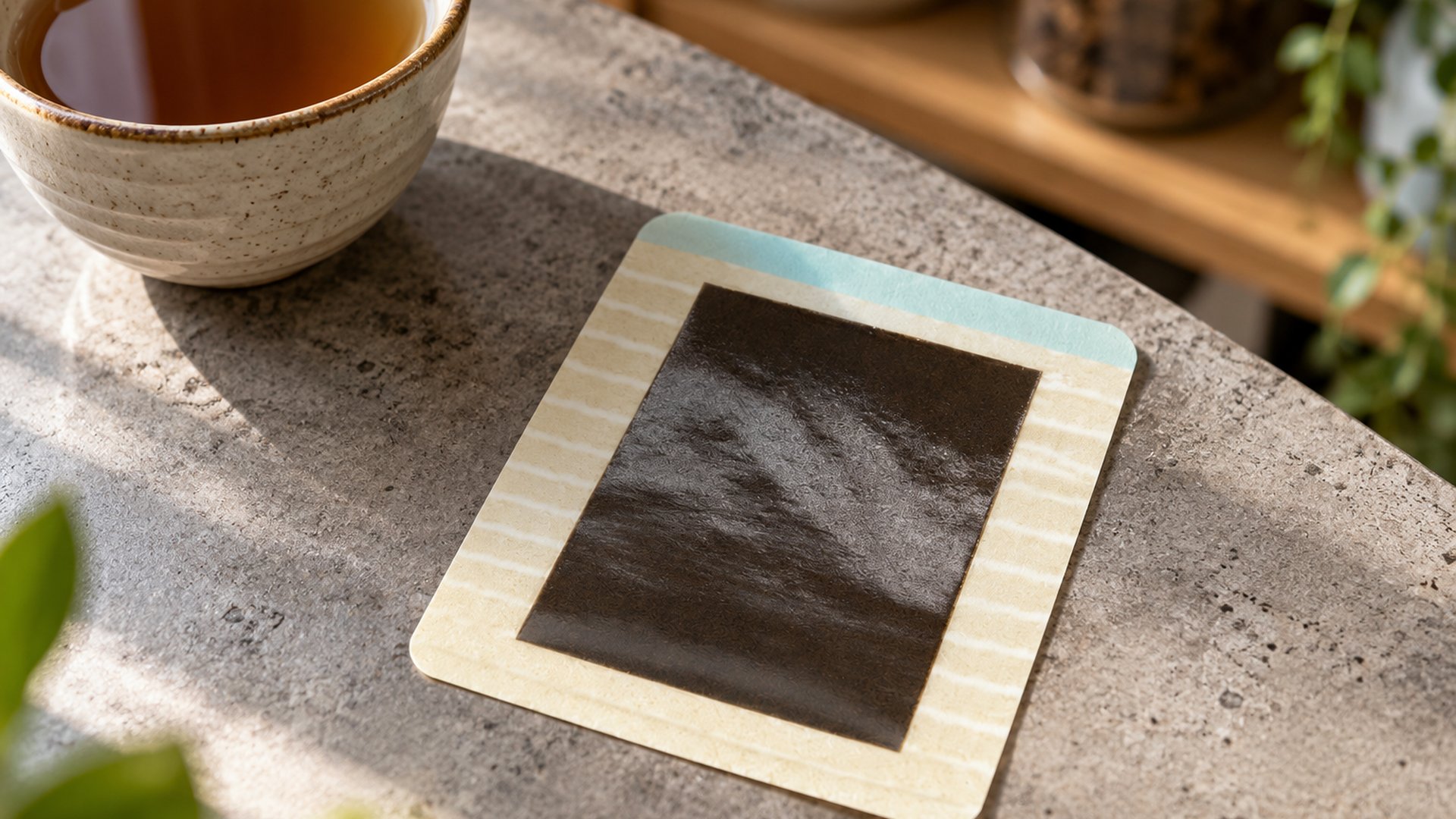
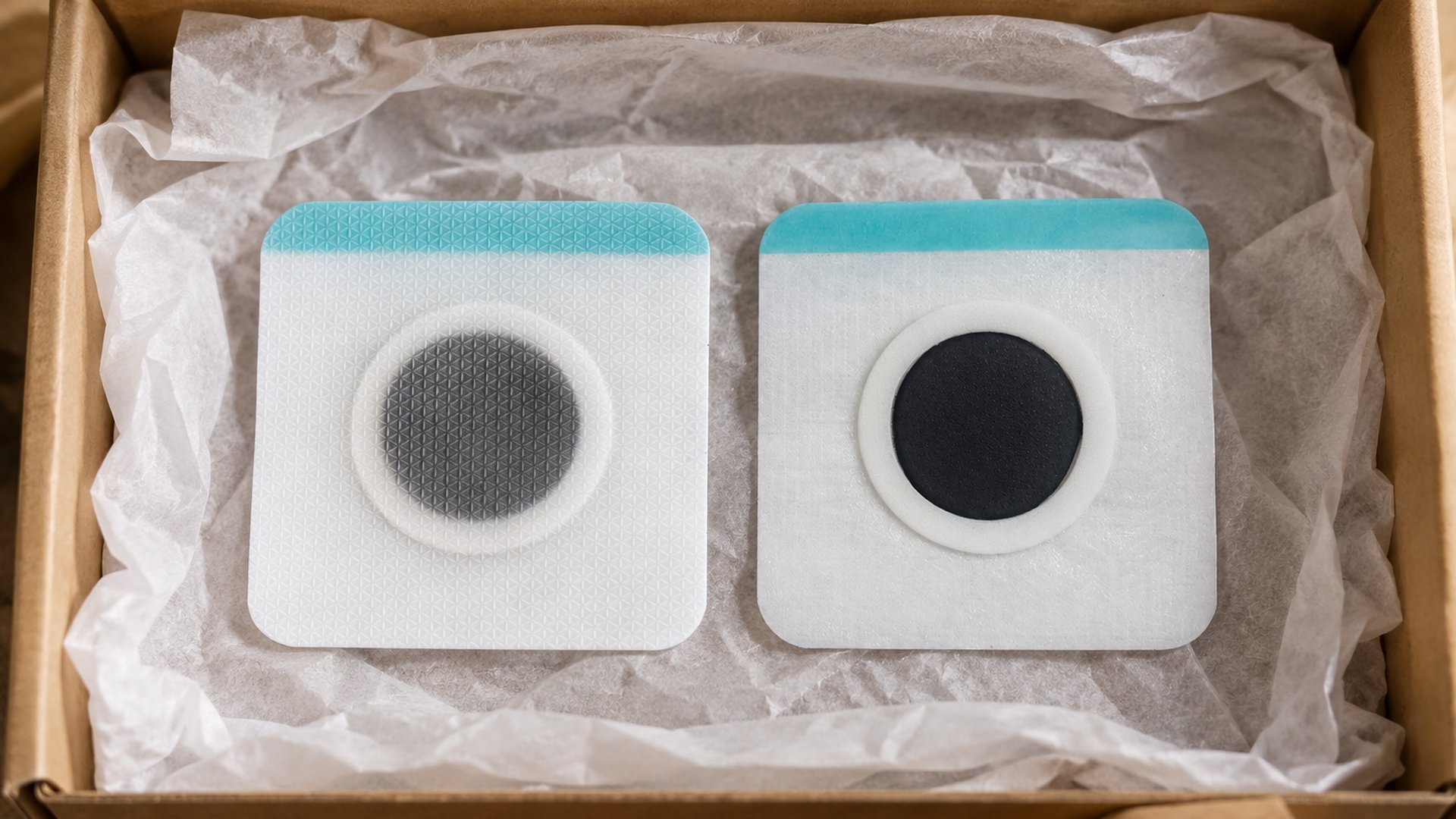
For readers comparing retail patch brands and curious about how the products behind them are made, the relevant background is that hydrocolloid and microneedle patches are produced on converting lines that laminate several layers, die-cut shapes, and (for microneedle formats) mold or print dissolving tips. If you are evaluating private-label or OEM options for a retail line, an existing reference page for one such contract manufacturer is available at Hanmeng Bio-Tech's pimple patch OEM page. Treat any MOQ, lead-time, or specification figures shown there as a typical supplier target to be confirmed against the supplier's validated specification sheet for your region, rather than as a fixed industry standard.
CATEGORIES
LATEST NEWS
- Sinew-Bone Pain-Bi Patch Private Label Manufacturer Supply Agreements
- What Hand Mask Custom Packaging Supplier Quotes Overlook
- Kids Herbal Foot Patch Contract Manufacturer: Safety Specifications First
- Mugwort Steam Eye Mask Private Label Manufacturer Readiness Check
- Mugwort Essential Oil Custom Formula Supplier: Formulation Approval Milestones
CONTACT US
QQ: 396269538
Phone: 17796669065
Tel: 17796669065
Email: 396269538
Add: Room 001, 1st Floor, Building 1, Zhengzhou Hangmei International Smart City, Intersection of S102 and Nanquan Road, Xuedian Town, Xinzheng City, Zhengzhou, Henan Province, China