Industry news
cost tens unit patches: how to compare electrode pads without overspending
Industry news 2026-08-07 09:30:03 96 views admin
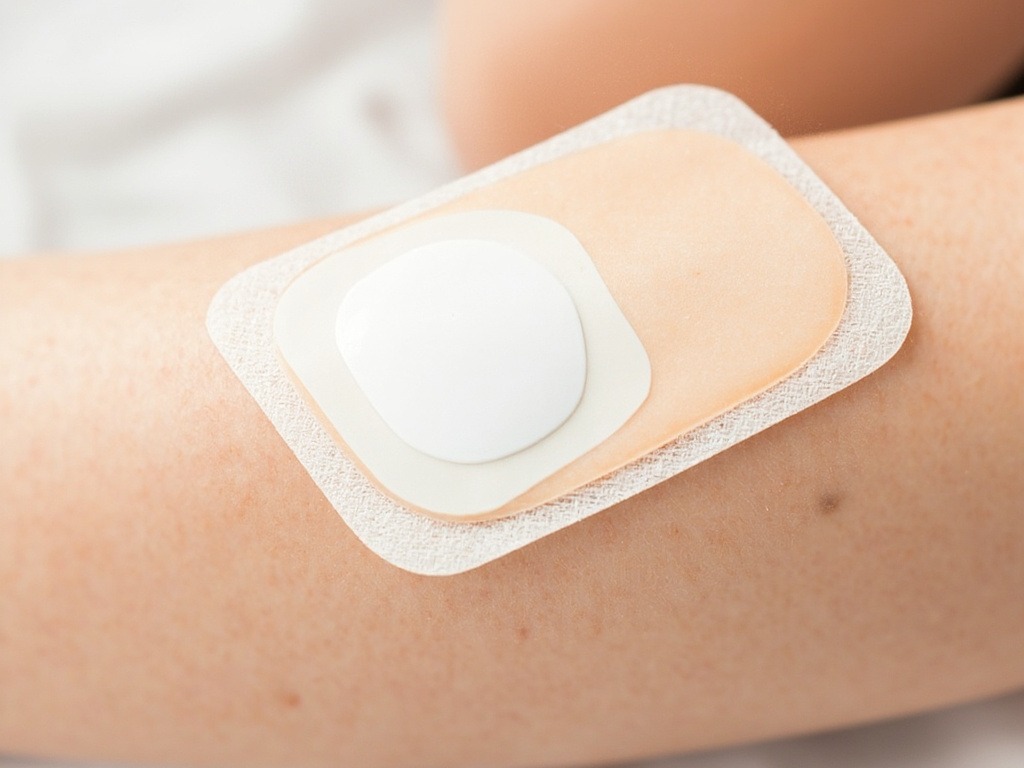
Best for: first-time TENS or EMS buyers, people replacing pads that lost stickiness, chronic-pain self-treaters comparing gel types, and budget shoppers weighing reusable vs disposable electrode sets.
What you're actually buying when you buy electrode pads
Most pads sold for home TENS and EMS units are self-adhesive hydrogel electrodes. The hydrogel layer is the part that fails first: it loses water, picks up lint, and stops conducting evenly across its surface. The carbon film behind it and the connector at the corner are the other two parts that determine whether a pad survives 20 sessions or dies at session 6. For a home user, the lifetime cost of running a TENS unit comes down to the per-session price of those pads, which is why "cost tens unit patches" is really a question about hydrogel chemistry and connector type, not about the device itself.
Two pad families dominate the consumer market. Reusable snap-on pads (often 4×4 cm to 5×10 cm rectangles, sometimes round 2-inch discs) have a small metal stud — usually a 3.5 mm or 3.9 mm pin-style snap — that clicks into the lead wire. Reusable pin-connector pads use a small female socket the lead wire plugs into directly. Both work with the vast majority of home TENS and EMS machines; the difference is mechanical convenience and price per pack.
Pad types, connectors, and what each one costs per session
The table below is a buying guide, not a product datasheet. Treat the right-hand column as a typical supplier target you can ask a vendor to confirm against an actual spec sheet before you commit to a large pack.
| Pad type | Connector | Typical supplier target | Validated specification |
|---|---|---|---|
| Self-adhesive hydrogel, rectangular | 3.9 mm snap stud | 40×40 mm to 50×100 mm, 1.5–2.5 mm thick | Conforms to skin under gentle finger pressure; no separate gel required |
| Self-adhesive hydrogel, round | 3.5 mm snap stud | 40–50 mm diameter | Useful for trigger points and small muscle knots |
| Self-adhesive hydrogel, large back pad | 3.9 mm snap with reinforced eyelet | 80×130 mm or larger | Reinforced eyelet reduces tearing at the connector after 15+ uses |
| Pin-connector (female socket) | 2 mm pin lead wire | Compatible with most EU-spec TENS leads | No stud on the pad; lead plugs in directly |
Snap connectors are interchangeable across brands as long as the stud diameter matches. Pin-connector pads are cheaper to manufacture but the lead wire is pad-specific, so losing the wire usually means buying a new pair of pads.
Re-use cycles and gel care: where the real cost lives
Hydrogel pads are re-use products, but only if you treat the gel right. Skin oils, dead cells, and ambient dust all clog the hydrogel surface and create hot spots — small high-current zones that sting and accelerate pad death. A reasonable working target for a home user is 20–40 uses per pad when the gel is kept clean and the pad is stored on its plastic backing between sessions. Cheaper pads often drop to 6–12 uses once the gel starts to dry out around the edges.
After each session, dab the gel surface with a single drop of water — never alcohol, never soap — and let it air-dry sticky-side up on the backing sheet. If the pad stops lifting cleanly off the skin, or if you can see a dry crescent around the edge, the hydrogel is exhausted and replacement is overdue.
Skin prep rules that double pad life
The cheapest way to cut the cost per session is to prep the skin properly. Three rules cover almost every case.
- Wipe the area with plain water or an alcohol-free skin wipe, then wait 60 seconds for the skin to dry before applying the pad.
- Shave dense hair under the electrode rather than pulling the pad through it. Hair breaks the gel surface.
- Apply pads to clean, unbroken skin — no lotions, no oils, no broken or irritated areas, and never across the chest in a way that places electrodes on both sides of the heart at once.
When to replace a pad: three clear signals
Replace the electrode when any of these become visible.
- The gel surface no longer flattens back onto the backing sheet after you peel it off — it stays dimpled or curled.
- You feel a sharp sting or "zap" at the edge of the pad during stimulation. That is the current finding the only still-conductive patch of gel.
- The carbon layer or snap connector lifts away from the foam backing, even by a millimetre. Once the connector moves, contact resistance rises and the device will throw a "pad off" error.
Three common mistakes home users make with pads
First, stretching the pad during application. The hydrogel is meant to lie flat; pulling it elongates the gel and creates thin spots that sting and tear early. Second, leaving pads on the body after a session while the unit is off. The hydrogel continues to absorb skin moisture, which shortens its life and irritates the epidermis on the next application. Third, stacking two pads on top of each other to "boost" intensity. Stacked pads don't increase effective current; they just trap heat and can blister the skin between layers.
Comparing pad value across pack sizes
The cheapest pack on the shelf is rarely the cheapest per session. Multipacks of 40 or 100 pads are common in the consumer market, and the price-per-pad typically drops by 40–60% compared with a 4-pack. The catch is shelf life: hydrogel gradually dries even in unopened packaging, so a 100-pack bought on impulse can lose half its usable gel in 18 months if stored in a hot bathroom. If you use pads only for occasional flare-ups, the 20–40 pack size usually wins on cost per usable session.
| Pack size | Typical supplier target | Best-fit user profile |
|---|---|---|
| 4 pads | Trial size; one to two weeks of daily use | First-time buyers testing a new pad type |
| 20–40 pads | Lowest unit cost without long storage risk | Weekly users with consistent routines |
| 100+ pads | Bulk pricing, but watch storage temperature | Daily users or multi-person households |
Boundary conditions and safety
TENS and EMS pads are not medical devices in every jurisdiction, and the line between a consumer accessory and a regulated electrode varies by country. For any pre-existing cardiac condition, implanted electronic device, pregnancy, or skin condition, follow the guidance of your clinician rather than the pad supplier. Do not apply pads over the carotid sinus, across the chest so current crosses the heart, or on broken or numb skin. If you cannot feel the stimulation clearly — for example after regional anaesthesia — turn the unit off and remove the pads; the standard safety rule is that the user must be able to perceive the current to dose it safely. Anyone using TENS for pain relief alongside other treatments should note that electrode placement can interact with underlying conditions, and a quick check with a physiotherapist is often worth more than an extra pack of pads.
Buyer checklist before you order the next pack
Match the connector first. A snap-style stud at 3.5 mm or 3.9 mm is the consumer norm; pin-connector pads need matching leads. Then check the gel description: "pre-gelled" or "self-adhesive" means the hydrogel is built in and no separate gel is required. Confirm the pad size matches the body area — small round discs for trigger points, large rectangles for the lower back or quadriceps. Finally, look for a stated re-use count on the packaging; a 30+ use claim from a vendor is a reasonable quality signal for hydrogel pads at the consumer price point. If a supplier claims longer re-use, ask for the underlying test method rather than trusting the headline number.
Frequently asked questions about TENS pad cost
How long should a reusable TENS pad last? A well-cared-for reusable pad typically reaches 20–40 sessions before the gel degrades noticeably. Heavy daily use in a hot climate cuts that figure; occasional use can stretch it further.
Do more expensive pads perform better? Not always. The cost driver is usually the hydrogel formulation and the connector reinforcement, not the brand. A mid-priced pad with a reinforced eyelet and a stable hydrogel usually outlasts a premium pad with a thin carbon film.
Can I use alcohol to clean the gel? No. Alcohol strips the hydrogel and shortens pad life dramatically. A single drop of water on a fingertip is enough.
For buyers comparing electrode pad options at the consumer level, the decision rule is simple: match the connector, match the body area, and judge the pack by cost per usable session rather than price per pad. Manufacturers that supply the underlying hydrogel and offer consistent snap or pin specifications can support both small trial orders and larger consumer volumes; see one such capability overview at Henan Hanmeng Bio-Tech pharmaceutical patch OEM for context on transdermal and electrode-related OEM manufacturing, and check the applicable local requirements for any regulated use.
CATEGORIES
LATEST NEWS
- Sinew-Bone Pain-Bi Patch Private Label Manufacturer Supply Agreements
- What Hand Mask Custom Packaging Supplier Quotes Overlook
- Kids Herbal Foot Patch Contract Manufacturer: Safety Specifications First
- Mugwort Steam Eye Mask Private Label Manufacturer Readiness Check
- Mugwort Essential Oil Custom Formula Supplier: Formulation Approval Milestones
CONTACT US
QQ: 396269538
Phone: 17796669065
Tel: 17796669065
Email: 396269538
Add: Room 001, 1st Floor, Building 1, Zhengzhou Hangmei International Smart City, Intersection of S102 and Nanquan Road, Xuedian Town, Xinzheng City, Zhengzhou, Henan Province, China