Industry news
how to use warmer patch
Industry news 2026-08-05 10:00:45 117 views admin
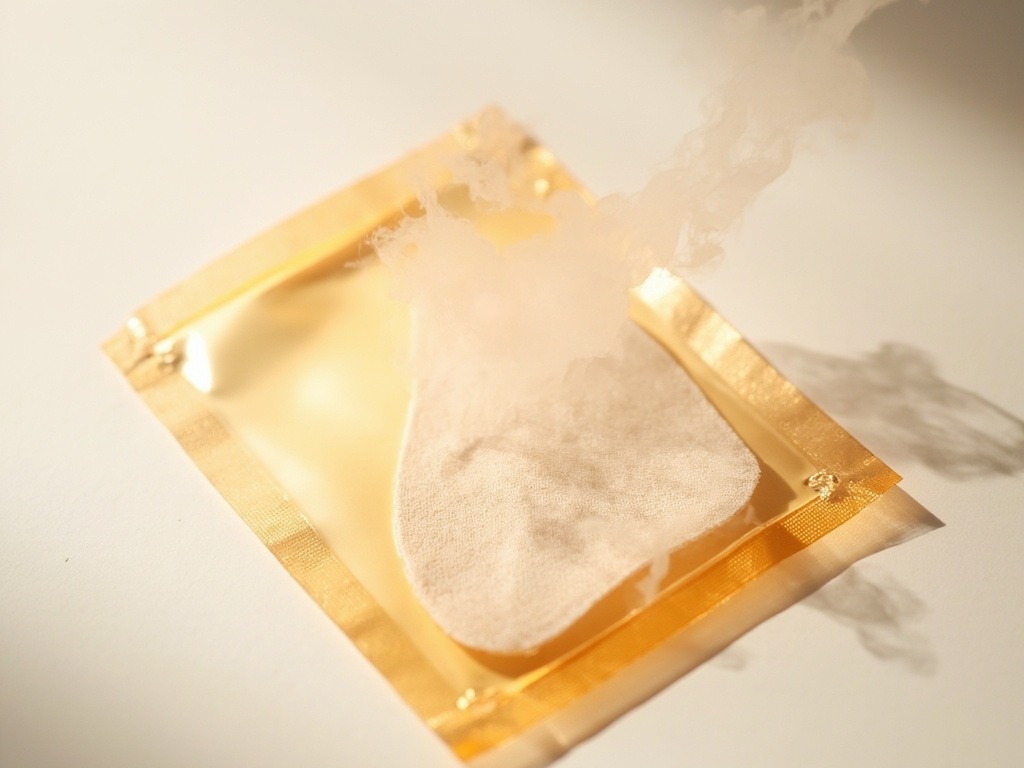
A warmer patch is a single-use or reusable skin-applied product that delivers gentle warmth to muscles and joints. For a buyer choosing between iron-powder heat patches, microwavable wraps, and menthol patches, the practical decision comes down to where the discomfort sits, how long the heat needs to last, and whether you want a drug-free warmth or a counter-irritant sensation. Iron-powder patches use ambient-air oxidation to hit around 40°C (104°F) and stay warm for 6–12 hours; microwavable wraps hit a higher peak temperature for 20–40 minutes per session; menthol patches feel cool before they feel warm and are worn for shorter windows.
Best for: office workers with neck and shoulder stiffness, runners and gym users with delayed-onset muscle soreness, caregivers buying for older relatives with chronic joint stiffness, anyone comparing formats before their first purchase.
Where heat actually helps, and where it does not
Heat is most useful for subacute or chronic muscle tension — the kind of background tightness that builds across a desk day or settles into the lower back after gardening. It relaxes the superficial fascia, raises local blood flow, and lowers the stretch reflex in tight bands of muscle. It is the wrong tool for the first 48–72 hours of an acute soft-tissue injury, when the tissue is still actively bleeding internally and swelling is rising; in that window, cold is the safer call.
A useful boundary rule: if pressing on the sore spot reproduces the ache exactly, and the area feels warmer than the skin around it, stay with cold. If pressing does not reproduce a sharp local pain and the muscle just feels "stuck" or stiff, heat is the better opening move.
What "warmer patch" actually means in 2025
The label covers three quite different chemistries. Knowing which is which is half of choosing well.
Iron-powder (air-activated) heat patches. A sealed sachet contains iron powder, salt, water, activated carbon, and wood pulp. Once the packet is opened, oxygen enters and triggers oxidation of the iron. The reaction is exothermic — energy leaves as heat — and the surface temperature on the skin side is engineered to sit in a comfortable band centered on 40°C. Wear time on a single patch is roughly 6 to 12 hours depending on air exposure, fit, and ambient temperature.
Microwavable wraps. These are fabric pouches filled with wheat, clay beads, or a gel core. A short microwave cycle (commonly 60–90 seconds at full power for a neck-sized wrap) brings the core to a peak of around 50–60°C. The warmth fades over 20 to 40 minutes. They are reusable, washable, and rely entirely on stored sensible heat.
Menthol patches and "warming" gels. Menthol, camphor, or capsaicin activates the skin's thermoreceptors without raising skin temperature much at all. The sensation is cool at first, then a diffuse warmth. Wear windows are shorter — usually 4 to 8 hours — because the active ingredients are absorbed into the epidermis and the effect plateaus.
Format comparison at a glance
| Format | How it warms | Target skin temp | Typical wear time | Reusable? | Best suited for |
|---|---|---|---|---|---|
| Iron-powder patch | Oxidation of iron powder in air | ~40°C (104°F) | 6–12 hours | Single use | All-day wear at the office or during travel |
| Microwavable wrap | Sensible heat stored in fabric/gel core | ~50–60°C peak | 20–40 minutes | Yes (50+ cycles typical) | Short targeted sessions at home |
| Menthol / capsaicin patch | Thermoreceptor activation on skin | Skin temp barely rises | 4–8 hours | Single use | Users who dislike bulk or want a low-heat feel |
| Reusable electric heating pad | Resistive element, mains or battery | User-set, usually 38–55°C | Unlimited while powered | Yes | Stationary recovery at a desk or in bed |
A step-by-step first-use for an iron-powder patch
Because iron-powder patches are the format most buyers underestimate, here is the order that gives the cleanest first session.
- Open the sachet just before applying. Once the seal is broken, oxidation begins immediately and the clock starts. Leaving a patch on the counter for an hour before wearing it costs you roughly an hour of useful wear.
- Dry the skin and clip hair flat. Moisture conducts heat away and cools the patch from underneath; thick body hair traps air pockets that turn into localized hot spots.
- Place it over the muscle belly, not the joint crease. A patch across the back of the shoulder warms the trapezius. A patch slid into the bend of the elbow mostly warms the air between skin and fabric.
- Press and hold for 30 seconds. Adhesive needs skin contact warmth to set; a short press improves bond and reduces the lift you get at the shoulder blade.
- Do not re-warm a patch in the microwave. The iron is already spent, and the metal sachet can scorch or rupture.
If the patch feels uncomfortably hot at any point — not the gentle warmth you expected, but a real sting — remove it. A faint pink flush on removal is normal; raised welts are not.
Cold vs heat: a quick decision rule
Cold wins for the first 48 to 72 hours after a fresh strain, sprain, or bruise. It narrows superficial blood vessels, slows swelling, and dulls the sharp local pain that pressure reproduces. Heat wins after that window, for stiffness that does not have a sharp focal point, and for chronic tension that returns every morning regardless of what you did the day before.
A practical shortcut: if you cannot remember whether to reach for ice or heat, ask yourself whether the sore area feels warm to the touch compared with the surrounding skin. Warm to the touch means inflammation is still active, so stay with cold until that warmth fades. The same shortcut works in reverse: if the area is cooler than the skin around it and feels tight rather than tender, heat will usually do more.
Limitations and safety
Heat is a comfort intervention, not a treatment for tissue damage or a substitute for diagnosis. The following situations call for medical input before you apply any warming product:
- Open wounds, broken skin, or active rash. Adhesive-backed patches irritate compromised skin, and the heat can amplify an existing dermatitis.
- Suspected deep-vein thrombosis. Warming a limb with a clot behind it can worsen swelling. Pain, swelling, and warmth confined to one calf need an urgent assessment.
- Impaired sensation. Diabetes-related neuropathy and some post-stroke sensory changes remove the warning sting of "too hot." Burns can develop under a patch the wearer cannot feel.
- Pregnancy and the abdominal area. Core-temperature elevation has documented links to neural-tube risks in the first trimester; the conservative stance is to keep warming products away from the torso until the relevant guidance is checked.
- Children and older adults. Thinner skin and slower response times change the safe wear window. Use the shortest labeled duration first.
Stop use immediately if the skin shows blanching, raised welts, or persistent redness beyond an hour. None of the formats above should cause a chemical burn; if one does, the patch was either damaged before use or misapplied.
A short buyer's checklist before you commit
Before adding a product to a cart — especially when buying in any quantity for family or for a small clinic — five quick checks cut most of the regret:
- Skin-side temperature. Look for a target around 40°C (104°F). Lower feels weak; higher than the mid-40s Celsius raises burn risk on a sleeping user.
- Wear-time claim vs realistic session. "Up to 12 hours" is a marketing ceiling. Real-world wear is often 60–80% of that, depending on clothing and fit.
- Adhesive tolerance. Sensitive skin responds badly to acrylate-heavy adhesives. A hypoallergenic variant is worth the modest price premium if any user has eczema or a history of contact reactions.
- Odor. Iron-powder patches can carry a faint metallic smell as oxidation advances. Menthol patches carry a stronger, more obvious scent. If either will be worn during meetings, choose accordingly.
- Disposal. Patches contain iron and salts. They are not household recyclable; they go in general waste after cooling. Reusable wraps need a sleeve or pouch to keep the core dry between sessions.
Choosing between the three main formats
Match the format to the situation, not to the marketing. Iron-powder suits long, passive wear days — a desk shift, a long-haul flight, a night with a stiff lower back. Microwavable wraps suit short, deliberate recovery sessions — a warm-up before a run, a wind-down before sleep, a 20-minute release at the end of a work block. Menthol patches suit users who want warmth without weight, who dislike the visible shape of a patch under clothing, or who prefer the cooling-to-warming arc of a counter-irritant.
For mixed households, the most flexible starter kit is one box of iron-powder patches for daytime wear and a single microwavable wrap for short targeted sessions. That combination covers roughly 80% of consumer use cases without redundancy.
Where this category is going
Two slow trends are reshaping the shelf. The first is a drift toward thinner iron-powder sachets that conform better to shoulder blades and knees, where bulk has always been the complaint. The second is hybrid products that pair a low-dose iron-powder core with a menthol or capsaicin skin layer, promising the long wear of an oxidation patch with the faster onset of a counter-irritant. Buyers do not need to chase either trend — both deliver only modest gains over a well-chosen traditional patch — but it helps to know what new SKUs actually offer.
About the manufacturer behind this guide
The general background on transdermal warming formats, OEM/ODM options, and the differences between iron-powder, gel-core, and menthol chemistries is drawn from a working manufacturer with a transdermal patch line. For readers interested in private-label or OEM supply, the manufacturer's background and contact points are listed at Han's pharmaceutical patch OEM information. Specifications, lead times, and minimum order quantities for any specific product should be confirmed directly with the supplier; this article does not assume any particular certifier, regulator, or clinical endorsement and recommends checking the applicable local requirements before relying on format claims in a clinical setting.
CATEGORIES
LATEST NEWS
- Sinew-Bone Pain-Bi Patch Private Label Manufacturer Supply Agreements
- What Hand Mask Custom Packaging Supplier Quotes Overlook
- Kids Herbal Foot Patch Contract Manufacturer: Safety Specifications First
- Mugwort Steam Eye Mask Private Label Manufacturer Readiness Check
- Mugwort Essential Oil Custom Formula Supplier: Formulation Approval Milestones
CONTACT US
QQ: 396269538
Phone: 17796669065
Tel: 17796669065
Email: 396269538
Add: Room 001, 1st Floor, Building 1, Zhengzhou Hangmei International Smart City, Intersection of S102 and Nanquan Road, Xuedian Town, Xinzheng City, Zhengzhou, Henan Province, China