Industry news
cooling eye mask patches for pain medication
Industry news 2026-08-06 09:00:11 119 views admin
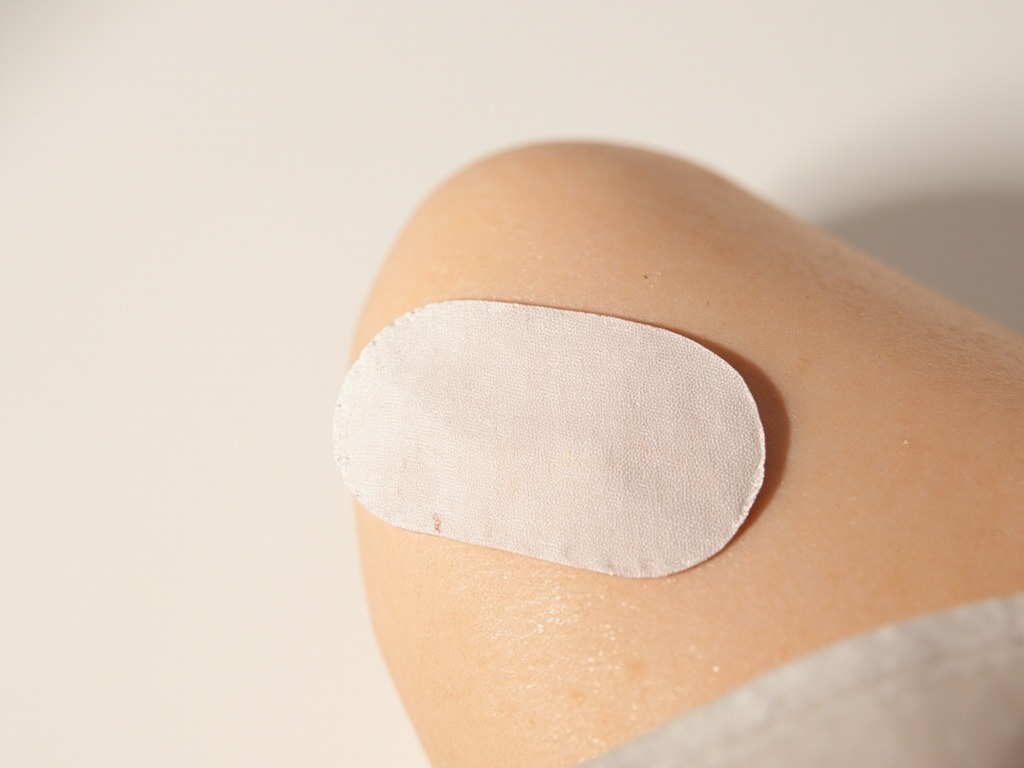
Best for: office workers with screen fatigue, long-haul travelers, shift workers recovering sleep debt, contact lens wearers with dry eyes, post-cosmetic-procedure patients needing gentle cooling, anyone buying over-the-counter relief for tension headaches around the temples and orbital rim.
Cooling eye mask patches sit between two older categories of consumer product and one newer hydrogel format. Steam-activated eye masks warm to roughly 40°C and stay there for about 10 minutes before losing thermal mass. Reusable cooling gel masks stay at 2 to 8°C when pulled from a fridge and feel cold for 20 to 30 minutes. Single-use hydrogel patches arrive at room temperature, hydrate the periorbital skin for 15 to 20 minutes, and rely on evaporation rather than temperature for their subjective soothing effect. None of them are pain medication, and none replace an analgesic, but each is sold as a comfort adjunct for the sort of head and eye ache that sends someone to a drugstore shelf in the first place.
Three families in plain language
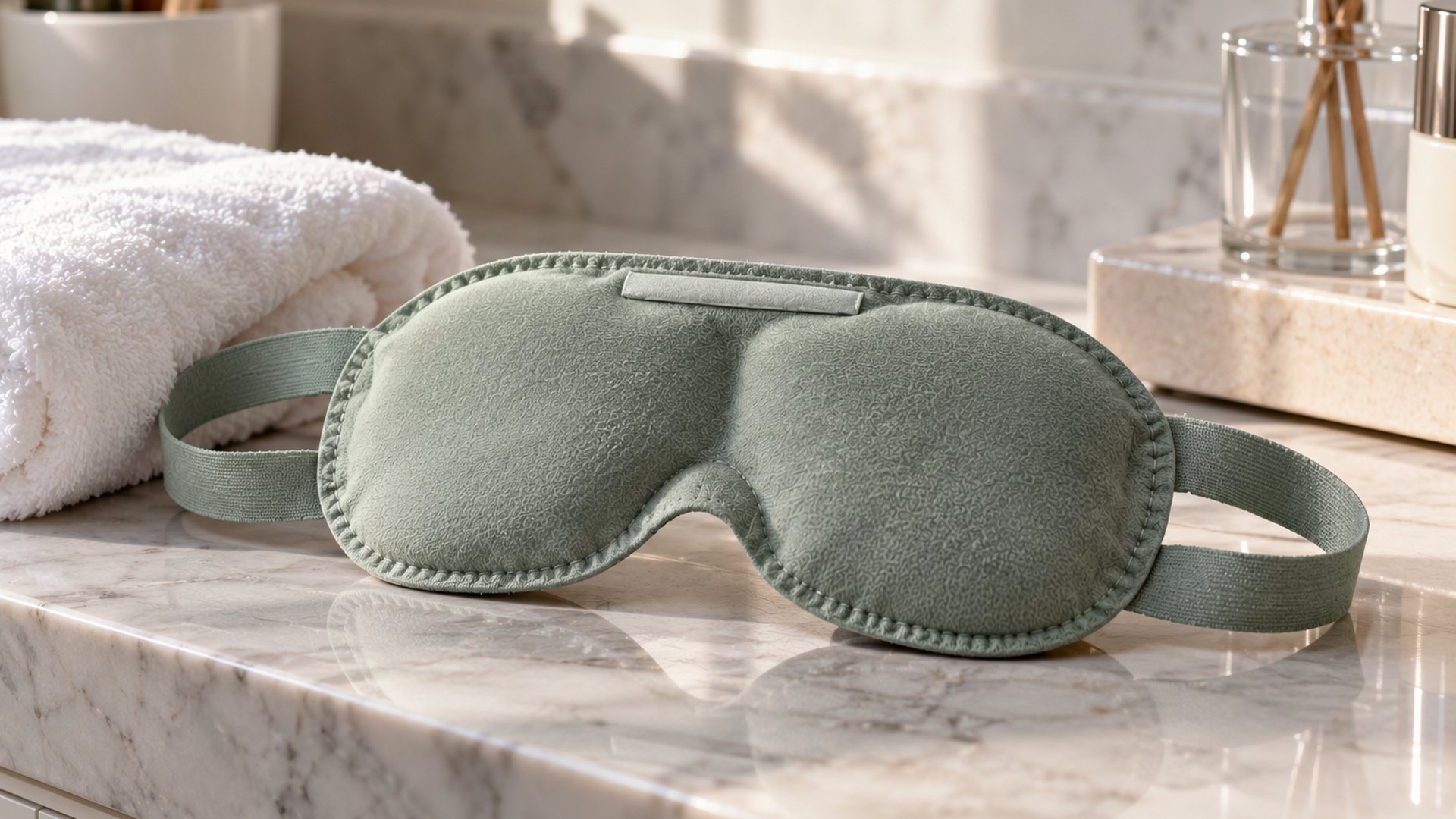
- Steam-heat (air-activated) mask — a thin sachet of iron powder, salt, activated carbon, and water. Open the pouch, the iron oxidizes, the pouch heats up to about 40°C within 30 to 60 seconds, and the warmth lasts roughly 10 minutes. People buy these for tension headache relief, sinus pressure, and the dry-eye sensation that worsens on long flights.
- Reusable cooling gel mask — a silicone or PVC shell filled with a polymer gel that stays pliable when frozen. Pull it from the fridge or freezer, rest it on closed eyes for 10 to 20 minutes, return it to the pouch. Useful after a screen-heavy day, after crying, or as part of a wind-down ritual before sleep.
- Single-use hydrogel patch — a transparent water-and-cellulose or water-and-gelatin film infused with humectants and sometimes fragrance. Applied under the eyes for 15 to 20 minutes, discarded after one use. Common in skincare routines and sold as a travel-friendly, makeup-safe option for puffy mornings.
Which one fits which symptom
Tension headache behind the brow and temple usually responds best to sustained warmth, which relaxes the orbicularis oculi and frontalis muscles and increases local blood flow — that is the steam-heat mask's job. Migraine prodrome with photo-sensitivity is a different problem: many people prefer the cold path because cold constricts superficial vessels and dulls nociceptor firing. Dry, gritty eyes at the end of a workday benefit from anything that boosts humidity and reduces blink rate; a hydrogel patch sits on the lid margin and gently rehydrates the stratum corneum, while a steam mask does the opposite and can aggravate dryness if used for longer than the recommended 10 minutes. Puffy under-eyes from travel or salty food respond to cold more reliably than to warmth; lymphatic drainage is mildly encouraged by the vasoconstriction of a chilled gel mask.
A useful buyer rule is to match the sensation to the symptom in the same direction: heat for muscle tension and sinus pressure, cold for swelling and acute vascular headache, moisture for dryness and post-procedure skin. The three products can be rotated through a week without conflict, but they should not be stacked — heat over a hydrogel patch will cook the humectants into the skin and feel uncomfortable.
Wearing logistics: glasses, makeup, sleep, travel
Glasses wearers should know that any mask with a firm plastic shell will not sit well over spectacle arms. Steam masks and slim hydrogel patches contour to the face and clear the arms; rigid gel masks do not, so they are a desk or bed product rather than a walking-around one. Makeup is the deciding factor for most travelers: hydrogel patches are the only one of the three that can be applied over foundation and concealer without smearing, because they adhere to the skin rather than pressing on it. Steam masks and gel masks must go on bare skin and stay there for the full wearing time, which means removing eye makeup first.
Sleeping in any of them is a misuse. Steam masks lose their warmth in about 10 minutes and then become a damp piece of fabric pressed against the closed lid — not harmful, but pointless. Gel masks warm up to skin temperature within 20 minutes and then act as a warm compress, which is the opposite of what most buyers want. Hydrogel patches dry out, lift at the edges, and can flake fragments into the eye if you fall asleep in them. All three are 10 to 20 minute products, not overnight products.
For air travel, hydrogel patches win on portability: a foil sachet weighs about 8 grams, fits in a passport pocket, and does not need a cooler. Steam masks are allowed in cabin luggage but the iron-powder sachets must be kept sealed until use; once opened, the oxidation clock starts and cannot be paused. Gel masks require a cooler bag or in-flight fridge access and will be confiscated at the security checkpoint if visibly liquid or partially melted, depending on airline rules — check the applicable local requirements before flying with one.
Ingredients worth scanning on the box
Steam masks look almost identical across brands, but the additive list varies. Iron powder is the heat source; salt and water control the oxidation rate; activated carbon spreads the heat evenly. Fragrance is the most common differentiator — a lavender-scented sachet is widely sold and tolerable for most people, but anyone with reactive periorbital skin should pick an unscented version. Hydrogel patches carry a longer ingredient list because the gel itself is a formulation: glycerin and sodium polyacrylate are the moisture reservoir, cellulose or gelatin is the structural polymer, and the remainder is preservative and fragrance. Panthenol, niacinamide, and hyaluronic acid appear in premium versions and have a plausible mechanism for hydrating the epidermis around the eye, though the contact time is short.
Gel masks are chemically simple — mostly water, propylene glycol, and a polyacrylate thickener — but the shell material matters. Medical-grade silicone shells are easier to clean and tolerate repeated freezing; PVC shells are cheaper but crack sooner and can leach plasticizer over time. Anyone with a known silicone or plasticizer sensitivity should confirm the shell material before buying.
Three mistakes that waste money
- Using heat on a swollen eye. After a late flight, a cryotherapy session, or a bout of crying, the under-eye tissue is already vasodilated. A steam mask on top of that will worsen the puff and can prolong bruising around the orbital rim. Reach for the gel mask first, save the steam for the next day.
- Reusing a hydrogel patch. Once removed, the patch has lost its hydration gradient and most of its active water. Reapplying a dried-out patch under the eye can pull moisture out of the stratum corneum by reverse osmosis, leaving the area tighter and more lined than before. Single-use means single-use.
- Putting a frozen gel mask straight onto bare skin. A mask taken directly from a -18°C freezer can briefly frost the thin periorbital skin and leave a red mark. Let it temper on the counter for 3 to 5 minutes, or wrap it in a single layer of thin cotton, before the first use of the day.
Limitations, safety, and who should not self-treat
None of these products are pain medication in the pharmacological sense, and none of them treat the underlying cause of recurring head or eye pain. Persistent headache behind one eye, sudden vision change, new floaters, or pain that wakes a person from sleep are reasons to consult a clinician rather than reach for another mask. Steam masks should not be used on broken skin or over a recent chemical peel, because the 40°C surface temperature is enough to irritate an open epidermis. Gel masks and hydrogel patches are usually safe for contact lens wearers, but lenses should be removed before application; a patch that shifts and touches the cornea can trap debris and abrade the surface. Anyone with a known sensitivity to lavender or other botanical fragrance should pick fragrance-free variants, because the periorbital skin is thin and absorbs topical allergens more readily than the forearm. Pregnant users should check the ingredient list for retinoids or high-strength actives in hydrogel formulations, which are uncommon but appear in some anti-puffiness versions marketed for morning swelling.
A short buyer checklist
Before adding any of these to a cart, decide what sensation the situation calls for: heat for tension, cold for swelling, moisture for dryness. Match the format to the day — slim hydrogel patch for a flight, gel mask for the desk drawer, steam mask for the bedside table. Confirm the contact time matches the available 10 to 20 minutes rather than a full night. Confirm the ingredient list is compatible with contact lenses, recent cosmetic procedures, and any fragrance sensitivity. And keep the expectation realistic: these products manage the discomfort around an ache, they do not treat the ache itself.
About the manufacturer behind this guide
Henan Hanmeng Bio-Tech works with hydrogel patch and skin-contact cooling products as part of its OEM and ODM portfolio, including private-label development of single-use eye patches for consumer brands. Buyers evaluating a private-label partnership can review the company's general capabilities and customization scope at the official manufacturing guide: OEM/ODM manufacturing guide for custom silicone hydrogel patches.
CATEGORIES
LATEST NEWS
- Sinew-Bone Pain-Bi Patch Private Label Manufacturer Supply Agreements
- What Hand Mask Custom Packaging Supplier Quotes Overlook
- Kids Herbal Foot Patch Contract Manufacturer: Safety Specifications First
- Mugwort Steam Eye Mask Private Label Manufacturer Readiness Check
- Mugwort Essential Oil Custom Formula Supplier: Formulation Approval Milestones
CONTACT US
QQ: 396269538
Phone: 17796669065
Tel: 17796669065
Email: 396269538
Add: Room 001, 1st Floor, Building 1, Zhengzhou Hangmei International Smart City, Intersection of S102 and Nanquan Road, Xuedian Town, Xinzheng City, Zhengzhou, Henan Province, China