Industry news
lidocaine patch 5%: How It Compares with Menthol, Capsaicin, and Salicylate Patches
Industry news 2026-08-05 09:30:43 99 views admin
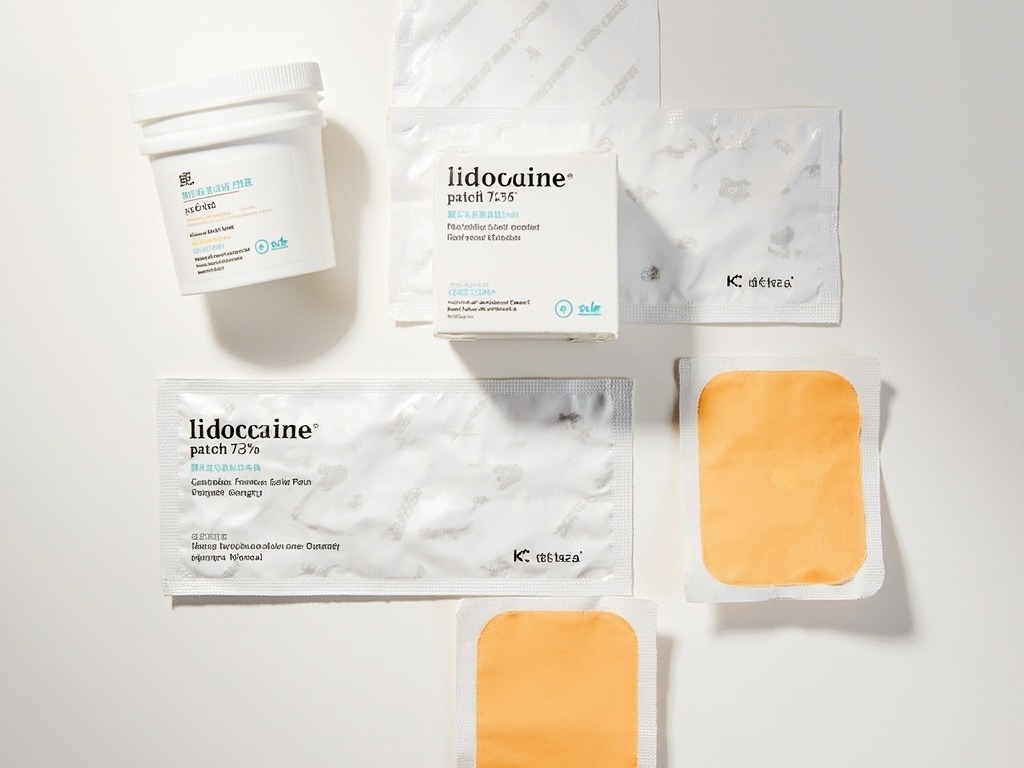
Best for: shoppers comparing topical pain-patch ingredients, adults with a small and clearly located painful area, people who dislike strong cooling or warming sensations
A lidocaine patch 5% is the most sensible option in this group when discomfort feels localized, the skin is intact, and you want numbing rather than a pronounced cooling or heating effect. Menthol and camphor emphasize sensory cooling or warming, capsaicin can feel hot and may require repeated use before its full effect is apparent, while methyl salicylate products are often chosen for sore muscles and joints. No ingredient wins every comparison. The right choice depends on the character and location of the discomfort, your skin sensitivity, other medicines, the label’s wear-time instructions, and whether the affected area is suitable for self-care.
Start with the sensation you want—and the one you cannot tolerate
Patch labels can look similar even when the experience on skin is very different. A practical first decision is not “Which ingredient is strongest?” but “Do I want numbness, cooling, warmth, or a counterirritant sensation?” That question quickly separates lidocaine from the other common options.
Lidocaine is a local anesthetic. Applied to intact skin, it reduces nerve signaling near the application site and may make a small painful area feel less sensitive. A 5% label describes the concentration in the product; it does not mean that five percent reaches deeper tissue, nor does it predict how much relief one person will feel.
Menthol activates cold-sensitive receptors and produces a cooling sensation. Camphor may contribute cooling or warming sensations depending on concentration and formulation. Capsaicin activates heat-sensitive pathways and can cause marked burning or warmth, especially during early applications. Methyl salicylate is a salicylate counterirritant commonly used in products marketed for temporary relief around muscles and joints.
Use this decision rule: choose by sensory mechanism first, pain location second, safety restrictions third. If a strong cooling rub has bothered you before, a menthol-heavy patch is a poor experiment. If heat is unacceptable, capsaicin moves down the list. If you want less surface sensation rather than more, lidocaine deserves closer consideration.
The quiet option: what 5% lidocaine does differently
A lidocaine patch does not need to feel icy or hot to be doing anything. That relative lack of dramatic sensation is one reason shoppers choose it. It may suit a discrete area where clothing contact or light touch feels uncomfortable, but a consumer cannot reliably identify the cause of pain from that feature alone.
The “5%” measurement matters, yet it is only one part of the product. Patch size, drug distribution, adhesive, backing film, release behavior, application area, wear duration, and skin condition all affect use. Two products carrying the same percentage may have different directions and must not be treated as interchangeable without reading their labels.
Do not assume that a higher printed percentage guarantees better relief. More is not automatically better, and applying extra patches can increase exposure. Follow the maximum number of patches, placement instructions, and hours-on/hours-off schedule printed on the specific package or supplied by a clinician. Remove the patch on time rather than waiting for the adhesive to fail.
Comfort also matters. A patch that curls, traps sweat, or causes itching is unlikely to be used correctly. Before committing to a larger package, check the patch dimensions and whether the label permits cutting. Cutting can alter delivery or expose the adhesive matrix, and permission for one product does not transfer to another.
Menthol and camphor: fast sensory feedback, different trade-offs
Menthol patches are easy to recognize because cooling begins near the skin surface. That immediate feedback can be reassuring, although intensity is not proof of greater pain relief. The cold sensation may distract from discomfort and can feel pleasant after activity, but some people find it sharp, irritating, or overpowering under clothing.
Camphor is sometimes combined with menthol or other counterirritants. It can add a distinctive smell and a changing cool-to-warm experience. Combination formulas should be judged as complete products; adding up ingredient impressions from separate products does not predict how the finished patch will feel.
These patches may appeal to someone seeking short-term sensory relief around a tired muscle or stiff-feeling joint. They are less attractive when fragrance is a concern, when the user dislikes noticeable temperature sensations, or when adhesive irritation has occurred before. Avoid adding a heating pad, hot-water bottle, electric blanket, or tight occlusive covering unless the product label explicitly permits it. External heat can change skin exposure and increase the risk of irritation or burns.
Wash hands after handling a counterirritant patch. Keep residue away from eyes, lips, nostrils, and other mucous membranes. “Cooling” does not mean the skin temperature has fallen enough to protect it from heat, so sensory impressions should never replace ordinary burn precautions.
Capsaicin: a warming choice that rewards careful handling
Capsaicin comes from chili peppers and interacts with the receptor known as TRPV1. The first applications can produce warmth, stinging, or burning. That response makes capsaicin fundamentally different from lidocaine’s numbing approach and from menthol’s cooling signal.
This ingredient may suit a shopper who accepts an initial hot sensation and is prepared to follow a repeated-use schedule when the label calls for one. It is a poor match for someone who expects immediate numbness, plans to use the patch immediately before a hot shower, or knows that warming topical products are intolerable.
Handling discipline matters. Capsaicin residue transferred from fingers to an eye can be intensely painful. Apply and remove the product exactly as directed, dispose of it where children and pets cannot reach it, and clean your hands according to the label. Do not put capsaicin on scraped, inflamed, infected, or freshly shaved skin.
More burning is not evidence of better performance. Severe pain, blistering, marked swelling, or a reaction that continues to worsen after removal calls for prompt professional advice. A shopper who wants to “test” capsaicin should not stack it with a warming rub or heat source; that changes the exposure rather than providing a fair comparison.
Methyl salicylate: check the medicine cabinet before choosing
Methyl salicylate is often found in counterirritant products aimed at muscle and joint discomfort. It may appear alone or alongside menthol and camphor. Its familiar warming or cooling impression can make it seem like a simple cosmetic ingredient, but it belongs to the salicylate family and deserves a medication-safety check.
Read both the active-ingredient panel and warnings. People with salicylate or aspirin sensitivity, those taking anticoagulants, and those with relevant bleeding, kidney, pregnancy, or medication concerns should ask a pharmacist or clinician before use. The exact precautions depend on the formulation and the person’s health history; checking the applicable local label is safer than assuming all salicylate patches carry identical directions.
Do not combine a methyl salicylate patch with a salicylate-containing cream on the same area. Large treatment areas, damaged skin, heat, tight wrapping, and excessive duration can all make topical exposure less predictable. A product sold without a prescription still has dose limits.
For shoppers who mainly describe post-activity muscle soreness, a salicylate counterirritant may look more intuitive than lidocaine. For a very small spot where numbness is preferred and salicylate precautions are relevant, lidocaine may be easier to consider—provided its own warnings and use limits are acceptable.
A side-by-side decision matrix
The matrix below compares the ingredients by user experience and practical boundaries rather than ranking them. Formulations vary, so the package directions remain decisive.
| Ingredient | Main user-perceived effect | May fit when | Common reasons to reconsider | Label details to compare |
|---|---|---|---|---|
| Lidocaine | Localized numbing with little or no cooling/heat signal | The target is small, clearly located, and covered by intact skin | Local-anesthetic allergy, broken skin, unclear pain cause, or temptation to use extra patches | Concentration, patch count, dimensions, wear time, cutting instructions |
| Menthol | Cooling and tingling | You value quick sensory feedback and tolerate fragrance or cold sensation | Cooling feels painful, scent is disruptive, or skin is reactive | Active concentration, combined ingredients, duration, heat warning |
| Camphor | Cooling, warming, or shifting counterirritant sensation | You already know camphor-containing topical products feel comfortable | Strong odor, irritation, accidental exposure risk, or use near sensitive areas | Combination formula, age restrictions, application limits, disposal |
| Capsaicin | Pronounced warmth, stinging, or burning | You accept the sensation and can follow the stated application schedule carefully | Heat intolerance, sensitive skin, eye-transfer risk, or desire for immediate numbness | Strength, frequency, hand-cleaning directions, heat and bathing cautions |
| Methyl salicylate | Counterirritant warmth or cooling, often in combination formulas | The product’s muscle-or-joint use directions match the intended area | Salicylate sensitivity, interacting medicines, excessive application, or damaged skin | Other active ingredients, dose limits, medicine warnings, application area |
A useful tie-breaker is the least-complex acceptable formula. If two patches fit equally well, the one with fewer active ingredients can make it easier to identify the cause of irritation and avoid duplicate ingredients elsewhere in your routine. This is not a claim that single-ingredient products work better; it is a troubleshooting advantage.
Skin comfort is part of product performance
Patch reactions do not always come from the named pain-relief ingredient. Acrylic or rubber-based adhesive systems, fragrance components, edge friction, sweat, and long contact can contribute to redness or itching. A reaction shaped exactly like the patch can still have several possible causes.
Apply any patch only to clean, dry, intact skin unless its label says otherwise. Avoid lotion or oil beneath it, because those products can weaken adhesion and change contact with the skin. Rotate placement within the permitted treatment area rather than repeatedly covering the identical outline.
A faint temporary mark after removal is different from escalating redness, hives, blistering, spreading rash, or facial swelling. Remove the patch if the label directs you to stop for irritation. Urgent symptoms such as breathing difficulty or swelling of the mouth or throat require emergency help.
For reactive skin, compare the whole construction: backing breathability, adhesive coverage, fragrance, patch dimensions, and stated wear time. A larger patch creates more adhesive contact. Measure the intended site rather than assuming a standard rectangle will fit comfortably around a moving knee, shoulder, or lower back.
Do not “stress test” sensitive skin by wearing several different products at once. One product on one appropriate site gives cleaner information. If irritation appears, note its timing, shape, and duration; that information is more useful to a pharmacist or clinician than saying only that the patch “did not agree” with you.
Before checkout: six questions that prevent a poor match
The front of the box sells a sensation. The back determines whether you can use it safely. Run through this short check before buying:
- What result do I actually want? Choose numbing for reduced local sensation, menthol or camphor for cooling/counterirritation, capsaicin for a warming pathway, or methyl salicylate only after checking salicylate-related cautions.
- Is the area intact and small enough? Do not place these patches on cuts, rashes, infection, sunburn, or recently irritated skin. Confirm that the patch shape suits the site.
- Am I duplicating an active ingredient? Check creams, gels, sprays, and other patches. Brand names can hide repeated lidocaine, menthol, capsaicin, camphor, or methyl salicylate.
- Can I follow the exact wear schedule? Look for permitted hours, maximum patch count, frequency, age limits, and disposal directions. Do not import instructions from another brand.
- Will heat, exercise, bathing, or tight clothing interfere? Plan around showers and sweating, and obey every heat warning. Never improvise with an occlusive wrap to improve adhesion.
- Does the pain cross the self-care boundary? Sudden severe pain, major injury, progressive weakness, numbness, fever, chest pain, breathing difficulty, unexplained swelling, or persistent worsening deserves professional assessment rather than ingredient comparison.
Cost should be compared per usable application, not merely per box. Count the patches, confirm their size, and calculate how many applications match the label. A cheap oversized patch may be wasteful if cutting is prohibited; a smaller patch may be poor value if it cannot cover the intended site.
Limits, interactions, and reasons not to self-treat
Topical patches can reduce systemic exposure compared with swallowing some medicines, but “topical” does not mean risk-free. Active ingredients can pass through skin, and exposure may increase with damaged skin, excessive surface area, too many patches, prolonged wear, external heat, or tight covering.
Do not use lidocaine if you have had a serious reaction to lidocaine or a related local anesthetic unless a qualified clinician has specifically advised otherwise. Ask before use if you have significant liver disease, a heart-rhythm concern, pregnancy or breastfeeding questions, or medicines that may interact. The applicable product label and local requirements govern age restrictions and dose limits.
Salicylate sensitivity and anticoagulant use matter when considering methyl salicylate. Severe skin sensitivity matters with capsaicin, menthol, and camphor. Children and pets may chew, lick, or handle used patches, which can retain active ingredient; fold and discard them exactly as the label instructs.
A patch should not be used to mask symptoms that need evaluation. Seek urgent care for chest pressure, shortness of breath, one-sided weakness, loss of bladder or bowel control, a cold or discolored limb, or pain after a serious injury. Ask a clinician about pain that has no clear cause, repeatedly returns, spreads, disrupts sleep, or continues beyond the self-care period printed on the package.
If a lidocaine patch 5% has been prescribed, follow the prescription directions rather than general retail advice. Do not replace it with a different strength or combination patch simply because the products occupy the same store shelf.
Reading the label without confusing concentration and quality
Concentration is a formulation fact, not a quality score. “5% lidocaine” identifies the stated proportion, while validated performance depends on the finished product’s tested composition, release characteristics, adhesion, stability, packaging, and labeled use. A shopper should not infer any manufacturer’s validated specification from generic industry ranges or from another brand’s package.
Check the active-ingredient panel, inactive ingredients, patch dimensions, quantity, storage conditions, lot and expiry information, warnings, and customer-contact details. If online listing text conflicts with the physical package, pause and ask the seller or pharmacist rather than choosing the more convenient instruction.
For private-label or manufacturing context, Hanmeng provides general information about pharmaceutical patch development and production at its pharmaceutical patch OEM page. That reference does not establish the specifications, legal status, suitability, or performance of any consumer product; those points require the finished product’s validated documentation and the applicable local requirements.

CATEGORIES
LATEST NEWS
- Sinew-Bone Pain-Bi Patch Private Label Manufacturer Supply Agreements
- What Hand Mask Custom Packaging Supplier Quotes Overlook
- Kids Herbal Foot Patch Contract Manufacturer: Safety Specifications First
- Mugwort Steam Eye Mask Private Label Manufacturer Readiness Check
- Mugwort Essential Oil Custom Formula Supplier: Formulation Approval Milestones
CONTACT US
QQ: 396269538
Phone: 17796669065
Tel: 17796669065
Email: 396269538
Add: Room 001, 1st Floor, Building 1, Zhengzhou Hangmei International Smart City, Intersection of S102 and Nanquan Road, Xuedian Town, Xinzheng City, Zhengzhou, Henan Province, China