Industry news
Best Pain Patch for Neck Pain: A Buyer's Guide to Localized Relief
Industry news 2026-08-01 09:02:29 125 views admin
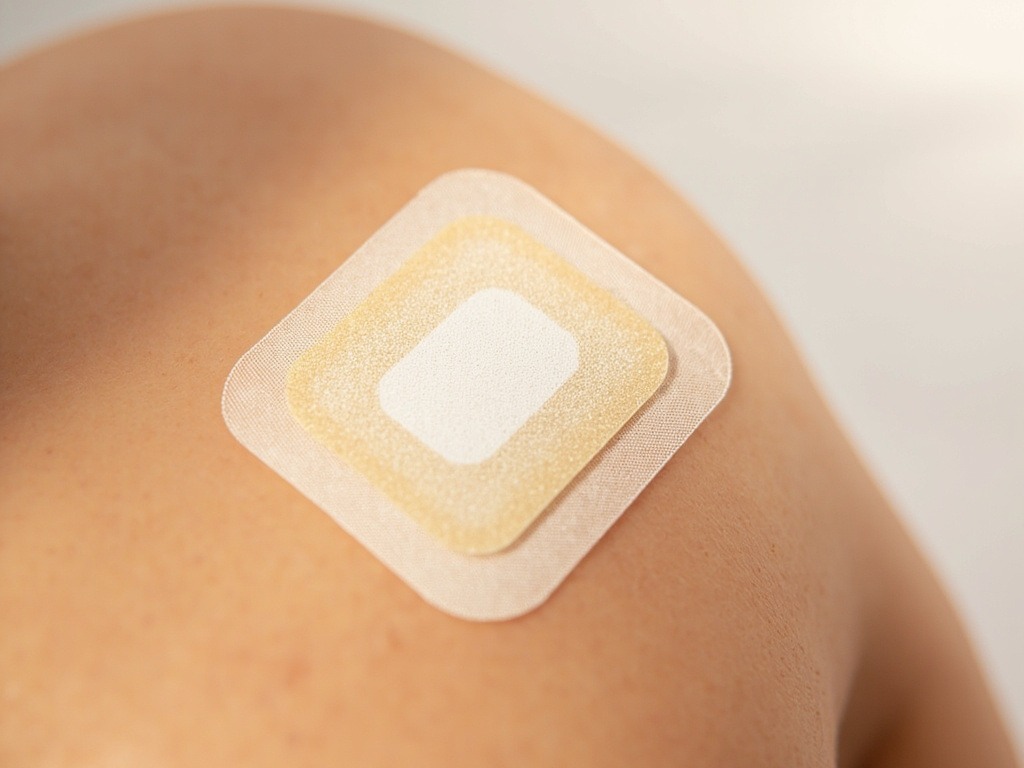
Best for: Adults with stiff or strained neck muscles, office workers with forward-head posture, arthritis sufferers with cervical flare-ups, drivers and travelers who sit for long hours, weightlifters with trapezius soreness, and seniors seeking non-oral options for chronic cervical discomfort.
The best pain patch for neck pain is a thin, breathable, low-odor patch that delivers a warming or cooling sensation for 6–12 hours without restricting head movement. Look for a flexible fabric that stretches with cervical rotation, a drug-free or low-dose menthol/capsaicin formulation, and a strong but skin-friendly adhesive that lifts cleanly after a workday. Avoid large rectangular plasters that bunch at the collar; instead, choose a contoured shape that sits between the C5–C7 vertebrae where most mechanical neck pain originates.
Why Neck Pain Needs a Different Patch Than the Lower Back or Knee
The neck moves more often than any other major body region, completing roughly 600 flexion-extension cycles per waking hour in sedentary work. A patch that works for the lumbar spine or the quadriceps can fail on the cervical region for three physical reasons:
- Surface curvature: The cervical lordosis is concave, so a flat patch lifts at the edges. Patches scored with a center line or made from elastic non-woven fabric conform more reliably.
- Skin sensitivity: The lateral neck dermis is thinner than the back, with higher follicular density. Capsaicin concentrations above 0.075% commonly cause burning erythema here, while the same dose is tolerable on the lumbar paraspinal area.
- Sweat and hair: Hair follicles and sebum reduce adhesive contact time. Patches with a hydrogel matrix or a peripheral frame design outlast occlusive rubber-based adhesives in this zone.
A patch advertised as "for body aches" is not automatically suited to the neck. Match the design to the anatomy first, then to the active ingredient.
How Neck Pain Patches Work: Three Mechanisms Explained
Most over-the-counter neck patches fall into one of three categories, and the right choice depends on whether the pain is muscular, articular, or neuropathic.
Counter-irritant patches (menthol, camphor, methyl salicylate). These create a cooling or warming sensation that overrides pain signals via the gate-control pathway. Effective onset is usually 5–15 minutes, and duration ranges from 4–8 hours per application. The peppermint-derived compound menthol activates TRPM8 cold receptors; camphor stimulates warmth receptors at concentrations of 3–11%. These are well-suited for acute muscle spasm from sleeping in a draft or staring down at a laptop.
Heat-generating patches (iron powder oxidation, capsaicin). Iron-powder air-activated patches can reach surface temperatures of 40–45°C and hold that range for 6–10 hours. Capsaicin patches deplete substance P from peripheral nerve terminals over 24–48 hours of repeated use. Heat patches suit chronic stiffness; capsaicin suits post-herpetic or arthritic neck pain where nerve sensitization plays a role.
Topical NSAID or lidocaine patches. Diclofenac epolamine 1.3% patches and lidocaine 5% patches deliver a measured dose into the epidermis and superficial dermis. The diclofenac patch is restricted to prescription status in some markets and OTC in others; lidocaine 4% patches are widely available OTC. Reserve these for pain with a clear inflammatory or neuropathic component rather than generic soreness.
Patch Type vs. Body Area: Where Each Design Fits Best
| Body area | Best patch design | Why this shape works | Typical wear time |
|---|---|---|---|
| Neck (cervical) | Contoured, scored, or narrow strip with elastic non-woven backing | Conforms to lordotic curve; stretches with rotation | 6–8 hours |
| Shoulder (trapezius, deltoid) | Large rectangular patch with peripheral frame adhesive | Covers broad muscle belly; resists lift during arm movement | 8–12 hours |
| Lower back (lumbar paraspinal) | Extra-large heat patch with belt-friendly adhesive | Spans L3–S1; tolerates sustained seated pressure | 8–12 hours |
| Knee (anterior or medial) | Hinged or figure-8 patch that flexes with the joint | Allows 0–90° flexion without peeling at the patellar edges | 6–10 hours |
The neck row is the most restrictive: a patch that works on the shoulder or lower back can lift within 30 minutes on a moving neck. If your primary complaint is cervical, prioritize a small, flexible patch first and add larger body patches only as a secondary purchase.
Application Fit: Sizing, Placement, and Wear Time
Most adult necks measure 35–45 cm in circumference, with the painful zone usually sitting 2–4 cm lateral to the C5–C7 spinous processes. A standard 7×10 cm patch is sufficient for one-sided trapezius strain; a 10×14 cm patch is too large and tends to fold under the ear. Place the patch on clean, dry skin after a shower, and wait at least 15 minutes after shaving the area to avoid irritation from alcohol-based enhancers.
Wear time varies by formulation. Iron-powder heat patches reach peak temperature around 40–60 minutes after opening, then hold a therapeutic 40°C plateau for 6–10 hours; remove immediately if the skin feels uncomfortably hot. Menthol patches can be reapplied every 4–6 hours, up to four times daily. Topical NSAID patches carry a 12-hour-on, 12-hour-off cycle in most regional labeling. Always read the package insert for the specific product you purchase.
For best adhesion during sleep, consider a thin kinesiology tape overlay at the corners. For daytime office use, choose a low-odor menthol patch that won't be noticed by colleagues in close seating.
Safety, Side Effects, and When to See a Clinician
Patches are external products, but the actives are absorbed into the epidermis and, in some cases, systemically. The most common adverse reactions are local: erythema, pruritus, contact dermatitis, and a residual sticky film. Capsaicin can cause a transient burning sensation that peaks in the first 20–40 minutes; menthol is generally well tolerated but can trigger a cold-burn feeling if combined with ice packs. Heat patches should never be used over broken skin, varicose veins, or areas with reduced sensation (such as in diabetic peripheral neuropathy) because the warming signal may not register before a low-temperature burn develops.
Stop use and consult a qualified clinician if neck pain follows a fall or motor vehicle impact, radiates down the arm with numbness, comes with fever or unexplained weight loss, or fails to improve after 7–10 days of conservative care. Patches manage symptoms; they do not treat underlying structural causes such as cervical disc herniation, spinal stenosis, or whiplash-associated disorder. Anyone who is pregnant, breastfeeding, taking anticoagulants, or has open wounds should check the applicable local requirements or speak with a pharmacist before using a medicated patch.
Buyer Checklist: Five Things to Confirm Before You Click Buy
Before you add a neck patch to cart, run through this short list:
- Shape and size: Smaller than 8×12 cm, with a score line or stretchable fabric, so it does not buckle on the cervical curve.
- Active ingredient clarity: The percentage of menthol, capsaicin, lidocaine, or diclofenac is printed on the outer carton, not hidden in the inner leaflet.
- Wear time stated on pack: A specific hour range, not a vague "all day" claim.
- Skin-tested adhesive: A mention of hypoallergenic or dermatologically tested backing reduces the chance of contact dermatitis on the sensitive lateral neck.
- Clear return or refund policy: Especially for first-time buyers, since adhesion and scent preferences vary widely.
Decision Rule: Match the Patch to the Pain Pattern, Not the Brand
For acute, exercise- or posture-related cervical muscle soreness, a low-percentage menthol patch (3–7%) on a stretchable non-woven carrier is the most cost-effective first choice. For chronic osteoarthritis of the cervical facet joints, a topical NSAID patch offers more targeted relief if it is available without prescription in your market. For nerve-driven or post-injury pain, a lidocaine 4–5% patch is a reasonable option, but diagnosis and duration of use should be reviewed with a clinician.
Skip patches that combine heat with high-dose menthol and capsaicin in the same product unless you have prior experience with both actives; the sensory overload can be distracting and is rarely necessary. If you sit at a desk for 8+ hours, a daytime menthol patch plus an evening heat patch is a more sustainable routine than wearing a single strong warming patch for an entire workday.
About the Manufacturer Behind This Guide
The information above is general consumer guidance, not a product recommendation for a specific brand. Henan Hanmeng Bio-Tech is a Chinese manufacturer specializing in transdermal patches, including the pain-relief category, with formulation and OEM services for global buyers. Their patch platform covers hydrogel, hot-melt, and air-activated heat technologies, and they can customize shape, adhesion strength, and active loading for neck, shoulder, lower back, and knee applications. For buyers interested in private-label or contract manufacturing, visit Henan Hanmeng Bio-Tech's pharmaceutical patch OEM service page to review the typical product range and request a sample. Always confirm current specifications, regional regulatory status, and labeling requirements directly with the supplier before placing a bulk order.
CATEGORIES
LATEST NEWS
- Sinew-Bone Pain-Bi Patch Private Label Manufacturer Supply Agreements
- What Hand Mask Custom Packaging Supplier Quotes Overlook
- Kids Herbal Foot Patch Contract Manufacturer: Safety Specifications First
- Mugwort Steam Eye Mask Private Label Manufacturer Readiness Check
- Mugwort Essential Oil Custom Formula Supplier: Formulation Approval Milestones
CONTACT US
QQ: 396269538
Phone: 17796669065
Tel: 17796669065
Email: 396269538
Add: Room 001, 1st Floor, Building 1, Zhengzhou Hangmei International Smart City, Intersection of S102 and Nanquan Road, Xuedian Town, Xinzheng City, Zhengzhou, Henan Province, China