Industry news
herbal heat patches
Industry news 2026-08-01 09:30:55 127 views admin
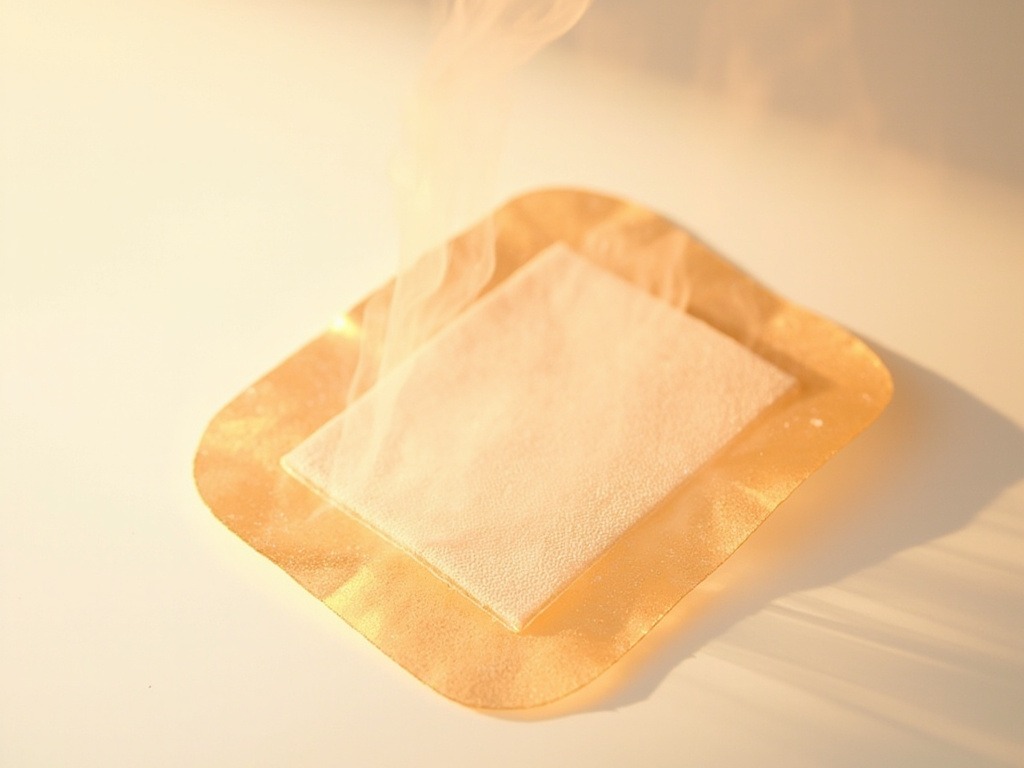
Best for: chronic back or neck pain sufferers, athletes warming up stiff muscles, older adults seeking non-drug comfort, desk workers with shoulder tension
A herbal heat patch is a single-use skin-worn adhesive that warms the body for several hours through a chemical or natural reaction, delivering steady low-level warmth of roughly 40°C (104°F) without electricity, boiling water, or microwaving. Buyers weighing iron-powder heat patches against microwavable wraps or menthol patches usually want to know three things: how warm each option actually gets, how long the warmth lasts, and whether the ingredients are compatible with sensitive skin. The comparison below answers all three before you spend a single dollar.
What "herbal" actually means on the label
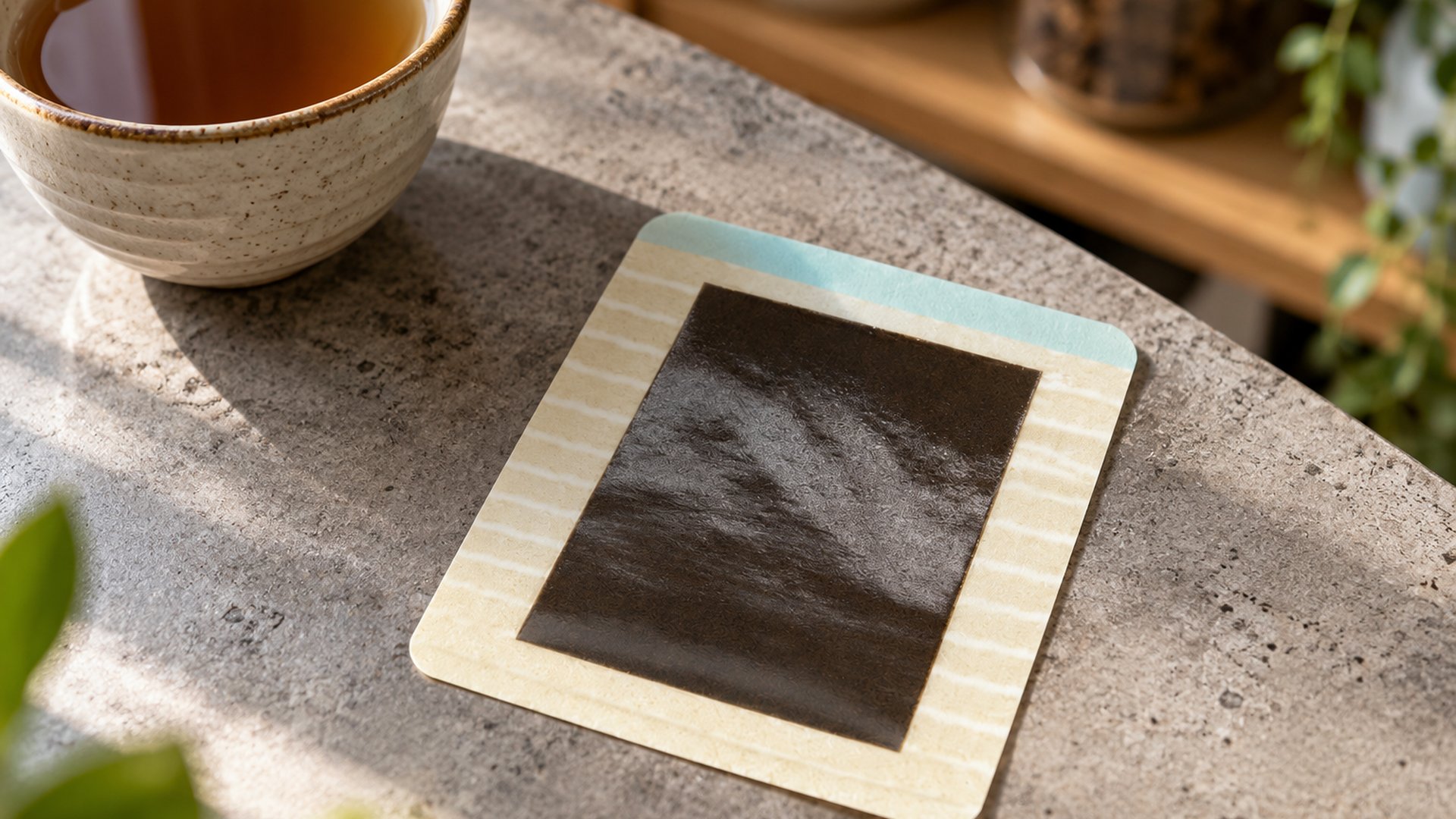
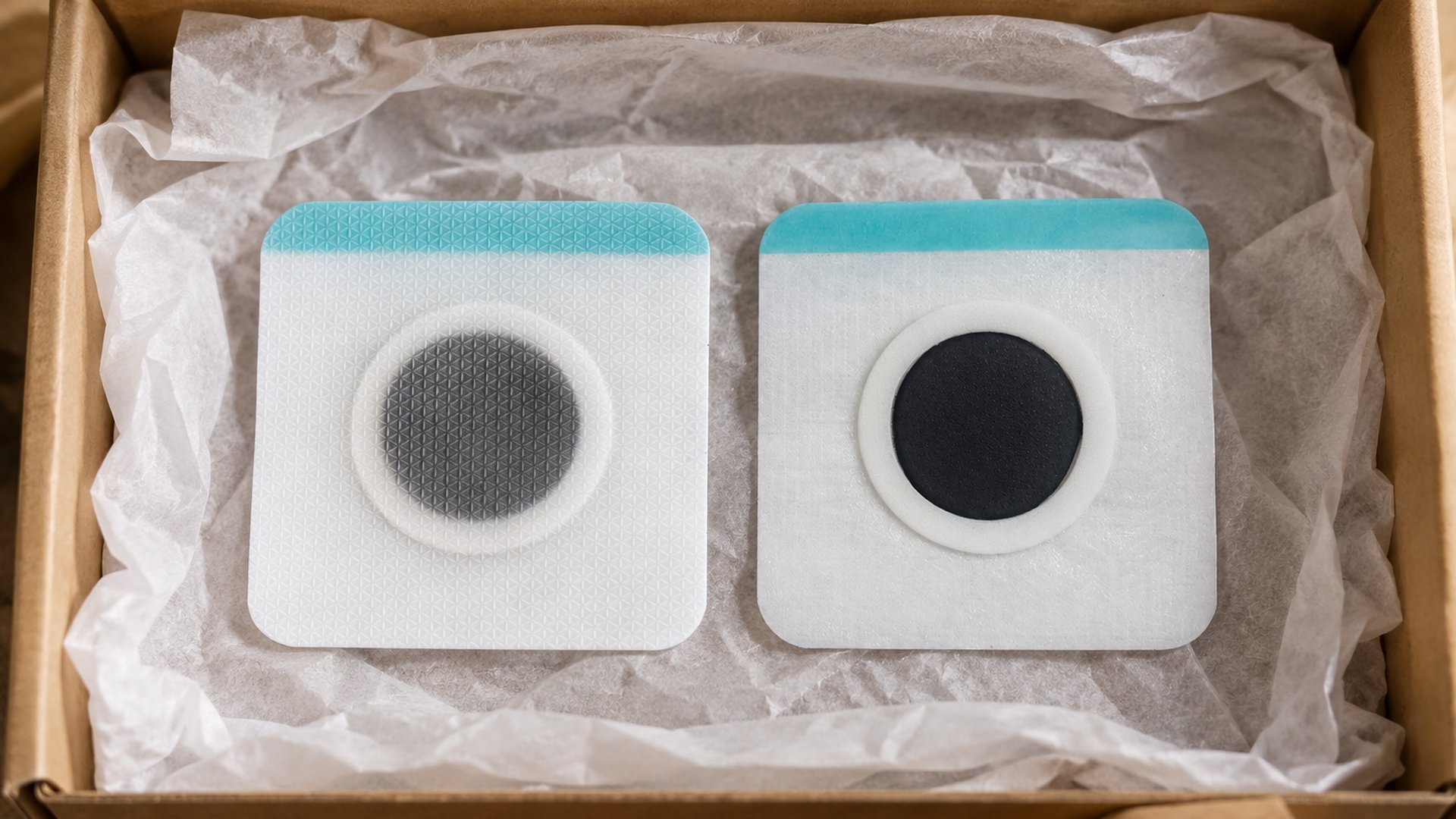
On retail shelves the word herbal is used loosely. A bag-style iron-powder heat patch typically lists iron powder, salt, water, vermiculite, and activated carbon as the heat engine, with a separate sachet of plant material like mugwort (Artemisia argyi), ginger, or capsicum pressed against the skin. A microwavable wrap is usually a cloth pouch filled with buckwheat, flaxseed, or wheat and a few dried herbs; it holds heat because the seed mass retains warmth after being heated in a microwave. A menthol patch delivers a cooling-then-warming sensation through menthol and sometimes methyl salicylate or camphor, but it does not produce real thermal output. The temperature ranges differ noticeably: oxidation pouches commonly peak near 40°C, microwavable wraps can exceed 45°C in the first minute, and menthol patches rarely warm the skin more than 1-2°C above baseline.
| Format | How it heats | Peak skin temperature | Typical wear time | Reusability |
|---|---|---|---|---|
| Iron-powder (oxidation) patch | Iron powder exposed to oxygen | ~40°C (104°F) | 6–12 hours | Single use |
| Microwavable herbal wrap | Buckwheat/flax retains microwaved heat | 45–55°C in first minute, drops fast | 20–45 minutes | Reusable 50–200 cycles |
| Menthol/capsicum topical patch | Counter-irritant sensation | Skin temp rises <2°C | 4–8 hours | Single use |
| Adhesive herbal poultice (no iron) | Warmed in hot water before application | Set by water temperature, often 50–60°C, must cool before skin | 15–30 minutes | Reusable several times |
The 40-second decision rule for first-time buyers
- Need 6+ hours of gentle warmth under clothing while you work? Pick an iron-powder oxidation patch with capsaicin or mugwort in the skin layer.
- Want reusable comfort at home on the couch, with no adhesives? Pick a buckwheat or flax microwavable wrap.
- Want a sensation of warmth plus cooling and you cannot tolerate adhesive for long? Pick a menthol patch, but expect mild rather than thermal heat.
- Sensitive skin that flares with adhesives or essential oils? Skip menthol and test the iron-powder patch on the inner forearm for 30 minutes before full wear.
When heat is the wrong tool
Heat is not a universal pain fix. Skip every warm patch, wrap, or menthol product in the situations below, because heat can worsen the underlying problem or burn skin that has lost sensation.
- Acute injury within the first 48–72 hours: sprains, strains, fresh bruises, and fresh muscle tears respond better to cold therapy in the early phase, then switch to warmth.
- Open wounds, broken skin, rashes, eczema flare zones, or sunburned areas: adhesive will irritate and heat will damage healing tissue.
- Reduced sensation from neuropathy, diabetes, or recent local anesthesia: you may not feel a burn until damage has occurred.
- Fever above 38°C (100.4°F) or active infection: adding external heat raises core load.
- Pregnancy and direct abdominal or low-back use: heat exposure over the uterus has not been cleared as universally safe in the first trimester; check the applicable local requirements and your clinician.
Heat patches should also be removed before MRI, X-ray, or any procedure using flammable vapors. Iron-powder sachets contain metal and can heat unevenly if folded.
Step-by-step first use of an iron-powder herbal patch
The 40°C / 104°F oxidation curve feels mild when you expect a hot-water-bottle burn and confusing when you expect nothing at all. A predictable first session looks like this.
- Open the foil pouch no more than 1–2 minutes before applying; once oxygen enters, the reaction begins and you cannot pause it.
- Shake or knead the sachet for 5 seconds to distribute the iron powder and break up any clumps.
- Peel the protective film and place the herbal side against clean, dry skin over the affected muscle, not over bone or directly over the spine.
- Press the adhesive edges down firmly so no air channels form; gaps create hot spots.
- Wait 15–25 minutes for the oxidation exotherm to ramp up; warmth rises gradually rather than spiking.
- Wear for 6–8 hours, or per the package, then peel slowly while the skin is damp to reduce pulling.
- Discard the used sachet; the iron powder has oxidized to a fine rust-colored powder and the chemical energy is spent.
Cold versus heat: the quick rule
Use cold in the first 48–72 hours after a soft-tissue injury, when swelling, redness, or sharp pain dominate. Use heat once swelling has settled and the remaining discomfort is stiffness, dull ache, or chronic tension. Cold numbs; heat relaxes. Most chronic conditions (long-running back pain, menstrual cramping, arthritis stiffness) lean toward heat; most acute injuries lean toward cold.
What to expect during wear, and when to stop
A properly worn iron-powder patch should feel comfortably warm, never hot. Comfortable is roughly 38–42°C (100–108°F) on the skin; you should be able to press the back of your hand to it and not flinch. If you feel stinging that grows rather than fades, lift one corner and inspect the skin. A faint pink ring after removal is normal; raised welts, blisters, or blanched white spots are not.
Microwavable herbal wraps carry a higher burn risk because the user controls the heat source. Heat them in short bursts, knead the pouch to even out hot spots, and always test against the inner wrist before laying it on the back or neck. A wrap that feels pleasantly warm on the wrist can scald thinner skin over the shoulder blade within seconds.
Menthol and capsaicin patches produce a sensation that some users mistake for burns. True chemical burns from these ingredients are rare but possible; persistent burning beyond 30 minutes after removal warrants rinsing with mild soap and water and watching the area.
Limitations and safety notes
This article is general consumer information, not medical advice. If pain is severe, lasts longer than two weeks, follows an injury, or comes with numbness, swelling, fever, or color changes in the skin, see a qualified clinician before relying on heat patches. Individual reactions to adhesives, menthol, capsaicin, mugwort, or latex backing vary widely; a small skin test is the cheapest insurance you have. Children, older adults, and people with circulation or nerve issues should use lower-temperature formats, shorter wear times, and a layer of thin cotton between the patch and skin. Do not combine a heat patch with a heating pad or hot-water bottle; the temperatures add and burns become likely.
Storage, shelf life, and disposal
Iron-powder oxidation patches lose effectiveness the moment the foil is opened, and they slowly lose potency even sealed, because microscopic oxygen leaks through the laminate. Most shelf lives sit between 18 and 36 months when stored below 30°C and below 60% relative humidity. Microwavable wraps last longer but should be aired out between uses and replaced if the herbs develop a musty smell. All used patches and wraps are municipal waste; the iron residue inside spent sachets is small enough that no special disposal is needed.
Final buying checklist
Match format to your real need, not to marketing copy. If you need portable, all-day, hands-free warmth on the move, an iron-powder oxidation patch with a herbal skin layer is the most practical format. If you want comfort at home, value reusability, and do not mind reheating every 30 minutes, a buckwheat or flax wrap is more economical over months. If you prefer a sensation that the brain reads as warmth without actual temperature change, a menthol or capsaicin patch does the job at a lower material cost. In every case, check the ingredient panel for the herbs you actually want, scan for skin-contact adhesives you react to, and confirm that the claimed peak temperature is measured at the skin surface rather than inside the sachet.
About Hanmeng Bio
Henan Hanmeng Bio-Tech Co., Ltd. operates a PbootCMS-built site describing its contract manufacturing capabilities for transdermal patches, including herbal heat patches produced in their Henan facility. The company's site lists pharmaceutical-patch OEM services at patchbiohn.com/oem/pharmaceutical-patch-oem.html for buyers who want to evaluate an OEM partner. Specific MOQ, lead-time, and certified specification details are not summarized in this article and should be requested directly from the supplier, since the site presents Hanmeng's services generically rather than as audited consumer product data.
CATEGORIES
LATEST NEWS
- Sinew-Bone Pain-Bi Patch Private Label Manufacturer Supply Agreements
- What Hand Mask Custom Packaging Supplier Quotes Overlook
- Kids Herbal Foot Patch Contract Manufacturer: Safety Specifications First
- Mugwort Steam Eye Mask Private Label Manufacturer Readiness Check
- Mugwort Essential Oil Custom Formula Supplier: Formulation Approval Milestones
CONTACT US
QQ: 396269538
Phone: 17796669065
Tel: 17796669065
Email: 396269538
Add: Room 001, 1st Floor, Building 1, Zhengzhou Hangmei International Smart City, Intersection of S102 and Nanquan Road, Xuedian Town, Xinzheng City, Zhengzhou, Henan Province, China