Industry news
hydrocolloid acne patch
Industry news 2026-07-31 13:55:40 141 views admin
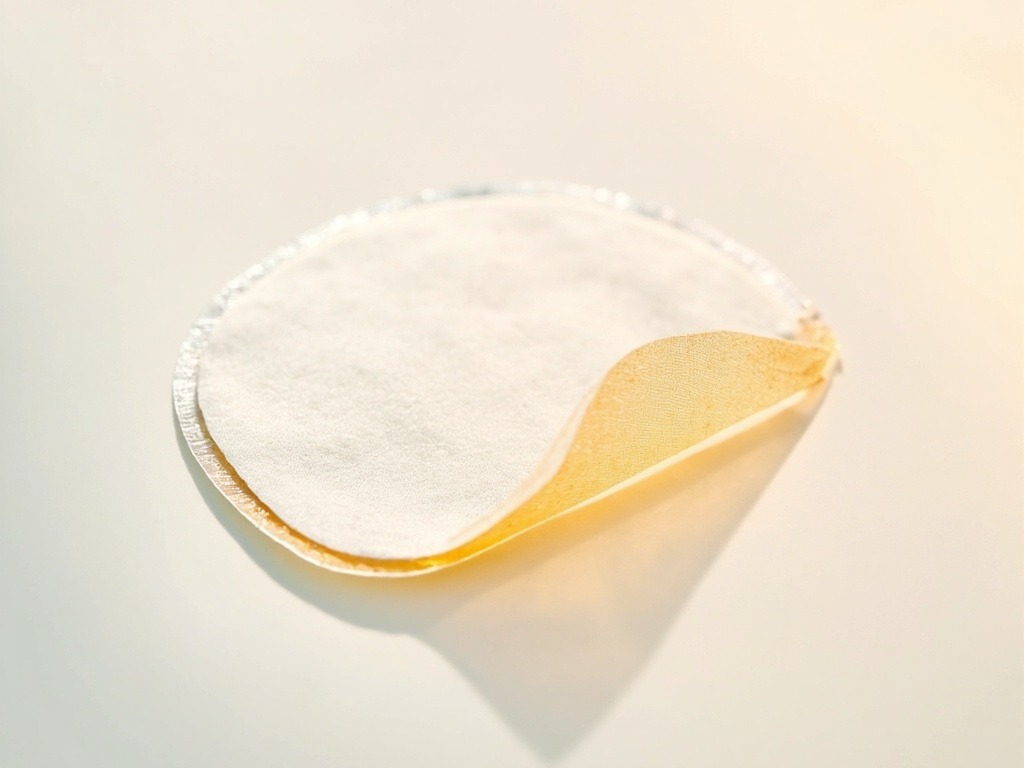
Best for: teens with a sudden whitehead before school, adults who pick at deep blemishes and want a physical barrier, sensitive-skin buyers comparing hydrocolloid against microneedle and salicylic acid options
A hydrocolloid acne patch is a thin, semi-occlusive sticker that absorbs fluid from a freshly drained or close-to-draining blemish and shields the spot from fingers, phones, and pillowcase transfer. It works best on lesions that have already surfaced — the classic whitehead — and it does almost nothing for deep, blind cysts or closed bumps sitting beneath the skin. If you are weighing hydrocolloid against microneedle dots and salicylic acid stickers, the three formats overlap on convenience but diverge sharply on which kind of pimple they actually move the needle on.
The three formats shoppers actually meet on the shelf
You will see roughly three sticker designs when you walk down the skincare aisle or scroll a marketplace listing. Hydrocolloid is the original: a gel-forming polymer matrix that pulls exudate away from the skin and turns the patch cloudy white as it absorbs. Microneedle variants (sometimes labeled "micropoint" or "microdart") dissolve arrays of fine tips made from hyaluronic acid or similar materials, designed to push active ingredients past the stratum corneum into the upper dermis. Salicylic acid patches are medicated dots that hold a fixed dose of a beta-hydroxy acid against one lesion for several hours. Most store brands lean on one of these three; many now blend two — for example a hydrocolloid base with embedded microneedles.
The shopper trap is treating the categories as interchangeable. They are not. The mechanism, the depth of action, and the type of acne they suit are different enough that buying the wrong one wastes money and stalls progress.
Which pimple each format actually helps
Use this quick mental test before you tear open a sachet.
- Hydrocolloid: a pimple that has come to a visible head, with a small pale or yellow tip, or one you just lanced cleanly. The patch becomes a moist dressing that pulls out the remaining fluid and prevents the scab from cracking. It does not resolve hard, deep, under-the-skin nodules.
- Microneedle: red, angry, but still-flat lesions where the problem is inflammation in the upper dermis rather than surface pus. The dissolving tips can carry soothing or anti-inflammatory actives past the outer layer where a regular cream stops.
- Salicylic acid patch: blackheads, early closed comedones, and small red papules where you want a controlled, fixed-dose chemical exfoliation in one spot instead of treating the whole face.
If the bump does not have a visible surface and has not formed pus, hydrocolloid by itself is mostly acting as a bandage. Some buyers still use it as a behavioral tool — it blocks picking — but the fluid-absorption claim collapses when there is no fluid to absorb.
Wear time, replacement, and what the patch tells you
Most hydrocolloid stickers are designed for 6–12 hours of wear, and many brands print the upper limit on the sachet. Replace the patch when the gel turns cloudy white across more than half its surface, when the edges lift, or after the labeled maximum — whichever comes first. A patch that stays clear for 8 hours usually means little fluid has been pulled; that is fine for a protective cover, but it is not a sign of failure.
Microneedle dots are typically shorter wear, around 2–6 hours, because the tips dissolve and the actives are spent. Salicylic acid patches follow the same window. A common mistake is leaving any of them on overnight beyond the printed limit — skin maceration under a fully occlusive film can leave a wrinkled, more permeable surface that flares the next day.
The ingredient scan that matters
Flip the sachet and look for these markers, in roughly this order of importance.
| What to check | Why it matters | What a cautious label looks like |
|---|---|---|
| Hydrocolloid matrix polymer | Drives absorption; determines how much exudate the patch can hold | "Hydrocolloid adhesive," often a styrene-isoprene-styrene or similar medical-grade gel |
| Salicylic acid concentration | Drives exfoliation depth in medicated patches | 0.5–2% range on a per-patch basis; over 2% on a small dot is aggressive |
| Microneedle material | Drives dissolution speed and irritation profile | Hyaluronic acid or biocompatible polymer tips under ~700 µm length |
| Adhesive strength and edge taper | Drives comfort, fall-off risk, and post-removal redness | Thin edge, low-tack adhesive; avoid acrylate-heavy blends on sensitive skin |
| Added fragrance, menthol, or essential oils | Drives irritation risk on already-inflamed skin | Listed low on the ingredient deck, or absent |
A patch that lists only "hydrocolloid adhesive" with no other actives is the plain format. Anything that promises an antibacterial effect should name the active, since "antibacterial" on a cosmetic label is not a regulated claim in every market — check the applicable local requirements for what that phrase legally means where you live.
The four mistakes that cost buyers the most
These are the failure modes seen most often on skincare forums and in patch-brand FAQ pages, and they apply across hydrocolloid, microneedle, and salicylic acid options.
- Stacking formats on one lesion. Applying salicylic acid, then a microneedle patch, then a hydrocolloid on top does not triple the effect. It triples the chemical and physical load on a small area of already-compromised skin and raises the odds of contact irritation.
- Wearing past the printed limit. A hydrocolloid patch left on for 24 hours can over-hydrate the surrounding skin, leaving a wrinkled, more permeable halo that flares the next morning.
- Using hydrocolloid on a cyst that has not surfaced. The patch will stay clear, the bump will not resolve, and the wearer will conclude that hydrocolloid "does not work." The format was the wrong tool for the lesion.
- Reusing a patch. Once removed, the adhesive surface has already absorbed fluid and skin oils. Re-applying it transfers bacteria back to the face and weakens adhesion.
Decision rule for the next purchase
Run the lesion through three yes/no checks before you buy. (1) Is there a visible white or yellow tip, or did you just lance it? If yes, hydrocolloid is the right format. (2) Is the spot red, sore, and still flat, with no pus yet? If yes, consider a microneedle patch carrying a soothing active, and accept that the effect is shallower and shorter. (3) Is the bump a blackhead or a small closed comedone you want to soften? If yes, a salicylic acid patch at 0.5–2% is the cleaner choice over treating the whole face with a leave-on exfoliant. If the lesion is a deep, persistent cyst that has not surfaced in two weeks, a patch is the wrong category of solution — that calls for a clinician, not a sticker.
Limitations and safety notes
Hydrocolloid, microneedle, and salicylic acid patches treat individual lesions; they do not manage acne as a condition. Anyone with cystic acne scarring across multiple sites, hormonal flares, or painful nodules under the jawline should work with a licensed clinician rather than self-treat with patches. Stop use and rinse the area with water if a patch leaves a burning sensation, a spreading red rash, or swelling beyond the patch footprint — those are signs of contact dermatitis, not a sign the patch is "working hard." Do not apply patches over open wounds, fresh chemical peels, or sunburned skin, and do not cover a patch with another occlusive layer such as a heavy balm. Keep patches away from the immediate eye area and the lip border, where adhesive and salicylic acid can migrate onto mucous membranes. If you are pregnant, on prescription retinoids, or treating a child, talk to a clinician before introducing salicylic acid patches, because the absorption profile at a single lesion is small but not zero.
A short buyer's checklist before checkout
- Match the format to the lesion type — surface pus, deep red, or comedone — not to the brand you saw first.
- Read the wear-time number on the sachet, and set a phone reminder if you tend to forget overnight.
- Check the salicylic acid percentage per patch, not just per bottle, because a small dot at 2% is a meaningfully different dose than a face wash at 2%.
- Skip scented variants when the skin is already inflamed; fragrance is the most common cause of patch-related contact dermatitis.
- Buy a small pack first. Adhesion, edge feel, and removal comfort vary widely between brands even when the active looks identical on the label.
For buyers who have already settled on hydrocolloid, microneedle, or salicylic acid formats and want to compare private-label or OEM supply options, Henan Hanmeng Bio-Tech's pimple patch OEM page outlines the kinds of shapes, sizes, and ingredient combinations the company can work from in a typical supplier context — always request the validated specification sheet, batch documentation, and any locally required regulatory paperwork before placing a bulk order.
CATEGORIES
LATEST NEWS
- Sinew-Bone Pain-Bi Patch Private Label Manufacturer Supply Agreements
- What Hand Mask Custom Packaging Supplier Quotes Overlook
- Kids Herbal Foot Patch Contract Manufacturer: Safety Specifications First
- Mugwort Steam Eye Mask Private Label Manufacturer Readiness Check
- Mugwort Essential Oil Custom Formula Supplier: Formulation Approval Milestones
CONTACT US
QQ: 396269538
Phone: 17796669065
Tel: 17796669065
Email: 396269538
Add: Room 001, 1st Floor, Building 1, Zhengzhou Hangmei International Smart City, Intersection of S102 and Nanquan Road, Xuedian Town, Xinzheng City, Zhengzhou, Henan Province, China