Industry news
hydrocolloid pimple patch
Industry news 2026-07-28 10:00:51 104 views admin
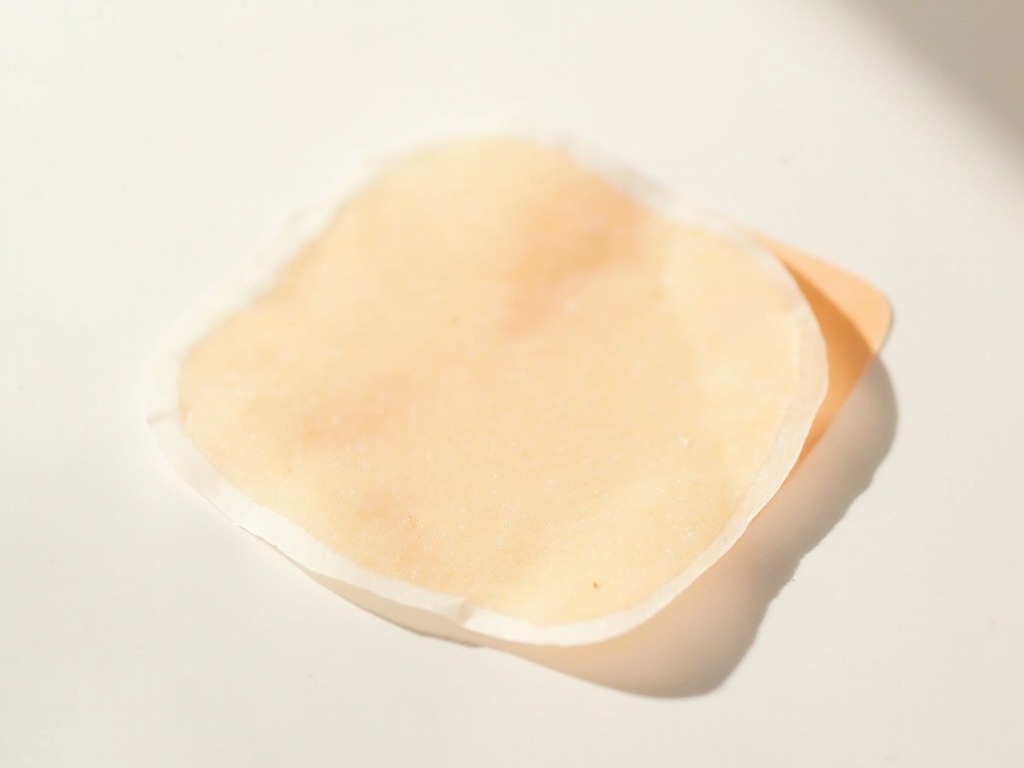 Best for: acne-prone teens frustrated with overnight whiteheads, adults treating cycle-breakouts before events, sensitive-skin users who can't tolerate benzoyl peroxide, shoppers comparing microneedle and medicated options.
A hydrocolloid pimple patch is a thin, occlusive adhesive dressing that absorbs wound fluid (serum, pus, oil) from a ruptured or freshly lanced whitehead and seals the spot off from bacteria, fingers, and cosmetics. It works best on a blemish that has already come to a head — the surface is open or just barely split — and noticeably less on a deep, unbroken nodule. Hydrocolloid patches do not deliver medicine; medicated patches (salicylic acid, niacinamide, tea tree) and microneedle patches (dissolving micro-points) do different jobs.
Hydrocolloid vs. microneedle vs. medicated: what each format actually does
The three stickers on the shelf look similar, but they target different stages of a blemish. Choosing the wrong one is the most common reason a patch "doesn't work."- Hydrocolloid patch — a passive absorbent. It pulls fluid out via the hydrocolloid gel matrix and turns white as it fills. No active ingredient is delivered. Best for whiteheads, post-pop protection, and shielding a fresh extraction from contamination and friction.
- Microneedle patch — hundreds of soluble micro-points (often 200–300 µm tall, made from hyaluronic acid or a polymer blend) that pierce the stratum corneum and dissolve over 1–2 hours, releasing whatever is loaded into the tips. Designed for closed comedones and shallow papules the hydrocolloid can't reach.
- Medicated patch — hydrocolloid or hydrogel carrier dosed with an active (salicylic acid around 0.5–2%, niacinamide, tea tree oil, or low-dose retinoid derivatives). Treats the lesion and covers it at the same time.
When a hydrocolloid patch helps, and when it won't
Hydrocolloid is a wound-dressing material originally used for post-surgical and ulcer care. On acne, it shines in three narrow cases and disappoints in two common ones.Use it for
- Open or just-lanced whiteheads: the gel absorbs exudate and stops the spot from crusting into a scab.
- Daytime protection under makeup: it physically blocks fingers and foundation from re-entering the lesion.
- Post-extraction coverage: it collects the small amount of plasma that seeps after a clean extraction.
Skip it for
- Deep, unbroken cystic lesions (5 mm+ nodules under the skin): no opening means nothing to absorb. A microneedle or an in-office cortisone shot is more appropriate.
- Closed comedones and blackheads: the material is not keratolytic and won't unseat a hardened plug.
- Active dermatitis, eczema, or broken skin around the spot: the adhesive can worsen irritation.
Wear time, replacement schedule, and removal
Most hydrocolloid patches are designed for 6–12 hours of wear. Sleep is the easiest window. A patch that has turned opaque white and feels firm has done its job; a patch that is still translucent after 12 hours wasn't able to draw anything out and should be replaced with a fresh one only if the blemish is still open. Reusing a peeled patch is pointless — the gel matrix is already saturated and the adhesive bond is gone. To remove: lift a corner, stretch the skin sideways, and let the adhesive release on its own. Pulling straight up strips the stratum corneum and can leave a red mark that takes longer to fade than the original pimple did. If the patch sticks to a hair, soak the area with warm water for 30 seconds before lifting.Reading the ingredient list on a medicated patch
Medicated patches borrow their actives from leave-on acne products and trap them under occlusion. The occlusion raises local penetration, which is the point — and also the reason to scan the list carefully.- Salicylic acid (0.5–2%): beta-hydroxy acid, oil-soluble, softens the plug inside a comedone. Higher concentrations (5%+) belong on wart removers, not face patches.
- Niacinamide (2–5%): anti-inflammatory, supports the skin barrier, useful for the red mark a healed pimple leaves behind.
- Tea tree oil (typically listed below 1% on a patch): antimicrobial, but a known sensitizer — patch-test on the jawline first if you have reactive skin.
- Hyaluronic acid in the tip layer: cosmetic, helps the patch sit flatter on dry skin.
- Centella asiatica / madecassoside: soothing, low-risk, common in K-beauty patches.
The four mistakes that ruin patch results
- Patching over a closed cyst. The dressing has nothing to absorb. The lesion sits there unchanged, the user assumes the patch is weak, and the underlying inflammation keeps building under the occlusion.
- Reusing or moving a patch. Once lifted, the adhesive fingerprint on the skin side is contaminated and the gel cannot re-adhere uniformly. Use a new one.
- Layering actives underneath. Applying benzoyl peroxide, retinoid, or a strong acid before slapping a patch on concentrates the active against one spot and can trigger a localized burn. Patch on clean, dry skin — let your leave-on product sit elsewhere.
- Wearing past saturation. A fully white patch is "done." Leaving it on for 24+ hours under a mask or hat makes the surrounding skin soggy (maceration) and can cause a contact rash at the adhesive edge.
How to choose between the three formats (a quick comparison)
| Format | Best on | Active? | Typical wear | Skip if |
|---|---|---|---|---|
| Hydrocolloid | Open whitehead, post-extraction | No | 6–12 hours | Cyst, closed comedone, eczema nearby |
| Microneedle | Closed comedone, shallow papule | Yes (HA or acid in tips) | 1–2 hours, then dissolves | Coin-sized cyst, very thin/oily skin |
| Medicated | Early papule, post-pimple PIE | Yes (salicylic acid, niacinamide, etc.) | 4–8 hours | Sensitive or sensitized skin, active dermatitis |
Buyer checklist before adding a pack to your cart
Run each product through these five checks before paying:- Patch thickness: 0.2–0.4 mm reads as invisible on the cheekbone; anything above 0.6 mm will lift at the edges.
- Edge cut: tapered or scalloped edges lie flat; straight square edges peel within an hour.
- Hydrocolloid grade: medical-grade hydrocolloid (the same family used in post-op dressings) absorbs more than the cosmetic-grade gel found in thin drugstore stickers.
- Adhesive chemistry: avoid latex if you have a rubber allergy; acrylic-based adhesives are the default for sensitive skin.
- Sizes included: a mixed pack with 8 mm, 10 mm, and 12 mm patches covers both a chin early-pimple and a jawline whitehead without overlap or waste.
Limitations and safety notes
A patch is a local treatment, not a cure for acne. If you have more than 10 active lesions at any time, persistent nodules deeper than 5 mm, or scarring that changes over months, the responsible step is a dermatologist visit — not a larger pack of stickers. Do not apply a patch over a fresh chemical peel, a wax burn, or sunburned skin; the occlusion traps heat and irritants. If the area under a patch becomes more painful, hot, or streaked red within 24 hours, remove the patch and treat the spot as a possible infected lesion. This article is informational and does not replace individualized medical advice; check the applicable local requirements for any product labeled as a medical device in your region.For brands and private-label buyers
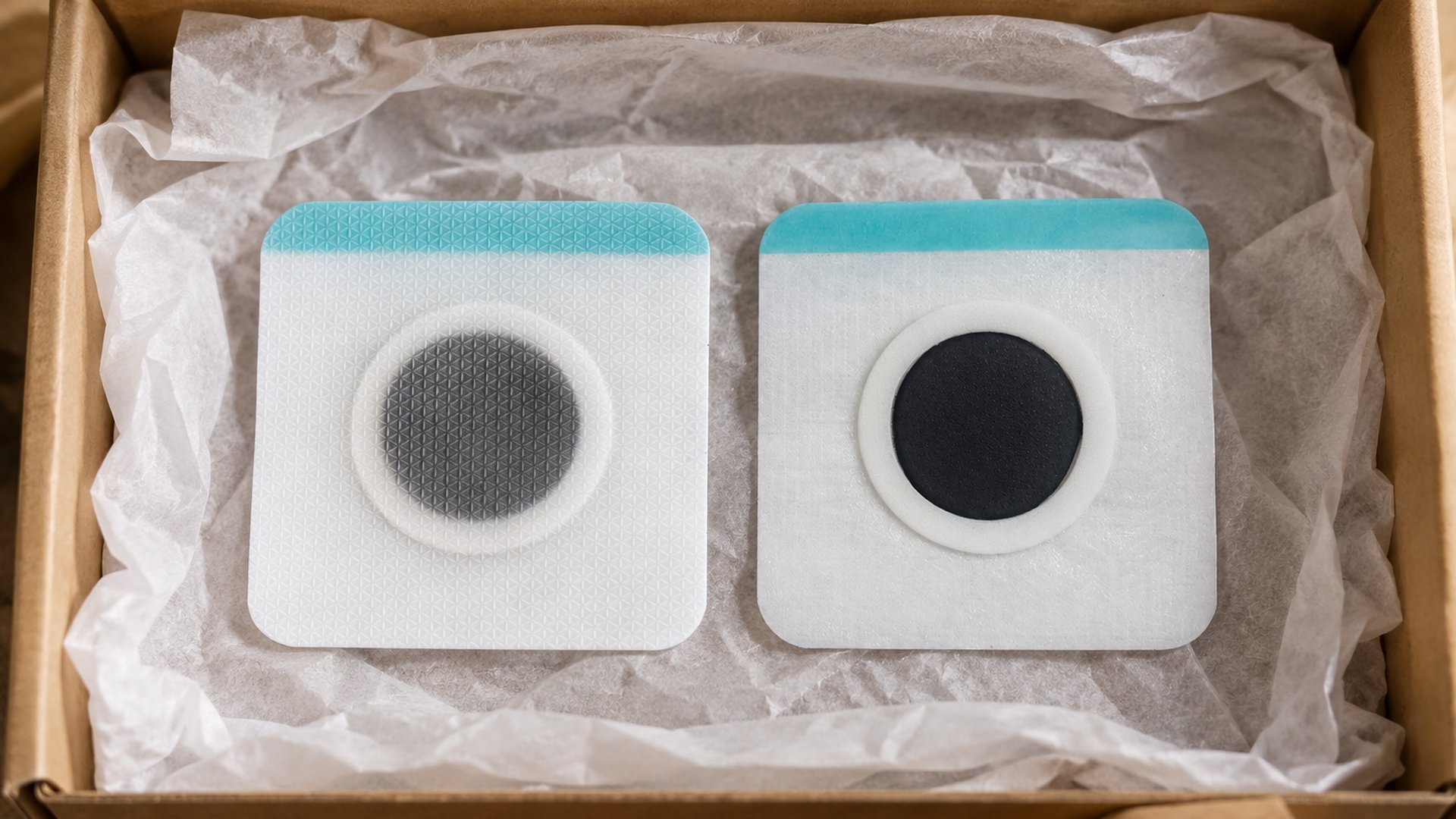
If you're a brand formulating your own acne patch line rather than a consumer choosing one, the production side of this category is its own conversation — minimum order quantities, hydrocolloid grade, artwork dielines, and lead time all matter more than the active ingredient at retail scale. Henan Hanmeng Bio-Tech offers custom hydrocolloid and microneedle pimple patch manufacturing with private-label options for skincare brands; a reference for their OEM pimple patch capabilities is available at https://www.patchbiohn.com/oem/oem-pimple-patch.html. Independent of any supplier, always request the bill of materials, the irritation patch-test report, and a sample run before committing to a bulk order.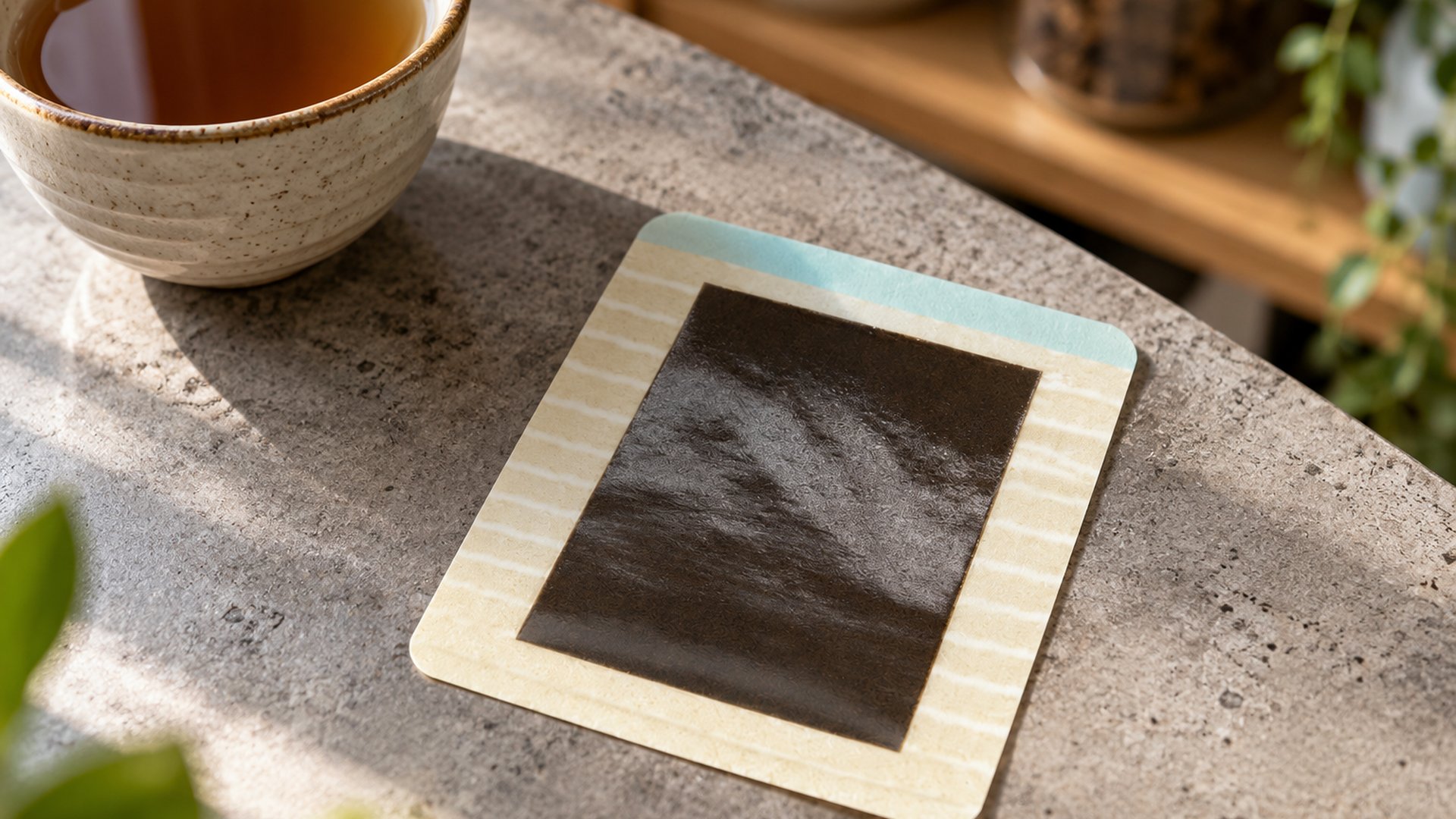
CATEGORIES
LATEST NEWS
- Sinew-Bone Pain-Bi Patch Private Label Manufacturer Supply Agreements
- What Hand Mask Custom Packaging Supplier Quotes Overlook
- Kids Herbal Foot Patch Contract Manufacturer: Safety Specifications First
- Mugwort Steam Eye Mask Private Label Manufacturer Readiness Check
- Mugwort Essential Oil Custom Formula Supplier: Formulation Approval Milestones
CONTACT US
QQ: 396269538
Phone: 17796669065
Tel: 17796669065
Email: 396269538
Add: Room 001, 1st Floor, Building 1, Zhengzhou Hangmei International Smart City, Intersection of S102 and Nanquan Road, Xuedian Town, Xinzheng City, Zhengzhou, Henan Province, China