Industry news
cooling eye mask patches for adults
Industry news 2026-07-27 09:30:16 110 views admin
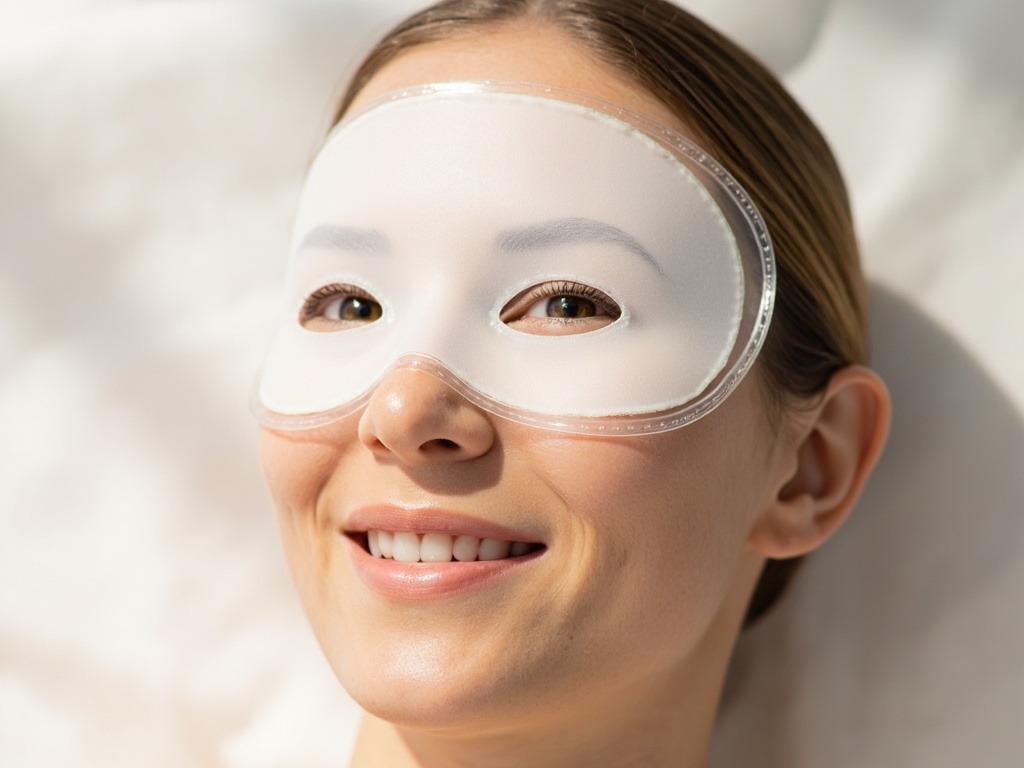
Best for: night-shift workers, contact-lens wearers, post-screen adults, anyone managing occasional under-eye puffiness
Cooling eye mask patches for adults are hydrogel or polymer gel under-eye stickers that feel cold on contact and are stored either refrigerated or self-chilled. They are a cosmetic comfort product, not a medical treatment, and they work by three straightforward mechanisms: conductive cooling from the gel against the skin, occlusive hydration that briefly raises surface humidity, and a physical barrier that discourages rubbing. Anyone looking for a noticeable reduction in vascular swelling should expect a temporary cosmetic effect, not a structural one.
From polymer pellet to finished patch: one product's journey
To make the buying decision less abstract, it helps to walk one SKU from raw material to a sealed pouch on a shelf. The description below traces the typical path a cooling eye mask follows for an adult-skincare brand; supplier targets and validated figures are kept separate on purpose.
Step 1: Choose the gel carrier
Most cooling patches are water-based gels cross-linked with polymers such as polyvinyl alcohol (PVA), sodium polyacrylate, or a blend with a cellulose derivative. The choice is a trade-off:
- Higher polymer ratio gives a thicker, more cushioning feel.
- Higher water ratio gives a colder, wetter first impression but dries faster on the skin.
- Adding a small amount of glycerin or panthenol lengthens the window of perceptible hydration.
Material selection happens first because it constrains every later step. A gel that tears too easily at demoulding forces a thicker cast film, which raises unit cost.
Step 2: Cast, hydrate, and demould
The polymer solution is poured into shaped trays, partially cured, then placed in a hydration bath where the gel absorbs water and any active ingredients. Demoulding is the first real QC moment. A patch that comes out with a torn edge or a trapped air bubble is rejected by hand; the line rejects are usually re-melted to control waste.
Step 3: Cut to the adult-crescent shape
Adult patches are wider and longer than youth or pet variants, with a deeper arc on the outer side so they cover the temple-to-nasal-bridge span without sliding into the lashes. The die-cut tolerance is typically tighter than people expect, because a 1 mm shift on the inner edge can let the gel touch the lower lash line and cause irritation in lens wearers.
Step 4: Fill, seal, and wrist-feel test
Patches are stacked two per sachet on a non-woven backing card, sealed with a foil laminate that has a low water-vapor transmission rate, and boxed in dozens. A human operator usually picks five finished sachets per hour and presses one to the inner wrist. The wrist-feel test is informal but effective: it confirms the gel is fully hydrated, the seal is intact, and there is no odor shift that would suggest microbial growth.
Step 5: Pilot QC panel
Before a full production run, a small pilot batch is sent to a panel of 20 to 40 adult testers who use the patches on one eye over several nights. The pilot records subjective comfort, slippage, residual redness, and whether the patch stays cold long enough to feel useful. Any pair of consecutive batches that scores worse than the pilot on two of those four items is held back for material review.
Reading a product page without being misled
The single most useful boundary condition for a buyer: a cooling eye mask is a comfort product with a measurable cold duration, not a treatment with a measurable dose. If a brand leads with claims about reducing dark circles, soothing migraine, or treating allergies, treat those as marketing language and look for the spec sheet instead. A product page that supplies the gel composition, the per-patch weight, and the recommended wear time is easier to evaluate than one that supplies a benefits list.
| Spec to look for | Why it matters | How to verify it |
|---|---|---|
| Per-patch weight (g) | Heavier patches usually mean a longer cold window but more slippage | Listed on spec sheet, not just on the front of the box |
| Gel composition | Tells you whether the cooling is from water, menthol, or both | Ingredient list, not marketing copy |
| Wear time on the label | Sets realistic expectations for stay-cold duration | Outer carton, back panel |
| Seal type and sachet count | Indicates whether single-use is enforced | Examine the sachet yourself |
A short buyer FAQ
How long should a patch stay cold? For most water-based hydrogel masks, ten to twenty minutes of perceptible cooling is a realistic expectation. Anything that claims all-night cooling is likely powered by a phase-change core rather than a standard gel.
Can I reuse a patch? No. Once the gel has been on skin and exposed to air, the microbial load is no longer controlled. Reuse also collapses the polymer network, so the second use feels noticeably thinner.
Are they safe with contact lenses? If the inner edge stays clear of the lash line, the gel should not touch the lens. People who wear daily disposables and want to be extra cautious can apply the patch before lens insertion as well, so the inner edge rests on closed lids.
Should I refrigerate them? Chilling deepens the cooling sensation and slows water loss from the gel. Do not freeze them; ice crystals change the polymer structure and the patch will feel gritty on the skin.
What about fragrance or menthol? These are optional. Fragrance is a common irritation trigger around the eye, and menthol changes the sensation from "cool" to "tingling." For sensitive skin, fragrance-free and menthol-free versions are the safer default.
Process narrative: a fact that is easy to miss
One non-obvious detail from the production walk-through: the order of operations matters more than the choice of actives. A pilot batch with a clean material spec can still fail wrist-feel testing if the hydration bath is too short, because the gel absorbs the last few percent of water slowly. When evaluating a new supplier, ask how long their hydration bath runs and how they verify hydration completion; it is a more useful answer than a list of ingredient callouts.
Limitations and safety
Cooling eye mask patches are a cosmetic comfort product. They do not diagnose, treat, cure, or prevent any condition. Stop use if the under-eye area shows persistent redness, swelling, or a rash, and consult a qualified clinician if symptoms do not resolve within a few days. People with known sensitivities to gels, adhesives, or preservatives should patch-test on the inner wrist before facial use. Keep patches away from the eye itself and from the lash line. Store out of reach of children. For any specific regulatory question about claims, labeling, or required local registrations, check the applicable local requirements.
Where a specialized supplier fits
For brands that want to develop a private-label cooling eye mask, a manufacturer with hydrogel casting, sachet filling, and pilot QC under one roof usually shortens the path from concept to retail. Henan Hanmeng Bio-Tech works in this category and describes its custom hydrogel patch capability at its OEM/ODM manufacturing guide; specific production capacities and certifications should be confirmed directly with the supplier rather than inferred from a website overview.

CATEGORIES
LATEST NEWS
- Sinew-Bone Pain-Bi Patch Private Label Manufacturer Supply Agreements
- What Hand Mask Custom Packaging Supplier Quotes Overlook
- Kids Herbal Foot Patch Contract Manufacturer: Safety Specifications First
- Mugwort Steam Eye Mask Private Label Manufacturer Readiness Check
- Mugwort Essential Oil Custom Formula Supplier: Formulation Approval Milestones
CONTACT US
QQ: 396269538
Phone: 17796669065
Tel: 17796669065
Email: 396269538
Add: Room 001, 1st Floor, Building 1, Zhengzhou Hangmei International Smart City, Intersection of S102 and Nanquan Road, Xuedian Town, Xinzheng City, Zhengzhou, Henan Province, China