Industry news
pain relief patches for back pain nhs
Industry news 2026-07-27 10:42:50 110 views admin
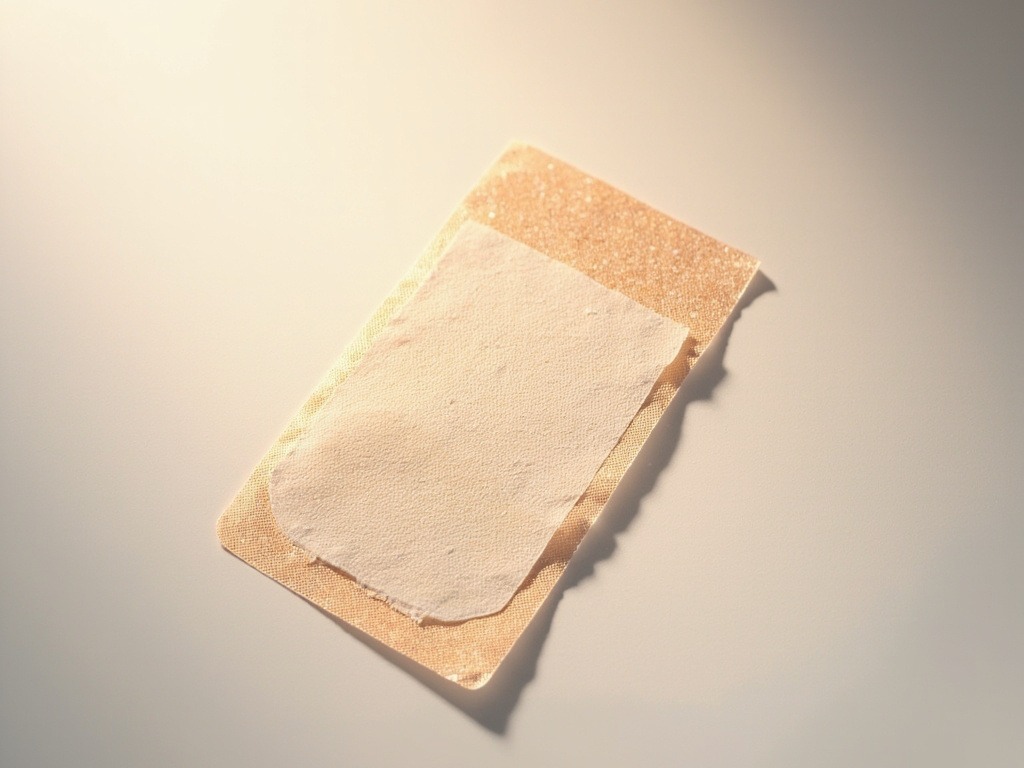
For most adults with non-specific mechanical back pain, over-the-counter pain relief patches available through UK pharmacies — including menthol or methyl salicylate “heat” and “cold” patches, and low-dose lidocaine skin patches — can offer short-term symptom relief while you stay mobile, but the NHS guidance still prioritises self-care measures (heat packs, gentle activity, simple painkillers like paracetamol or ibuprofen) and reserves prescription-strength options for cases that do not improve. Patches are a delivery vehicle, not a treatment category by themselves, so the right choice depends on which active ingredient is in the reservoir and whether your symptoms fit the label.
Best for: adults with mild-to-moderate non-specific lower back pain, people who cannot tolerate oral NSAIDs, shoppers comparing OTC patch formats in a UK pharmacy, caregivers buying for elderly relatives with chronic musculoskeletal discomfortWhat a “pain relief patch” actually is
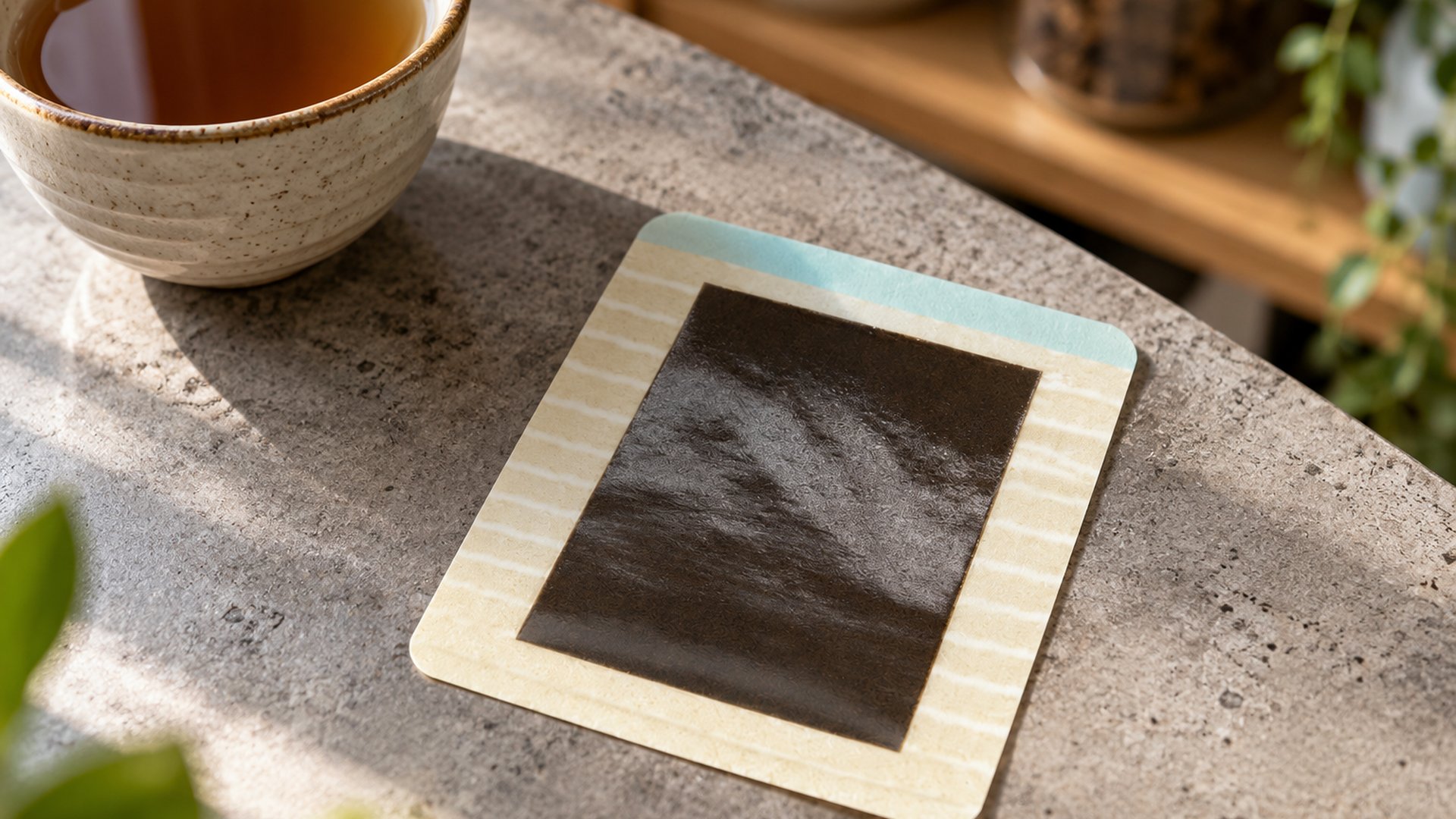
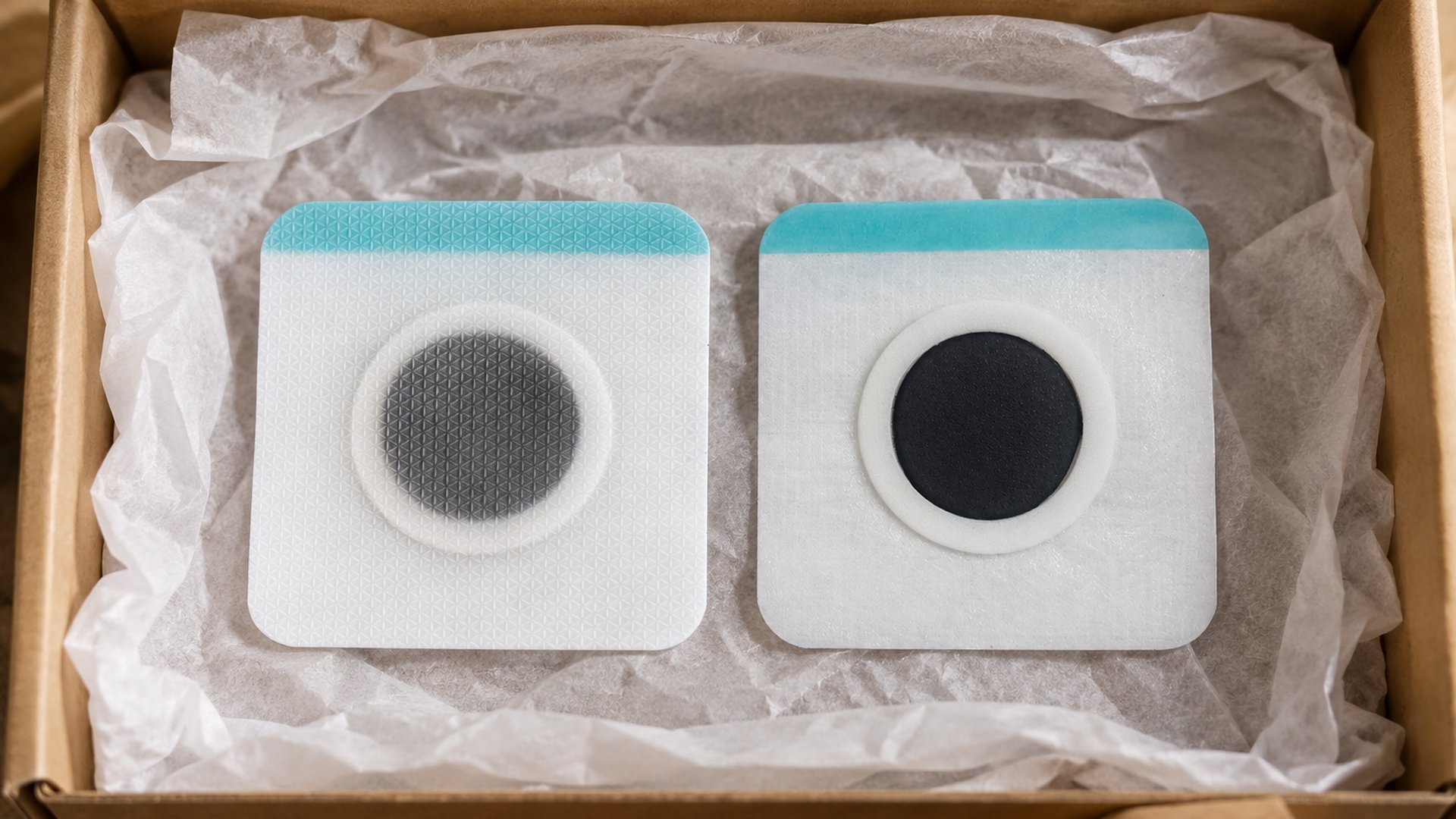
A patch is a thin adhesive laminate — typically a backing film, a reservoir or matrix that holds the active, and a release liner you peel off before sticking it to clean, dry skin over the painful area. Diffusion through the stratum corneum is slow, which is the point: a sustained, low flux beats a spike. Two broad families exist on UK shelves:
- Counter-irritant / thermal sensation patches. Menthol, camphor, methyl salicylate, or capsaicin create a warming or cooling sensation that competes with pain signals at the spinal cord level — a mechanism called gate control. These are sold as “heat patches” or “cold patches” and contain no drug that reaches the bloodstream in meaningful amounts.
- Drug-in-reservoir patches. Lidocaine 5% (sometimes 3.5% in OTC formats), methyl salicylate at higher strengths, diclofenac epolamine (where licensed), or low-dose capsaicin. These deliver a measurable dose across the skin and are regulated as medicinal products.
NHS self-care material describes patches as an adjunct — something to use while you stay active, not a replacement for movement, sleep, or professional assessment if red flags appear (weight loss, fever, night pain, numbness in the saddle area, weakness in the legs, bowel or bladder changes). If any of those are present, the same NHS pages direct you to urgent assessment rather than to a pharmacy shelf.
The mechanism in plain language
Why does the same “pain” feel different from a hot water bottle, an ibuprofen tablet, and a lidocaine patch? Because each one acts at a different layer:
- Skin-level sensation. Menthol and capsaicin bind to TRP channels in nerve endings in the skin. The brain reads that as cold or heat, and that competing signal lowers the perceived loudness of the back pain. This is a sensory override, not a tissue change.
- Peripheral nerve block. Lidocaine reversibly blocks voltage-gated sodium channels on the small peripheral nerve fibres that carry the ache. The drug does diffuse into the skin — measurable in plasma — but the local concentration near those fibres is what dulls the signal.
- Systemic anti-inflammatory. A few patch formats carry an NSAID (diclofenac is the most familiar in the UK/EU). The dose through the skin is lower than an oral tablet, which is the trade-off for steady delivery and a milder gastrointestinal burden, but it is still systemic and still carries the same contraindications as the oral form for people with asthma, peptic ulcer disease, kidney impairment, or who are on blood thinners.
Layer 1 is essentially a feel-good distraction. Layers 2 and 3 are pharmacologically real — but real is not the same as “strong enough for every back pain”. For mechanical back pain that has no nerve-root component, layers 1 and 2 typically do the job of getting a person through a workday or a sitting commute. For radicular pain (sciatica-style referral down the leg), patches alone usually underperform, and the NHS pathway involves physiotherapy, neuropathic-pain oral medication, or injection rather than a topical.
Known facts vs supplier-dependent values
This is the part the marketing copy usually hides, so it is worth separating clearly:
| Aspect | Known / verifiable fact | What changes by product |
|---|---|---|
| Menthol mechanism | Activates TRPM8 cold receptors; sensation-only, not a drug effect on inflammation. | Concentration (commonly 3–16% in OTC formats) and skin-sensation intensity. |
| Methyl salicylate status | Listed as an active counter-irritant in the US monograph for topical analgesics and in UK OTC practice; absorbed through skin in measurable amounts. | Concentration, combined with menthol or camphor, and the maximum daily number of patches or hours of wear. |
| Lidocaine 5% patch | Approved in many jurisdictions for post-herpetic neuralgia; widely used off-label and OTC in lower doses for musculoskeletal pain. | OTC patch strength (typically 3.5–5%), wear time per patch (commonly up to 8–12 hours), and maximum number of patches per day. |
| Heat patch heat source | Iron oxidation (air-activated) or, less commonly, a chemical warming sachet; reaches roughly 40–45 °C at the skin surface. | Peak temperature, duration (commonly 6–12 hours), and whether the heat is reusable. |
| Adhesive tolerability | Acrylic pressure-sensitive adhesives are standard; silicone variants exist for sensitive skin. | Hypoallergenicity claims, repositionability, and residue on removal. |
| Drug release profile | Matrix patches give first-order release; reservoir patches can give more sustained zero-order release in principle. | The actual in-vitro flux curve and wear-time stability, which are product-specific and supplier-specific. |
Anything the manufacturer lists as a precise number — “delivers X mg over Y hours”, “tested in 200 patients”, “compliance with standard Z” — is a supplier claim until it is paired with a named, public source (regulator filing, peer-reviewed study, audit certificate you can verify).
A practical sourcing checklist for a UK buyer
If you are choosing a patch in a UK pharmacy, online retailer, or for a care setting, run through these in order. Skip a level and the next level is harder to interpret honestly:
- Match the pain to the ingredient, not the brand. Mechanical backache → menthol or low-dose lidocaine usually. Radiating leg pain → ask a clinician before relying on a patch. Neuropathic after-shingles pain → medicated lidocaine 5% is the format the evidence base was built on.
- Read the on-pack drug list like a label. If the front says “heat patch” but the back shows methyl salicylate above a stated percentage, it is a medicated patch, not just a warm compress.
- Check wear time vs your day. A patch that works for 4 hours during a commute is fine; one that works for 4 hours during an 8-hour shift is not.
- Confirm contraindications that apply to you. Pregnancy, asthma, peptic ulcer history, warfarin or DOAC use, broken or irritated skin at the site, and age under a stated minimum all sit on the leaflet for a reason — flag them with a pharmacist if anything is ambiguous.
- Watch the area, not just the pain. Redness, itching, blistering, or a burn-like mark under a heat patch means stop and switch formats. Counter-irritant dermatitis is uncommon but real.
- Treat the patch as an adjunct. NHS self-care advice consistently pairs patches with staying active, heat or cold applied directly, simple oral analgesia where tolerated, and prompt review if symptoms last more than a few weeks or worsen.
Limitations, safety, and red flags
Patches are convenient, but the limitations are honest and worth naming plainly:
- They mask symptoms — they do not fix the underlying mechanical cause, and they will not resolve a disc herniation, a fracture, an infection, or a cauda equina presentation.
- Any active drug in a patch is still a drug. Methyl salicylate at high strength has caused toxicity when over-applied (multiple heat patches stacked, or used with oral salicylates). Lidocaine in excess or on broken skin enters the bloodstream faster than the label assumes.
- Heat patches on skin that cannot feel heat well (some neurological conditions, very elderly skin, alcohol-affected sensation) have caused burns that needed medical attention.
- They are not pregnancy-safe across the board; menthol and lidocaine data in pregnancy is limited and product leaflets vary — pharmacist or midwife advice first.
- For any of the NHS red flags — numbness around the saddle area, sudden leg weakness, bladder or bowel changes, weight loss, fever, pain that wakes you from sleep, or a history of cancer with new back pain — go to urgent care rather than the pharmacy aisle.
Frequently asked
Do NHS treatment pathways actually recommend patches?
NHS self-care information positions patches as one option under “things you can try at home”, alongside heat packs, gentle activity, and simple oral analgesia. They are not a first-line prescription for non-specific back pain.
Heat or cold — which patch?
Cold tends to feel better in the first 48 hours of an acute flare; warmth tends to help chronic muscle stiffness. The mechanism is sensory, and personal preference matters more than the theory.
Can I cut a patch to fit a smaller area?
Cutting destroys the matrix and changes release. Cutting medicated patches is generally off-label. Use a smaller size or a partial-overlap technique only if the leaflet explicitly allows it.
Manufacturer reference
For buyers evaluating contract manufacturing of drug-in-reservoir or matrix patches under their own label, an audited manufacturer with an OEM programme can be reviewed at patchbiohn.com pharmaceutical patch OEM. As with any supplier, the practical due-diligence items are the same: current regulatory filings for the destination market, batch-level certificates of analysis, stability data covering the claimed shelf life, and a quality system registered to the standard required by your regulator. Confirm these against the named issuing bodies; do not rely on the supplier’s own description alone.
CATEGORIES
LATEST NEWS
- Sinew-Bone Pain-Bi Patch Private Label Manufacturer Supply Agreements
- What Hand Mask Custom Packaging Supplier Quotes Overlook
- Kids Herbal Foot Patch Contract Manufacturer: Safety Specifications First
- Mugwort Steam Eye Mask Private Label Manufacturer Readiness Check
- Mugwort Essential Oil Custom Formula Supplier: Formulation Approval Milestones
CONTACT US
QQ: 396269538
Phone: 17796669065
Tel: 17796669065
Email: 396269538
Add: Room 001, 1st Floor, Building 1, Zhengzhou Hangmei International Smart City, Intersection of S102 and Nanquan Road, Xuedian Town, Xinzheng City, Zhengzhou, Henan Province, China