Industry news
cool fever patch for baby
Industry news 2026-07-24 09:30:25 121 views admin
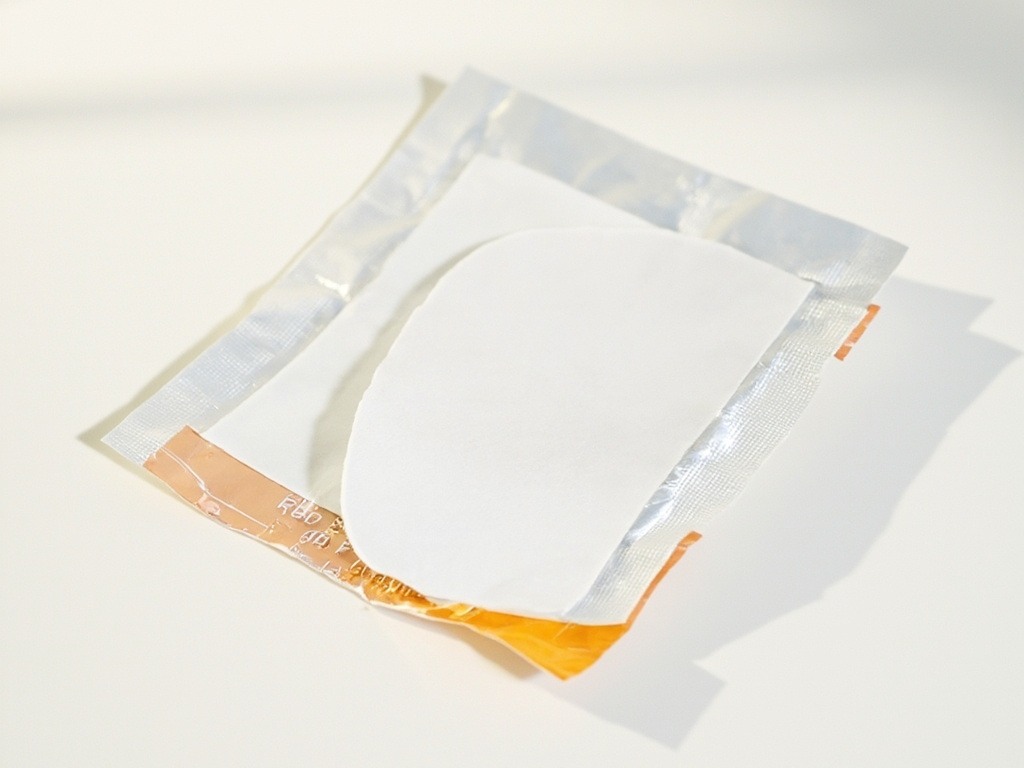
Best for: first-time parents of infants 3 months and older, daycare caregivers managing low-grade fevers overnight, pediatric clinic reception staff who recommend at-home comfort measures between appointments, and traveling families needing a non-medicinal cooling option for car seats and strollers.
A cool fever patch for baby is a hydrogel-based topical strip that adheres gently to the forehead, temple, or behind the neck to provide localized cooling during low-grade fevers or warm-weather discomfort. It works through evaporative cooling and moisture exchange with the skin rather than through drug absorption, so it is generally used as a comfort aid alongside — not a replacement for — temperature monitoring, hydration, and pediatric guidance.
How a cooling hydrogel patch is actually built
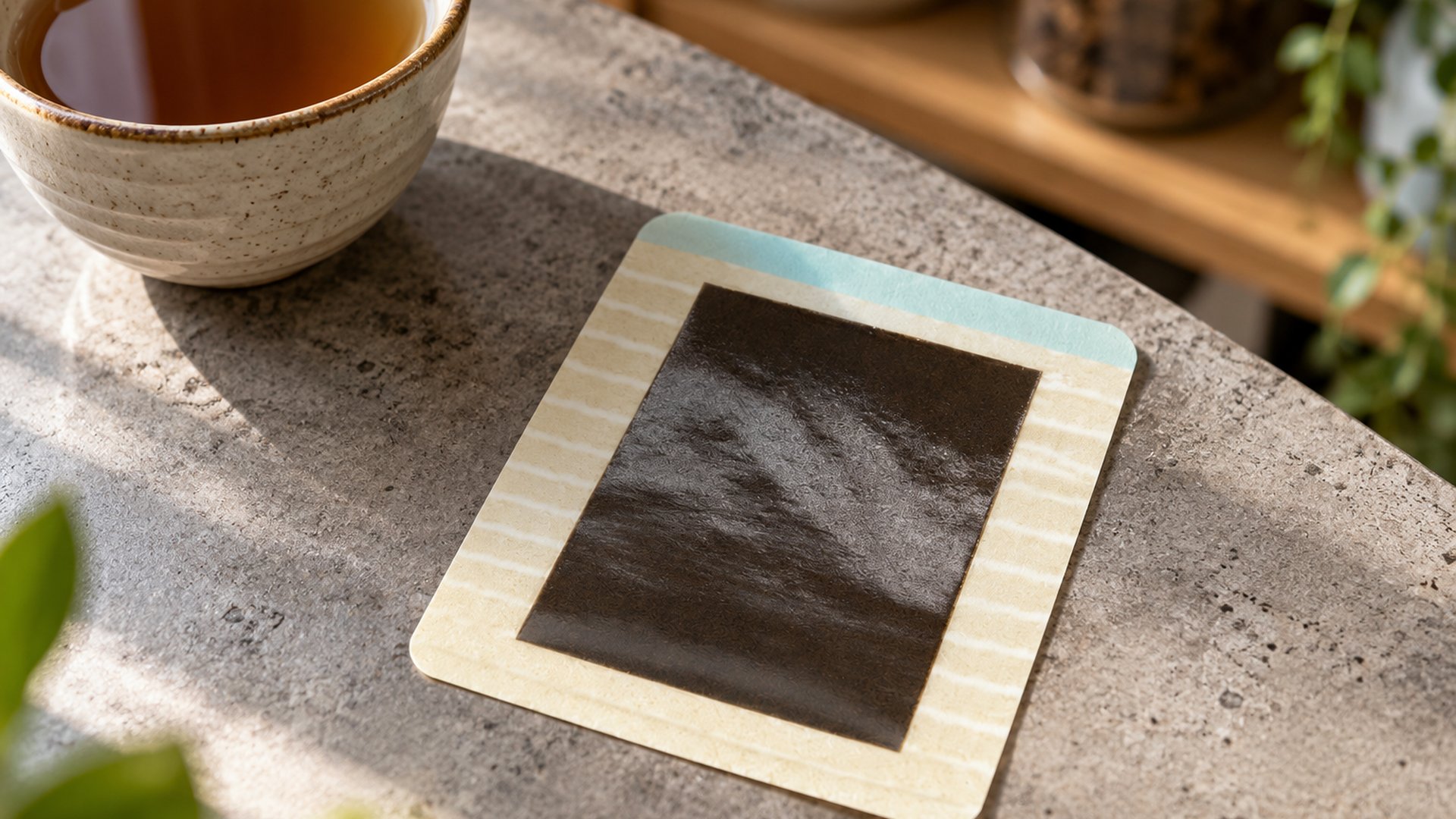
Most patches share a three-layer construction. The top layer is a non-woven or PE film that limits outward evaporation so the cooling effect lasts longer than a wet washcloth. The middle layer holds the hydrogel — a cross-linked polymer network that can carry a high percentage of water plus humectants such as glycerin or sorbitol. The bottom layer is a skin-contact adhesive designed to release cleanly without leaving residue on delicate infant skin.
The cooling sensation comes from two physics effects layered together: evaporative loss of water from the hydrogel surface, and conductive heat transfer from the skin into the cooler gel. In practice the patch typically feels noticeably cool for the first 20–40 minutes and then settles into a gentle, sustained cool that lasts several hours depending on room temperature, the child's activity, and whether the patch is exposed to air at the edges.
Material choices that matter for infant skin
- Hydrogel grade. Some manufacturers use a high-water medical-grade polymer for a softer feel; others use a denser polymer for longer hold. Softer gels usually feel cooler at first but warm up faster.
- Adhesive chemistry. Acrylic-based medical adhesives offer stronger hold but can pull sensitive skin; silicone-based gel adhesives release more gently and are typically preferred for babies under 12 months.
- Fragrance and color. Unscented, uncolored patches reduce the chance of contact irritation. Even small amounts of menthol or mint derivatives that adults barely notice can feel strong against infant skin.
- Backing film breathability. A breathable top film reduces moisture build-up under the patch during sleep; a sealed film keeps the gel cooler for longer but can feel clammy.
Pilot QC: what a responsible factory checks before bulk run
A short version of an internal pilot checklist, written so parents can understand what the QA team is doing behind the scenes:
| Stage | What is checked | Typical target for an OEM pilot | Why it matters for a baby product |
|---|---|---|---|
| Incoming hydrogel | Water content, pH, viscosity | Within supplier COA range | Controls cooling curve and skin feel |
| Adhesive coat weight | Grams per square meter | Validated spec set per SKU | Determines hold vs. easy-release trade-off |
| Die-cut edges | Visual + pull test | No fraying, no sharp corners | Infant skin tears easily at sharp edges |
| Seal integrity | Peel test on finished pouch | No channel leaks | Water loss shortens cooling life on shelf |
| Skin-contact panel | Patch worn on adult forearm, 4–8 hours | No redness, no residue | Proxy screen before any infant use |
| Shelf-life simulation | Accelerated aging, 40°C / 75% RH | Gel still wet, adhesive still bonds | Catches formulation drift before retail |
The italic column on the right is a "validated specification" only once a brand has run stability, biocompatibility, and aging studies on its own finished SKU. Generic ranges from a supplier catalog should never be quoted as if they were your own certified test data.
A parent's decision rule for choosing a patch
Use this short boundary condition when comparing options:
- If the baby is under 3 months, any fever warrants a pediatric call before relying on comfort products at home.
- If the baby has known eczema, broken skin, or a recent reaction to adhesive bandages, prefer unscented silicone-adhesive patches and test on a small area of the forearm first.
- If the patch is needed mainly for nap or overnight, prioritize breathable backing and gentle release over peak cooling strength.
- If the patch is for short, active use (stroller, car seat, travel), prioritize longer cooling reserve and stronger sweat resistance.
- If a patch lifts at the edges within minutes, the adhesive grade is wrong for the use case — not the brand.
How to apply and remove without irritating skin
Apply to clean, dry skin — usually the center of the forehead or the temple. Press gently across the whole patch for a few seconds so the adhesive makes full contact. Do not apply over hair, over open rash, or immediately after applying lotion, since oils reduce adhesion. To remove, lift from one corner slowly while supporting the skin behind it with a free hand; warm water on a cotton pad can loosen any remaining adhesive without scrubbing. Most patches are single-use. If a patch is removed and reapplied, adhesion and cooling both drop sharply.
Limitations and safety
A cooling patch does not treat the cause of a fever. It does not lower core body temperature the way an antipyretic does, and it should not be used as the only response to a high or rapidly rising fever, a fever in an infant under 3 months, lethargy, refusal to feed, rash, persistent crying, or any symptom that feels outside the child's normal pattern — seek pediatric advice in those situations. Discontinue use if the skin under or around the patch shows redness, raised bumps, or irritation. Keep packaging away from curious hands; the hydrogel is slippery if it leaks onto a hard floor. Do not microwave, freeze, or cut the patch. For medical-device classification, biocompatibility claims, and pediatric use claims, check the applicable local requirements in your market and verify each statement against the brand's own published technical file rather than marketing copy.
Buyer FAQ
Will a patch bring a fever down on its own? No. It provides localized comfort while the body runs its course. Track temperature separately and follow pediatric guidance on antipyretics.
How long does the cooling last? Most patches feel cool for 20–40 minutes and then stay gently cool for several more hours, depending on room conditions.
Can the same patch be reused? No. Adhesion, hygiene, and cooling capacity all drop after the first removal.
Are scented or "extra cooling" versions safe for infants? Fragrance and strong mint derivatives can irritate infant skin. Unscented formulas are the safer default for babies under 12 months.
Is this an OEM-capable product line? Yes. Cooling hydrogel patches are a common private-label category. For a general overview of how an OEM partner handles formulation, pilot QC, and finish options, see pharmaceutical patch OEM capabilities. Specific certifications, test data, and finished-SKU specifications should be requested directly from the manufacturer rather than assumed from category-level descriptions.
CATEGORIES
LATEST NEWS
- Sinew-Bone Pain-Bi Patch Private Label Manufacturer Supply Agreements
- What Hand Mask Custom Packaging Supplier Quotes Overlook
- Kids Herbal Foot Patch Contract Manufacturer: Safety Specifications First
- Mugwort Steam Eye Mask Private Label Manufacturer Readiness Check
- Mugwort Essential Oil Custom Formula Supplier: Formulation Approval Milestones
CONTACT US
QQ: 396269538
Phone: 17796669065
Tel: 17796669065
Email: 396269538
Add: Room 001, 1st Floor, Building 1, Zhengzhou Hangmei International Smart City, Intersection of S102 and Nanquan Road, Xuedian Town, Xinzheng City, Zhengzhou, Henan Province, China