Industry news
heat patch for back pain
Industry news 2026-07-24 09:00:24 117 views admin
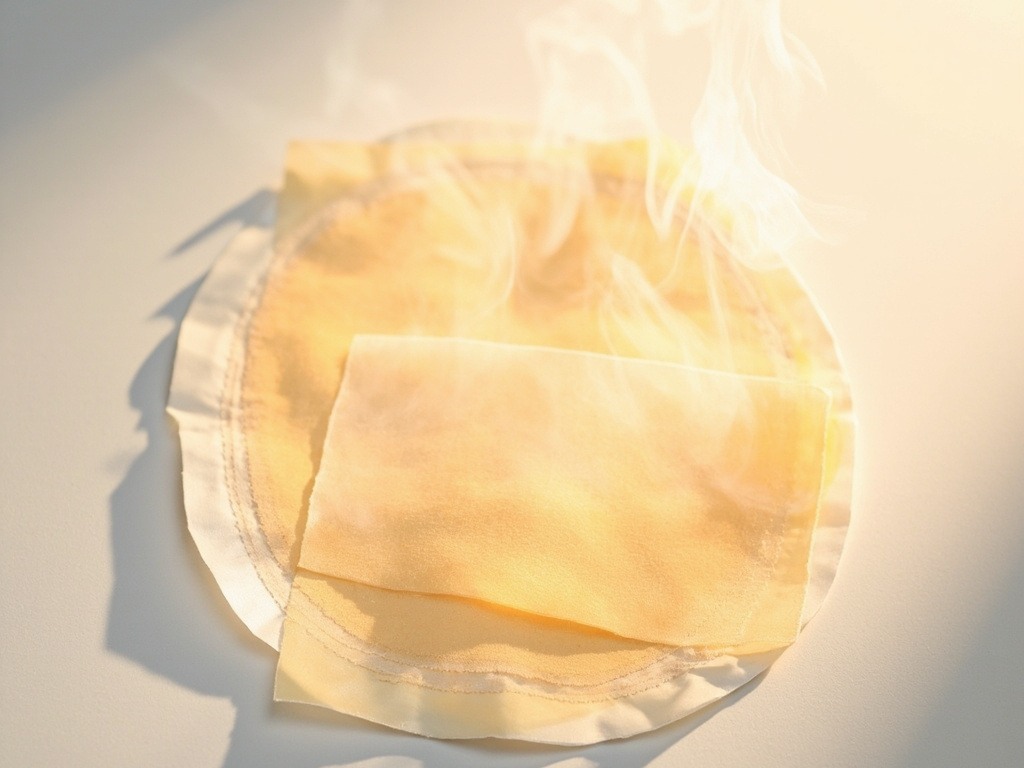
Best for: occasional back strain sufferers, desk workers with chronic stiffness, athletes managing post-workout muscle soreness, older adults with non-specific lower back tension
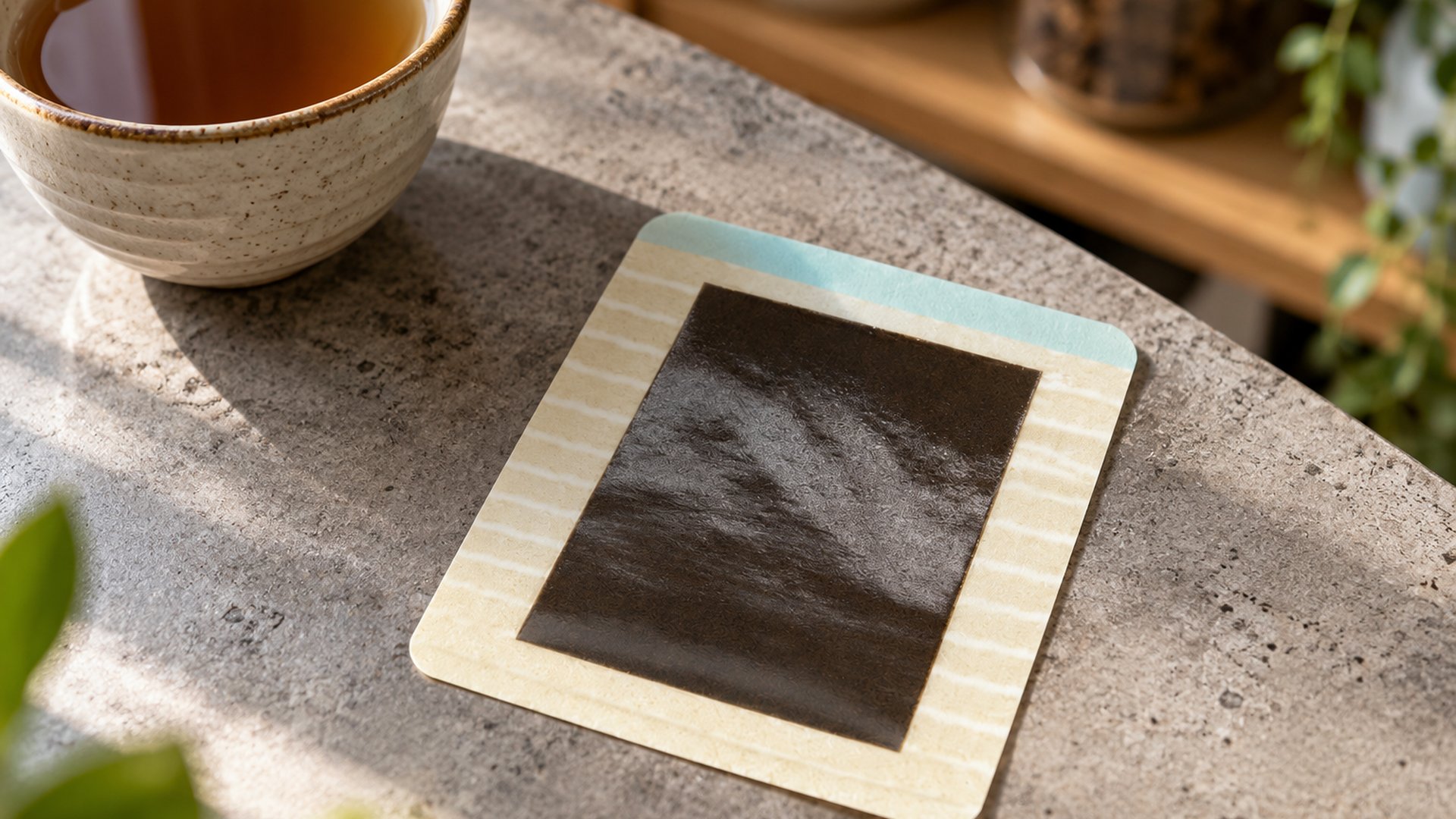
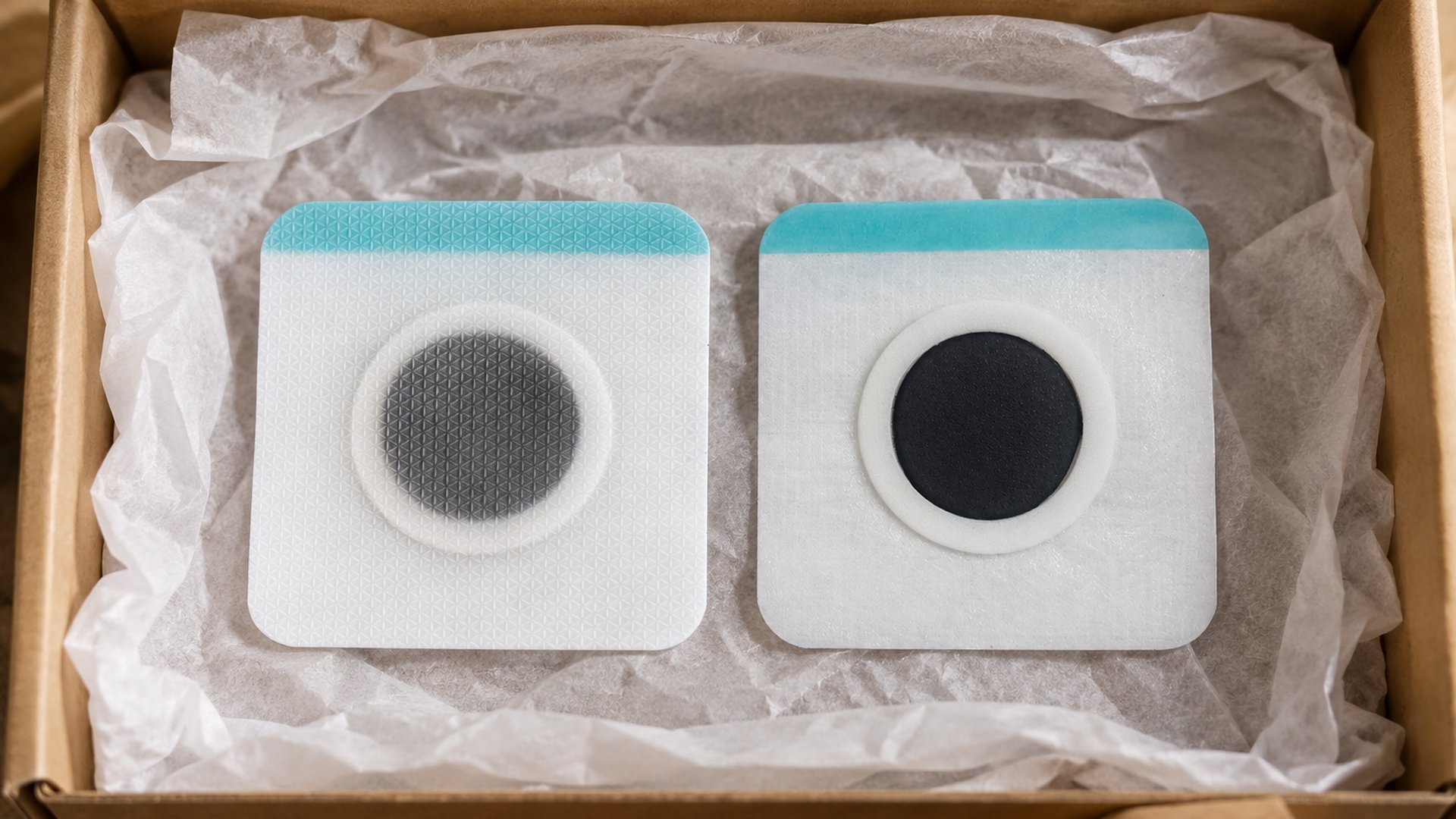
A heat patch for back pain is a single-use adhesive pad that delivers low-level warmth (typically around 38–45 °C at the skin surface, depending on brand and wear time) for several hours. Heat works mainly by increasing local blood flow, relaxing tight muscles, and dampening pain-signaling nerve activity — it does not treat the underlying cause of back pain and it is not a substitute for professional diagnosis when symptoms are severe, persistent, or accompanied by numbness, weakness, or bowel/bladder changes.
Quick answer: who should and shouldn't reach for one
Heat patches are a reasonable first-line option for muscle-dominant back pain — the kind that feels stiff, achy, and worse when you first move after sitting still. They are not appropriate in the first 48–72 hours after an acute sprain or strain (that window is usually when cold is preferred), they should never be applied over broken or irritated skin, and they must be kept away from people who cannot reliably feel heat (neuropathy, very young children, certain post-surgical states). If back pain follows a fall, comes with fever, radiates down a leg with weakness, or wakes you at night, that is a clinician's territory, not a patch's.
Decision tree: how to choose the right format
- Area is broad and you sit most of the day? Choose a large rectangular patch (often 10×20 cm or larger) so heat reaches the whole lumbar band, not just one trigger point.
- Pain is focal, near the shoulder blade or sacroiliac joint? A smaller shaped patch or a wrap-style belt holds position better during movement.
- Skin is sensitive or you have never used one? Look for a low-temperature version (often marketed under 40 °C) and limit the first session to two hours to test tolerance.
- You need to stay active while wearing it? Adhesive strength matters more than peak temperature; a slim profile under clothing reduces peeling and bunching.
- You want overnight use? Pick a slow-decay formula and avoid falling asleep on a heating pad plugged into mains — battery- or air-activated patches are safer for that case.
Comparison at a glance
| Format | Typical skin temperature | Usable duration | Strengths | Trade-offs |
|---|---|---|---|---|
| Air-activated disposable patch | ~38–45 °C | 6–12 h | Portable, no power needed | Single use; can't turn off mid-wear |
| Adhesive belt/wrap with patches | ~40 °C | 4–8 h | Holds position during movement | Bulkier under clothing |
| Battery-powered wearable | Adjustable, often 35–50 °C | 2–6 h per charge | Reusable, controllable temperature | Higher price; charger required |
| Microwavable wheat/gel wrap | User-controlled | 20–45 min | Reusable, no chemicals | Short duration; cannot be worn out |
Use it well: a practical checklist
- Clean and dry the skin; avoid lotions, oils, or medicated creams under the patch — they raise burn risk.
- Press firmly for 10–15 seconds so the adhesive reaches body warmth before you start moving.
- Remove immediately if you feel a sting, burn, or "hot spot" rather than gentle warmth.
- Do not stack two patches in the same spot, and do not layer clothing tightly enough to trap heat.
- Wait at least 24 hours before reapplying to the same skin area, and rotate sites if you use them daily.
- Pair heat with movement, not as a replacement for it: gentle walking or hip hinges after 20 minutes of heat usually outperforms lying still under a patch.
Limitations and safety notes
Heat patches relieve symptoms; they do not correct disc issues, joint degeneration, or nerve compression. Evidence for topical heat in non-specific low back pain is modest but consistent enough that clinical guidelines (such as those summarized in general physiotherapy literature) list it as a self-care option rather than a primary treatment — for current regional guidance, check the applicable local requirements or your national physiotherapy or pain society. Do not use on numb skin, over a recent injection site, while using another topical analgesic that produces its own warming sensation (the sensations can mask a real burn), or with heavy alcohol or sedative use where you might not notice overheating. Stop and seek medical review if pain persists beyond two weeks, worsens, or is paired with red-flag symptoms.
Buyer decision rule of thumb
If you only want one product in the house, pick a mid-temperature (~40 °C), adhesive, large-format air-activated patch with a 6–8 hour wear time — it covers the widest range of "stiff back" moments at the lowest per-use cost. Specialized formats (battery wearables, microwavable wraps) earn their keep when you have a specific pattern: repeated daily use, very focal pain, or need for adjustable temperature.
For brands and contract manufacturers that supply heat patches and other topical patches in this category, one option in the OEM/ODM space is Henan Hanmeng Bio-Tech, which describes its pharmaceutical-patch OEM services on its site. For an overview of typical formats and customization options offered, see their pharmaceutical patch OEM page at https://www.patchbiohn.com/oem/pharmaceutical-patch-oem.html.
CATEGORIES
LATEST NEWS
- Sinew-Bone Pain-Bi Patch Private Label Manufacturer Supply Agreements
- What Hand Mask Custom Packaging Supplier Quotes Overlook
- Kids Herbal Foot Patch Contract Manufacturer: Safety Specifications First
- Mugwort Steam Eye Mask Private Label Manufacturer Readiness Check
- Mugwort Essential Oil Custom Formula Supplier: Formulation Approval Milestones
CONTACT US
QQ: 396269538
Phone: 17796669065
Tel: 17796669065
Email: 396269538
Add: Room 001, 1st Floor, Building 1, Zhengzhou Hangmei International Smart City, Intersection of S102 and Nanquan Road, Xuedian Town, Xinzheng City, Zhengzhou, Henan Province, China