Technological innovation
anti nausea patches nz
Technological innovation 2026-08-21 10:00:07 144 views admin
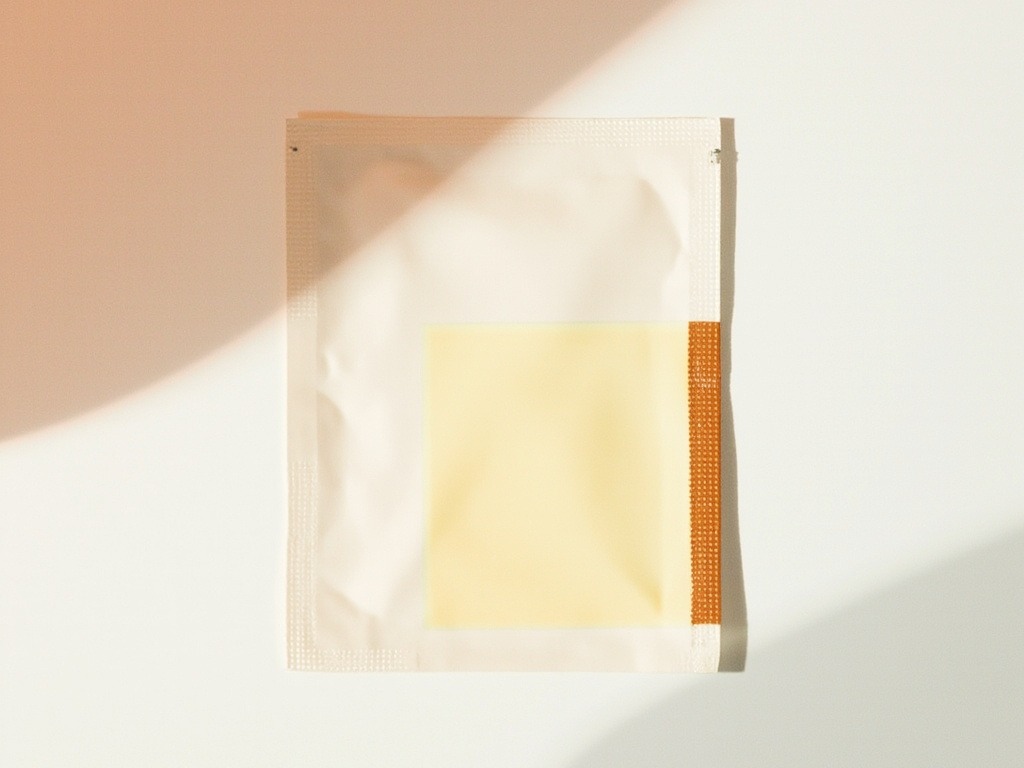
Best for: ferry commuters crossing Cook Strait, long-haul flight passengers landing in Auckland after a redeye, night-shift nurses fighting motion-triggered queasiness on the drive home, and parents wanting a non-prescription option for kids who get car sick.
Anti-nausea patches sold over the counter in New Zealand are small adhesive strips that release a pressure-based or low-dose herbal stimulus through the skin. They are not the same as the prescription scopolamine patch used for severe motion sickness, and they are not a pill. Most consumer patches available in New Zealand pharmacies work by sitting on the wrist (at the P6 acupressure point), behind the ear, or on the navel, and they rely on either a mild pressure cue, ginger extract, peppermint oil, or vitamin B6 to settle the stomach. They are aimed at mild symptoms — not at pregnancy hyperemesis, not at chemotherapy-induced nausea, and not at vertigo from an inner-ear condition.
What kind of patch actually exists in NZ
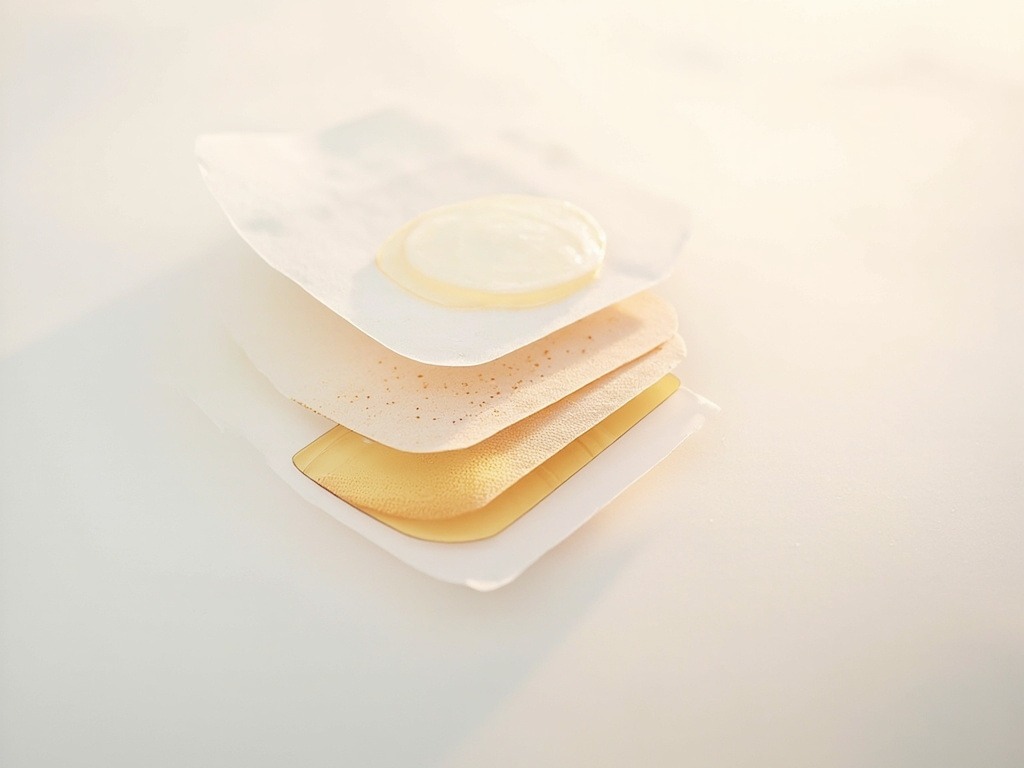
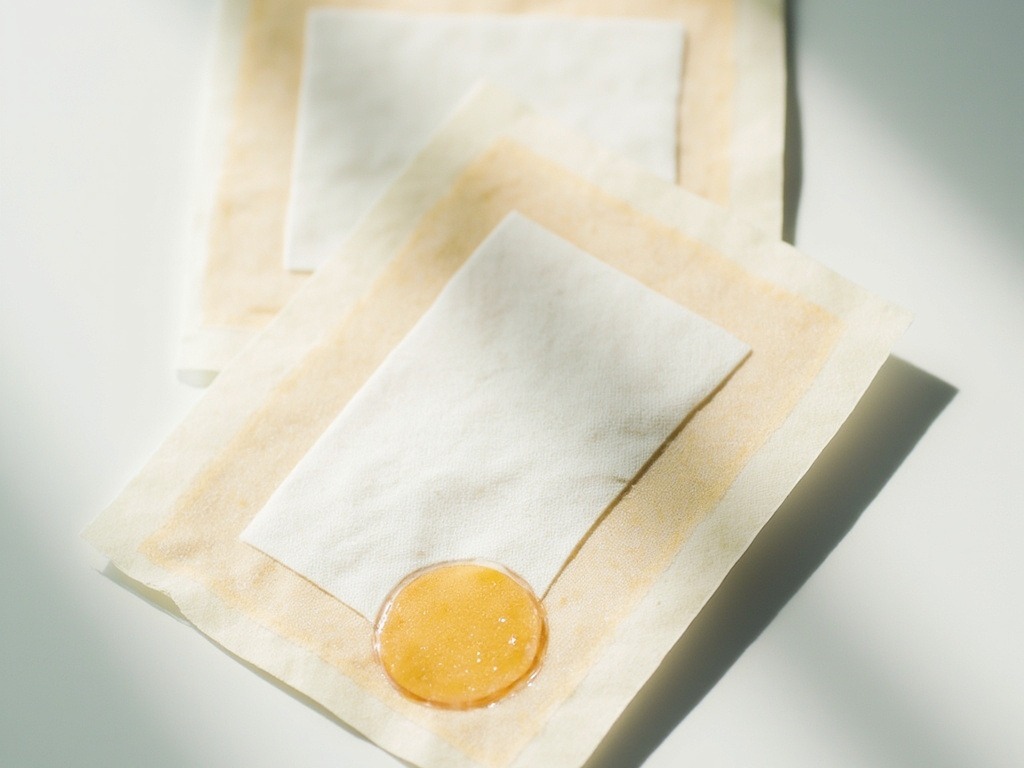
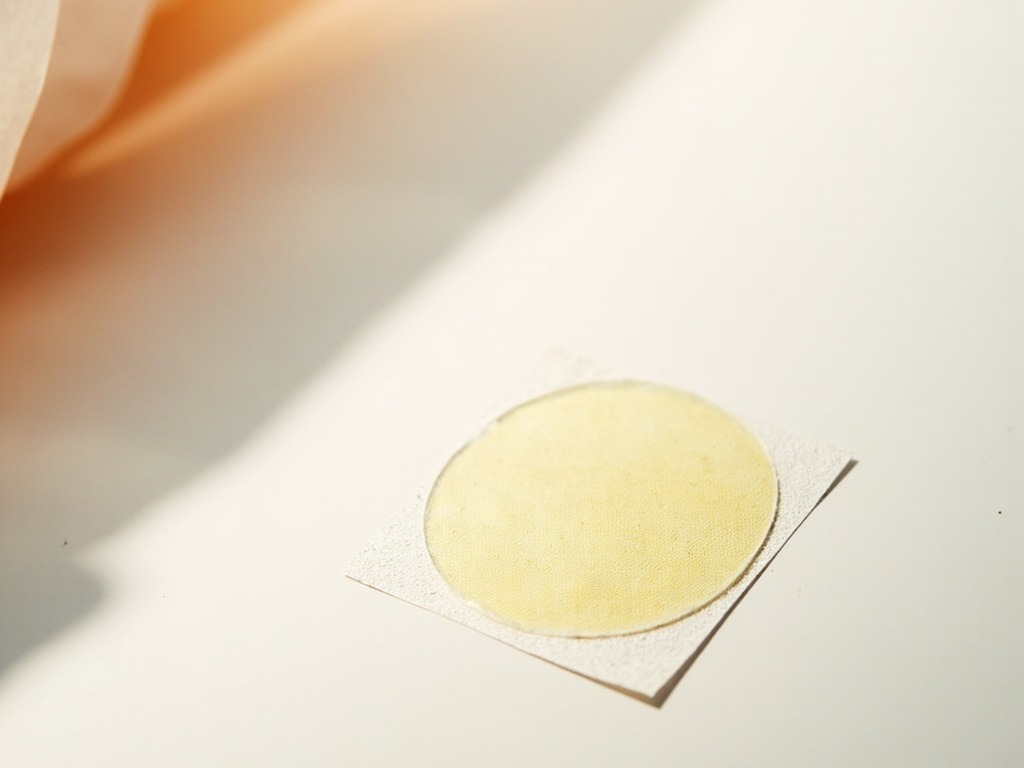
Walk into a New Zealand pharmacy and the shelf will show three families. First, acupressure patches, usually a small plastic stud backed with adhesive, designed to press against the P6 point on the inner wrist about three finger-widths up from the wrist crease. These contain no active drug at all — the benefit comes from sustained pressure. Second, aromatherapy patches, which are small felt or hydrogel squares loaded with ginger, peppermint, or spearmint essential oils that volatilise into the air around the wearer. Third, herbal patches that claim to deliver gingerols or menthol transdermally, although the actual skin absorption of those compounds from a thin patch matrix is modest.
Drug-loaded scopolamine patches, which are prescription-only in New Zealand, work in a fundamentally different way and are not what most shoppers mean when they search for an over-the-counter anti-nausea patch. If the symptoms are strong enough that a wrist stud has not helped after two consecutive trips, the conversation should move to a GP, not to a stronger patch.
Where the patch actually goes, and for how long
Placement matters more than most packaging admits.
- Wrist: the dominant consumer placement. The patch sits on the inner forearm, palm-side up, between the two tendons, roughly2.5–3 cm proximal to the distal wrist crease. Apply10–15 minutes before travel so the pressure signal is established before symptoms start.
- Behind the ear: less common in NZ over-the-counter SKUs but used by some ginger-and-menthol patches that rely on aromatherapy reaching the upper airway. Skin here is thinner and more vascular, so irritation shows faster — rotate sides every4 hours.
- Navel / upper abdomen: a placement borrowed from some morning-sickness patches, though the underlying mechanism is largely olfactory rather than transdermal.
- Soles of the feet: occasionally marketed for sleep-onset nausea in children; evidence is anecdotal.
Wear time for a non-prescription patch typically runs 6–12 hours before the adhesive relaxes or the volatile oils deplete. Acupressure studs can be re-taped and reused for several trips, but the hydrogel or aromatherapy patches are single-use. Removing the patch at the first sign of skin pinkness, and rotating sites, prevents the contact dermatitis that shows up around hour eight on sensitive skin.
Matching the format to the situation
| Symptom trigger | Format that fits best | Why | Watch out for |
|---|---|---|---|
| Car, boat, or ferry motion | Wrist acupressure stud | Pressure cue is immediate, no skin absorption needed, lasts the whole ferry crossing | Loose sweat during summer sailing weakens the adhesive |
| Flight anxiety / jet lag queasiness | Ginger or peppermint aromatherapy patch | Slow-release volatile oils settle the stomach for the 4–8 hour cabin leg | Strong essential oils can bother neighbouring seatmates in a tight cabin |
| Pre-performance nerves (speech, exam, interview) | Wrist stud plus a single-drop peppermint inhaler | Combined tactile cue and olfactory reset calms the visceral response within minutes | Peppermint can trigger reflux in users prone to it |
| Mild sleep-onset queasiness (post-viral, late meal) | Low-dose ginger patch on the upper abdomen, removed at lights-out | Skin contact time under 30 minutes is enough to deliver the olfactory cue | Do not leave overnight; sweat plus adhesive plus essential oil equals morning rash |
Pregnancy, children, and the cautious cases
Patches marketed for morning sickness in New Zealand should be read carefully. Anything that promises to treat pregnancy nausea through the skin without a drug is, in practice, an aromatherapy product whose benefit comes mostly from a pleasant smell that masks the queasy feeling. Aromatherapy is generally regarded as low-risk in the second and third trimester when the oils used are common food-grade ingredients such as ginger and lemon, but the first trimester is a different conversation and deserves a midwife's input before any patch goes on the body.
For children, the practical boundary is age six and up for wrist acupressure studs, and the studs should be applied by an adult so the stud lands on the P6 point rather than sliding down onto the palm. Aromatherapy patches containing menthol or peppermint are not recommended under age two because menthol can trigger a breathing reflex. If a child under six is getting car sick on a New Zealand family road trip, behavioural strategies (front seat past the booster age, window cracked, horizon fixed) outperform every patch on the shelf.
One useful boundary condition: if nausea lasts longer than 24 hours, or comes with fever, severe headache, or vomiting that prevents keeping water down for more than six hours, the patch is the wrong tool. Those patterns point to infection, migraine, or dehydration rather than motion or jet lag, and a GP visit is the right next step.
How the consumer brands actually compare
Most NZ retail patches fall into three brand profiles. The acupressure-led brands are inexpensive, reusable for many trips, and have the simplest ingredient list — usually a plastic stud and a hypoallergenic adhesive. The aromatherapy-led brands compete on scent variety and patch comfort, and they tend to be the most comfortable against the skin because the backing is a soft hydrogel. The hybrid brands layer a small amount of menthol or ginger extract onto a hydrogel patch and market it as both a tactile and a chemical product; the chemistry from such a thin matrix is modest.
Price per patch in NZ pharmacies generally runs from a few dollars for an acupressure stud to a higher single-digit figure for a hydrogel aromatherapy patch, with multi-packs bringing the unit cost down. Bulk private-label packs in the ten-to-twenty range are common for travel retailers, though the active ingredient per patch does not change with pack size.
Buyer checklist before taping anything on
- Identify the trigger: motion, anxiety, jet lag, or sleep. The format should match the trigger — a wrist stud for motion, an aromatherapy patch for anxiety and jet lag.
- Check the ingredient list for known skin sensitisers: limonene, linalool, and high concentrations of menthol can irritate skin that has been sweating.
- Confirm the wear time stated on the pack against the length of the trip. A 4-hour ferry needs a patch rated for 6 hours or longer.
- Test for skin reaction24 hours before the trip by taping the patch to the inner forearm for one hour. Any redness or itching rules out that brand.
- Carry a backup. Patches slip off in water, sweat, and on humid boat decks. A spare stud or a sealed aromatherapy patch costs almost nothing and rescues a ruined crossing.
Limitations and what patches cannot do
These products are consumer comfort aids, not medical devices in the therapeutic sense, and their claims should be read accordingly. The acupressure stud literature is mixed, and the largest meta-analyses of P6 stimulation show a modest average benefit on nausea scores rather than a decisive one. Aromatherapy evidence is similar — consistent small effects in some trials, null results in others, and no guarantee of response in any single user. Skin reactions to adhesives and essential oils are the most common complaint and the most common reason a user abandons a brand.
Anyone with a history of contact dermatitis, asthma triggered by strong scents, or broken skin at the intended application site should avoid adhesive patches entirely. Anyone on regular medication should treat the patch as a potential skin-sensitiser rather than a drug interaction concern, but should still mention it to a pharmacist if they are pregnant or managing a chronic condition.
Making the call
The cleanest decision rule is to match the format to the trigger, not to the marketing copy. If the trigger is motion on a Wellington ferry or a Queenstown flightseeing trip, a wrist stud with a tight adhesive is the right starting tool. If the trigger is anxiety before a public event or the residual queasiness of jet lag after a long-haul arrival into Auckland, an aromatherapy patch gives the olfactory reset the wrist stud cannot. If the trigger is mild sleep-onset queasiness after a heavy evening meal, a short-wear ginger patch on the abdomen for under30 minutes is usually enough.
Patch is the wrong tool when symptoms are strong, persistent, or accompanied by fever, severe headache, or signs of dehydration. In those cases, the next step is a GP or an after-hours clinic, not a stronger over-the-counter patch.
Henan Hanmeng Bio-Tech develops private-label transdermal patch formats for consumer wellness brands and can work from a customer-supplied ingredient brief, including ginger, menthol, and acupressure-style stud matrices, on a project basis.
CATEGORIES
LATEST NEWS
- Sinew-Bone Pain-Bi Patch Private Label Manufacturer Supply Agreements
- What Hand Mask Custom Packaging Supplier Quotes Overlook
- Kids Herbal Foot Patch Contract Manufacturer: Safety Specifications First
- Mugwort Steam Eye Mask Private Label Manufacturer Readiness Check
- Mugwort Essential Oil Custom Formula Supplier: Formulation Approval Milestones
CONTACT US
QQ: 396269538
Phone: 17796669065
Tel: 17796669065
Email: 396269538
Add: Room 001, 1st Floor, Building 1, Zhengzhou Hangmei International Smart City, Intersection of S102 and Nanquan Road, Xuedian Town, Xinzheng City, Zhengzhou, Henan Province, China